Unwanted gifts and gift cards don’t have to go to waste — with the right timing and strategy, you can return, resell, exchange, or even donate them.
Understanding return policies is key — missing deadlines, removing tags, or accepting final-sale items can limit your options and cost you money.
Gift cards are easiest to deal with when you act quickly — selling, swapping, or repurposing them early helps preserve their value and avoids letting them sit unused.
The holidays are full of good intentions — but let’s be honest, not every gift hits the mark.
Maybe it’s the sweater that’s not quite your style, a gadget you already own, or a gift card to a store you never shop at. Whatever the case, unwanted gifts are far more common than most people like to admit.
The good news? You’re not stuck with them.
Between extended holiday return windows, resale platforms, and creative ways to exchange or reuse gift cards, there are plenty of options to turn an awkward present into something you’ll actually use. The tricky part is knowing where to start — and what pitfalls to avoid — especially as retailers tighten return policies or attach fine print to gift cards.
To help consumers navigate the post-holiday gift shuffle, ConsumerAffairs spoke with Bobby Ghoshal, CEO of Dupe.com, an AI-powered shopping platform designed to help shoppers find similar items at better prices. Ghoshal shared insights on how to handle returns smoothly, why gift cards often go unused, and how smarter shopping tools can reduce the chances of needing a return in the first place.
The best and worst ways to offload unwanted gift cards
If you end up with a gift card to a store you never shop at, it can feel disappointing. But it doesn’t have to!
“The best way to offload an unwanted gift card is to sell it or exchange it on a reliable platform like Gift Card Granny or Raise,” Ghoshal recommends. “Just know that you will not receive the full value of each card as the site does take commission. The more popular the store, the higher the value of the card.
“If you received a gift card to a supermarket or store that sells gift cards like Walmart or Target, you can also buy another gift card through those sellers for a store you’re more inclined to shop at. This will help you retain the full value of the gift card.”
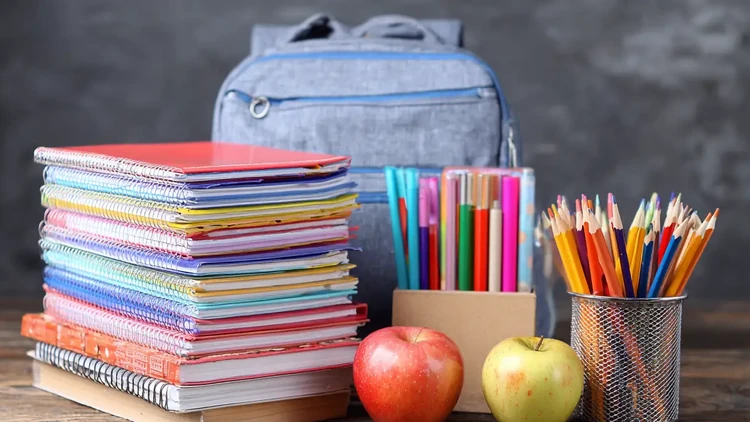
A final tip: donate unused or unwanted gift cards to teachers for school supplies or charities of your choice.
On the other hand, the worst thing you can do with an unwanted gift card is forget it exists.
“It’s estimated that Americans hold billions in unused gift cards, which is pretty insane if you think about it,” Ghoshal said. “Yes, it may be a hassle to sell or use them, but at least share it with someone who will.”
Things to think about before you return
If you end up with a gift you want to return, it may not be as easy or straightforward as you think to bring it back to the store and get something you want. Ghoshal shared some of the biggest pitfalls consumers often face when it comes time to return:
You missed the deadline for return. It’s crucial to understand each retailer’s return policies. Yes, a gift receipt is great to have, but many gift-givers don’t share those with their recipients. In order, to have a successful return, make sure you’re acquainted with the retailer’s policies and that you return the item by deadline. Oftentimes, you will simply get a gift card for an item with no receipt, but the key is to ensure you’re getting the highest value for the item. If you procrastinate and your item goes on sale, the store will only give you the value of the item at its current rate.
You opened the box / removed the tag. If you’re not certain that you’re going to keep your gift, do not unbox it or remove any tags. There are certain items that absolutely cannot be returned or exchanged without these intact. They also may deduct a percentage of the value of the item if the box has been tampered with. If you want the full refund, and an easy return, don’t be impulsive when ripping your gifts open.
You received a final sale item. Unfortunately, there is nothing you can do if the item you received was purchased through a final sale. If that’s the case, regifting or reselling makes the most sense. I would suggest to gift-givers that they avoid purchasing these items as gifts just in case your recipient doesn’t fall head over heels for the items you selected.
Common gift-giving mistakes to avoid
Ghoshal said that the two most common gift-giving mistakes we often make are: getting the wrong size and getting something the gift recipient doesn’t actually want. If you keep both of these in mind, you’re less likely to unintentionally give someone a return mishap after the holidays.
“If you don’t know your recipient’s exact sizing and overall preferences, I highly recommend a gift card to their favorite retailer,” Ghoshal said. “Sure, some think it’s impersonal, but you can never miss if you know them.”