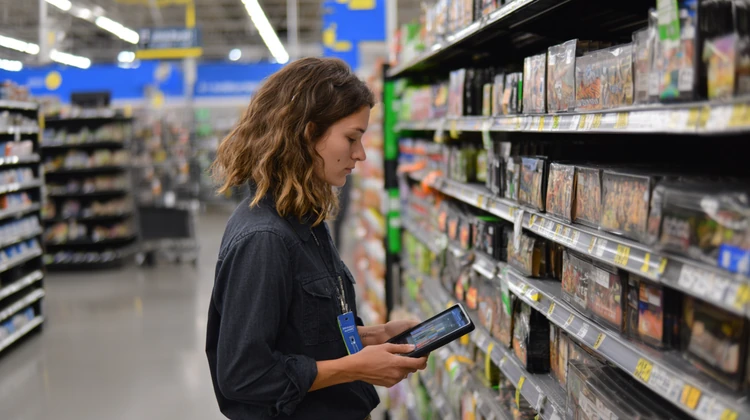

Walmart, Kroger, and Whole Foods Market are replacing paper shelf tags with digital price labels that update instantly.
Retailers say the labels improve efficiency, but many shoppers worry they could eventually lead to grocery “surge pricing.”
Experts recommend checking shelf prices closely, reviewing receipts, and photographing expensive item prices before checkout.
Have you been to a store recently and noticed the tiny digital screens where the shelf price sticker used to be? Well, you’re not alone, and they’re starting to cause a lot of concern among shoppers.
Stores like Whole Foods Market, Kroger, and Walmart have started rolling out digital shelf labels across their U.S. stores.
The technology allows stores to instantly change prices electronically without employees manually swapping paper tags.
Retailers, of course, say the move is all about efficiency and reducing the number of staffing hours needed to update price stickers. But many consumers and lawmakers are worried it could eventually open the door to “surge pricing” for groceries and other goods.
Why shoppers are nervous
Consumers are already keenly aware that airlines, hotels, Uber, and concert tickets use dynamic pricing systems where they raise prices when demand spikes.
Now many shoppers are smartly wondering if grocery and big-box stores will eventually start doing the same thing.
Some lawmakers, including Sen. Elizabeth Warren, have publicly raised concerns that digital shelf labels could someday allow stores to increase prices based on:
- Time of day
- Weather
- Holidays
- Demand spikes
- Emergencies
That could theoretically mean bottled water prices rise before a heat wave or snacks jump in price before a major sporting event.
And with grocery prices already consuming a larger portion of household budgets than they have in decades, shoppers are paying close attention.
What grocery chains are saying
So far, the major retailers rolling out digital labels strongly deny they are using surge pricing or plan to start.
Whole Foods, for example, said the technology is designed to:
- Simplify price-tag updates
- Reduce paper waste
- Improve customer experience
Walmart said price changes are still reviewed by employees and are usually updated outside shopping hours so prices stay stable during the day.
Kroger also denied claims that the labels would be used for dynamic pricing at their Fred Meyer stores.
Instead, companies say the labels mainly help stores:
- Correct pricing faster
- Launch promotions more efficiently
- Reduce labor costs
- Keep shelf prices more accurate
The good news for shoppers
At the moment, there’s little evidence U.S. grocery stores are actively changing prices throughout the day based on demand.
In fact, digital labels can sometimes benefit shoppers because stores can quickly markdown products nearing expiration instead of throwing them away.
Still, experts say the technology clearly creates the ability for real-time pricing if retailers ever decide to move in that direction.
That alone makes many shoppers uncomfortable.
How shoppers can protect themselves
Even if surge pricing never becomes widespread, digital pricing makes it more important than ever to pay attention while shopping.
A few smart habits:
- Double-check prices at checkout.
- Review your receipt before leaving.
- Use grocery apps to compare prices.
- Take photos of shelf prices for expensive items.
- Watch weekly sales carefully.
Pro tip: If an item rings up higher than the shelf price, many states have consumer pricing laws that may require the store to honor the lower advertised price.
The bottom line
Digital shelf labels are likely the new norm and you’ll start seeing them at more grocery stores because they absolutely save retailers a lot of time and money.
But the bigger question still to be answered is whether stores continue using the technology for efficiency only, or whether grocery prices will start fluctuating prices often based on a bunch of external factors.