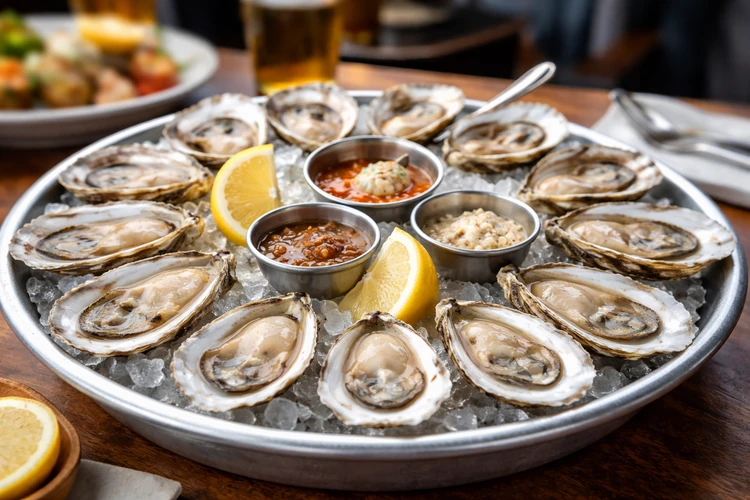

FDA warns restaurants and retailers in nine states not to serve or sell certain Manila clams harvested in Washington state due to possible norovirus contamination.
Consumers in Washington are urged not to eat specific raw oysters harvested from the same area during the same time period.
The shellfish are linked to a norovirus-like illness outbreak, according to federal and Washington state health officials.
The U.S. Food and Drug Administration (FDA) is warning restaurants, retailers, and consumers about potentially contaminated shellfish harvested in Washington state that may be linked to a norovirus outbreak.
The advisory covers certain raw oysters harvested by Drayton Harbor Oyster Company and Manila clams harvested by the Lummi Indian Business Council, both taken from the Drayton Harbor harvest area in Washington between February 13 and March 3, 2026.
According to the FDA, the products may be contaminated with norovirus, a highly contagious virus that causes gastrointestinal illness.
The oysters were distributed within Washington state, while the Manila clams were sent to restaurants and food retailers in Arizona, California, Florida, Georgia, Illinois, Nevada, New York, Oregon, and Washington, and may have reached additional states.
Recall tied to illness outbreak
The alert follows a March 4 notice from the Washington Department of Health, which informed federal officials about a recall of certain shellstock — raw, live molluscan shellfish such as oysters and clams — after reports of a norovirus-like illness associated with raw oyster consumption.
The FDA is advising restaurants and food retailers not to sell or serve the affected shellfish and to dispose of them or coordinate destruction with their distributors.
Consumers are also being urged not to eat the oysters or clams if they may have purchased them.
Symptoms can appear quickly
Norovirus is one of the most common causes of foodborne illness. Infection typically develops 12 to 48 hours after exposure.
Common symptoms include:
Diarrhea
Vomiting
Nausea
Stomach pain
Other symptoms may include fever, headache, and body aches.
Most people recover within one to three days, but the illness can lead to dehydration, particularly in young children, older adults, and people with weakened immune systems.
What restaurants should do
The FDA recommends that restaurants and food retailers:
Stop serving or selling the recalled oysters and clams.
Dispose of the products or contact distributors to arrange for destruction.
Thoroughly clean and sanitize surfaces and utensils that may have come into contact with the shellfish.
Wash hands with soap and warm water after handling potentially contaminated products.
Food businesses that sold the shellfish in bulk should also sanitize containers used to store the products to prevent cross-contamination.
What consumers should do
Consumers who may have eaten the affected shellfish and develop symptoms of illness should contact a health care provider and report their symptoms to their local health department.
The FDA said it is continuing to monitor the investigation and will provide updates as more information becomes available about the distribution of the shellfish.