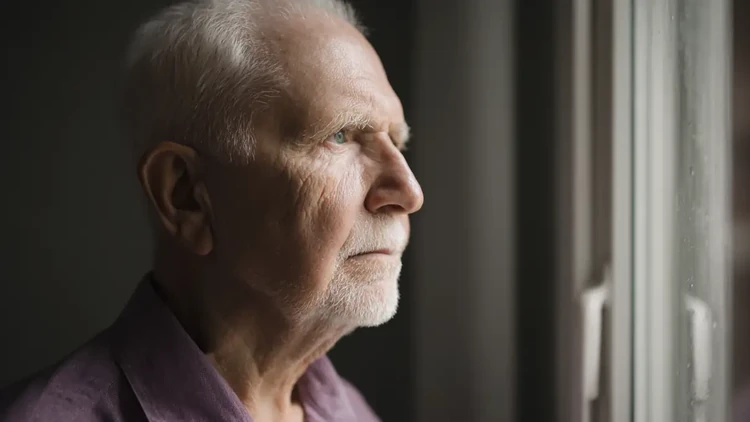

- While youth suicide has declined after public health focus, suicide rates among men 75+ remain alarmingly high
Men over 85 die by suicide at rates more than 50 times higher than women, often via firearms
Experts urge a national prevention strategy tailored to aging men, countering stigma and isolation
After years of intensifying concern over youth mental health — including a 2021 warning from the U.S. surgeon general and a declaration of crisis from the American Psychological Association — the suicide rate among teens and young adults began to fall in 2022 and 2023. That success, experts say, stems from a flood of advocacy, media attention, and public health investment.
But while young people received national attention, the group most at risk of dying by suicide went largely unnoticed: older men, particularly those aged 75 and above, according to studies quoted by Statnews.
An overlooked demographic, deadly risk
According to the Centers for Disease Control and Prevention, suicide rates for men aged 75 to 84 reached 38.2 per 100,000 in 2021, rising to 55.7 per 100,000 among those 85 and older — a rate more than 16 times higher than their female peers. These are the highest suicide rates of any demographic group in the United States.
Despite the staggering figures, older adults have been left out of most national suicide prevention efforts.
Why Are Older Men Dying by Suicide?
Experts point to a complex web of factors, including:
Access to firearms, the most lethal method of suicide. Guns were responsible for suicide death rates 17 times higher among men than women aged 75–84, and 51 times higher among men 85+.
Masculine socialization, which discourages emotional expression, help-seeking, and reliance on social support.
Life changes and stressors like retirement, illness, disability, bereavement, and social disconnection.
“Men spend their lives achieving and neglecting social connections,” said Igor Galynker, psychiatry professor at Mount Sinai. “When they retire, they lose both their social life and sense of purpose.”
Research shows that older women, by contrast, are more adept at building and maintaining support networks, are more likely to recognize depressive symptoms, and are more inclined to seek mental health care.
Worried about someone?
If you're concerned about someone, suicide prevention resources are available, including the 988 Suicide & Crisis Lifeline (call or text 988). Early intervention and social support can be life-saving.