
2024 Lawsuits and Class Actions

Article Image

Amazon One Medical sued after patient dies

Amazon has been elbowing its way into healthcare, selling medical devices online, running its own pharmacy and, most recently, operating a chain of clinics, called Amazon One Medical.

But an Amazon One clinic in California is being named in a wrongful-death lawsuit, according to a Washington Post report. The family of Philip Tong, a 45-year-old biotech worker, has filed suit against One Medical and an Oakland hospital, claiming negligent care led to his death.

Key Details

  • Health Concerns Ignored: During a video consultation, Tong reported severe symptoms, including shortness of breath and coughing blood, but was allegedly advised to buy an inhaler. Hours later, he collapsed and died.
  • Underlying Conditions: Tong had diabetes, chronic kidney disease, and sepsis at the time of his death, according to the lawsuit.
  • Telehealth Questions: The case raises concerns about telemedicine’s ability to address life-threatening situations effectively.

Amazon acquired One Medical in 2023, expanding telehealth services but facing criticism for layoffs and reduced clinical staff. The Tong family’s lawsuit alleges inadequate care and understaffing contributed to the tragedy. The first court hearing is set for March.

"Careless, reckless and negligent"

In the complaint, the patient's family charges that One Medical lacked “adequately trained and qualified staff,” resulting in treatment that was “careless, reckless and negligent” and says the clinic staff failed to order appropriate testing.

One Medical said it could not comment on the specific case because of patient privacy laws but provided this statement:

“While we are prohibited by law from discussing patient records, we refute claims that a change in the duration of visits or location of a virtual visit has impacted the care provided at Amazon One Medical. We care deeply about every patient we serve, and the quality and safety of our care are our highest priorities."

A spotted history

Amazon has had mixed success with its attempts to enter healthcare. Selling prescription drugs and healthcare equipment online is fairly straightforward but caring for living patients is another matter and critics say telehealth is not always the best solution. 

Amazon bought One Medical in 2023 for nearly $4 billion and proceeded to reduce staff while moving more operations online. The company says the changes are intended to expand consumer access to medical care. 

Membership plans

Amazon One Medical offers three membership plans:

  • $9 per month for Prime members, offering "On-demand care, ongoing support for healthcare needs; and
  • $29 per email visit for pay-per-visit, offering "One-time virtual visit to treat a common condition.
  • $49 per video visit, offering "One-time virtual visit to treat a common condition.

One Medical operates in over 25 U.S. cities, with clinics in major metropolitan areas. Its focus is on providing convenient, tech-enabled care to urban and suburban populations.


Criticism and challenges

  • Quality of Care: Some critics argue that One Medical’s reliance on telehealth and efficiency-driven model may not adequately serve patients with complex or urgent medical needs.
  • Accessibility Concerns: The subscription fee has raised concerns about affordability and equity in healthcare access.
  • Staffing and Layoffs: After Amazon’s acquisition, layoffs were reported, leading to concerns about the impact on patient care and staff workloads.
Article Image

Texas sues 3M and DuPont for PFAS risks

Texas Attorney General Ken Paxton has filed a lawsuit against 3M and DuPont for misleading consumers about the health risks of products made with "forever chemicals."

These chemicals, known as PFAS, were used in products like Teflon and Scotchgard.

PFAS are called "forever chemicals" because they don’t break down easily in the human body or the environment. They can contaminate water, harm natural resources, and accumulate in people’s blood. These chemicals are linked to cancer and other health issues.

“These companies knew for decades that PFAS chemicals could cause serious harm to human health yet continued to advertise them as safe for household use around families and children,” Paxton said in a press release. “Texas is taking action to penalize these companies and hold them accountable for deceiving Texans into buying consumer products without vital information.”

Texas is seeking civil penalties of up to $10,000 per violation under the state’s Deceptive Trade Practices Act, along with interest on damages.

Other states have filed similar suits. Ohio recently settled with DuPont for $110 million, and 3M is paying billions in settlements for its role in producing using PFAS in firefighting foams.

Article Image

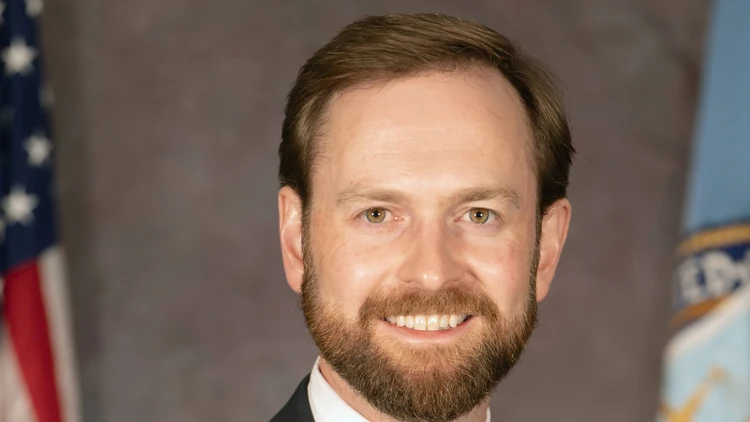
Trump picks new head of Federal Trade Commission

President-elect Donald Trump has chosen Andrew Ferguson, a Republican FTC commissioner, as the new chair of the Federal Trade Commission, replacing Lina Khan, who on Tuesday won a major victory when a federal judge blocked the Kroger-Albertsons merger.

Kahn took on numerous antitrust cases and, while Ferguson is not expected to be as aggressive, he is expected to continue targeting Big Tech monopolies. Cases against Google, Meta, Apple, and Amazon, initiated during Trump’s first term, are still ongoing.

Ferguson will likely face challenges balancing populist Republicans who support stricter antitrust enforcement with pro-business conservatives.

Trump praised Ferguson’s record of opposing Big Tech censorship and called him the most "America First" FTC chair in history. Ferguson, who joined the FTC in April, previously served as Virginia’s solicitor general.

As a commissioner, he has opposed some of Khan’s policies, such as banning non-compete clauses and simplifying subscription cancellations.

The FTC enforces competition laws and protects consumers, focusing on issues like digital privacy and deceptive practices. Under Biden, the agency took a tough stance on corporate power and Big Tech, which drew praise from progressives but criticism from business groups.

Article Image

Judge blocks Kroger-Albertsons merger

The Federal Trade Commission has prevailed in one of its biggest antitrust cases, with today's decision by a federal judge to block the Kroger-Albertsons merger.

“The FTC, along with our state partners, scored a major victory for the American people, successfully blocking Kroger’s acquisition of Albertsons," said FTC Bureau of Competition Director Henry Liu 

The $24.6 billion deal would have added nearly 2,000 stores to Kroger's roster and U.S. District Judge Adrienne Nelson agreed with the FTC that it would have removed too much competition from the marketplace. Nelson presided over a trial in Portland, Oregon, this summer.

“Evidence shows that defendants engage in substantial head-to-head competition and the proposed merger would remove that competition,” Nelson wrote in the ruling. 

"This historic win protects millions of Americans across the country from higher prices for essential groceries—from milk, to bread, to eggs—ultimately allowing consumers to keep more money in their pockets," the FTC's Liu said.

"This victory has a direct, tangible impact on the lives of millions of Americans who shop at Kroger or Albertsons-owned grocery stores for their everyday needs, whether that’s a Fry’s in Arizona, a Von’s in Southern California, or a Jewel-Osco in Illinois."

Necessary to compete

Kroger and Albertson had argued that the deal was crucial to their being able to compete effectively against Walmart and Amazon but Nelson bought the FTC's argument that the move was anticompetitive and would be harmful to consumers.

The decision follows a three-week trial in which the FTC argued that Kroger and Albertsons competed vigorously with each other and that they would have no incentive to do so if the merger went through.

The grocers argued that they have many other competitors and would have to be price-competitive with or without the merger.

Kroger is the biggest supermarket chain in the country, with about 9% of the market while Albertsons controls about 5%. They lag retail giant Walmart, and Costco is approaching Kroger's sales volume. 

The companies had agreed to sell off some 579 stores to other operators if the deal went through. If the companies now abandon their effort, as they have said they will, Kroger will have to pay Albertsons a $600 million breakjup fee. 

Article Image

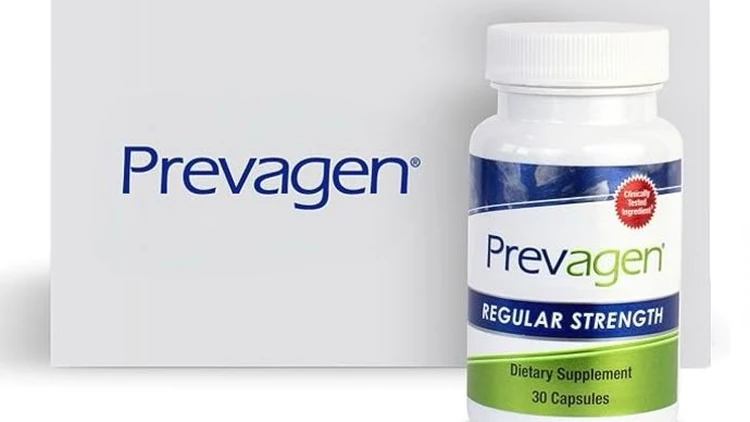
Prevagen enjoined from certain ad claims; latest move in long-running case

After seven years of litigation, a federal district court has ordered the makers of dietary supplement Prevagen to stop making claims a lawsuit said were deceptive.

“Following seven years of hard-fought litigation, including a jury trial, we are pleased that the Court has ordered Quincy Bioscience to cease making claims about Prevagen that mislead Americans concerned about memory loss," said Samuel Levine, Director of the Federal Trade Commission’s Bureau of Consumer Protection.

"Companies should take note and remember that health claims need to be backed up by reliable scientific evidence."

The ruling came in a lawsuit filed by the Federal Trade Commission and the New York Attorney General challenging advertisements that claimed Prevagen had been "clinically shown" to improve memory.

The long-fought case is probably not over. Prevagen maker Quincy Bioscience is expected to appeal the issue, which was fought on two fronts and produced seemingly conflicting decisions. 

Some but not all ...

In February 2024, a New York jury ruled that many of Prevagen's claims were not supported by reliable evidence and that some, but not all, of its claims were "materially misleading."

But this week, a U.S. District Court judge in New York affirmed an earlier injunction banning further use of the disputed claims. 

Quincy Products welcomed the jury finding in March. "We are pleased that a federal jury in New York concluded today that the New York Attorney General failed to prove its deceptive advertising and labeling case against Quincy Bioscience's key advertising claims for Prevagen," Quincy said in a statement.

The company has not yet responded to ConsumerAffairs' request for a statement on the latest development. 

Ingredients include jellyfish

Prevagen's main ingredient is apoaequorin, the scientific name for jellyfish, which one scientist said "has no known role in human memory, or that many experts believe supplements like this would most likely be digested in the stomach and never wind up anywhere near the brain.

"If apoaequorin is so great, why aren't jellyfish smarter?" Harvard Health editor Robert H. Shmerling, MD, quipped in a recent post. 

Quincy has conducted an extensive national advertising campaign for Prevagen, including TV spots on national broadcast and cable networks such as CNN, Fox News, and NBC, featured charts depicting rapid and dramatic improvement in memory for users of the product.

In fact, the lawsuit alleged, the marketers relied on a study that failed to show that Prevagen works better than a placebo on any measure of cognitive function.

The federal court complaint alleged that the defendants enticed consumers to spend anywhere from $24 to $68 for bottles of 30 supplement pills by touting the product to improve memory and reduce memory problems associated with aging.

The complaint noted that the supplement is widely available at major retailers such as Amazon, CVS, the Vitamin Shoppe, and Walgreens, and is also sold directly on the defendants’ websites. Defendants’ product sales topped $165 million, according to the complaint.

“The marketing for Prevagen is a clear-cut fraud, from the label on the bottle to the ads airing across the country,” said then-New York Attorney General Eric Schneiderman when the suit was filed in 2017.

“It’s particularly unacceptable that this company has targeted vulnerable citizens like seniors in its advertising for a product that costs more than a week’s groceries, but provides none of the health benefits that it claims,” he said.