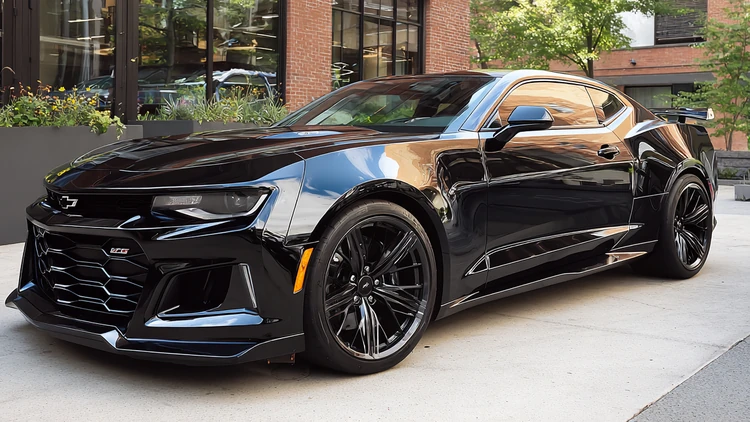

- Camaro ZL1 theft rate 39x the average; standard Camaro also among top five most-stolen
Software fixes cut thefts for Hyundai and Kia after immobilizer upgrades
Electric vehicles remain among the least-stolen, likely due to charging habits
The Chevrolet Camaro ZL1 has become America’s most-stolen vehicle, according to new data from the Highway Loss Data Institute (HLDI), which reveals a dramatic spike in thefts of high-powered muscle cars and a concurrent drop in theft rates for certain Hyundai and Kia models thanks to a successful software upgrade campaign.
🚨 Top 5 Most-Stolen Vehicles (2022–24 Models)
By Whole-Vehicle Theft Claim Frequency (Highway Loss Data Institute)
| Rank | Make & Model | Theft Rate vs. Average |
|---|---|---|
| 1️⃣ | Chevrolet Camaro ZL1 | 39× higher |
| 2️⃣ | Dodge Charger HEMI | High |
| 3️⃣ | Dodge Charger Widebody | High |
| 4️⃣ | Chevrolet Camaro (base) | 13× higher |
| 5️⃣ | Dodge Challenger | High |
💡 Muscle cars dominate the list due to high horsepower and resale value.
🟢 Least-Stolen Vehicles
Electric vehicles lead the way in theft prevention.
Tesla Model 3
Tesla Model Y
Nissan Leaf
Hyundai Ioniq 5
Kia EV6
Ford Mustang Mach-E
Chevrolet Bolt EUV
Toyota Prius Prime (PHEV)
🔌 EVs are less likely to be stolen due to garage parking and charging habits.
The HLDI report shows the Camaro ZL1, a supercharged muscle car with immense horsepower, had a whole-vehicle theft rate 39 times higher than the average for model years 2022–24. Its sibling, the standard Camaro, also cracked the top five, with theft claim rates 13 times the average.
“Muscle cars have often topped this list, as thieves are attracted to vehicles with high horsepower,” said Matt Moore, chief insurance operations officer at HLDI. “That also helps explain why the more expensive, more powerful ZL1 is stolen so much more often than the standard Camaro.”
Why the Camaro? High horsepower and high-tech exploits
The Camaro’s popularity among car thieves is fueled by both its street appeal and exploitable technology. According to media reports cited in the analysis, some modern Camaros are vulnerable to theft through electronic key cloning. Thieves can reportedly access on-board diagnostic ports to retrieve key codes, bypassing the need for physical access to key fobs.
Camaro thefts, once relatively stable, began climbing sharply in 2023, especially for models with keyless, push-button start systems introduced in 2016. Theft claims peaked in March 2024 at 18.3 per 1,000 insured vehicle years for 2016–24 models, compared to just 1.3 for older Camaros.
The states hardest hit by Camaro thefts in 2024 were:
California (highest frequency)
Tennessee
Mississippi
Maryland
Texas
In response, General Motors launched a service campaign in March 2025 offering free software updates for 2020–24 Camaro models. HLDI plans to monitor whether this intervention reduces theft rates.
Hyundai and Kia see big drops
In contrast to the Camaro's surge, Hyundai and Kia—once targets of a nationwide car theft trend—have seen substantial reductions in thefts after issuing software upgrades for older models that lacked built-in electronic immobilizers.
According to HLDI:
Theft claims dropped 46% overall for vehicles that received the update
Whole-vehicle thefts fell 52%
Vandalism claims increased, signaling more thwarted theft attempts
Despite the positive trend, theft rates remain elevated for older models—around 10–11 claims per 1,000 insured vehicle years, compared to fewer than 2 for all 2011–22 vehicles overall—because fewer than half of eligible owners have received the update.
Newer Hyundai and Kia models, now equipped with immobilizers as standard, have substantially lower theft rates than average.
“This intervention showed dramatic results right off the bat, offering owners some peace of mind,” Moore said. “Owners who still haven’t gotten the software upgrade should do so immediately, as it’s the best way to protect their vehicle.”
Electric vehicles: The least-stolen category
On the opposite end of the spectrum, the least-stolen vehicles include eight EVs and two plug-in hybrids. Their theft claim frequencies were over 85% lower than the average. Experts believe this is due to the fact that EVs are often garaged or parked close to buildings to facilitate charging—making them less accessible to thieves.
As car theft tactics evolve alongside technology, the latest HLDI data highlights both the vulnerabilities of performance vehicles and the effectiveness of manufacturer-led interventions—a combination that could reshape auto theft trends in the coming years.