

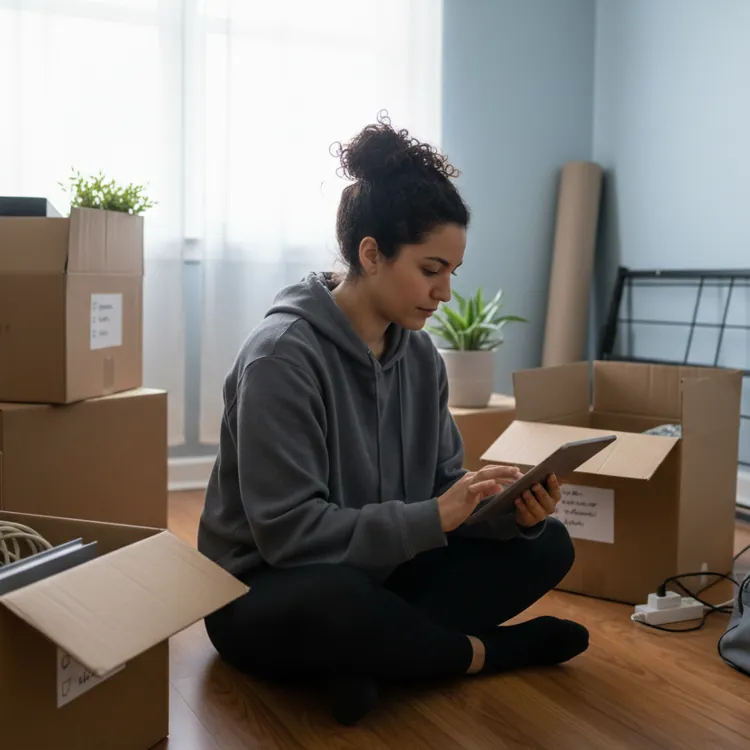
How to move away from home
You can do a few things to increase the likelihood of a smooth transition when preparing to move away from home, such as determining a timeline, building a move-out essentials checklist and packing efficiently. We explain each of these in detail below.
Determine a timeline
Starting early with purchases and preparations before a move can reduce your financial strain. Here’s a general timeline to follow when preparing to move away from home.
- Three to six months out: Start researching where you’d like to relocate.
- Two to three months out: Build a moving budget and start saving for deposits, rent and moving expenses.
- Six to eight weeks out: Secure your new housing.
- Three to four weeks out: Begin packing, update your mailing address and set up utilities at your new place.
- Two weeks out: Finish packing and confirm moving help.
- One week out: Pack a “first night” essentials bag and confirm all moving logistics.
- Moving week: Double-check logistics, pick up keys and clean your old space.
- First week in your new home: Unpack essentials, explore your new neighborhood and begin establishing your new routines.
» MORE: Best moving companies
Build a move-out essentials checklist
Preparing to move away from home can be a daunting task. Following a checklist helps you remain focused and organized throughout the process. Here’s what to include in your move-out essentials checklist:
- Change your mailing address with the USPS, your bank and insurance providers.
- Transfer or set up utilities at your new location.
- Gather important documents, including your ID, passport and Social Security card.
- Acquire necessary furniture and household essentials.
- Create a moving budget and confirm deposits, rent and moving costs.
- Pack a “first night” essentials bag with toiletries, medications, chargers and clothes.
- Transfer prescriptions to a pharmacy near your new home.
- Schedule movers or reserve a moving truck.
- Label boxes clearly and keep valuables with you during the move.
- Research nearby essentials, such as grocery stores, pharmacies and transit options.
- Confirm internet setup.
Pack and move efficiently
Before packing, be sure to declutter your things. Take a look at everything you own and sort it into keep, toss or donate categories. Keep anything that will be valuable to you in your new space, such as furniture and clothing, but consider getting rid of anything you no longer need.
If possible, accept help from family and friends during the move. Extra hands can make packing, lifting furniture and transporting boxes much easier. Even little things, like someone driving a car full of belongings or helping unpack, can reduce stress and make the transition away from home feel more manageable.
If this is your first time living on your own, gather essentials for cooking, cleaning and everyday living. Bedding, basic cookware and toiletries are must-haves.
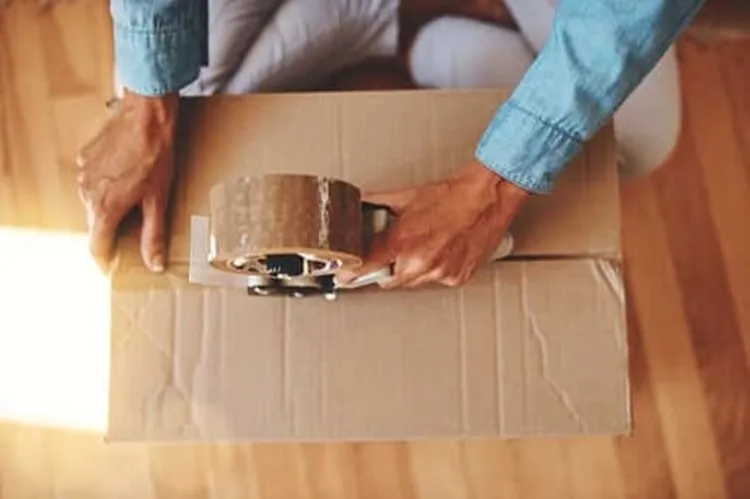
Strategically pack your belongings so that moving away from home is as easy as possible. Label each moving box by room and color-code boxes by priority.
Renting your first place
Finding and renting a place when you move away from home requires careful research to avoid scams and land in a place you love.
How to find and vet rentals
When searching for a rental, lean on your network first. Family, friends and acquaintances can point you toward legitimate options and help you avoid scams.
Sites like Craigslist and Facebook Marketplace can be useful for finding local rentals, but beware of scams; use caution and double-check the landlord’s contact information before reaching out.
Sites that are more likely to have legitimate, vetted rental listings include Zillow, Apartments.com or Rent.com. You can also find legitimate rentals through local property management companies; just Google rental companies in your target area. University or employer bulletin boards are also great places to find legitimate rentals.
Never send money or sign documents before seeing your potential rental property in person (or via a live video tour if an in-person visit isn’t possible). Do your research; search for the landlord’s contact info and property address to see if there are any red flags, like scam reports or health code violations. If nothing comes up when you search, that could signal that the rental isn’t legitimate.
If you meet the landlord in person, you can ask to see proof that the landlord owns or manages the property. Proof of ownership reassures that the landlord is, in fact, renting the property and not trying to scam you out of your money.
Once you find a potential rental, consider bringing an experienced friend or family member with you on the property tour. They may know what questions to ask and can help you suss out whether it’s a good rental.
Questions to ask before signing a lease
Never sign a lease you don't fully understand. Review it with your landlord and ask questions until you're confident about what you're agreeing to. Some questions to ask include:
- What's included in the rent?
- How much is the security deposit and what are the conditions for getting it back?
- What's the pet policy?
- Are property modifications allowed, like painting walls or swapping light fixtures?
- Who do I contact for maintenance issues?
- What are my maintenance responsibilities vs. yours?
- What’s the guest and subletting policy?
- Are utilities included?
- Is there a parking policy?
- What is the lease length and what are the renewal terms?
- Is there a required notice period to end the lease?
Move-in inspection and documentation
Inspecting the property when you move in and documenting the space’s condition protects you from being charged fees for preexisting damage.
Walk through the unit with your landlord before moving in. Document the condition of everything. Take extensive notes, photos and videos to show existing damage, such as chipped paint or faulty appliances.
Note any damages in writing and have the landlord sign off on it, then keep a copy somewhere safe until you move out. With the right documentation, you’re more likely to get your entire security deposit back upon move-out, unless there are significant damages on your part.
| Lease item | What it means | What to check |
|---|---|---|
| Rent | The amount of money you owe each month to lease the property | Amount, due date, accepted payment methods, how and when the landlord can raise the rent |
| Deposit | A one-time payment due at move-in to cover wear and damage to the property, which will be refunded at move-out, minus any legitimate fees | Amount, what the deposit covers |
| Fees | Separate charges beyond rent, including late payment fees, parking fees, pet fees or application fees | What fees exist and their amounts, whether fees are recurring or one-time |
| Utilities | Monthly fee for essential services including water, power, sewer and garbage collection | Who is responsible for paying for which service, how and where to pay bills, account setup requirements, estimated amounts |
| Term | The length of time you are legally allowed to live at the property | How long the lease term is, renewal options, penalties for ending the lease early |
| Repairs | Maintenance fees for property damage | Who is responsible for what, how to submit a maintenance request |
| Renewal | The option to re-up your lease when the term ends | How to renew your lease, whether it will renew automatically or default to a month-to-month arrangement |
| Subletting | Renting the property to someone else while your lease term is still active | Whether or not subletting is allowed, who’s liable if the tenant doesn’t pay rent |
Budgeting for living independently
First-time movers often underestimate the true cost of relocating. Waiting too long to start budgeting for the move or forgetting smaller expenses such as packing supplies, utility setup fees and renters insurance can quickly strain finances.
To get a sense of your budget, try a “practice budget” while still living at home. Simulate rent and living expenses, adding up your monthly costs in your new place. Budget for groceries, transportation, internet, streaming subscriptions, household supplies and renters insurance, too. This exercise will help you see if your current income covers your expenses.
How much to save
The average rent in the U.S. in 2026 is $2,000 per month, according to Zillow, though prices vary by location and home size. Security deposits for apartments cost $750 on average in 2024, and vary by landlord or property management company. The upfront costs of moving into a new place can reach thousands of dollars.
Renters typically need to budget for a security deposit and the first month’s rent, which can add up to several thousand dollars depending on the city. Moving expenses can also vary widely, from a few hundred dollars for a truck rental and a local move to several thousand dollars if you hire professional movers and move a long distance.
Costs people forget to plan for
After you’ve saved up for the initial major costs of moving, budget for secondary costs such as packing supplies, utility setup fees, renters insurance and furniture or household essentials. Budget for a buffer of 10 to 20% to ensure you’re covered if any unexpected fees arise, and build an emergency fund of three to six months' worth of expenses, if possible.
Renters insurance is one cost that often catches first-time movers off guard. For a monthly fee, renters insurance will cover your personal belongings in the event of a specified emergency, such as theft, fire or water damage. It also provides liability coverage if someone is injured in your home.
This extra fee is sometimes optional for renters, but many landlords require it. Check the lease before signing to see if renters insurance is necessary for you, but even if it isn’t, you may want to purchase it for your peace of mind.
Ways to cut monthly expenses
Moving out on your own for the first time can be expensive, especially if you’re used to low rent and no bills. If you’re feeling stressed after you create a practice budget, there’s hope.
Tracking your spending is one of the most effective ways to understand if living independently is financially sustainable. Each month, review your bank and credit card statements to see where you spend your money. Look at major cost categories such as housing, groceries, transportation, entertainment and subscriptions.
From there, you can identify areas to cut back. Are you frequently paying for takeout or unused subscriptions? Those are easy, small adjustments you can make to free up money for rent and essential bills once you move out of your parents’ house.
Another effective way to reduce the cost of living independently is by getting a roommate. Splitting rent and utilities with one or more people can significantly reduce your monthly housing costs. If you get a roommate (or multiple roommates), make sure everyone on the lease understands their financial responsibilities, and consider a separate roommate agreement outlining shared expenses and house rules.
The table below outlines common monthly expenses first-time renters should plan for.
| Expense category | Estimated monthly cost | How to reduce |
|---|---|---|
| Rent | $1,000 to $2,000+ depending on location | Split costs with roommates, choose smaller units, look outside city centers |
| Utilities | $100 to $400 | Split costs with roommates, reduce water consumption, use energy-efficient appliances, limit heating and AC use |
| Internet | $50 to $75 | Split costs with roommates, compare providers, negotiate rates |
| Groceries | $300 to $500 | Cook at home, shop sales, use coupons |
| Transportation | $25 to $1,000+ | Use public transit, bike or carpool to reduce fuel and parking costs |
| Renters insurance | $5 to $30 | Compare quotes from multiple providers |
| Subscriptions | $20 to $100 | Cancel unused services, rotate subscriptions |
| Savings | 15 to 20% of income | Automate transfers to savings |
FAQ
Is $10,000 enough to move away?
Whether $10,000 is enough to move away depends on the rental price of your new property. In many cities, $10,000 is sufficient to move away from home. It’s enough to cover initial moving costs for a single person. However, if you’re moving to a high-cost area or don’t have income yet, that $10,000 may run out quickly.
How can I make leaving home easier?
Building community by meeting your new neighbors, joining clubs and attending local events can make leaving home easier. Creating a cozy space and maintaining close connections with family can also help.
What should I know before moving out for the first time?
Before moving out on your own, you should learn how to budget for rent, utilities and everyday living expenses. You should also be able to perform basic daily household tasks such as cooking, laundry and cleaning.
What are the biggest mistakes first-time movers make?
One of the most common mistakes among first-time movers is underestimating the cost of living independently. Don’t forget to budget for expenses beyond rent, including utilities, groceries and renters insurance. Creating a realistic budget and an emergency fund can prevent financial stress.
How much money should you save before moving out?
Financial experts often recommend saving three to six months' worth of living expenses, including rent and utilities, before moving out. This should cover upfront costs, plus a buffer or emergency fund for any unexpected ones.
Article sources
ConsumerAffairs writers primarily rely on government data, industry experts and original research from other reputable publications to inform their work. Specific sources for this article include:
- U.S. Bureau of Labor Statistics, "Consumer Price Index." Accessed March 13, 2026.
- U.S. Census Bureau, "Rental Costs Up, Mortgages Stayed Flat." Accessed March 13, 2026.
- Zillow, "US rental market." Accessed March 13, 2026.
- Lemonade, "How Much Is Renters Insurance in 2026?" Accessed March 13, 2026.
- Move.org, "Utility Bills 101: Average Monthly Cost of Utilities by State and Nationally." Accessed March 13, 2026.
- Zaheer Law Group, "Tenants Guide to Understanding Lease Terms." Accessed March 13, 2026.
- Federal Trade Commission, "Rental Listing Scams." Accessed March 13, 2026.
- Instacart, "Average Grocery Cost per Month: The 2025 Breakdown." Accessed March 13, 2026.
- Bureau of Transportation Statistics, "Transportation Economic Trends: Transportation Spending - Average Household." Accessed March 13, 2026.