

Steps to pack bedding for moving
Follow these steps to pack for a move so your bedding is sorted and protected from moisture, dirt and damage.
1. Sort and wash bedding first
Before packing your bedding, decide what you’re taking with you and what you can donate or dispose of. Sort everything by type, then set aside items you don’t need to reduce volume. You can donate anything you won’t be taking with you.
Next, wash your bedding and make sure it’s completely dry before packing. Even small amounts of moisture can lead to mold growth, which can ruin sheets, comforters and pillows. If you don’t have a dryer large enough to accommodate blankets, consider taking everything to a laundromat instead.
Wash and dry comforters and bulky items a few days before your move so they have plenty of time to dry before packing. For sheets and pillowcases you’ll be using up until the move, you can wash them the morning of the relocation.
2. Fold and compress bulky items
Fold all of your items neatly and either stack them inside plastic bags or wrap them in moving paper.
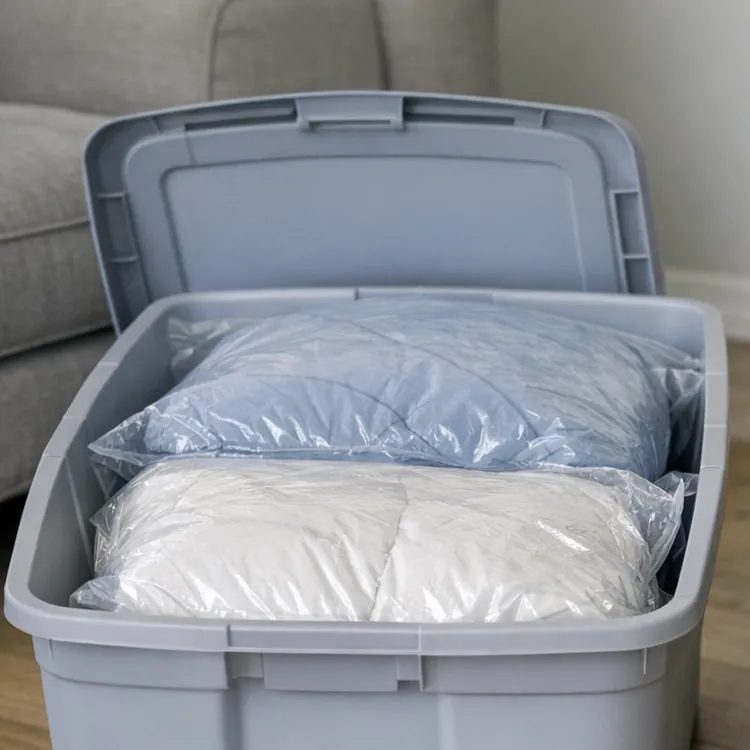
If you have several bulky bedding items, such as comforters and blankets, consider using vacuum-sealed storage bags to compress everything and save space. Vacuum-sealed bags also protect against moisture, dirt and pests. You may also consider using vacuum-sealed bags to compress pillows and save even more space.
3. Choose boxes, bags or bins
It’s a good idea to use a double layer of protection for bedding, so consider placing your packed bedding inside paper-lined cardboard boxes, plastic bags or plastic totes. This will make moving your bedding easier and will help keep your moving truck organized and neat. Plastic totes are ideal because they’re stackable and add more protection against water and moisture.
4. Label boxes and set aside essentials
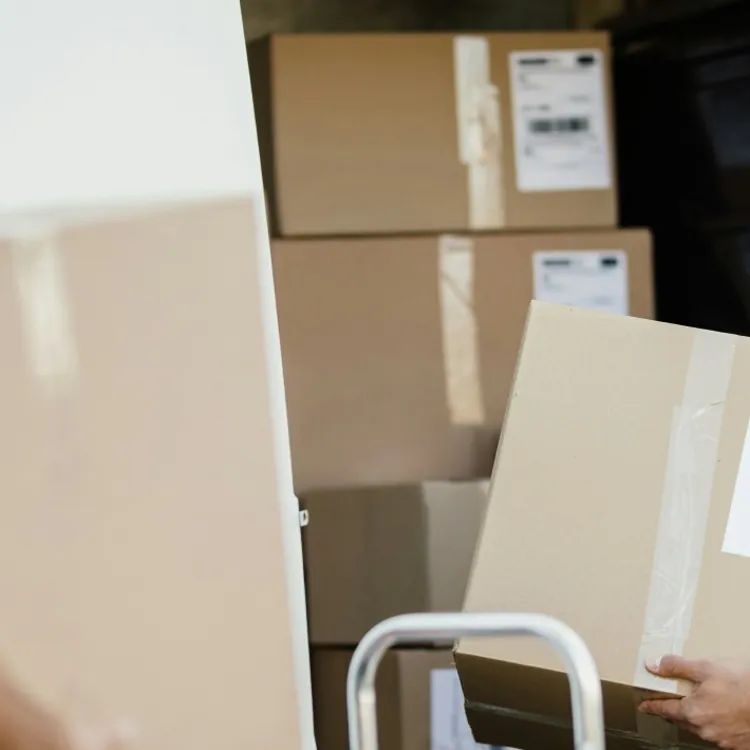
Label each box clearly on multiple sides to make unloading and unpacking easier. Since you’ll need bedding the first night in your new home, set aside a box of bedding you’ll use right away and label it as essential. This will allow you to unpack what you need quickly and get to the rest as time permits.
Packing supplies for bedding and linens
Packing for a move starts with preparation and making sure you have the proper supplies. Here’s everything you might need for your move, depending on the type and volume of bedding you have.
- Vacuum-sealed storage bags
- Unscented, heavy-duty trash bags
- Cardboard boxes
- Plastic bins
- Clean moving paper
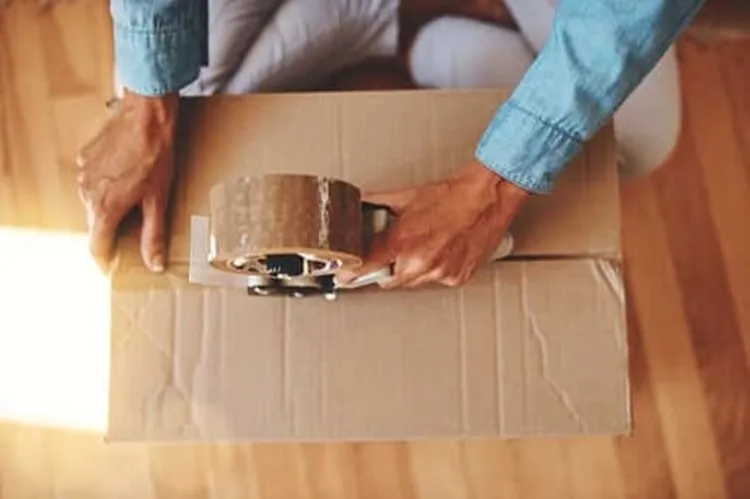
- Packing tape
- Markers
- Lavender sachets
Since bedding absorbs moisture, it’s important to protect the materials with plastic at some level. You can choose plastic bags or vacuum-sealed storage bags as a first layer of defense, or you can go with moving paper first and then place the wrapped bedding in plastic bags or plastic bins. Lavender sachets can be a great addition to keep bedding smelling fresh.
Vacuum-sealed bags are a better option for saving space, but they may be overkill if you don’t have much bedding. If that’s the case, consider using unscented plastic trash bags; you can place these inside cardboard boxes or plastic bins to stay organized.
As a final layer of defense, you can use cardboard boxes or plastic bins. Line cardboard with moving paper or plastic bags to avoid soiling the bedding. Finally, you’ll need packing tape to seal cardboard boxes, and you can use it to label reusable plastic bins.
How to protect bedding from dirt and moisture
Plastic bags are the best way to protect your bedding from dirt, but moving paper can also work if you’re diligent about wrapping and sealing everything with packing tape.
Moving paper is breathable and might be a better option if your bedding isn’t completely dry and you’re concerned about mold growth. But plastic also prevents moisture from getting into your bedding, so it’s a better option overall. The best way to prevent mold and mildew odors is to dry all of your bedding thoroughly before packing it in sealed plastic.
Consider going with vacuum-sealed plastic bags as a first layer of defense, then either plastic bins or cardboard boxes to keep things extra protected and organized. If there’s a chance of inclement weather on either side of the move, or if you’re moving from or to a humid climate, go with plastic bins instead of cardboard.
If you also need to pack a mattress for your move, you can seal it in a breathable mattress storage bag. Consider a second bag for added protection, especially if you expect rain or snow on your moving day.
First night bedding box essentials
Moving can be stressful and hectic, so try to stay organized throughout the process. You’ll need some bedding for your first night in your new home, so it’s wise to set aside a box of bedding essentials that you can find and unpack quickly.
Here’s a brief list of things you should include in the essentials box for each family member when packing for a move:
- Pillow
- Pillowcase
- Bottom sheet
- Top sheet
- Blanket or comforter
- Sleep accessories, such as knee pillows or sleep masks
You’ll also need other non-bedding essentials, so consider including the following in other boxes of essentials, and keep them all together for easy access.
- Towels
- Washcloths
- Change of clothes
- Basic toiletries
- Basic cooking supplies
- Paper towels
- Dish soap
- Dishes for the first few meals
- Coffee and coffee maker
- All-purpose cleaner
- Garbage bags
- Toilet paper
- Diapers
- Pet food
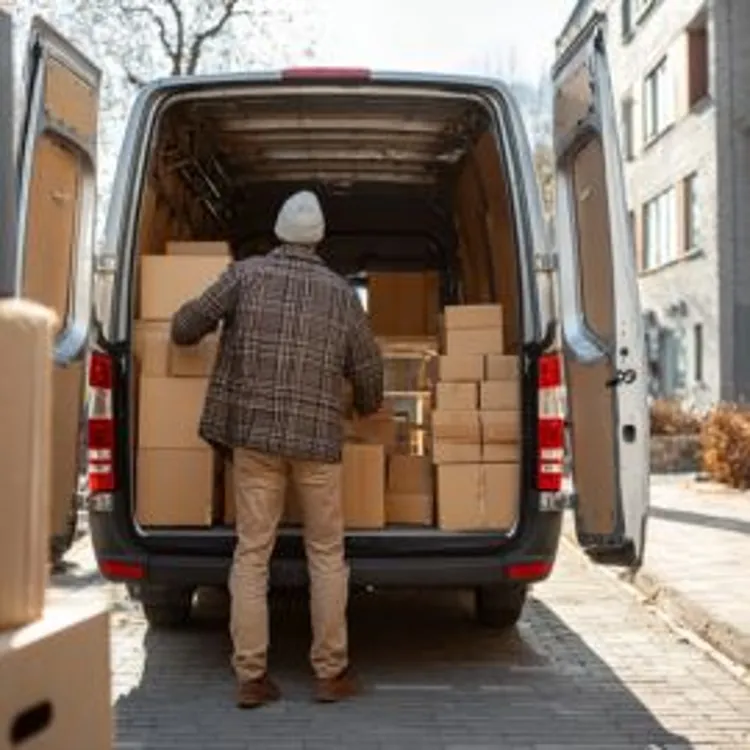
Label these boxes as essential and pack them toward the back of your moving truck or in your primary vehicle so you can locate and access them as soon as you arrive at your new home. This lets you prioritize what you’ll need for your first night and unpack the rest at your leisure.
If you hire movers rather than move yourself, consider labeling these boxes with a different color tape and telling the professionals that you’ll need this in your new home first.
» MORE: Best movers
FAQ
Is it better to put clothes in bags or boxes when moving?
It’s best to put clothes in some type of plastic to keep moisture, dirt and pests out. The best option is to seal clothes in plastic bags and then place those bags in cardboard boxes or plastic bins to stay organized.
What items will movers not pack?
Movers will pack most of what you have in your home, but they won’t pack hazardous materials and potentially illegal items, for example. This includes flammable items such as propane tanks and solvents, corrosive items such as car batteries and hazardous items such as firearms and fireworks.
What is the best way to pack comforters and duvets?
The best way to pack comforters and duvets is to wash them, dry them completely, fold them and seal them in vacuum-sealed plastic bags. These will protect the bedding from moisture, dirt and pests, and removing the air from your thicker bedding will help save space in your moving truck.
Should you use vacuum bags for all bedding items?
Vacuum bags are ideal for bulkier bedding items such as comforters, blankets, pillows and duvets, but they’re not necessary for sheets and pillowcases that fold flat. You can wrap these thinner items in moving paper or place them in plastic bags, then organize them in plastic-lined cardboard boxes or plastic bins.
How do you pack pillows to save space?
Vacuum-sealed plastic bags are ideal for packing pillows to save space, as they remove air and compress the material inside, making pillows flat and easily stackable. Since you’ll need pillows your first night in your new home, be sure to keep the vacuum-sealed bags in a clearly labeled “essentials” box that you can prioritize unpacking.
Article sources
ConsumerAffairs writers primarily rely on government data, industry experts and original research from other reputable publications to inform their work. Specific sources for this article include:
- Movers & Co., "How to Pack for a Move: The Complete Guide." Accessed Feb. 26, 2026.
- Moving.com, "What You Need to Pack in an Essentials Box." Accessed Feb. 26, 2026.
- Moving.tips, "How to pack bedding for moving." Accessed Feb. 26, 2026.