

1. Decide how to move it
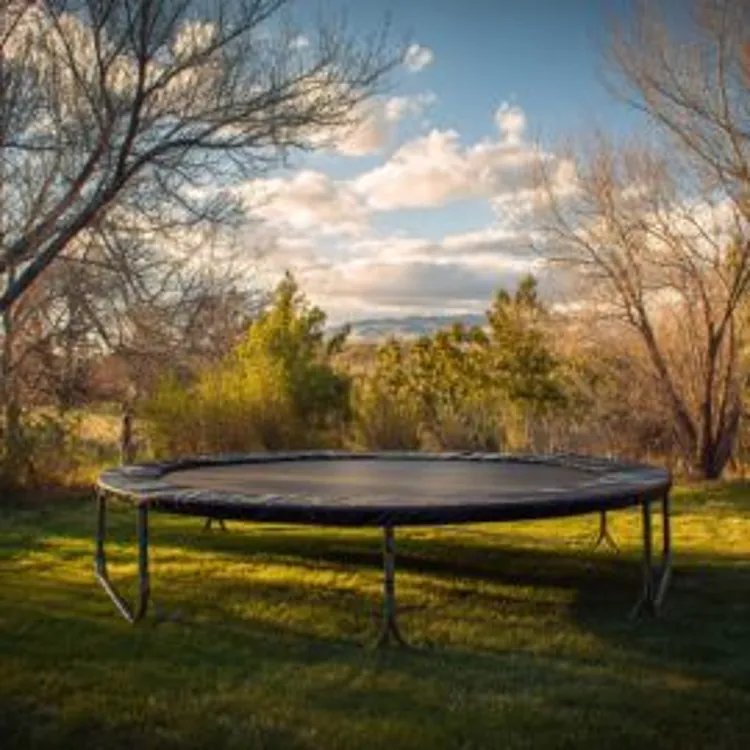
There are two main ways to move a trampoline — lifting or wheeling it while assembled, or disassembling it for transport. What you decide depends on how far you’re moving the trampoline and how big it is.
If you’re just moving it across your yard, you might be able to do it alone with the right equipment. But backyard trampolines typically weigh between 190 and 250 pounds, so it’s a good idea to start asking friends and family for help early on.
» RELATED: Top-rated moving companies
2. Clear your path and workspace
Regardless of which method you choose, clear your path of obstacles before starting. Move anything that could cause trips or damage the trampoline. Keep pets inside and, if possible, arrange for someone to watch small children so they don’t get underfoot.
Before moving, clear off any debris or standing water to reduce weight and keep dirt out of your moving truck. Use a hose to rinse the mat and frame, then gently scrub the padding with warm water and mild detergent using a soft brush. After that, spray it clean. Avoid hard detergents to prevent residue buildup, and let everything dry in the sun for a day or two before moving.
3. Move the trampoline
If you’re just moving the trampoline across your yard, you can either use a wheel kit or lift it with help.
You can drag the trampoline a short distance if you have to, but it’s risky. It can bend the legs or damage the frame — and it will be hard on your lawn, too. If you plan on moving the trampoline regularly to mow around it, consider getting a wheel kit instead.
Using a trampoline wheel kit
Sometimes called trampoline moving kits, these attach under the frame so you can slide the trampoline into a new position. Trampoline wheels cost around $100 per pair. Depending on the size of the trampoline and how even your yard is, you may be able to move it on your own.
Lifting the trampoline manually
Manual lifting works for short moves but requires multiple adults for safety. Most manufacturers recommend a minimum of two adults to move a full-size trampoline safely and warn against trying to do it alone.
For larger trampolines or on uneven ground, plan on having three or more adults to keep the frame balanced and prevent bending.
Disassembling the trampoline for a longer move
If you’re moving the trampoline to a new house, you’ll need to disassemble it first. Remove the safety net, then the padding and springs.
Before taking your trampoline apart, take photos from multiple angles to document the setup. These reference images help during reassembly.
Number each frame piece and leg with painter’s tape and a permanent marker. Match pieces with corresponding spring locations using a simple numbering system. Group springs into labeled bags based on frame sections (springs from frame Piece 1 go into Bag 1).
After packing the mat and springs, carefully separate the frame parts. Use a rubber mallet if needed for stubborn joints. Store hardware in clearly labeled bags for easy reassembly.
Once disassembled, wrap each section in moving blankets or bubble wrap to prevent scratches or dents. Match the trailer or truck size to the trampoline and remove any nets or poles before loading. Use ratchet straps and padding to keep everything stable and prevent shifting or damage during transport.
Should you hire movers?
Professional movers can handle all preparatory work, including disassembly and packing. Prices depend on the trampoline's size, model and the destination.
Professional services cost $500 to $2,000, depending on the size of the trampoline and how difficult it is to disassemble. The cost may be worthwhile if you lack the time or ability to handle the move yourself.
Professional services provide proper equipment, insurance coverage and experience moving bulky objects. They can handle the heavy lifting for you, reducing your risk of injury or property damage.
FAQ
What's the easiest way to move a trampoline?
Trampoline wheels offer the easiest method for short distances since you can roll the trampoline to your desired location, provided the ground is relatively flat. For long distances, disassembling the trampoline will make it much easier to move.
How much does a 14-foot trampoline weigh?
Looking across manufacturer specifications of well-known brands like Propel and Zupapa, 14-foot trampolines — one of the most common backyard sizes — typically weigh between 190 and 250 pounds. The actual frame weight varies by manufacturer and the size of your model.
If you’re unsure about your trampoline’s weight, contact the manufacturer. It should be able to provide you with product specifications.
How many people are needed to move a trampoline?
Manual lifting requires two adults at a bare minimum, but it’s common to need three or more, depending on the size and weight of your trampoline. The more people you have who can help, the less likely you are to accidentally bend the frame during the move.
Can you move a trampoline by yourself?
Not usually. You can move a trampoline by yourself if you have a wheel kit and only need to move it a short distance across flat, even ground. For longer distances, you’ll need help or will have to disassemble it first.
Is moving a trampoline worth it?
The effort and expense involved might not justify moving your trampoline. You’ll want to weigh the trampoline’s condition, age and overall value against the time and cost of moving it before making a decision.
You’ll also want to make sure your new home can accommodate a full-sized trampoline before packing it up. A 14-foot model requires approximately 27 feet of free garden space, with a buffer of two meters around the edge. You’ll also need to check local regulations, such as homeowner association rules, to see if a trampoline is allowed at your new house.
Finally, consider the trampoline's remaining lifespan and whether your family will continue using it. If your kids have outgrown it, selling it online before the move might make more sense.
Article sources
ConsumerAffairs writers primarily rely on government data, industry experts and original research from other reputable publications to inform their work. Specific sources for this article include:
- Springfree Trampoline, “How to Move a Trampoline Easily and Safely (Expert Tips).” Accessed Oct. 15, 2025.