

Key insights
Single window replacements average $700 to $1,200 installed, while whole-home projects for 10 to 15 windows typically cost $7,000 to $18,000 based on home size and scope.
Jump to insightSingle-hung, double-hung and sliding windows ($150 to $1,000 each) offer the most affordable options, while specialty styles like bay and bow windows ($800 to $3,000 a piece) significantly increase project costs.
Jump to insightVinyl frames ($200 to $600 each) provide the best value for most homeowners, while wood ($300 to $1,000 each) and fiberglass ($500 to $1,500 each) offer premium performance at higher price points.
Jump to insightWindow replacement cost averages in 2026
Including materials and labor, the national average cost for a single window is between $700 and $1,200. That said, costs vary significantly depending on a window’s style, size, frame material and local installation costs.
Full-home window replacement cost
A full-home window replacement typically costs between $3,500 and $25,000 or more, with most projects landing between $7,000 and $18,000.
In general, smaller projects have higher per-window prices due to labor minimums and fixed costs, like travel and setup. As the number of windows increases, per-window costs often decrease due to increased labor efficiency and bulk material pricing. Plus, some window companies offer deals like “buy 2 windows, get 2 free,” which can further reduce per-window costs for larger projects.
That said, very large homes often have more complex or specialty window types, as well as upper-story installations, which can add to per-window installation costs.
| Project scope | Typical total cost (with installation) |
|---|---|
| Single window | $700 to $1,200 |
| Small home (5 to 8 windows) | $3,500 to $9,600 |
| Medium home (10 to 15 windows) | $7,000 to $18,000 |
| Large home (20 to 25+ windows) | $15,000 to $25,000+ |
Regional pricing differences
Contractor overhead and labor rates tend to be higher in high-cost-of-living areas, making window installations more expensive in certain locations. Prices are also higher in coastal areas, where homes often must meet stricter building codes designed to withstand extreme weather conditions like hurricanes and high winds. As a result, homeowners may need higher-cost upgrades like impact-resistant glass and reinforced frames.
Window replacement cost by window type
The type of window you choose has a major impact on cost. Basic single- or double-hung windows usually cost a few hundred dollars, while large, custom styles like bay and bow windows can cost thousands.
Window type cost comparison
The window style you choose depends on your budget and needs for the space. Compare the most common window types and their prices:
| Window type | Typical cost before installation | Best for | Features |
|---|---|---|---|
| Single-hung | $150 to $400 | Budget-friendly replacements and simple upgrades | Only the bottom sash opens, less ventilation, more affordable |
| Double-hung | $300 to $850 | Most standard projects | Both sashes open, more ventilation, easy cleaning |
| Sliding | $350 to $1,000 | Wide window openings, rooms with low ceilings | Opens horizontally, maximizes natural lighting |
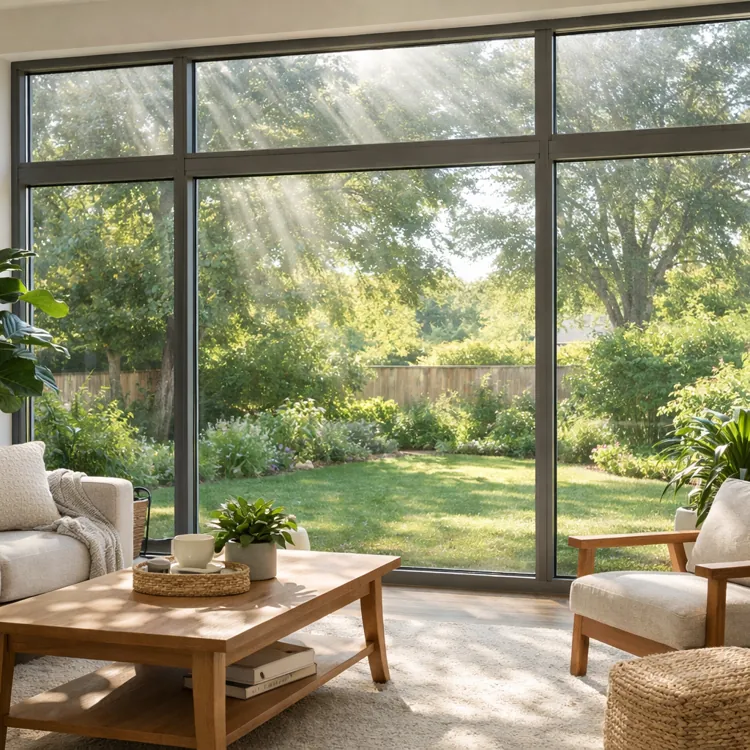
| Picture | $400 to $1,200 | Living areas or rooms with scenic views | Doesn't open, maximizes view, limited ventilation |
| Casement | $300 to $1,000 | Kitchens and bathrooms that need more ventilation | Opens outward, good for natural ventilation, energy efficient |
| Bay | $800 to $2,400+ | Window seats, adding space | Extends outward, maximizes natural lighting |
| Bow | $1,500 to $3,000+ | Creating a visual focal point, adding space | Multiple panels extending outward, most complex to install |
Specialty window costs
Specialty windows, like bay and bow windows, can cost significantly more than standard styles. That’s because they are made up of several panels and require more complex installation. That drives up labor costs, as these windows extend outward from your home’s exterior walls and may need additional structural support and precise alignment.
Large or custom-sized picture windows also come at a premium, since they’re made of a single fixed pane of glass. However, their installation is not as complex as bay and bow windows because they don’t usually involve structural changes.
Which window type offers the best value?
Double-hung windows are a popular value choice, as they balance cost and durability. They come in standard sizing, making installation easier and keeping prices down. While double-hung windows don’t have the premium aesthetics of materials like wood, they are still compatible with most homes and are visually neutral, offering a practical choice for many properties.
Window replacement cost by frame material
There are several window frame materials available, with vinyl generally the cheapest and most common option. Premium materials like wood and fiberglass can offer better aesthetics and longevity at a higher price point.
Window frame material cost comparison
Compare the most common window frame materials to see which best fits your needs:
| Frame material | Cost per window* | Pros | Cons | Best for |
|---|---|---|---|---|
| Vinyl | $200 to $600 | Durable, budget-friendly, low-maintenance | Fewer color options, not as long-lasting as wood or fiberglass | Most standard window projects |
| Wood | $300 to $1,000 | Classic look, energy efficient, custom finishes | High-maintenance, more expensive, vulnerable to rot | Historic homes, premium aesthetics |
| Fiberglass | $500 to $1,500 | Highly durable, energy efficient, weather-resistant | More expensive, fewer style options than wood | Long-term performance, energy efficiency |
| Aluminum | $400 to $1,200 | Lightweight, modern look | Poor insulation | Modern homes, large windows |
| Composite | $400 to $1,200 | Durable, low-maintenance, energy efficient | More expensive | Long-term performance, energy efficiency |
Which window frame material offers the best value?
Vinyl is the most popular window frame material because it’s durable, cost-effective and generally energy efficient. Some higher-end frame materials, like fiberglass and wood, offer even better longevity and energy efficiency. These have higher upfront costs but can also help you save more on energy bills in the long run.
Window installation costs and labor factors
Labor costs make up a significant portion of your overall window installation cost and can vary depending on the scope and complexity of the project. An experienced window installer should be able to give you a detailed cost estimate outlining what you’re paying for before the work begins.
Average window installation labor costs
Installation typically makes up between one-third and one-half of the total cost of a window project. This generally includes removing your old window, installing and sealing the new unit, and basic cleanup and disposal.
Retrofit vs. full-frame installation: cost differences
There are two common window replacement methods: full-frame and retrofit installations.
Full-frame installation
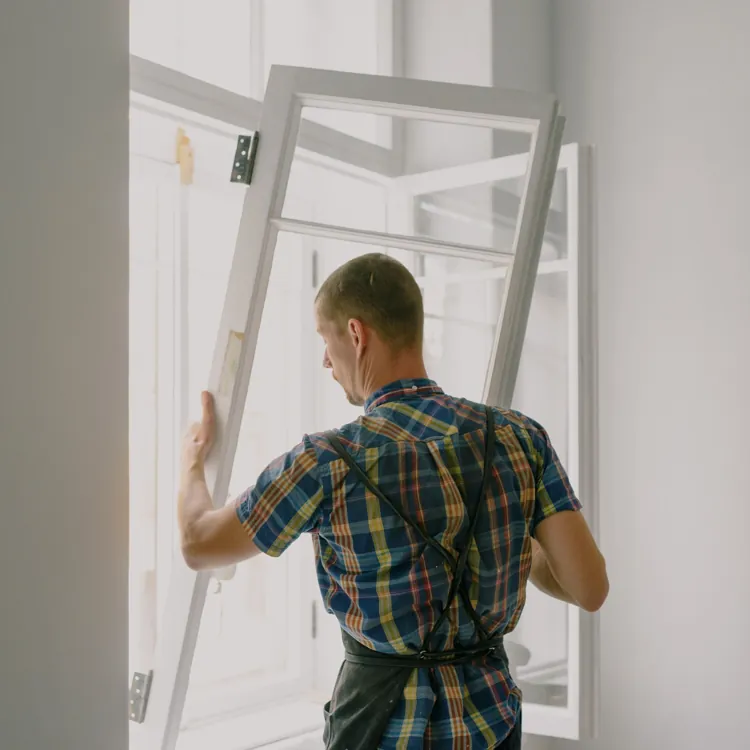
Full-frame installations involve replacing the entire window, including the frame, casing and sashes. This type of replacement offers the highest performance but is the most expensive and intrusive type of window installation. Homeowners may choose this option to replace damaged framing, fix insulation or sealing issues, or change the window size or style.
Retrofit installation
On the other hand, retrofit installations involve replacing only a window’s sash and glass. Homeowners may choose this option if they need to replace the glass or improve insulation, but the existing frame and exterior finishes are still intact and structurally sound. It’s more budget-friendly because it requires less labor and materials.
What factors can increase installation costs?
There are several factors that can drive up installation costs:
- Time of year: Spring and summer are typically the busiest times for window installations, driving prices up during high-demand seasons.
- Accessibility issues: Installing windows on upper floors or with tight or obstructed exterior access makes the project more complex.
- Hidden damage and repairs: Professionals may need to fix problems like rot, water damage or structural issues before completing the installation.
- Permitting and code requirements: Many local governments require window project permits to ensure your property is up to safety, energy efficiency and structural standards. This usually applies to full-frame replacements, resizing or adding new windows.
- Project finishing: Additional work like trim replacement, insulation upgrades, painting and sealing can add to your overall cost.
FAQ
What is the average price to have a window replaced?
The average price for a window replacement, including installation, is between $700 and $1,200.
Is it worth replacing 20-year-old windows?
Yes, it is often worth replacing 20-year-old windows. New windows reduce drafts and improve your home’s energy efficiency and curb appeal.
What time of year are windows the cheapest?
Winter can be the cheapest time of year to replace windows. Contractors tend to be less busy during the colder months and may be more willing to offer deals or negotiate prices.
How much does it cost to replace 10 windows?
Including installation, replacing 10 windows typically costs between $7,000 and $12,000.
Are vinyl windows good quality for replacement projects?
Vinyl is a long-lasting, durable material that comes at a lower cost than some other materials, like fiberglass.
Article sources
ConsumerAffairs writers primarily rely on government data, industry experts and original research from other reputable publications to inform their work. Specific sources for this article include:
- Town of Southern Shores, "Coastal Building Successes and Failures." Accessed May 4, 2026.
- Pacific Northwest National Laboratory, "Complete Window and Frame Replacement." Accessed May 4, 2026.
- Portland Permitting & Development, "Adding Windows or Replacing Windows." Accessed May 4, 2026.