
Key insights
Most insurance plans, including Medicare, do not cover stair lifts because they are considered “home modifications.”
Jump to insightMedicaid may offer coverage through specific waivers, but this varies by state.
Jump to insightMany dealers offer financing plans, which spread out the cost over smaller monthly payments rather than one large expense. Renting a stair lift is another option.
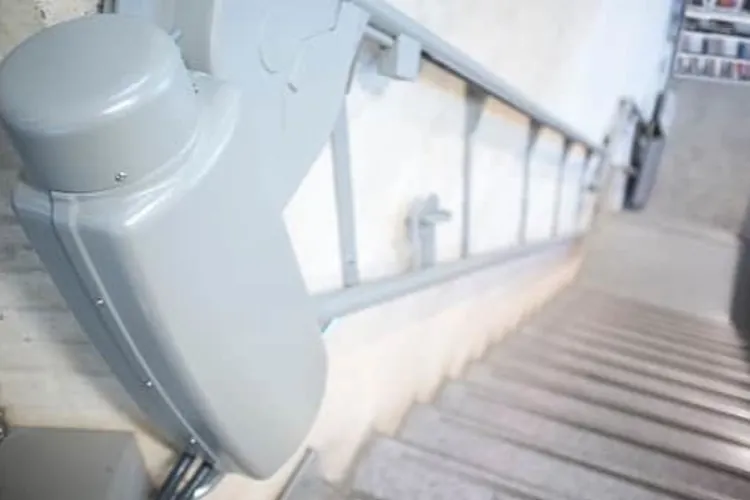
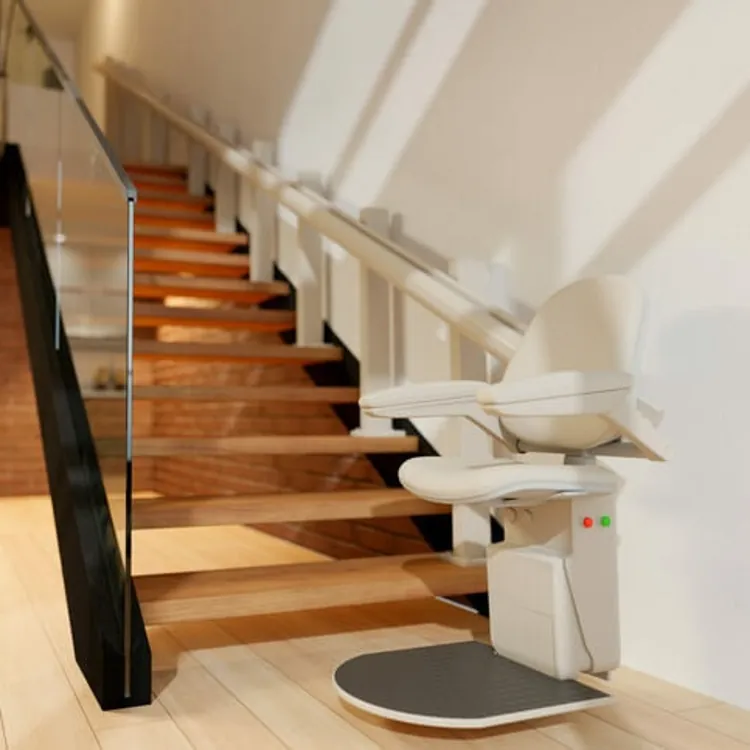
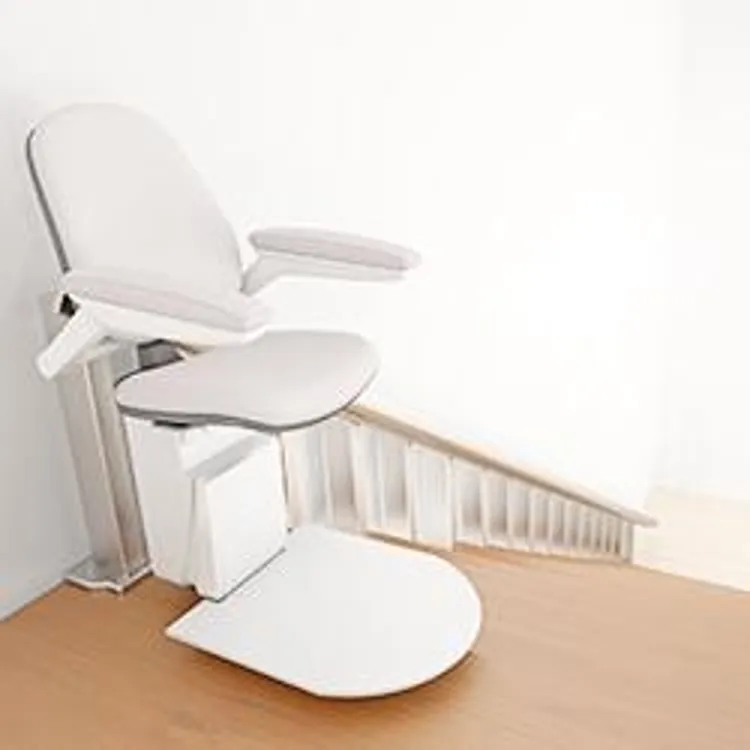
Jump to insightStair lifts allow you to safely move between floors while maintaining your independence and reducing physical assistance from caregivers.
Jump to insightInsurance coverage for stair lifts
“Many people believe that stair lifts qualify as durable medical equipment (DME) under standard Medicare Part B or private health plans,” Celina Hawthorne, an occupational therapist and owner of Grace in Motion Rehab in Texas, explained. But stair lifts are classified as home modifications, not DME.
Stair lifts typically cost between $2,000 and $15,000.
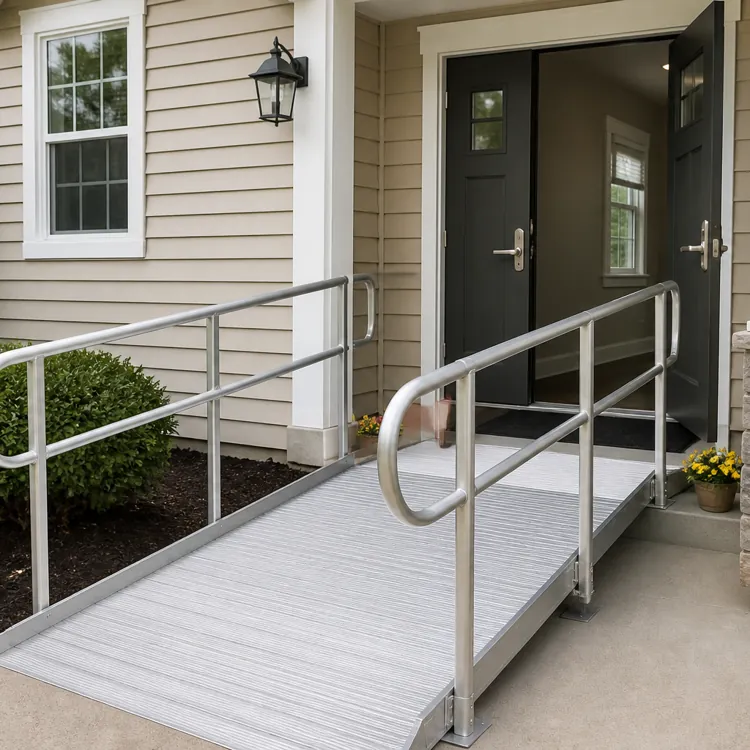
This is due to insurance policies only covering medical equipment that directly treats or prevents disease, injury or a decline in your ability to live independently in your home. “Because stair lifts attach to the home’s structural components, insurers categorize stair lifts — alongside ramps, widened doorways and bathroom grab bars — as home modifications designed mainly for accessibility and convenience,” Hawthorne said.
Why aren’t stair lifts covered by Medicare?
Stair lifts are deemed to be a permanent alteration to your home rather than removable medical equipment. Unlike stair lifts, other types of mobility aids, including canes, walkers and wheelchairs, are considered DME and may be covered by Medicare.
» RELATED: Will Medicare pay for nursing homes?
Insurance options that might cover stair lifts
Stair lifts are considered home modifications, not medical equipment. However, some options may be available.
Medicare Advantage
Some Medicare Advantage Plans offer supplemental insurance for home modifications when they’re medically necessary to keep your independence and prevent falls.
Hawthorne said some people have reported certain Medicare Advantage plans that include home modification benefits that potentially cover stair lifts if they’re medically necessary. Some examples include:
- AARP Medicare Advantage by UnitedHealthcare
- UnitedHealthcare Medicare Advantage
- Humana Medicare Advantage
- Aetna Medicare Advantage
- Cigna Medicare Advantage
- Blue Cross Blue Shield Medicare Advantage
- Kaiser Permanente Medicare Advantage
These plans vary by the type of insurer and the area you live in, so it’s important to check your individual plan or speak with member services by calling the number on the back of your insurance card. Ask if the Medicare Advantage plan includes stair lift coverage and what your out-of-pocket costs might be.
Pro tip
Hawthorne cautions that benefits can vary widely, even among plans from the same insurer. Review your coverage, confirm if stair lifts are included and what steps you need for a prior authorization.
» RELATED: Medicare supplemental insurance
Medicaid for stair lifts
Medicaid might help pay for a stair lift, but coverage rules vary by state. Many Medicaid programs offer HCBS waivers that fund home modifications — stair lifts included — if you’re eligible.
You’ll want to check with your state’s Medicaid agency to apply for benefits. Eligibility also depends on your age, income level, how many people live in your home and if you have any health conditions that are deemed a disability.
» MORE: Medicare vs. Medicaid
Getting a stair lift covered by insurance
Understanding how insurance companies use billing codes can help clarify why stair lifts are often excluded from coverage.
Most private insurance plans and Medicare use a coding system called HCPCS (Healthcare Common Procedure Coding System) to determine coverage. According to Hawthorne, DME falls under HCPCS Level II. But stair lifts don’t have a DME code because they’re classified as home modifications.
Medicare Advantage plans are also provided by private insurers but differ from traditional private plans outside the Medicare system.
You may have heard of CPT (Current Procedural Terminology) codes that medical billers use for health care services. HCPCS codes, on the other hand, are standard codes that insurers need to bill for non-physician services, supplies and equipment.
“In practice, suppliers and health care providers seeking prior authorization or exceptions for a stair lift will typically bill under the general home-modification code S5165 — called ‘Home modifications; per service’ — to flag the request as a structural alteration,” Hawthorne explained.
Medical necessity means that a health care provider has determined that a device or service is necessary for a person’s health condition. Your health care provider and the stair lift supplier work together to make sure the right HCPCS codes are used when trying to get a stair lift covered.
Medical diagnoses that may support insurance coverage
Some health conditions can make climbing stairs unsafe or even impossible, Sokolsky explained. This includes:
- Parkinson’s disease
- Stroke
- Advanced arthritis
- Recovery after surgery, particularly hip or knee replacements
Having one of these medical diagnoses can often involve limited mobility, fatigue or balance issues, all of which can increase the risk of falling. If you have one of these diagnoses, your health care provider might be able to provide documentation that supports insurance coverage for a stair lift.
Required documentation
Insurance companies often require an order written by a health care provider, along with a letter of medical necessity, that an occupational therapist (OT) like Hawthorne can help write. “Usually this comes in the form of an occupational therapy evaluation,” she added.
This letter provides details of any functional limitations, which are difficulties with your hearing, vision, mobility or self-care abilities. It also will include any fall risks and how a stair lift can help address these concerns. Hawthorne said it’s also important to provide documentation of a home modification plan, including floor plans and estimated costs, to help support the need for a stair lift.
Some OTs are Certified Aging-In-Place Specialists (CAPS) who have received training from the National Association of Home Builders to help older adults with home modifications. CAPS professionals partner with contractors to ensure stair lift installation plans meet both medical needs and building codes.
Financial assistance for stair lifts
Hawthorne said there are several financial funding sources you can look for to make a stair lift more affordable, including:
- Veterans Affairs (VA) housing grants: Qualifying veterans and their families may apply for the Specially Adapted Housing (SAH) or Home Improvements and Structural Alterations (HISA) grants through the VA, which can cover stair-lift installation.
- Nonprofit and community organization grants: Local Aging and Disability Resource Centers, faith-based groups, and disability-focused nonprofits might provide one-time grant programs or low-interest loan funds for home accessibility projects.
- Local and state grant programs: Some municipalities or state housing agencies provide home-improvement grants for older adults and disabled people. Check with your city’s housing department or state health agency.
» RELATED: Best and worst cities for retirement
Alternative options
Sokolsky added that there are other options to help you remain in your home besides grants and funding for a stair lift, such as:
- Rent a stair lift: Some companies offer rental options as a temporary solution. This might make more sense if your mobility concern is short-term, like recovering from surgery. Rentals often come with maintenance and installation services included.
- Buy a used or refurbished stair lift: These are often available at a lower cost.
- Modify your home layout: You might consider relocating your bedroom and bathroom to the main floor of your home so you don’t have to use the stairs.
- Hiring an in-home aide or caregiver: This can be a safe and personalized option to help you maintain your independence without a major home alteration.
» MORE: Stair lift financing options
FAQ
Is a stair lift considered durable medical equipment?
No, a stair lift isn’t considered durable medical equipment. Instead, it’s considered a home modification. Medicare and many private insurance companies won’t cover stair lifts.
What is the general cost of a stair lift?
Expect stair lift costs to be between $2,000 and $15,000. It may be cheaper to rent a stair lift or buy a used or refurbished one.
» COMPARE: Top stair lift companies
How can I find out if my insurance covers stair lifts?
Call the member services phone number on the back of your insurance card to find out if your insurance covers stair lifts. Ask about stair lift coverage, what documentation you need to provide and what your out-of-pocket costs could be.
What are the alternatives if insurance does not cover stair lifts?
If you want to remain in your home, but your insurance doesn’t cover a stair lift, you might consider looking for other sources of funding through the VA or a nonprofit. You can also rent or purchase a used or refurbished stair lift at a lower cost. Some people choose to move their bedroom and bathroom down to the main level, so you don’t have to use the stairs.
Article sources
ConsumerAffairs writers primarily rely on government data, industry experts and original research from reputable publications to inform their work. Specific sources for this article include:
- Medicare.gov, “Durable medical equipment (DME) coverage.” Accessed May 27, 2025.
- CMS.gov, “Healthcare Common Procedure Coding System (HCPCS).” Accessed May 27, 2025.
- AAPC, “HCPCS Code for Home modifications; per service S5165.” Accessed May 27, 2025.
- American Medical Association, “Definitions of ‘Screening’ and ‘Medical Necessity’ H-320.953.” Accessed May 27, 2025.
- Illinois Department of Healthcare and Family Services, “Home and Community Based Services Waiver Programs.” Accessed May 27, 2025.
- U.S. General Services Administration, “How to apply for Medicaid and CHIP.” Accessed May 27, 2025.
- U.S. Department of Veterans Affairs, “Disability housing grants for Veterans.” Accessed May 27, 2025.
- U.S. Department of Veterans Affairs, “Home Improvements/Structural Alterations (HISA).” Accessed May 27, 2025.
- Administration for Community Living, “Administration for Community Living Aging and Disability Resource Centers.” Accessed May 27, 2025.
- Centers for Disease Control and Prevention, “Functional Limitation.” Accessed May 27, 2025.
- National Association of Home Builders, “Certified Aging-in-Place Specialist (CAPS).” Accessed May 27, 2025.