
Home warranty pest control services
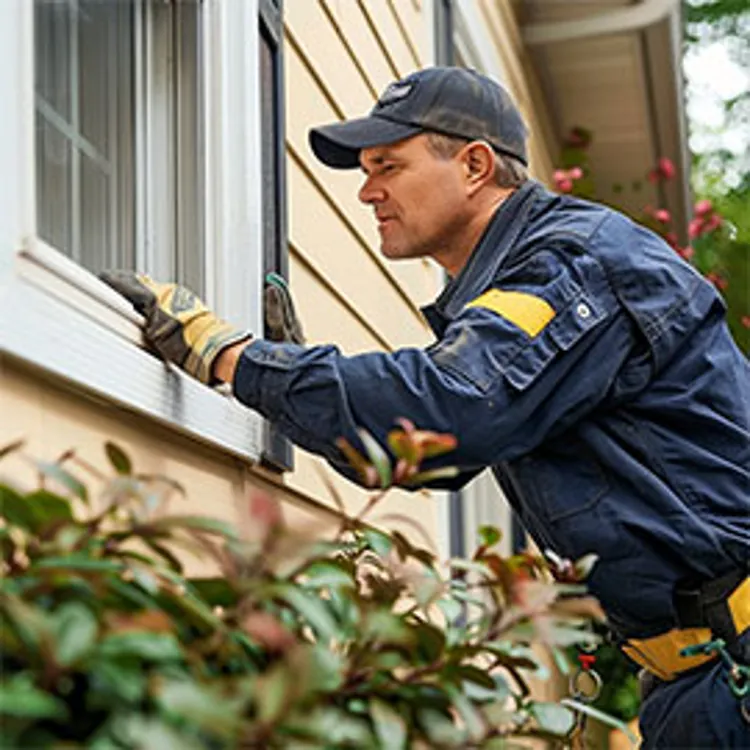
A few home warranty companies do cover pest control, typically as an add-on to a base package or part of an upgraded package. It’s important to note that the coverage is typically just for pest treatment, not the damage caused by pests (e.g., wood damage from gnawing rodents or termites). Since your home insurance isn’t likely to cover pest damage, either, you may be on your own when it comes to repair costs.
The good news is you can fend off any damage by getting a home warranty package to knock out an infestation before it causes problems. Pests covered in some home warranty packages include:
- Termites
- Roaches
- Ants
- Rats
- Mice
- Crickets
- Silverfish
- Pill bugs and sow bugs
- Clover mites
- Scorpions
- Earwigs
- Millipedes and centipedes
- Black widow spiders
- Brown recluse spiders
- Ground beetles
Home warranty plans can differ in their pest control coverage based on your state or region. Certain pests are more common in specific climates and areas, so some providers tailor their coverage accordingly.
For example, homeowners in the South or Southeast may have more problems with termites or carpenter ants, but many standard home warranty plans specifically exclude termite treatment due to the high frequency and cost of infestations in those areas. In the Southwest, scorpion infestations can be an issue. Rodent infestations may be more common in older homes in the Northeast, while bedbugs can be a problem in urban areas.
Coverage for these pests can vary widely or be excluded altogether. If you live in an area known for a certain pest, read your policy details carefully and ask your provider about any regional limits or special add-ons for pest control services.
What does a home warranty typically cover?
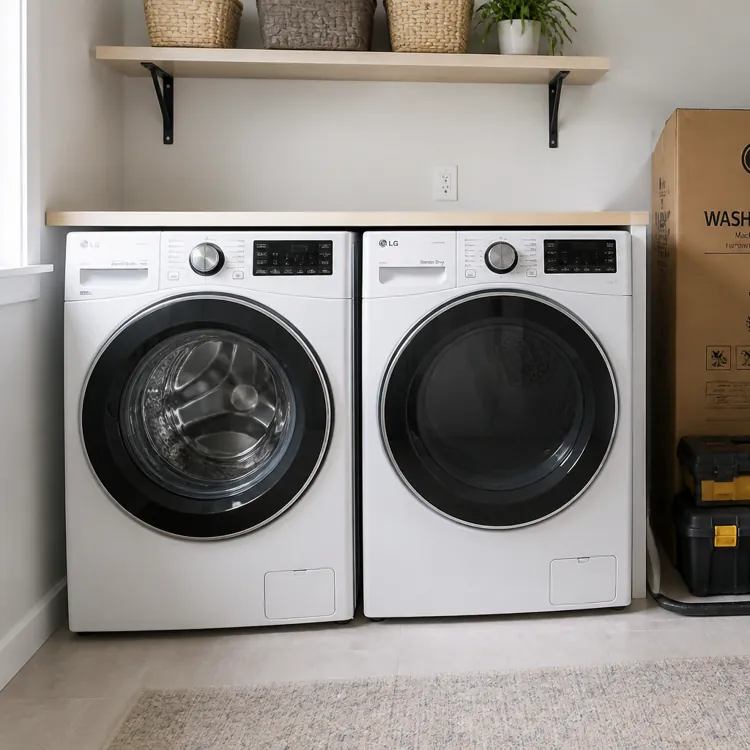
Home warranties usually cover large appliances, built-in microwaves, water heaters and systems like HVACs, plumbing, ductwork, pool heaters and well pumps. Some plans also cover additional items like pest control, septic systems, central vacuums, sump pumps and more.
Pest control warranty coverage exclusions
Not all home warranties are created equal, and some have strict limitations to their coverage. Here are some problems you may run into with pest control coverage:
- Pest control is covered, but just for your home. Decks, fences and outside structures may not be covered.
- The home warranty may only cover pest control up to a certain dollar amount. Coverage caps are common in home warranty contracts.
- Some policies do not cover termites.
- Policies may not cover pests that are more common in your area. For example, some policies cover sugar ants but not carpenter ants.
Home warranty claim process for pest control treatment
If your home warranty covers pest control, it’s important to know how to file a claim to get treatment quickly. While processes can vary by company, most follow a similar structure. Here’s what you can expect:
- Review your policy: Before filing a claim, check your home warranty contract to confirm that the pest you are dealing with is covered and that you understand any limitations or exclusions.
- Contact your home warranty provider: Call or log in to your provider’s portal to report the issue. Provide details such as the type of pest, how long you’ve noticed the problem and any visible damage.
- Schedule an inspection or service: The company will typically assign a licensed pest control contractor to inspect your home and assess the situation.
- Pay any service fee: Most home warranty companies require a service fee or deductible, which you’ll need to pay before treatment begins.
- Treatment and follow-up: The pest control contractor will treat the infestation and may schedule a follow-up visit if needed. Keep records of all services performed.
- Check coverage limits: After treatment, review your policy to ensure the service did not exceed any coverage caps. If costs are higher than your limit, you’ll be responsible for the difference.
What to do if your home warranty doesn’t cover pest control
If you look at your home warranty contract and see that it doesn’t cover pest control, you may want to call the company to see if you can add it to your policy. Switching companies is always an option if the company doesn’t offer pest control, especially if your contract is almost up.
Another option is to work with an extermination company in your area. These contracts often cover prevention and damage coverage.
Choosing a home warranty for pest control coverage
When selecting a home warranty plan that includes pest control, it’s important to consider more than just the price. Look for a plan that fits your needs and offers reliable coverage. Here are some key factors to consider:
- Pests covered: Make sure the plan includes the pests that are most common in your area, such as termites, rodents or scorpions.
- Treatment vs. damage coverage: Most plans only cover treatment, not repair costs for damage. Understand what you’re getting before you sign up.
- Regional limitations: Check if certain pests are excluded based on where you live.
- Cost and service fees: Compare monthly premiums and service fees to find a balance between affordability and comprehensive coverage.
- Provider reputation: Research customer reviews and ratings to ensure the company is reliable and responsive.
- Exclusions and caps: Look closely at what is not covered and any maximum payout limits for pest control.
Taking the time to review these factors can help you choose a home warranty plan that will truly protect your home and save you money in the long run.
FAQ
Is a home warranty for pest coverage worth it?
Pest control services can cost hundreds to thousands of dollars. Typically, home warranty plans cost $450 to $1,400, but these warranties also cover the repair and replacement of many appliances and systems around your home. Ultimately, you could end up saving a substantial amount of money with a home warranty plan.
Does a home warranty cover termite damage?
Most home warranty plans do not cover termite damage, though some do cover termite prevention.
What is the difference between preventative pest control and treatment for active infestations?
When thinking about pest control coverage, it's important to know the difference between preventative pest control and treatment for an active infestation. Most home warranty plans do not cover routine or preventative pest control services, such as regular spraying or inspections.
If pest control coverage is offered, it usually applies only to treatment for an existing infestation — meaning the warranty may help with the costs of handling a sudden outbreak of pests inside your home. Preventative pest management is generally the homeowner's responsibility.
- Preventative pest control: Usually not covered by home warranties. Homeowners arrange and pay for these services separately.
- Treatment for active infestation: May be covered by select home warranty plans, but coverage varies widely. Always review your specific policy for details.
Why is pest control coverage important?
Pests are annoying, but they can also cause serious damage to your home. Termites can destroy wood, and mice and rats have a habit of chewing on electrical wires, potentially causing shorts and electrical fires. Carpenter ants make tunnels in foundations and support beams, weakening the structure of your home.
Another reason to keep up with pest control: The feces from pests can seriously affect the air quality in your home. Insects and vermin can also spread germs and diseases.
Bottom line
Pest control coverage can save you a lot of money in home repairs as a preventive measure. While pest control isn’t a common feature for home warranty plans, some companies do offer it. Be sure to ask about pest control coverage and what exactly the company offers before signing up.
Article sources
ConsumerAffairs writers primarily rely on government data, industry experts and original research from other reputable publications to inform their work. Specific sources for this article include:
- United States Environmental Protection Agency, “Sources of Indoor Particulate Matter (PM).” Accessed Sept. 23, 2025.
- Liberty Home Guard, “Pest Control Home Warranty Coverage.” Accessed Sept. 23, 2025.
- The Home Service Club, “Pest Control Warranty.” Accessed Sept. 23, 2025.