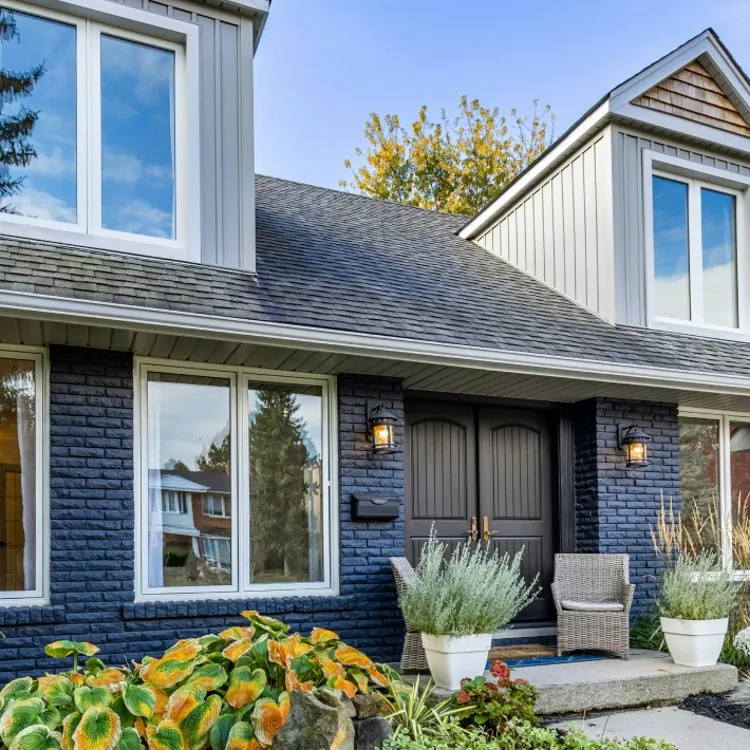



How a 7/1 ARM works
A 7/1 ARM is a type of mortgage with a fixed interest rate for seven years. After seven years, the rate changes annually based on current market rates. So, the “7” represents how many years the interest rate will be fixed, while the “1” represents how often the interest rate will change after the fixed interest rate period.
With a 7/1 ARM, the interest rate is fixed for seven years. After that, the interest rate will change annually based on the current market rate.
Monthly payments
With a 7/1 ARM, your monthly payments will remain the same for seven years. After that, your monthly payments will change annually according to interest rate changes.
Rate adjustment periods
The adjustment period or interval is how often the interest rate will change. For a 7/1 ARM, the interest rate will change every year after the first seven years.
Rate caps and limits
ARMs typically have caps, or limits, on how much the rate can increase or decrease at each adjustment period.
“[ARMs] have limits on how much they can adjust at the initial adjustment, each adjustment after that, and [over] the life of the loan,” said Doug Perry, a managing broker at Qual-Cap, a mortgage lender.
Pros and cons of 7/1 ARMs
Consider some of the advantages and disadvantages of a 7/1 ARM to determine if it’s right for you.
Pros
- Fixed rate for seven years
- Typically lower starting rates than fixed-rate mortgages
- Good for buyers with short-term housing plans
Cons
- Mortgage payments can increase after seven year
- Unpredictable future payments
- Refinancing ARMs can be costly
Who is a 7/1 ARM best for?
A 7/1 ARM is usually best for certain types of homebuyers, such as:
Homebuyers who don’t plan to stay long term
A 7/1 ARM can be a good fit for homebuyers who plan to sell their home before the fixed interest rate period ends. This type of ARM typically has a lower initial interest rate than fixed-rate mortgages, so it can help homebuyers to save money on monthly mortgage payments.
Homebuyers who plan on refinancing
Homebuyers who plan to refinance their home may also benefit from a 7/1 ARM. However, keep in mind that refinancing comes with closing costs and fees. Compare refinancing costs with the potential savings on interest costs to see if refinancing makes financial sense.
Shayowitz said that it’s important for borrowers to understand total refinancing costs. Compare refinancing costs with the potential savings on interest costs to see if refinancing in six or seven years would make financial sense.
7/1 ARM vs. other mortgage types
Comparing a 7/1 ARM to different types of mortgages can help you decide which type of mortgage is best for you.
7/1 ARM vs. fixed-rate mortgage
A fixed-rate mortgage has the same interest rate for the entire loan term, whereas a 7/1 ARM only has a fixed rate for the first seven years, after which a variable rate applies.
Fixed-rate mortgages have predictable monthly payments for the life of the loan. 7/1 ARMs have predictable monthly payments for the first seven years, then unpredictable monthly payments for the remaining loan term.
7/1 ARM vs. 5/1 ARMs and other ARMs
A 7/1 ARM is a type of ARM. Like other ARMs, it has a fixed interest rate period, after which a variable rate applies. A 5/1 ARM has a fixed-rate period for five years, while a 7/1 ARM has a fixed-rate period for seven years. After the fixed-rate period is over, both types of ARMs have a variable rate that changes annually.
Other types of ARMs may have shorter fixed periods or longer fixed periods, or even a variable-rate period that changes at a different frequency. For example, a 7/6 ARM has a fixed-rate period for seven years, followed by a variable rate that changes every six months.
» MORE: ARM vs. fixed-rate mortgage
FAQ
Can I refinance a 7/1 ARM into a fixed-rate mortgage?
Yes, a 7/1 ARM can be refinanced into a fixed-rate mortgage. Check out current refinance rates so you can refinance when rates are low.
What should I consider before choosing a 7/1 ARM?
Before choosing a 7/1 ARM, evaluate your financial situation to see if you’ll be able to afford a future increase in mortgage payments after the initial fixed-rate period ends.
Are 7/1 ARMs risky?
Adjustable-rate mortgages are considered to be riskier than other types of mortgages, such as fixed-rate mortgages. This is because your interest rate can go up after your seven-year term, resulting in higher monthly payments. Also, because the interest rate changes annually after the fixed-rate period, future monthly payments are unpredictable.
Before deciding on a 7/1 ARM, make sure you understand your risk comfort level, your current income and whether you’ll be able to afford higher monthly payments in the future. If you only plan to stay in a home short term, an ARM may be a less risky option, but you’ll still need to sell it before the fixed-rate period ends, which may be challenging if the housing market is in poor shape.
Is a 7/1 ARM right for first-time buyers?
A 7/1 ARM could be a good choice for first-time buyers who want to sell or refinance before the fixed-rate period ends. However, first-time buyers who plan to stay in their home long term and who want predictable monthly payments should generally choose a fixed-rate mortgage over an ARM.
Bottom line
Choosing a mortgage loan is a big decision. If you plan to sell your home or refinance before seven years are up, a 7/1 ARM mortgage could be a good choice. However, you should be comfortable with unpredictability and some level of risk, as monthly mortgage payments can increase significantly after the initial seven-year period ends if you don’t sell or refinance.
Article sources
ConsumerAffairs writers primarily rely on government data, industry experts and original research from other reputable publications to inform their work. Specific sources for this article include:
- Consumer Finance Protection Bureau, “What Are Rate Caps With an Adjustable-Rate Mortgage (ARM), and How Do They Work?” Accessed June 22, 2026.