


Find out when your first mortgage payment is due
Be sure to confirm the due date of your first payment with your lender before closing. Most first mortgage payments are due at least 30 days after closing, but there are some cases in which it can be more than that. The exact timing depends on your closing date and how interest is calculated during that first month.
Methods to pay your mortgage
There are many ways to pay your mortgage, including paying online, mailing a check or even showing up in person at one of your lender’s branches. Most modern mortgage payments are made online, and automating your payment can help make sure your payments are made on time.
Online payments
The most popular way to make a mortgage payment is to pay online. Most mortgage companies offer an online portal or dashboard where you can manage your loan and set up payments.
The best way to make sure your payments are on time and to avoid late fees is to sign up for autopay.
In most cases, you’ll create an online profile with your mortgage servicer and link a bank account to make payments. The portal typically lets you view your loan balance, upcoming payments and payment history.
Once your account is set up, payments are withdrawn directly from your bank account each month. Many servicers also allow you to set up automatic payments on a recurring schedule, so you never have to worry about missing a due date.
Phone payments
You may be able to make your mortgage payment over the phone with your loan servicer. Most companies process phone payments as direct withdrawals, which means you’ll need to provide your bank’s routing number, your account number and the type of account (checking or savings). Some may also accept debit cards, but credit card payments are typically not allowed. You’ll also need to verify your identity, which may include confirming your name, birth date, address and Social Security number.
Giving personal information over the phone does come with the risk of someone potentially stealing your account information, especially if you give out information on the phone while in a public place. And if you plan on making a mortgage payment by phone, it’s important to know your mortgage company’s hours, because you could risk missing a payment if you call to pay and your mortgage servicer is closed.
Mail payments
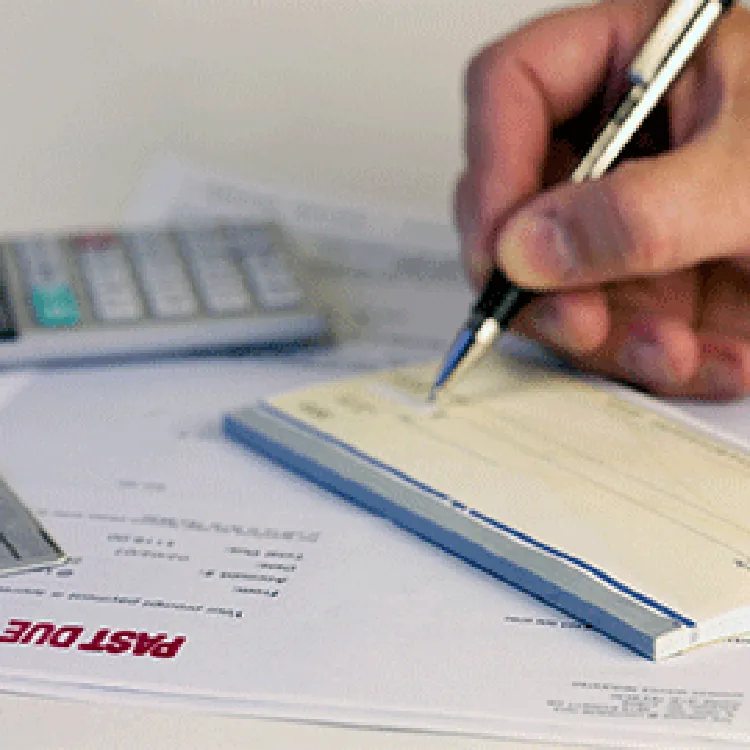
You can mail in your mortgage payment each month to your loan servicer’s payment address and attach a check for payment. You’ll usually need to include your loan information to ensure the payment is properly applied to your account. You might need to include a copy of your mortgage billing statement or simply write your loan account information on the check you send.
It’s important to be early when sending in mortgage payments by mail. You’ll want to account for how long it takes for your mail to reach your mortgage company address, the amount of postage needed, as well as the processing time to cash your check. Consider sending in your mortgage payment a week ahead of your payment due date (or longer) to ensure you don’t have a late payment.
If you make mortgage payments by mail, send them at least a week before the due date.
In-person payments
If you obtained a mortgage through a local credit union or bank, you may be able to make your mortgage payment in person. You’ll most likely need to pay via check, money order or at a teller station in the bank.
As with mailing in your payment, you’ll want to include your address and loan account information to ensure your payment is processed properly. If you plan on paying by money order, make sure to understand your bank’s limitations, since some banks impose daily limits on them.
Choosing the best payment method
Choosing the best payment method matters if you want to avoid late fees and keep your credit score in good shape. The best option is the one you can consistently stick with. For most people, that’s automatic payments from a linked bank account. But if you prefer to pay manually, make sure you leave enough time for the payment to process so you don’t miss your due date.
Here are a few questions to consider before choosing a mortgage payment method:
- Do you prefer to handle payments manually or set them on autopay?
- Are you comfortable using online portals, or do you prefer paper checks or in-person payments?
- Do you usually pay bills early, or do due dates sometimes sneak up on you?
For most borrowers, paying online or setting up automatic payments directly from your bank account is the best option. It processes much quicker than most other payment methods and can be automated to ensure you don’t ever miss a payment.
If you prefer paying in person or by mail, make sure you know your mortgage company’s hours, typical mail delivery times and how long it takes them to process payments. Manually sending in payments or paying in person can come with a risk of late payments and potential fees.
Paying off your mortgage early
Paying off your mortgage early is a dream for some people. There are a few benefits to paying it off early, including:
- Paying less in interest on the loan
- Eliminating a high monthly payment
- Removing the lender’s lien and fully owning your home
- Having access to more home equity
Here are a few popular methods you can use to pay off a mortgage early:
- Lump-sum payment: If you receive a large sum of money (an inheritance, a bonus or the sale of an asset), you can pay off the remaining mortgage balance (including interest) in a single lump-sum payment.
- Extra annual payment: Making one additional monthly payment per year can reduce your principal faster and help you pay off the loan early. This can save money on interest over time.
- Biweekly payments: If you can make biweekly payments on your mortgage instead of once per month, you’ll end up making the equivalent of 13 payments per year. This helps you shave a few years off your loan term.
It’s important to be aware of any terms that prevent early payoff of your mortgage. If your lender has a prepayment penalty, you might be penalized for early mortgage payoff.
Understanding mortgage payments
Mortgage payments are usually made to your mortgage servicer, and a breakdown of your payment can be found on your monthly mortgage statement. A typical mortgage payment may include up to five parts, depending on the terms of your loan:
- Principal: This is the balance of your loan. Principal payments pay down your loan over time.
- Interest: Interest is charged monthly based on your annual percentage rate.
- Taxes: Real estate taxes are paid biannually, but payments to your escrow company hold these funds to pay your property taxes every six months.
- Insurance: Homeowner’s insurance is required by most lenders, and payment is collected and made to your insurance company each month.
- Mortgage insurance: Most lenders require mortgage insurance for borrowers who make low down payments.
FAQ
Is it better to pay your mortgage online or by mail?
In most cases, it’s better to make your mortgage payment online. The payment will process faster; there’s no risk of losing your check in the mail, and you can set up automatic payments. Autopay also helps ensure you don’t have late payments on your mortgage and avoids any potential fees or penalties.
How can I set up automatic mortgage payments?
You can usually set up automatic mortgage payments by logging in to your mortgage account online, connecting your bank account and choosing autopay. The monthly payment will usually be made on the first of the month, and funds are automatically withdrawn from your linked bank account.
What happens if I miss a mortgage payment?
If you miss a mortgage payment, your lender may impose fees or late penalty charges that are due immediately. Your lender may also report your missed payment to your credit bureau, which can severely hurt your credit score.
Ultimately, if you miss too many payments, your lender can foreclose on your home.
Can I pay my mortgage with a credit card?
While you can’t usually pay with a credit card, you may be able to take out a cash advance to make a payment. But this usually comes with very high fees and a high interest rate on the borrowed funds, which can cost a lot more than just paying the mortgage payment directly from your bank account.
Article sources
ConsumerAffairs writers primarily rely on government data, industry experts and original research from other reputable publications to inform their work. Specific sources for this article include:
- Consumer Financial Protection Bureau, “Homeowner's Guide to Success.” Accessed Aug. 4, 2025.
- Consumer Financial Protection Bureau, “How does paying down a mortgage work?” Accessed July 23, 2025.
- Consumer Financial Protection Bureau, “Mortgages key terms.” Accessed July 23, 2025.