


Rental property mortgages vs. residential mortgages
Getting a mortgage for a rental property is more difficult than getting one for your primary residence. You’ll need a higher credit score, more cash reserves and a larger down payment. It’s likely you’ll also have a higher interest rate on a mortgage for a rental property.
Mortgages for rental properties are riskier for the lender. People are more likely to default on a rental property than on the home they live in. Therefore, rental property mortgages are more expensive and the restrictions are tighter.
The minimum down payment for a rental property is 15% to 25%, while for a primary residence, it can be as low as 3%. The debt-to-income ratio (DTI) for both types of mortgages is similar, but you can use 75% of the expected rent as part of your income when calculating your DTI for a rental property.
Also, note that the interest rates on rental property mortgages are often 0.5% to 1% higher for rental properties. This means you’ll want to secure the best rate possible in order to keep your costs down and profits up. Having a credit score of 740 or higher will give you access to the best rates.
Lastly, you’ll need at least cash reserves to cover six mortgage payments when applying for a loan on a rental property. Cash reserves needed for a primary residence will depend on the lender and your credit profile. Note that cash reserves don’t need to be actual cash. Investments that are easily sold, such as stocks, can count towards your reserve requirements.
| Feature | Rental property | Primary residence |
|---|---|---|
| Down payment | 15% to 25% percent | As low as 3% |
| Interest rates | 6.5% to 8% | 5.5% to 7% |
| Credit score | 620 to 740+ | 620 |
| Cash reserves | 3 to 6 months per property | 0 to 2 months |
| DTI ratio | 36% to 45% | 36% to 45% |
» NEXT: Rental property tax deductions
1. Select property type
The different property types can affect what types of mortgages are available to you.
- Single-family: Mortgages for single-family homes will likely be a conventional loan and require 15% to 25% down.
- Multi-family: If you choose to live in one of the units of a multi-family home for at least a year, you may qualify for an FHA or VA loan. This can reduce your down payment requirements.
- Short-term rental: If you are buying a property to use as a short-term rental you likely won’t be able to use a conventional, FHA or VA loan. You may need to use a debt service coverage ratio (DSCR) loan, which relies on the cash flow of the property to qualify for the loan. Expect to put down 20% to 30%.
- Commercial: If you are looking into a commercial rental property, say a strip mall or office building, then the requirements are often even stricter than on a residential rental home. You’ll likely need between 20% and 30% down and have strong credit. Also, look into a Small Business Administration (SBA) loan, which is a government-backed loan that can have more flexible requirements.
2. Prepare finances and documents
When applying for a mortgage, you’ll want to have your finances in order.
“Lenders look for good credit (of) 680-plus, they factor in DTI when you're looking at conventional financing and consider reserves,” said Tiana Uribe, a broker at TRU Financial Services in San Diego, California. “Otherwise, investor-specific loans like DSCR or hard money loans look less on the borrower (income, credit, reserves) and more on the cash flow of the property.”
Before applying for a rental property mortgage loan, make sure you meet the following eligibility requirements:
- Credit score: Ideally 680 or higher. The best terms will be available to those with credit scores over 780, so the higher the better.
- Debt-to-income ratio: You’ll want your debt-to-income ratio to be below 45%, which includes the new mortgage payment and 75% of any income you expect to receive from the rent.
- Down payment: For rental properties, expect to put down at least 15%. Depending on the property and your financial situation, you may be asked to put down up to 30%.
- Cash reserves: Expect the bank to require cash reserves equal to six months of mortgage payments. This includes escrow and any HOA or condo fees. Cash reserves can include liquid investments, such as stocks.
You’ll also want to get your documents in order. Getting a loan for a rental property isn’t much different than getting a loan for your primary residence.
- Identification: You will need to prove who you are and your personal details, such as your address.
- Proof of income: You’ll need to show your current income. This often means pay stubs, past tax returns, W-2s or profit and loss statements from a business.
- Assets: You’ll be asked to show your cash reserves. This can include checking and savings accounts, CDs, and investment accounts.
- Rental income estimates: You can use the expected rental income when applying for a loan on a rental property. You may be asked to provide signed leases that prove the rental income, or the bank will do its own assessment of the rental market.
» COMPARE: Top mortgage lenders
3. Compare rental property loans
Getting a mortgage for an investment property can be tough, but the restrictions may be lighter if you plan to live on the property along with your tenants. Buying a multi-family property and living in one of the units yourself can give you a lot more options for your mortgage.
| Loan type | Down payment | Interest rate | Best for | Eligibility |
|---|---|---|---|---|
| Conventional | 15% to 25% | 6.5% to 8% | Most investors | 620+ credit, strict DTI |
| FHA/VA | 3.5 % to 10% | 5.5% to 7% | Owner-occupants | Must live in the property |
| DSCR | 20% to 25% | 7% to 9% | Investors with high property cash flow | Based on rental income |
| Portfolio | 20% to 30% | 7.5% to 9.5% | Multiple properties or LLC | Flexible, higher rates |
Conventional mortgage
Conventional mortgages on a rental property don’t require that you live in the residence, but do have strict lending requirements, such as large down payments and an excellent credit score.If you are buying a single-family home to use as a rental, a conventional mortgage will be your only long-term option. Hard money loans could be an option if you plan to flip the house and will hold the property for a short period.
FHA and VA loans
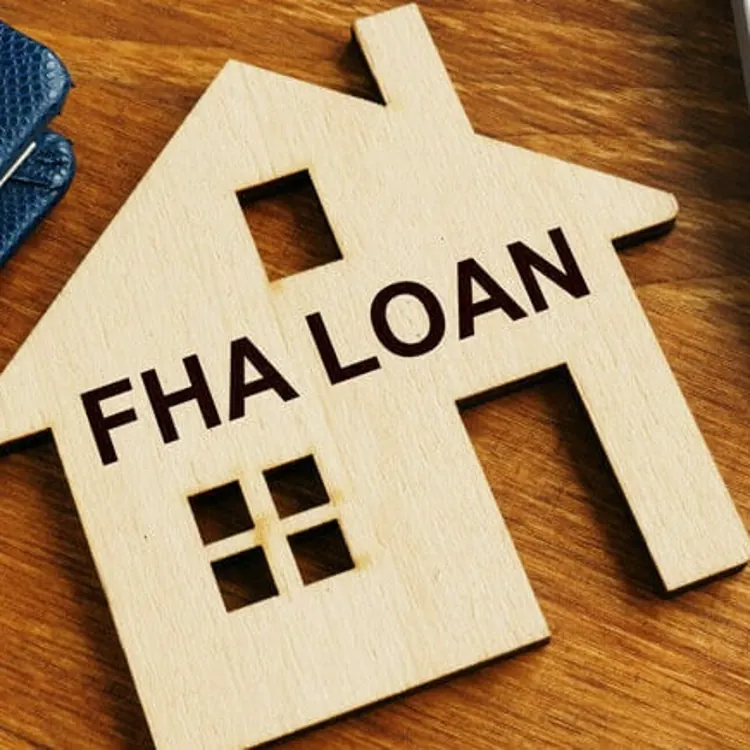
FHA loans are available for investment properties, but the owner must live in the home for at least a year. These can be good for buyers who are low on funds and are buying a multi-family property.Like with FHA loans, the owner must use the home as their primary residence for at least a year. The benefit of a VA loan is that you aren’t required to make a down payment.
Debt service coverage ratio loan
You can qualify for a DSCR loan based on the property’s income, without having to prove any personal income. The property’s profit — in this case, rental income — must be sufficient to cover the full mortgage payment. The minimum ratio lenders require is typically 1 to 1.25, which means the property’s rental income must cover 100% to 125% of the mortgage payment.
Portfolio loans
These loans cover multiple properties. This gives you one payment for easier management. However, they tend to have higher interest rates and if you default, you risk losing all your properties.4. Complete the rental property mortgage application
Getting a mortgage for a rental property is similar to getting one for a primary residence. It can take between 30 and 45 days to complete the process.
- Preapproval: Before you even start shopping for a rental property, you may want to get preapproved. This can take up to three days and will let you see if you qualify for a loan and how much you qualify for. You’ll also get an idea of the interest rate you will be offered.
- Submit a complete application: Once you have an offer accepted on a property and a lender picked out, you can submit the full application. This kicks off underwriting; you’ll need to present all necessary documents to apply for the loan. The lender will let you know exactly what they need to see.
- Appraisal and inspection: While your loan is being approved, the bank will do an appraisal on the home. This includes verifying the projected rental income. The lender will also require an inspection to be done on the property to make sure it’s in good condition and there are no hidden issues. The underwriting process can take two to three weeks.
- Closing: Once everything is approved, your loan will move into closing. You’ll receive disclosures that give you all the details of the loan and let you know what your closing costs will be. Review this carefully and ask your lender or broker any questions you may have. At closing, you will sign the loan documents.
FAQ
Can I get a mortgage for a rental property as an LLC or business entity?
Yes, you can get a mortgage through your LLC, but it may be more difficult than going through the process as an individual. You may be required to put down a larger down payment or provide a personal guarantee.
Are there government programs or incentives for buying rental properties?
Yes, the Low-Income Housing Tax Credit provides tax credits to affordable housing developers for properties that set aside units for low-income renters.
What documentation do I need to prove projected rental income?
If you have signed leases from tenants that are already in place, you can submit those as proof of rental income. Otherwise, you can have a market analysis done that will show what similar units in your area rent for.
How do I qualify for a mortgage if I already own multiple properties?
Ideally, you’ll have a strong credit score, a low debt-to-income ratio and plenty of cash reserves. If not, you may want to look into loan options such as a DSCR loan or a portfolio loan.
Article sources
ConsumerAffairs writers primarily rely on government data, industry experts and original research from other reputable publications to inform their work. Specific sources for this article include:
- DRK Realty, “Buying Primary Residence vs. Investment Property.” Accessed Dec. 19, 2025.
- First Hope Bank, “How to Get a Commercial Loan for a Rental Property: 6 Key Steps.” Accessed Dec. 19, 2025.
- Fannie Mae, “Documents you need to apply for a mortgage.” Accessed Dec. 19, 2025.
- Amerant Bank, “What is a DSCR Loan: How Can It Help First-Time Investors?” Accessed Dec. 19, 2025.
- Baselane, “A Comprehensive Guide to Rental Portfolio Loans.” Accessed Dec. 19, 2025.
- Baselane, “Your Guide to Short-Term Rental Loans in 2025.” Accessed Dec. 19, 2025.