1. Skip to navigation
  2. Skip to content
  3. Skip to sidebar

Consumer Affairs

Oil Mergers Blamed for High Prices


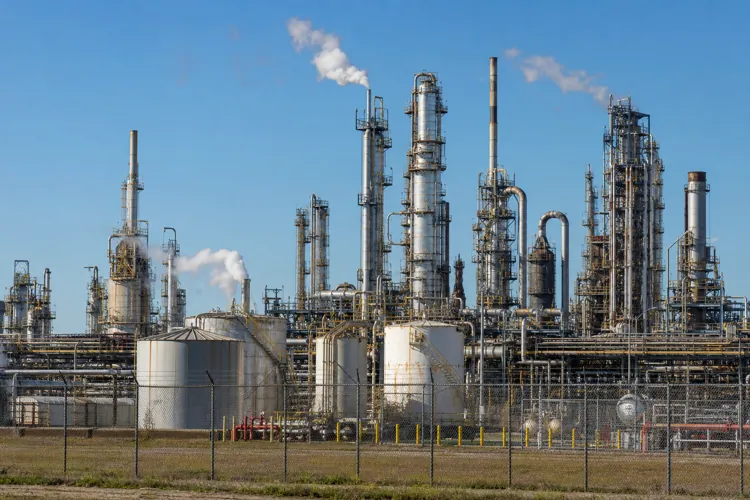
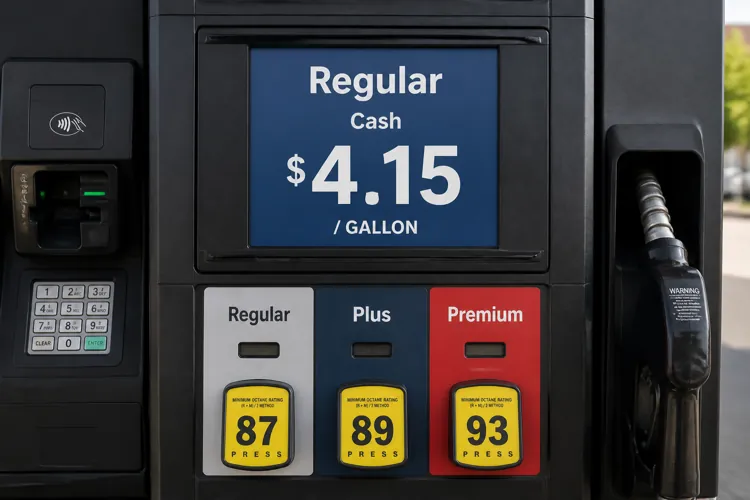
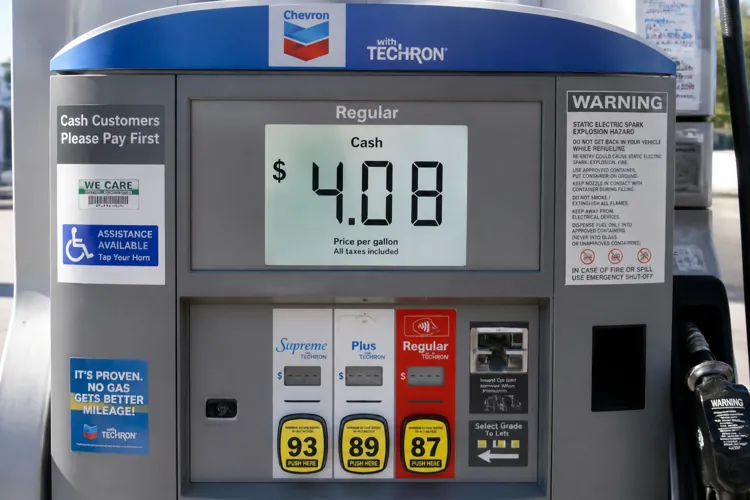
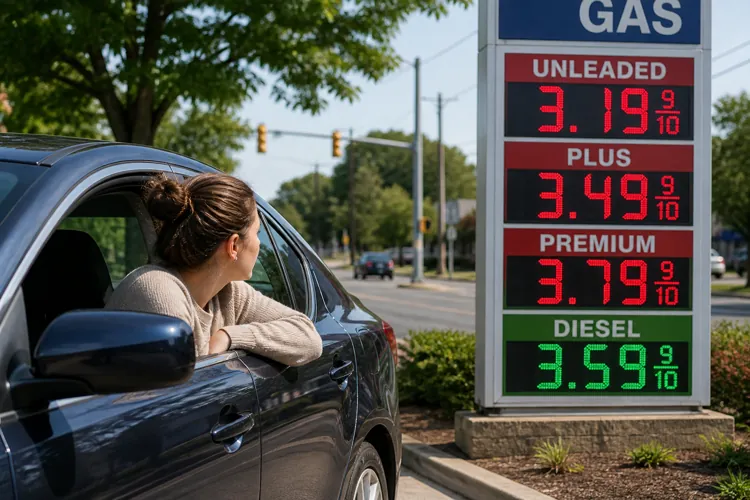
In the past decade, mergers in the oil industry have resulted in an uncompetitive domestic oil market that keeps gas prices artificially high for consumers while the top oil companies rake in record-setting profits, Public Citizen charges in a new report.

"If the same company owns every step of the process, from crude oil production to the gas station down the street from your house, it has utter control over the price people pay at the pump," said Public Citizen President Joan Claybrook.

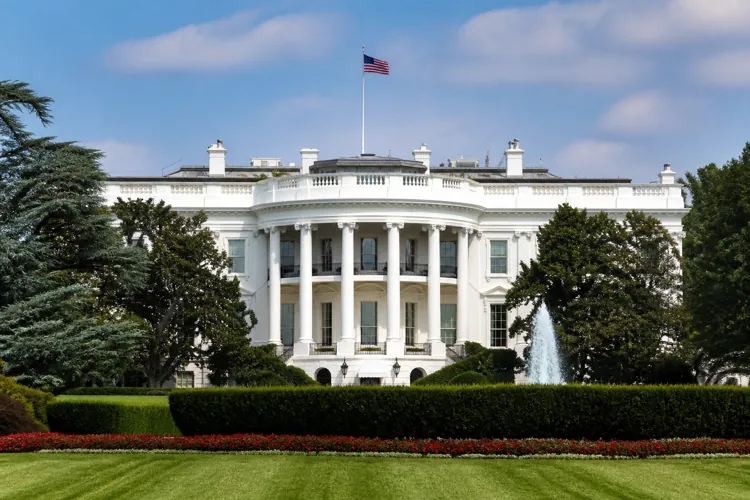
"Making it worse is our government's lackadaisical approach to regulating these oil companies as they collect billions of dollars from every American who drives a car."

The national public interest organization is calling on the U.S. government to fix the price crisis through increased oversight and regulation, as well as stronger fuel economy standards to reduce the United States' dependence on oil.

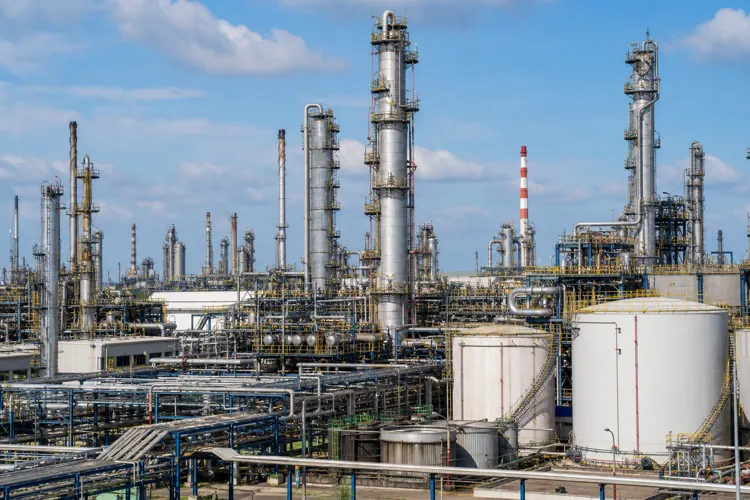
The five largest oil companies operating in the United States are ExxonMobil, ChevronTexaco, ConocoPhillips, BP-Amoco-Arco and Royal Dutch Shell. They control 14 percent of global oil production, 48 percent of domestic oil production, 50 percent of domestic refinery capacity, and nearly 62 percent of the retail gasoline market.

These same companies also control 21 percent of domestic natural gas production. Since 2001, these top companies enjoyed cumulative after-tax profits exceeding $125 billion.

This control enables oil companies to manipulate prices by intentionally withholding supplies. Indeed, a 2001 Federal Trade Commission investigation into high gasoline prices concluded that oil firms intentionally withheld or delayed shipping oil to keep prices up. However, the government has done nothing to end these uncompetitive practices.

A decade ago, the top five oil companies controlled only 8 percent of global oil production, 34 percent of domestic oil production, 34 percent of domestic refinery capacity, 27 percent of the retail market and just 13 percent of domestic natural gas production.

The lack of investigations into uncompetitive practices by these large companies may be explained by the more than $67 million the oil industry has contributed to federal politicians since 1999 - with 79 percent of those contributions going to Republicans, according to an analysis of Federal Election Commission data from the Center for Responsive Politics.

Further, the energy legislation first developed in Vice President Dick Cheney's secret energy task force and then largely written behind the closed doors of the congressional energy conference committee would do nothing to lower oil and gas prices. Instead, it contains more subsidies for oil and gas corporations.

"The stalled energy bill does nothing to address this worsening crisis," said Wenonah Hauter, director of Public Citizen's Critical Mass Energy and Environment Program. "In fact, as the legislation is currently written, these giant oil companies are the greatest benefactors, and consumers are the victims."

The most effective way to protect consumers is to restore competitive markets. The Bush administration should take the following actions or seek congressional authority to do so if necessary, according to the report, available at www.citizen.org/documents/oilmergers.pdf.

Quantcast