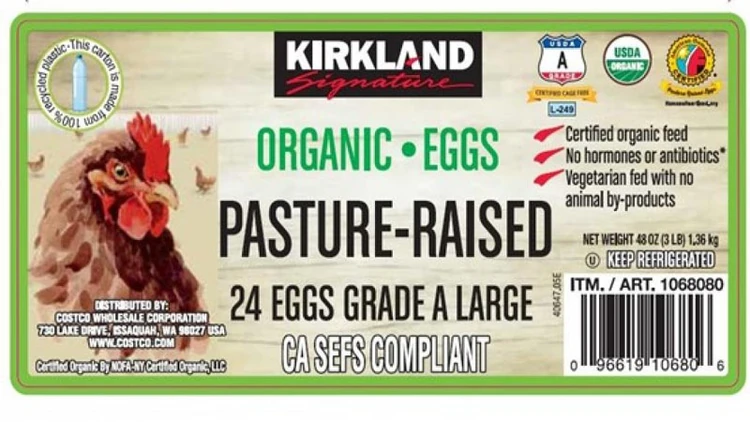
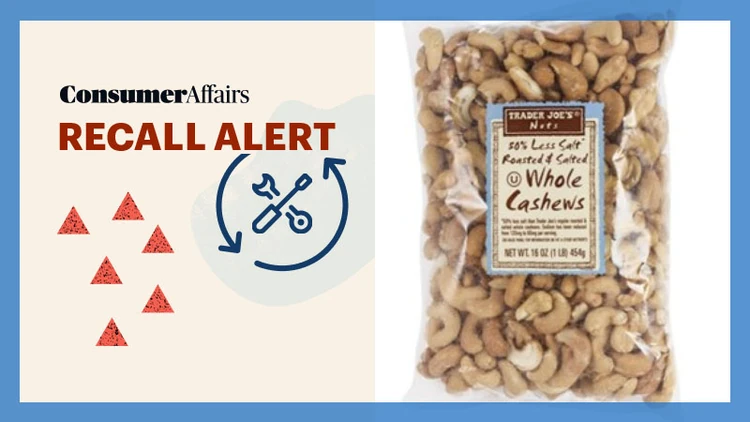
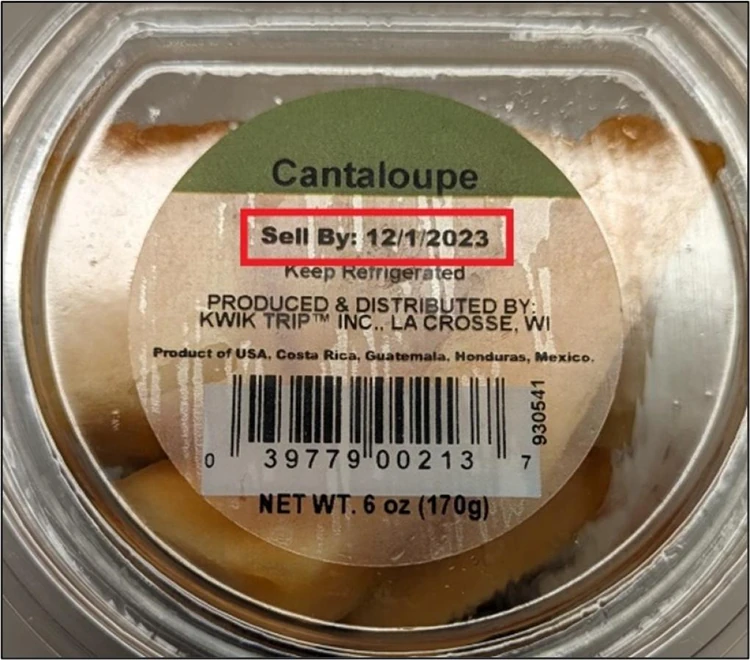
Food recalls are a big topic in the U.S. lately, with constant updates on items being pulled from shelves. However, the data show that the number of recalls this year is about the same as last year.
The real difference is how easily we hear about them now. In the 1970s, one or two of the three major TV networks might have reported on a recall. Today, social media, grocery apps, and news websites spread the news instantly.
This year the alarm bells have been more active than usual because there was so much recall activity around Thanksgiving, when people are focused on food and family gatherings, making them more susceptible to fears about food safety.
Of course, it didn't help that names like Boar's Head and McDonald's were involved in some of the recalls.
Recalls actually down a bit
But despite all the clamor, government statistics show that recalls this year are actually a little bit down from last year, at least for now.
Between them, the Food and Drug Administration and the U.S. Department of Agriculture have recorded 270 food and beverage recalls, withdrawals and alerts, according to the Washington Post. Keep in mind, though, that the numbers aren't tabulated daily, so the final year-end figures will differ.
Psychologist David Levari of Brown University points out that people tend to overestimate risks, especially ones they don’t encounter often.
“People tend to worry about those, sometimes more than car crashes, even though car crashes are much more common,” Levari said. “Airplane crashes can make more news, and they stick out in people’s memory,” he told the Post.
While having instant access to information is useful, it’s important not to let it cause unnecessary worry.
The political limbo affecting the U.S. right now doesn't help either. The incoming Trump Administration is promising to slice regulatory agencies, including those that regulate food.
That may be encouraging to those who think cleaning house will make the agencies more efficient but it may be discouraging who we'll be worse off with fewer experts watching the food industry.