Eguana Technologies of Calgary, Canada, is recalling about 245 Evolve Home Energy Storage Systems.
The lithium-ion battery modules within the system can overheat, posing a fire hazard.
No incidents or injuries have been reported.
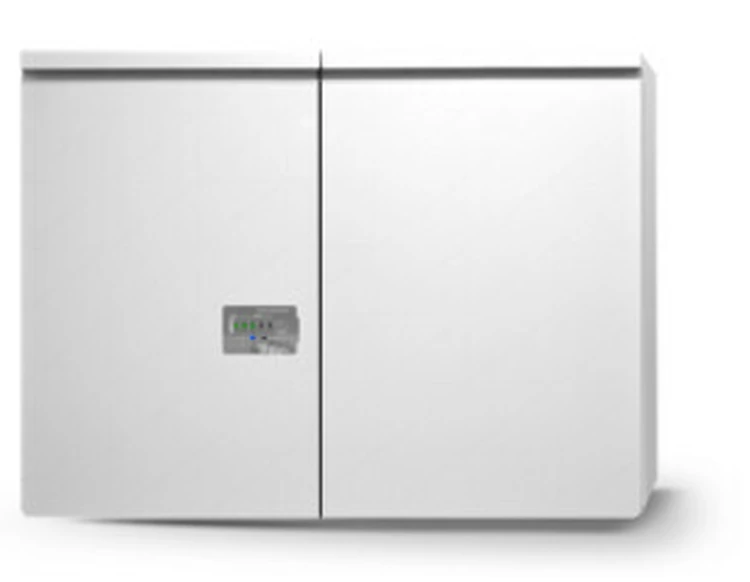
This recall involves the Eguana Technologies Evolve 0513U Home Energy Storage System, which allows owners to capture and store energy from solar panels. Each Evolve system includes between two and six battery modules, and the modules are removable and replaceable by trained installers.
The Evolve is a freestanding cabinet that measures nearly three feet high and four feet long with the Eguana logo located on the left door towards the center.
The serial number range of the systems containing recalled batteries is between ET-000200 and ET-000600. The serial number is located inside the cabinet toward the bottom left of the unit.
The storage systems, manufactured in Canada, were sold at Hawaii Energy Connection, Hannah Solar, Solar Direct, Creative Solar, Sunnova, and others stores in Hawaii, California, Florida, Georgia, and New Hampshire.
Eguana sold units to installers from June 2017, through December 2019, for between $8,000 and $18,000 depending upon the system capacity (a customer’s full system cost ranged between $40,000 and $80,000 depending upon storage capacity).
What to do
Consumers should immediately contact Eguana Technologies to schedule a free repair for their Evolve system.
All recalled units connected online will have the batteries state of charge remotely limited to reduce the risk of overheating until the batteries are replaced.
If your unit is not connected online, contact Eguana Technologies to schedule a technician to come to your residence to manually reduce the state of charge, at no cost.
Eguana Technologies will arrange for all recalled lithium-ion batteries to be properly replaced and disposed of according to federal and state regulations. The company is contacting all known owners directly or through its installers.
Consumers may contact Eguana Technologies at (800) 667-6478 from 9 a.m. to 5 p.m. (ET) Monday through Friday, by email at lgrecall@eguanatech.com, or online at www.eguanatech.com/recalls for more information.