|
CONSUMER NEWS RECALLS COMPLAINT FORM SCAM ALERTS |
| Small Claims Guide | Class Actions | Lemon Law | FAQ | Resources | Newsletters | Spanish | |
|
|
![]() |
Airport Security Rules Change AgainBoth U.S. and U.K. Modify New Anti-Terror Rules |
|||||
|
By Dan Schlossberg September 26, 2006
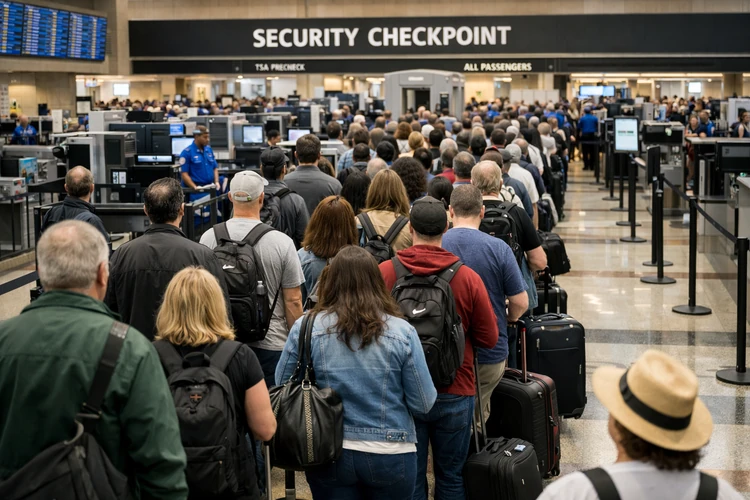
Rules seem to change daily, confusing passengers, airport officials, and agents charged with enforcing them. In the latest switch, the Transportation Security Administration (TSA) has eased tight restrictions enacting last month after British authorities thwarted a terrorist plot involving liquid explosives. British authorities relaxed their stringent rules a few days ago. Larger bags and musical instruments are now allowed, though liquids of all kinds remain strictly prohibited. For U.S. passengers, however, security restrictions remain much more stringest than they were before revelation of the plot on August 10. Not all liquids are banned anymore but not all are acceptable either. According to the latest TSA move, liquids are allowed through security checkpoints if they are in 3-ounce containers (such as trial-size toiletries commonly available at drug stores). In addition, they must be placed in a single, one-quart, clear plastic bag that must be sent through the security X-ray machine separately from carry-on bags. Some liquid medications are also allowed, including four ounces of non-prescription medications (i.e. Visine and other eye-care products) or five ounces of juices, baby formula, and breast milk. Prescription medications that match the name on the ticket are also allowed, but apparently must be in their original bottles - and not in the plastic day-by-day containers so many travelers (including this columnist) use. Easing the iron-clad ban makes life easier for women worried about mascara, lip gloss, and other beauty items disappearing in transit but may make for longer waits at security checkpoints -- at least until passengers and officers indicate they understand and will abide by the new regulations. At the same time, however, relaxing the ban should ease the strain on the airline baggage handlers, who had to cope with a 20 per cent increase in checked luggage since the imposition of the Aug. 10 ban. The ban was imposed in mid-August after authorities uncovered a terrorist plot that would have involved mixing liquid chemicals and detonators in flight. Thousands of flights were cancelled, hundreds were delayed, and fifteen alleged conspirators were jailed in England. According to TSA chief Kip Hawley, the ban on liquids was relaxed after FBI tests indicated that it would be difficult, if not impossible, to make a bomb from liquid components while in flight. Critics of the relaxed rules suggest that the near-return to old rules will make aircraft cabin compartments overcrowded again and cause considerable delays in boarding. They also suggest that loopholes remain in the system used by the TSA to screen checked bags for explosives. Critics also contend that the TSA bowed to public pressure in relaxing the ban on liquids. U.K. RulesIn London, passengers flying to the United States still cannot carry any liquids -- even those purchased at the airport after the first security checkpoint. A second search, at the departure gate, is designed to enforce that ban. On the other hand, passengers can now board with a carry-on measuring no more than 22 inches long, 17.7 inches wide, or 9.8 inches tall. Large musical instruments can also be carried on board, though some passengers may be required to buy an extra ticket to accommodate them. As in the U.S., constantly-changing security procedures have confused passengers, airport officials, and even the security officers assigned to protect outbound flights. To make things easier for all, the European Union, the United Kingdom, and the airlines themselves are trying to find common ground in their requirements and restrictions. A meeting of EU ministers in Finland earlier this month addressed airport security issues, emphasizing new technology designed to detect explosives. The slight relaxation of security standards at United Kingdom airports does not mean safety will be compromised. In fact, the Transport Department said it was working to enable passengers to travel as freely as possible but would not compromise its "rigorous" security regime. The key, according to government and security officials, is to balance safety with convenience. In England, they call that task a sticky wicket. Report Your Experience
|
|||||
Back to the top | |
||||||
Advertisement
|
Home |
Complaint Form |
News |
Recalls |
FAQ |
|
Terms of Use Your use of this site constitutes acceptance of the Terms of Use
Copyright © 2003-2008 ConsumerAffairs.com Inc. All Rights Reserved. The contents of this site may not be republished, reprinted, rewritten or recirculated without written permission. |
|