CONSUMER NEWS    RECALLS    COMPLAINT FORM    SCAM ALERTS  


Complain about a product or service

Small Claims Guide | Class Actions | Lemon Law | FAQ | Resources | Newsletters | Spanish
Automotive    Education    Electronics    Family    Finance    Health    Homeowners    Shopping    Travel   
NEWS   Latest |  Archives |  Auto |  Cells, etc. |  Computers |  Financial |  Health |  Homeowners |  Parents |  Privacy |  Scams |  Seniors |  Travel

The Battle for Net Neutrality

Consumer Groups, Telecom Companies Take Sides Over Web Content Access


By Martin H. Bosworth
ConsumerAffairs.com

February 6, 2006

Broadband Access
Few Are Neutral in Net Neutrality Battles
Google Petitions FCC Over Verizon's Use of Wireless Spectrum
House Committee Grills FCC Over Wireless Auction
FCC's Martin: No Opening Of Wireless Networks
FCC Releases Broadband Report, Admits Data is Faulty
Verizon Wins Wireless Spectrum Auction
Bush Declares Broadband 'Connection Accomplished'
Google Will Bid In Wireless Spectrum Auction
Verizon Agrees to Stop 'Unlimited' Claims
Google Challenges Verizon Over Lobbying Of FCC
Sen. Kerry Wants New Broadband Policy
Verizon Wireless Challenges Spectrum Auction Rules
FCC Passes Compromise Rules For Wireless Spectrum Auction
Google, AT&T Square Off Over Wireless Broadband
Senate Wants Better Data On Broadband Deployment
FCC Takes a Closer Look at Broadband Deployment
Groups Urge FCC To Create Wireless Broadband Competition
FCC Chair Grilled By Congress Over Favorable Treatment of AT&T, Verizon
FCC Rolls Out New Rules On Video Franchising
FCC Approves AT&T-BellSouth Merger
AT&T Offers Net Neutrality Concessions To Win Merger Approval
FCC Plays Santa for AT&T, Verizon
Consumers Sidelined as Broadband Battles Rage
Wireless Broadband Still Expensive, Service Still Spotty
High-Speed Internet Overtakes Dial-Up in Market Share
U.S. Still Lags In Broadband Access
Municipal Wi-Fi: The Internet's Next Step?
Verizon Limits Its "Unlimited" Wireless Broadband Service
California Bill Seeks to Jumpstart Cable Competition
GAO: Broadband Access Difficult To Measure
Congress Wrestles with Net Neutrality
---
More ...

If you're like most Web surfers, chances are that you never think about how you access content online. You run searches with Google, shop at Amazon, and read the news at CNN or MSNBC, no matter if you're at home, work, or elsewhere.

The universal accessibility of the Internet has made it an essential tool for accomplishing daily tasks and providing information across the globe.

But a regulatory debate is brewing in Congress that may lead to a system where companies provide "preferred access" to some Web content services over others.

Imagine not being able to access Yahoo's Web portal as quickly from your Internet service provider, because the company that owns the cable lines has cut a deal with Google to provide their services exclusively.

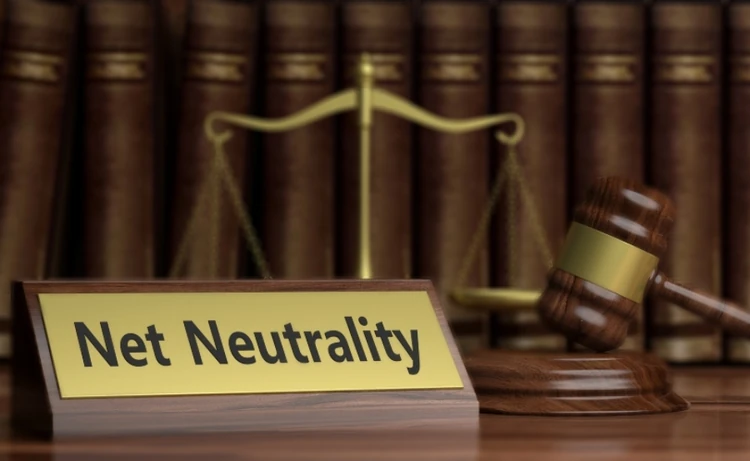
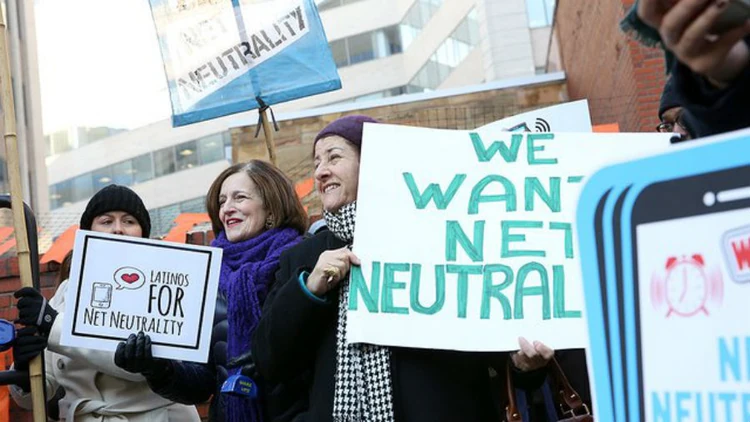
The Senate Commerce Committee is holding a Feb. 7th hearing on "Net Neutrality," the principle that the network upon which the Internet is built should be free of commercial control and accessible by any agency. Because telecommunications companies can't force consumers to pick specific Internet providers, this has led to the proliferation of choice and diversity of content that makes the Internet what it is today.

Major telecommunications companies such as Verizon and AT&T wish to change that. Fueled by discontent over Internet content providers offering expensive, broadband-soaking services such as video streams and online roleplaying games, the telecom companies want to start charging Internet companies for the services they offer.

SBC (now AT&T) chairman Ed Whiteacre claimed that his company deserved a return on investment for letting content providers use his "pipes" free.

"[T]here's going to have to be some mechanism for these people who use these pipes to pay for the portion they're using. Why should they be allowed to use my pipes?"

Jeff Chester, executive director of the Center for Digital Democracy, sees a scenario where customers will face a multi-tiered system of paying more money in order to gain better Internet access.

"Under the plans [telecom companies] are considering, all of us -- from large to small content providers to individual users -- will have to pay more when surfing online, streaming videos, or perhaps even sending and receiving email, " Chester said in a Feb. 1 essay.

"Companies are mulling the imposition of new subscription plans that will limit our online experience. There will be 'gold,' 'bronze,' and 'silver' forms of Internet access that tightly define what they call our 'level of service.' Gone will be the more open and nondiscriminatory network of today."

Pay to Play

Another effect of paying telecom companies for content services would be the stifling of innovation on the Web. Everything from file-sharing to blogging to wikis has come about from innovative users and small companies with big ideas.

The established content giants like Google, Yahoo, AOL, etc. can afford to pay telecom companies to make sure their services reach consumers, but the "little guy" may not have the raw cash necessary to compete in a "pay to play" Internet model.

A 2004 policy analysis by the Cato Institute claims to debunk the "pay to play" notion for equal access to the Internet.

According to author Adam Thierer, consumers can best benefit from letting the market decide whether or not "bundled" services favored by providers are of greater benefit than letting the user access their particular content choices, regardless of what the provider favors.

Thierer points out that many providers already have restrictions on the services users subscribe to, including downloading limits, prohibitions against spamming, and so on.

"In light of the significant risks and investments [telecom] companies undertook to extend service to millions of Americans who previously had no such luxury, it seems somewhat insulting for certain consumers or regulators to claim that they have the right to dictate the terms and conditions of service, " Thierer said.

Groups such as Consumers Union and the Consumer Federation of America (CFA) strongly disagree. In their view, companies that bundle services in order to gain profit from advertising and reduce costs will push those services at the expense of others, even if it means denying Web users access to them.

The CFA released a 2005 survey that found 70 percent of the respondents were concerned about their Internet service provider blocking access to their particular choices of content; 75 percent were concerned about not having a choice between different providers or having to pay extra fees for Internet content services.

Web-based companies such as Google, Amazon, and Yahoo have teamed up with groups such as Consumers Union, CFA, and Common Cause to prevent the restriction of access to content over the Internet.

Net neutrality supporters believe that a "pay to play" Internet model would favor expensive business customers and corporate networks over consumers and nonprofit enterprises and struggling small publishers.

"The nonprofit and noncommercial sector could be distinguished from the for-profit sector of the online community in terms of services offered, and would suffer because they cannot compete in an environment where they have to pay for better service," according to a Common Cause publication.

The Debate

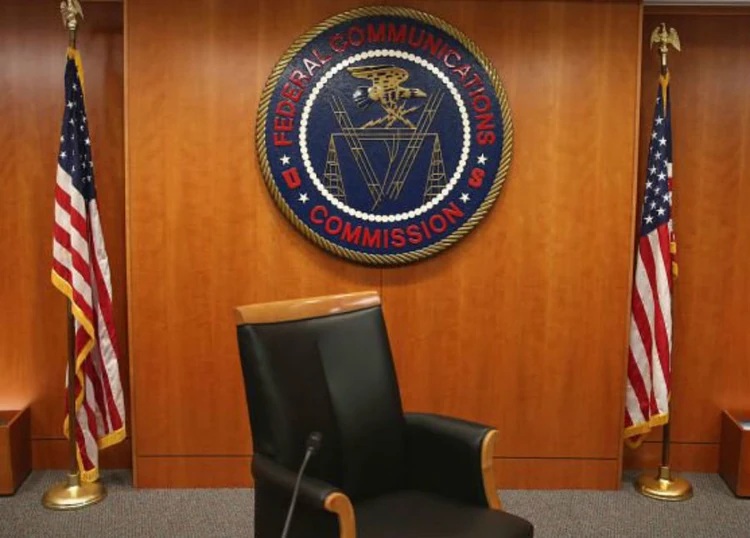
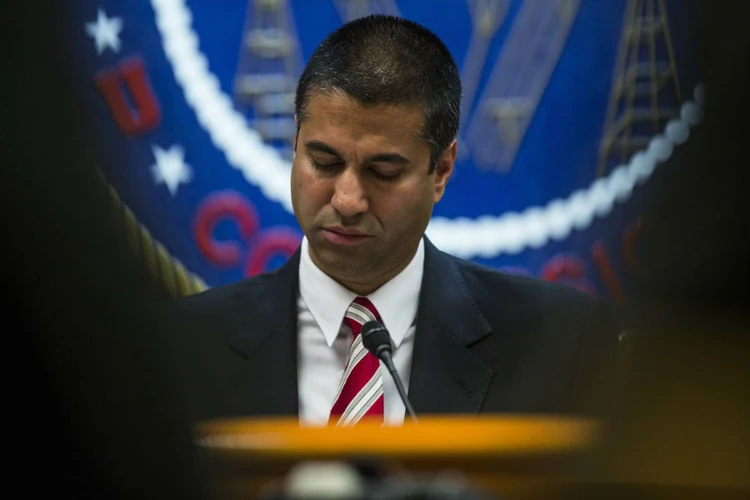
Several Internet analysts and members of the Federal Communications Commission (FCC) have already weighed in on how net neutrality may affect FCC Chairman Kevin Martin's goal of "universal, affordable access to broadband technology."

Unfortunately, Martin has not matched his sweeping vision with policy decisions.

When asked about the possibility of telecom companies locking out consumer choice, Martin said that he "was hesitant to adopt rules that would prevent anti-competitive behavior where there hasn't been significant evidence of a problem."

Michael Powell, the former FCC chairman, had been a strong supporter of Net neutrality, evoking the policy as one of his "four rules of Internet freedom."

Martin had just succeeded Powell when the Supreme Court ruled in favor of the FCC in the "Brand X" decision, which allowed cable Internet providers to prevent smaller rivals from sharing their lines and offering their own services.

The U.S. has been criticized harshly for slow development and dissemination of broadband technology throughout the country. The U.S. currently ranks fifteenth in the world in terms of market broadband penetration, and 60 percent of American households still cannot afford broadband or don't have access to it in their community.

In a letter to Congress in Nov. 2005, Google advisor and Internet guru Vinton Cerf advocated Net neutrality policies as championing innovation and free content access for all users.

"Telephone companies cannot tell consumers who they can call; network operators should not dictate what people can do online," Cerf said. "I am confident that we can build a broadband system that allows users to decide what websites they want to see and what applications they want to use – and that also guarantees high quality service and network security."


Report Your Experience
If you've had a bad experience -- or a good one -- with a consumer product or service, we'd like to hear about it. All complaints are reviewed by class action attorneys and are considered for publication on our site. Knowledge is power! Help spread the word. File your consumer report now.


Consumer News

May 17 2008

Recent Recalls & Safety Alerts

READER SERVICES

Print, Email & More

Subscribe

Free consumer newsletters
Sign up now!


Back to the top |

Advertisement


Home | Rogues Gallery | Good Guys | Complaint Form | News | Recalls | Search | Video | FAQ |
Consumer Resources | Small Claims Guide | Lemon Law | Newsletter | Contact Us
Advertise With Us | Testimonials | Newsroom | RSS Feeds | Radio | Job Postings


Terms of Use Your use of this site constitutes acceptance of the Terms of Use

Advertisements on this site are placed and controlled by outside advertising networks. ConsumerAffairs.com does not evaluate or endorse the products and services advertised. See the FAQ for more information.

Company Response Welcome If complaints about your company appear on our site, we welcome your response. Please see the Response Form for more information.

For more information, see the FAQ and privacy policy. The information on this Web site is general in nature and is not intended as a substitute for competent legal advice.  ConsumerAffairs.com Inc. makes no representation as to the accuracy of the information herein provided and assumes no liability for any damages or loss arising from the use thereof. 

Copyright © 2003-2008 ConsumerAffairs.com Inc.  All Rights Reserved.