|
|
NEWS
RECALLS
COMPLAINT FORM
SCAM ALERTS
RESOURCES
Small Claims Guide Class Actions Lemon Laws FAQ Newsletters |
|
| Automotive Education Employment Electronics Family Finance Health Homeowners Insurance Pets Shopping Travel |
|
|
|
![]() |
Study: Parked Cars Get Dangerously Hot, Even on Cool Days |
||||||||
|
July 6, 2005
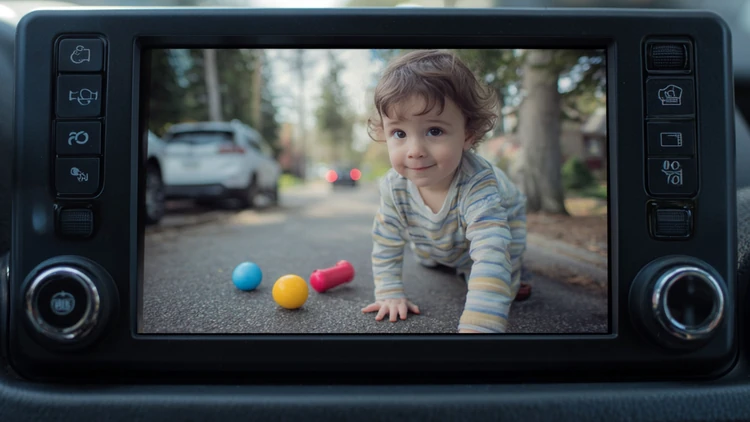
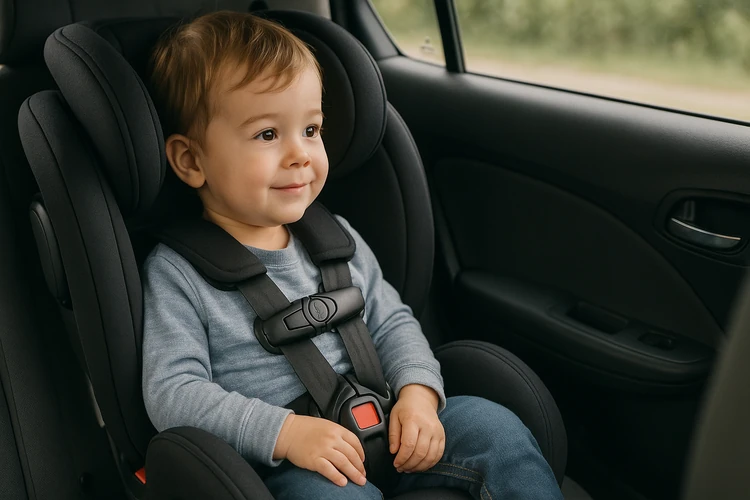
They hope their findings will put to rest the misconception that a parked car can be a safe place for a child or pet in mild weather. "There are cases of children dying on days as cool as 70 degrees Fahrenheit," said lead author Catherine McLaren, MD, clinical instructor in emergency medicine. Though research has documented the temperature spike inside a car on extremely hot days, this is the first time anyone has looked at cooler days, she added. McLaren collaborated with James Quinn, MD, associate professor of emergency medicine, and Jan Null, an independent certified consulting meteorologist, to measure the temperature rise inside a parked car on sunny days with highs ranging from 72 to 96 degrees F. Their results, published in the July issue of the journal Pediatrics, showed that a car's interior can heat up by an average of 40 degrees F within an hour, regardless of ambient temperature. Eighty percent of the temperature rise occurred within the first half-hour. "On a cool day, you don't feel hot so you believe it will be OK," Quinn said. "But ambient temperature doesn't matter; it's whether it's sunny out." Just as the sun can warm a greenhouse in winter, it can warm a parked car on cool days. In both cases, the sun heats up a mass of air trapped under glass. "Cars get hot, we know this intuitively," Null said. "But this study tells us that cars get hot very fast." McLaren, Quinn and Null hope their work will help educate parents and caretakers about the risk associated with leaving a child or pet in a parked car. Null said a substantial number of caretakers intentionally leave children behind because they mistakenly think conditions are safe. In such cases, the caretaker sometimes takes certain precautions, such as cracking a window or running the air conditioner prior to parking the car. But the researchers found that such measures are inadequate: a cracked window had an insignificant effect on both the rate of heating and the final temperature after an hour, and the air conditioner trick only delayed the temperature spike by about five minutes. "If more people knew the danger of leaving their children in the car, they probably wouldn't do it," McLaren said. The solution is simple, she added: take your child with you when you park the car. Null said he would like to investigate other variables, such as the car's color, the shape and size of the interior, or the effect of tinted windows. But he is satisfied with the outcome of this study on its own. "One reviewer made the comment that this paper will save lives," Null said. "That's just about the best comment you can get." Report Your Experience
|
||||||||
Advertisement
|
|
Custom Search
|
||||
|
AUTOMOTIVE Dealers Manufacturers Service Extended Warranties Lemon Laws Recalls Tires Transporters FAMILY Aging Children, Parenting Recalls Dating Education Entertainment Pets Weddings |
FINANCE Annuities Banks Credit Cards Debt Collection Debt Counseling Insurance Investing Loans Mortgages Payday Loans Student Loans Tax Prep HEALTH Doctors Drugs, Pharmacies Health Clubs Hearing Care Hospitals Nursing Homes Nutrition, Diets Vision Care Weight Loss |
HOUSE & HOME Appliances Cookware Furniture Home Improvements Lawn & Garden Movers Pools & Spas Realtors, Rental Agents Recalls Utilities ELECTRONICS Cable TV/DBS Cameras Cell Phones Computers Home Electronics Internet Access Local Phone Service Long Distance VoIP |
SHOPPING In-Home Online Retail Stores Sporting Goods Supermarkets Telemarketers TRAVEL Airlines Bus Lines Car Rental Cruises Hotels Travel Agents Trains RESOURCES Class Actions Complaint Form Small Claims Guide Lemon Laws |
CONSUMER NEWS Latest News Automotive Telecom Financial Health Homeowners Scams Seniors Travel More ... RECALLS Automotive Children's Products Drugs Food Household Products Sporting Goods ABOUT US FAQ Privacy Policy Advertise With Us Newsroom Syndication Terms of Use |
Terms of Use Your use of this site constitutes acceptance of the Terms of Use
Copyright © 2010 ConsumerAffairs.com Inc. All Rights Reserved. The contents of this site may not be republished, reprinted, rewritten or recirculated without written permission. |

|