
How does solar thermal energy work?
Solar panels use negatively and positively charged silicon cells to generate electricity, but solar thermal systems reflect sunlight from a mirror onto a small area to heat it, or use dark-colored materials to absorb sunlight's heat. The heat is then used in one of three ways:
- It is transferred to a carrier, such as water or oil. That carrier is then used to heat rooms or water tanks.
- The heat is used to produce steam, which runs a generator to create electricity.
- The heat is used to directly heat rooms, pool water, water in a water heater and more.
» DISCOVER: What is passive solar heating?
Types of solar thermal collectors
Some solar thermal energy systems that can be used in residential homes include concentrating solar systems, unglazed solar collectors, evacuated-tube solar collectors, transpired solar air collectors and flat-plate solar collectors.
Concentrating solar systems
Concentrating solar systems use reflective surfaces to concentrate the sunlight to heat water or food. This system is sometimes used in pool heaters, solar grills and ovens.
Unglazed solar collectors
Unglazed solar collectors are dark-colored panels that absorb sunlight to heat air or water, which is then pumped into homes or swimming pools. This system is mostly used to heat small homes because it isn’t as efficient as other systems.
Flat-plate solar collectors
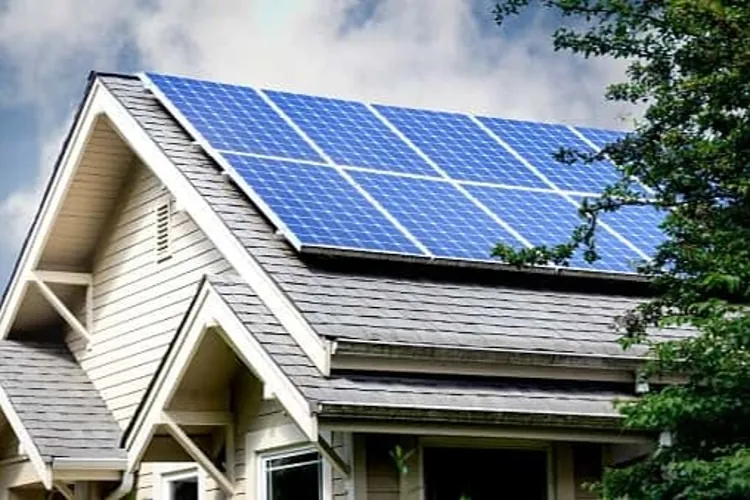
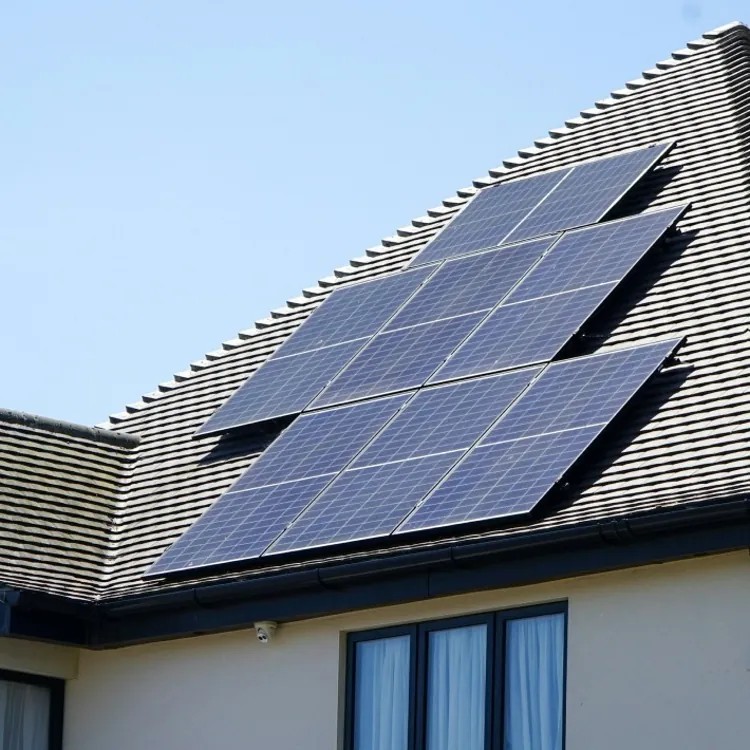
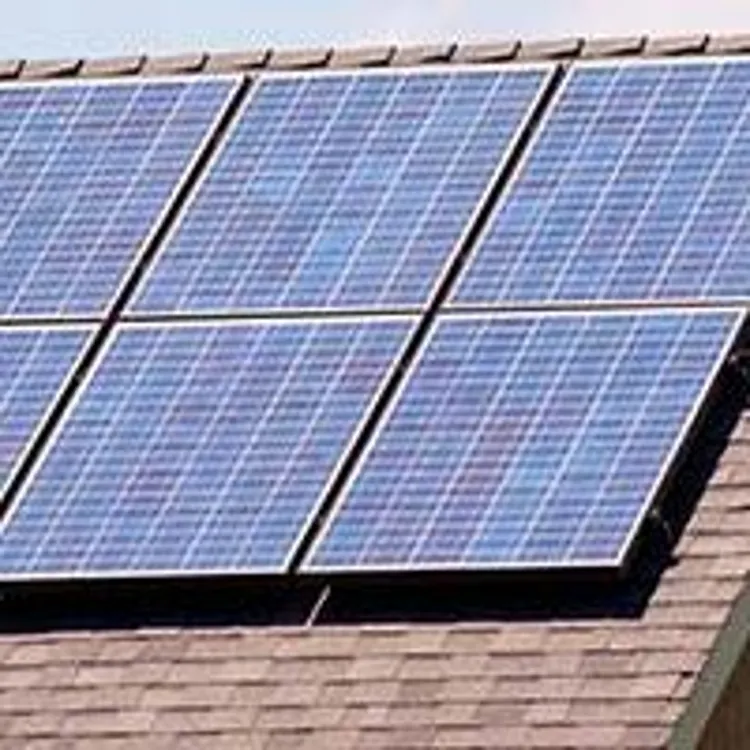
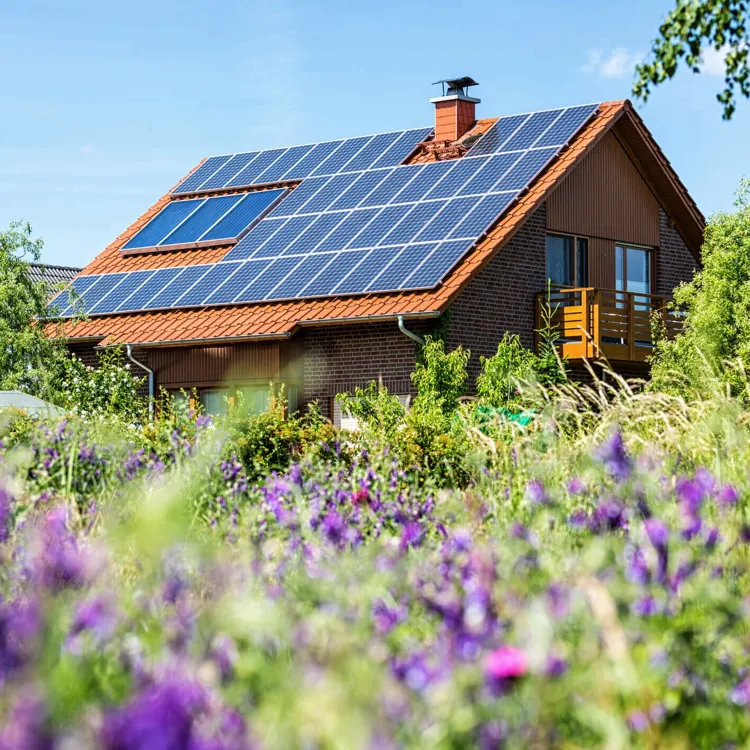
Flat-plate solar collectors look much like regular solar panels, but instead of being filled with silicon cells, they use a dark-colored material that absorbs sunlight and a casing that traps the heat.
Water or other fluids circulate through the casing to be heated and can then be used to heat your home (through radiant floor panels, for example) or as your home’s heated water supply.
Evacuated tube solar collectors
As the name suggests, evacuated tube solar collectors consist of multiple tubes. The outer tube is dark to absorb sunlight and retain heat. An inner tube traps the heat, and another tube circulates water through the system to absorb the heat. This method can be used to heat homes and/or your home’s water supply.
Transpired solar air collectors
A transpired solar air collector is a dark-colored, perforated siding installed on a sunny area of a building. It collects the sun's warmth, which heats the air trapped in the perforations. A fan blows the toasty air throughout the building to warm it.
Home uses of solar thermal energy
Thermal energy can be used in a variety of ways around your home. Here are a few ways you can take advantage of solar thermal energy.
- Solar thermal heaters can be used to heat swimming pools and hot tubs. The water is circulated through tubes heated by sunlight. Including installation, these systems cost between $2,500 and $4,000 and pay for themselves through energy savings in one to seven years.
- Solar thermal stoves and grills have become more popular in recent years. These use reflective surfaces to heat food without electricity. Unfortunately, they must be used outside since they need direct sunlight to operate. Solar grills and ovens range in cost from around $100 to $500.
- Hot water tanks and home heating systems can be powered by solar thermal heaters. Unglazed, evacuated-tube, transpired solar air and flat-plate solar collectors can all be used to heat homes. Evacuated tube collector systems can also be used to cool the home.
Industrial and commercial uses of solar thermal energy
Solar thermal energy isn’t just for homes; it also plays a growing role in businesses and manufacturing.
Because many commercial and industrial operations need steady, high-volume heat, solar thermal systems can offset fuel costs while reducing emissions. Systems range from simple hot-water setups for hotels to large solar fields that support factories or entire districts.
Here are some ways solar thermal energy is used in industrial settings:
- Food and beverage processing: Hot water for cleaning, pasteurizing and sterilizing
- Textile and manufacturing facilities: Heat for dyeing, drying and preheating water for boilers
- Breweries, dairies and commercial laundries: Consistent, year-round thermal demand
- Hotels, hospitals and multifamily buildings: Reliable hot water for daily use
- District heating systems: Large collector fields that supply heat to multiple buildings or communities
The downside is that these systems require adequate space and have higher upfront costs.
They also usually need integration with existing boilers or heat distribution systems, which can be complicated.
Benefits of solar thermal energy
Like other forms of solar, solar thermal energy can save you money on your electric bill. It also produces energy that is better for the environment.
Because solar thermal energy is typically used to generate heat rather than electricity, a thermal solar energy heating system is ideal if you want to complement a residential solar energy system.
Environmental benefits
Solar thermal systems offer measurable environmental advantages:
- Cuts greenhouse gas emissions by replacing heat from natural gas, oil or electric heaters
- Can significantly reduce home water-heating emissions
- Requires minimal electricity for pumps or controls, conserving resources
- Industrial applications (food processing, textiles or laundries) offset thousands of therms annually, helping meet sustainability goals
Economic benefits
Maybe one of the most lucrative reasons to incorporate solar thermal energy into your home is the fact that it allows you to be less reliant on the power grid. That’s good news for those living in states that often have brownouts or blackouts during storms, heatwaves or freezing temperatures.
Investing in solar thermal has other financial benefits, too:
- Reduces utility bills, especially for homes with high hot-water demand
- Eligible for federal, state or local incentives, which lower upfront costs
- Commercial and industrial facilities benefit from consistent, high-volume heat needs
- Lowers dependence on fossil fuels, stabilizing long-term energy costs
- Pairs well with solar PV or high-efficiency heating systems for maximum savings
» LEARN MORE: Solar energy vs. fossil fuels
FAQ
What is the difference between solar energy and solar thermal energy?
Solar panels use silicon cells and sunlight to create energy. Solar thermal energy uses mirrors or dark-colored materials to focus sunlight into a single area, generating heat. This heat can be used to create energy or to heat pools, food and homes.
What are the advantages of solar thermal energy?
Solar thermal energy is efficient and cost-effective for producing heat. It can significantly reduce utility bills for hot water or space heating, and systems often have long lifespans with minimal maintenance. For small-scale uses like solar air heaters, some systems can even be built using simple materials, making it an accessible renewable option for DIY-minded homeowners.
What is the most common solar thermal energy system?
Flat-plate collector systems are the most common type of solar thermal setup. They’re widely used for domestic hot water and space heating because they’re durable, relatively inexpensive and effective in a range of climates.
Where is solar thermal energy used?
Solar thermal energy is used for residential and commercial water heating, space heating and pool heating. It also supports industrial processes that need steady heat, such as food processing and desalination. Utility-scale solar thermal power plants (CSP plants) use it to generate electricity in sunny regions like the American Southwest, Spain, and parts of the Middle East and North Africa.
Is solar thermal better than solar panels?
It depends on your needs. Solar thermal is more efficient for producing heat and can be cost-effective for homes or facilities with high hot-water demand. Solar photovoltaic (PV) panels are more versatile, easier to install and typically require less maintenance, which is why they are more common in most households.
How long does solar thermal last?
Most solar thermal systems last 20 to 25 years with proper maintenance. Collectors can last even longer, while pumps or controllers may need to be replaced every 10 to 15 years. Regular checkups help extend the system’s lifespan.
Article sources
ConsumerAffairs writers primarily rely on government data, industry experts and original research from other reputable publications to inform their work. Specific sources for this article include:
- The American Society of Mechanical Engineers, “8 Hot Applications of Solar Thermal Power.” Accessed Nov. 24, 2025.
- Solar Energy Industries Association, “Solar Heating & Cooling.” Accessed Nov. 24, 2025.
- U.S. Department of Energy, “Solar Swimming Pool Heaters.” Accessed Nov. 24, 2025.
- U.S. Department of Energy, “Active Solar Heating.” Accessed Nov. 24, 2025.