




































































Hosting a Super Bowl party can cost more than $10 extra per guest depending on your city, with West Coast and coastal metros topping the list.
Classic game-day staples like wings, pizza, and snacks make up the largest share of hosting costs, even before drinks and utilities are factored in.
Planning ahead, watching for Super Bowl deals, and keeping food and drink options simple can help hosts save meaningful money without sacrificing the fun.
Hosting a Super Bowl party feels simple enough: invite a few friends, order some wings, stock the fridge, and turn on the TV. But depending on where you live, that low-key night at home could quietly turn into a pricey event.
A new analysis from The Action Network found that the cost of hosting a Super Bowl watch party can vary dramatically from city to city — even when the guest list and menu stay the same. From food and drinks to utilities and everyday party supplies, local prices add up fast, and some hosts may be spending far more than they expect just to keep everyone fed and comfortable through the final whistle.
The findings highlight a clear regional divide — and offer a reality check for anyone planning to host this year’s big game.
How the costs were calculated
To understand how much location affects the price of hosting, The Action Network calculated average Super Bowl party costs on a per-guest basis and then scaled those numbers to a typical 10-person gathering.
The analysis broke hosting costs into four main categories:
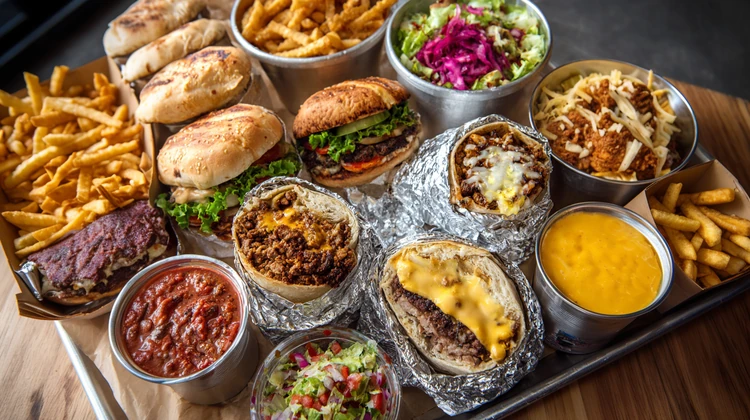
Food: Classic game-day staples like wings, pizza, chicken bites, mozzarella sticks, chips, and dip, averaged per guest
Drinks: One beer and one soft drink per person
Other groceries: Paper goods, condiments, ice, desserts, and basic cleaning supplies
Shared utilities: Electricity used for TVs, lighting, and small kitchen appliances during the game
Using average local prices for each category, Action Network estimated the total cost of hosting a Super Bowl party across major U.S. cities. Those per-guest costs were then scaled to a 10-person watch party to allow for easy, apples-to-apples comparisons nationwide.
The rankings
Based on that work, here’s what the Action Network found were the most expensive cities to host Super Bowl parties this year:
Seattle: $39.15/guest
Sacramento: $38.97/guest
San Francisco: $38.92/guest
Los Angeles: $38.81/guest
San Jose: $38.80/guest
Long Beach: $38.60/guest
San Diego: $38.29/guest
New York City: $37.65/guest
Miami: $37.64/guest
Washington D.C.: $36.58/guest
On the other hand, these are the 10 cities where it’s cheapest to host a Super Bowl Party:
Green Bay, WI: $26.24/guest
Wichita, KS: $29.38/guest
Milwaukee, WI: $29.69/guest
Omaha, NE: $30.54/guest
Virginia Beach, VA: $30.59/guest
Detroit, MI: $30.64/guest
Louisville, KY: $31.11/guest
Cleveland, OH: $31.50
Indianapolis, IN: $31.74
Cincinnati, OH: $31.77
How to save on Super Bowl parties
If you’re prepping for a house full of guests for Super Bowl, Gautham Marthandan, data expert and Senior Digital PR Specialist at The Action Network, shared his best insights to help consumers keep costs low:
Poll your guests: Ask guests ahead of time what they actually want to eat and drink, rather than overbuying just to cover every option. That helps avoid spending money on items that don’t end up getting eaten.
Watch deals: Many pizza and restaurant chains offer Super Bowl–related discounts, bundle deals, or voucher codes, especially for larger orders. Taking advantage of those promotions can meaningfully reduce costs when ordering food in bulk. In some cases, spreading orders across multiple visits or orders may also unlock loyalty rewards or discounts, making it worth checking before placing a single large order.
Keep it simple: Limiting premium alcohol options and offering a basic mix of beer and non-alcoholic beverages helps control costs without taking away from the experience. For food, simple, easy-to-serve options that can be prepped ahead of time tend to be more affordable and less wasteful. Ordering food late, especially pizza on Super Bowl Sunday, can also limit options and increase costs.
Scale back on decor: Overly themed or disposable decorations tend to be pricey and are often used only once. Simple tableware, items you already own, or subtle team colors usually do the job without extra spending.