2022 Nutrition

Article Image

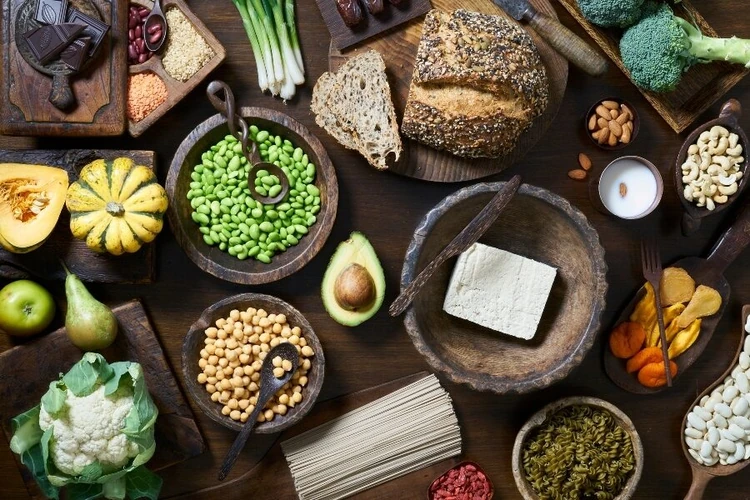
Plant-based foods are healthier and more sustainable than animal-based products, study finds

A new study conducted by researchers from the University of Bath explored some of the benefits of eating more plant-based food options. Rather than sticking to traditional meat, the team says consumers who adopt a plant-based diet are more likely to improve their health and the environment. 

“Increasingly we’re seeing how plant-based products are able to shift demand away from animal products by appealing to three essential elements consumers want: taste, price, and convenience,” said researcher Dr. Chris Bryant.

“This review demonstrates overwhelming evidence that, as well as being far more sustainable compared to animal products in terms of greenhouse gas emissions, water use, and land use, plant-based product alternatives also have a wide range of health benefits.” 

Benefits of plant-based foods

The researchers analyzed more than 40 earlier studies that looked at the ways plant-based alternatives affect consumers’ health and the environment and compared those results to outcomes from animal-based food products. Ultimately, plant-based foods outperformed animal-based products in every category.

Nutritionally, the researchers found that plant-based foods provide more benefits to consumers’ diets because producers of plant-based foods can actually incorporate more nutrients into their products. Plant-based options were also found to be more effective than animal products at improving muscle mass and losing weight.

The report highlighted that while 40% of animal-based foods were found to be generally unhealthy, just 14% of plant-based products were considered to be the same.

Plant-based options also showed better environmental results. When directly comparing plant-based burgers with beef burgers, the former produced 98% fewer greenhouse gas emissions. The production of plant-based foods is also more sustainable in terms of both land use and water use when compared to animal meat products. 

The researchers say it's important for plant-based products to be made more attractive to consumers in terms of taste, price, and nutrition.

“Despite the incredible advances that plant-based producers have made over recent years, there is still huge potential to improve their taste, texture, and how they cook,” Dr. Bryant said. “There’s also enormous potential to innovate with ingredients and processes to improve their nutritional properties – for example by boosting vitamin content.” 

Article Image

Eating fruit more often can improve your mental health, researchers say

Following a healthy diet is a large part of maintaining good physical health, but a recent study shows that it can also benefit your mental health. 

Researchers from Aston University recently found that eating more fruit was associated with greater overall mental well-being and reduced feelings of depression. 

"Overall, it's definitely worth trying to get into the habit of reaching for the fruit bowl," said lead author Dr. Nicola-Jayne Tuck. 

More fruit leads to better mental health

The researchers surveyed over 400 adults in the U.K. about their psychological health and their diets, including how often they ate fruits, vegetables, and sweet or savory food snacks. After adjusting for factors like age, general health, and exercise habits, they found that participants who ate fruit more often had lower scores for depression and higher scores for mental well-being. 

In contrast, participants who ate more nutrient-poor savory foods were more likely to experience "everyday mental lapses" and have lower mental well-being.

"Very little is known about how diet may affect mental health and wellbeing, and while we did not directly examine causality here, our findings could suggest that frequently snacking on nutrient-poor savoury foods may increase everyday mental lapses, which in turn reduces psychological health," said Tuck.

The researchers point out that fruits and vegetables contain many important vitamins and minerals. However, how consumers choose to eat them could make a big difference when it comes to getting mental health benefits.

"Both fruit and vegetables are rich in antioxidants, fibre and essential micronutrients which promote optimal brain function, but these nutrients can be lost during cooking. As we are more likely to eat fruit raw, this could potentially explain its stronger influence on our psychological health," Tuck stated.

The full study has been published in the British Journal of Nutrition.

Article Image

Negative emotions influence kids' poor food choices, study finds

Parents of picky eaters often have to work around their kids' palates to get them the nutrition they need. But findings from a recent study show that catering to their emotional needs might also do the trick. 

Researchers have found that a child's emotions can influence their eating patterns and diets. Specifically, they say negative emotions can be linked to overeating and choosing unhealthy foods.

"We found fried food consumption to be higher on days with more variable emotional patterns than days with consistent low negative mood," said Christine Hotaru Naya from the University of Southern California. "These results align with other studies that have found the negative mood to positively predict children's fatty food intake."

Negative emotions linked to poor eating

The researchers surveyed nearly 200 young children in California through the use of a mobile app. The participants were asked several times a day how they felt emotionally and what foods they consumed.

By the end of the study period, the researchers identified several negative mood patterns that contributed to poor eating. They found that the children experienced at least one of those patterns -- stable low negative mood -- on 90% of the days of the study. 

Breaking it down by the time of day, the team said early in the morning and during the evening were two vulnerable times when negative emotions could influence kids' food choices. 

"Children are more likely to consume unhealthy foods on weekends when meals and snacks are less structured and supervised than on school days," added Naya. 

"More studies are needed for us to understand the relationship between a child's emotions and their food choices, but this is a good start on that path to recognizing how to approach food choices with a person's mood and emotions in mind."

Article Image

Adding salt to your food can increase your chances of dying prematurely, study finds

Are you the kind of person who immediately reaches for the salt shaker after getting your meal at a restaurant? If so, you might be taking years off your life.

Findings from a recent study suggest that adding extra salt to your food increases your risk of dying prematurely. Luckily for consumers, the research team found that reducing the amount of salt you consume and eating more fruits and vegetables can benefit your health.

"Even a modest reduction in sodium intake, by adding less or no salt to food at the table, is likely to result in substantial health benefits, especially when it is achieved in the general population," said Lu Qi, a professor at the Tulane University School of Public Health and Tropical Medicine.

Salt intake and higher risk of premature death

The researchers came to their conclusions after analyzing data on salt use from over 500,000 people. The team adjusted their results for several factors, including age, sex, race, deprivation, body mass index, physical activity, diet, medical conditions, whether participants smoked, and how often they drank alcohol.

The team found that those who always added salt to their food increased their chances of dying prematurely by 28% when compared to people who never or rarely added salt to their food. 

The study showed that life expectancies for people who always added salt to their food could be reduced by several years by age 50, with women shortening their lives by 1.5 years and men lowering their life expectancies by 2.28 years when compared to those who rarely or never added salt to their food.

Fruits and vegetables help

While consuming more salt was linked to a higher chance of dying prematurely, the researchers found that incorporating more fruits and vegetables into a person's diet could help reduce some of that risk.

"We were not surprised by this finding as fruits and vegetables are major sources of potassium, which has protective effects and is associated with a lower risk of premature death," said Qi.

Going forward, the researchers plan to continue analyzing the link between salt intake and life expectancy. Their study has been published in the European Heart Journal. 

Article Image

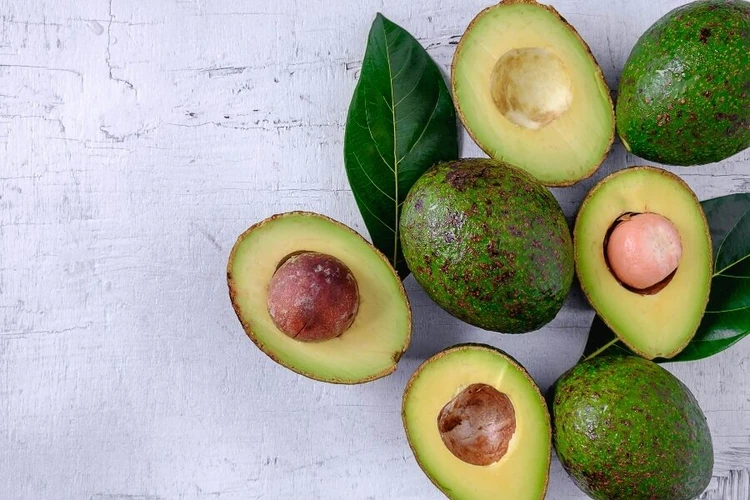
Eating one avocado per day can improve cholesterol, study finds

A new study conducted by researchers from Penn State explored the health benefits associated with eating avocados on a regular basis. According to their findings, avocados are can help lower bad cholesterol levels and improve diet quality. 

“Adherence to the Dietary Guidelines for Americans is generally poor in the U.S., and our findings suggest that eating an avocado per day can substantially increase overall diet quality,” said researcher Kristina Petersen. “This is important because we know a higher diet quality is associated with lower risk of several diseases including heart disease, type 2 diabetes, and some cancers.” 

Avocados can improve health long-term

For the study, the researchers analyzed data from over 1,000 participants who were either overweight or obese. One group of participants ate an avocado every day for six months; another group limited their avocado intake to two per month and continued eating as they normally would. The team measured their body weight, cholesterol, and fat in the abdomen at the start and end of the study. 

The researchers learned that eating avocados every day was linked with important health improvements. One benefit of eating more avocados was lower cholesterol; LDL cholesterol decreased by 2.5 mg/dL and total cholesterol decreased by 2.9 mg/DL. 

The team found that avocados didn’t play a significant role in the participants’ abdomen fat levels or other cardiometabolic risk factors. However, participants who ate avocados every day had better overall diet quality and didn’t gain weight. 

“While one avocado a day did not lead to clinically significant improvements in abdominal fat and other cardiometabolic risk factors, consuming one avocado a day did not result in body weight gain,” said researcher Joan Sabaté. “This is positive because eating extra calories from avocados doesn’t impact body weight or abdominal fat, and it slightly decreases total and LDL-cholesterol.”

Moving forward, the researchers hope consumers consider the health benefits of incorporating more avocados into their diets. 

“While the avocados did not affect belly fat or weight gain, the study still provides evidence that avocados can be a beneficial addition to a well-balanced diet,” said researcher Penny Kris-Etherton. “Incorporating an avocado a day per day in this study did not cause weight gain and also caused a slight decrease in LDL cholesterol, which are all important findings for better health.” 

Article Image

Eating more protein while dieting may lead to healthier food choices overall, study finds

A new study conducted by researchers from Rutgers University explored how consumers’ eating habits while dieting may affect their food choices long-term. According to their findings, eating more protein while on a diet may prompt consumers to choose healthier options overall. 

“The impact of self-selected dietary protein on diet quality has not been examined before, to our knowledge, like this,” said researcher Anna Ogilvie. “Exploring the connection between protein intake and diet quality is important because diet quality is often suboptimal in the U.S., and higher-protein weight loss diets are popular.” 

Improving diet long-term 

For the study, the researchers analyzed data from over 200 overweight or obese men and women between the ages of 24 and 75 involved in a six-month clinical trial. The participants followed a calorie-deficit diet for the duration of the study, and they recorded everything they ate. The team then assessed the quality of their diets to understand how healthy the participants were eating.

While the researchers recommended that the participants allot 18% of their daily calories to protein, the participants fell into two groups: 18% of calories coming from protein or 20% of calories coming from protein. Though the team found that both groups lost the same amount of weight, eating more protein improved the participants’ diets overall. 

Those who ate more protein were more likely to adopt other healthier eating habits. The study showed that higher-protein eaters reached for sugary foods less often and for green vegetables more often. Additionally, eating more protein helped the participants retain more of their lean muscle mass, as opposed to eating less protein on a regular basis. 

The researchers hope that these findings highlight the benefits associated with eating diets higher in protein, as they can help consumers adopt healthier habits long-term. 

“It’s somewhat remarkable that a self-selected, slightly higher protein intake during dieting is accompanied by higher intake of green vegetables, and reduced intake of refined grains and added sugar,” said researcher Sue Shapses. “But that’s precisely what we found.” 

Article Image

Eating ultra-processed foods linked to lower physical fitness in kids, study finds

A new study conducted by researchers from the American Society for Nutrition explored some of the risks associated with kids’ eating ultra-processed foods. They learned that kids who eat a lot of ultra-processed foods from a young age were more likely to have poorer physical fitness and cardiovascular health in their teens and beyond. 

“Healthy dietary and exercise behaviors are established at a very young age,” said researcher Jacqueline Vernarelli, Ph.D. “Our findings point to the need to educate families about cost-effective ways to reduce ultra-processed food intake to help decrease the risk for cardiovascular health problems in adulthood.” 

Long-term health risks

The researchers analyzed data from over 1,500 U.S. kids between the ages of three and 15 who were enrolled in the National Health and Nutrition Examination Survey/National Youth Fitness Survey. The kids were interviewed about their typical diets and exercise habits, and they also completed physical tests to gauge their fitness levels.

For kids under the age of five, the researchers measured locomotor development; older kids were measured by their cardiovascular fitness.

The study showed that children who ate more ultra-processed foods were more likely to have poorer physical fitness, regardless of their age. Older kids who had the poorest cardiovascular fitness were more likely to eat an average of nearly 230 more calories per day of ultra-processed foods. Similarly, the younger kids who struggled the most with locomotor development were eating an average of more than 270 calories per day of ultra-processed foods. 

Kids who ate the most ultra-processed foods reported regularly eating things like hotdogs, pizza, candy, packaged snacks, and chicken nuggets, among several others. While there are health risks for adults who follow this kind of diet, this study shows that there are similar risks for younger people. 

Moving forward, the researchers plan to get a better understanding of which types of processed foods kids are most drawn to and what meals tend to include these unhealthier options.

“Though highly-processed convenience foods are easy to throw into a school bag, our research shows the importance of preparing healthy snacks and meals,” said Dr. Vernarelli. “Think of it like saving for retirement: You’re making decisions now that will influence your child’s future.” 

Article Image

Most consumers are likely to overestimate the quality of their diets, study finds

A new study conducted by researchers from the American Society for Nutrition assessed how consumers think about their own diets. Ultimately, the majority of people are likely to report that they eat much healthier than they actually do. 

“We found that only a small percentage of U.S. adults can accurately assess the healthfulness of their diet, and interestingly, it’s mostly those who perceive their diet as poor who are able to accurately assess their diet,” said researcher Jessica Thomson. “Additionally, most adults overrate the quality of their diet, sometimes to a substantial degree.” 

Who’s eating healthy?

The researchers analyzed responses from nearly 10,000 adults enrolled in the National Health and Nutrition Examination Survey. Participants completed questionnaires about what they ate and drank in the last 24-hour period and then ranked how healthy they believed their diets to be. The researchers gave participants four categories to describe their diets: poor, fair, good, very good, or excellent. 

The researchers then used the questionnaires to come up with an overall rating of the participants' actual diets. Ultimately, about 85% of the participants inaccurately assessed their own diets, and 99% of those people scored their diets healthier than they actually were. 

Among participants who rated their diets as fair, good, very good or excellent, they only matched the researchers’ rankings between 1% and 18% of the time. However, those who determined their diets to be poor had much better success, matching the team’s ranking 97% of the time. 

Moving forward, the researchers hope that more work is done to get a better baseline understanding of consumers’ thought processes when choosing and ranking certain foods.  

“It’s difficult for us to say whether U.S. adults lack an accurate understanding of the components of a healthful versus unhealthful diet or whether adults perceive the healthfulness of their diet as they wish it to be – that is, higher in quality than it actually is,” Thomson said. “Until we have a better understanding of what individuals consider when assessing the healthfulness of their diet, it will be difficult to determine what knowledge and skills are necessary to improve self-assessment or perception of one’s diet quality.” 

Article Image

Eating eggs improves heart health, study finds

A new study conducted by researchers from eLife explored some of the heart health benefits consumers can gain by eating eggs. The study showed that having just one egg per day may lower the risk of developing cardiovascular disease. 

“Few studies have looked at the role that plasma cholesterol metabolism plays in the association between egg consumption and the risk of cardiovascular diseases, so we wanted to help address this gap,” said researcher Lang Pan. 

Eggs may benefit good cholesterol

The researchers analyzed data from nearly 5,000 people enrolled in the China Kadoorie Biobank. The participants left blood samples and the researchers analyzed their plasma for 225 metabolites that could be linked to egg consumption. When the study began, over 3,400 participants had cardiovascular disease and nearly 1,400 didn’t. 

Ultimately, the researchers identified a link between egg consumption and heart health. Participants who ate eggs on a regular basis had lower levels of potentially harmful metabolites and higher levels of beneficial metabolites. The opposite was also true; those who didn’t or rarely ate eggs had more metabolites in their blood linked with heart disease. 

The study also showed that eating more eggs was linked with improvements in high-density lipoprotein (HDL), or “good” cholesterol. Participants who regularly ate eggs had higher levels of the apolipoprotein A1 protein, which helps build up HDL levels. It also helps absorb cholesterol from blood vessels and lowers the risk of blockages. 

“Together, our results provide a potential explanation for how eating a moderate amount of eggs can help protect against heart disease,” said researcher Canqing Yu. “More studies are needed to verify the causal role that lipid metabolites play in the association between egg consumption and the risk of cardiovascular disease.” 

Article Image

Diet may affect kids' ADHD symptoms, study finds

A new study conducted by researchers from Ohio State University explored how kids’ diets may affect their ADHD symptoms. The findings showed that following a healthier diet, including eating more fruits and vegetables, is likely to reduce the severity of ADHD symptoms and improve kids’ focus and attention abilities. 

“What clinicians usually do when kids with ADHD start having more severe symptoms is increase the dose of their treatment medication, if they are on one, or put them on medication,” said researcher Irene Hatsu. “Our studies suggest that it is worthwhile to check the children’s access to food as well as the quality of their diet to see if it may be contributing to their symptom severity.” 

Improving diet may improve ADHD symptoms

The researchers conducted a few studies to better understand the link between kids’ diets and their ADHD symptoms. All three studies pulled data from 134 kids between the ages of six and 12 who were part of the Micronutrients for ADHD in Youth (MADDY) Study between 2018 and 2020. None of the children were taking medication for their ADHD when the study began. 

In the first study, the children’s parents answered questionnaires about their kids’ diets over the course of three months and their typical ADHD symptoms. The second study evaluated the efficacy of a supplement with 36 vitamins and minerals that were designed to treat ADHD symptoms. Finally, the third study examined how food insecurity can affect kids’ emotional regulation. 

The overarching theme from all three studies was that healthy eating was linked with less severe ADHD symptoms. The participants were better able to focus and pay attention when they were eating more fruits and vegetables.

Similarly, parents noticed improvements in their kids’ ADHD symptoms and overall emotional regulation when they took the specially-designed supplement. The supplement was three times as likely to help boost the kids’ focus and behavioral skills. 

The researchers explained that diet may play such an important role in ADHD symptoms because of the ways that food can affect neurotransmitters. When kids consume more vitamins and minerals, it may boost the neurochemicals that affect overall brain function. 

Food insecurity can affect ADHD

The third study focused specifically on food insecurity, and the researchers learned that struggles to access food can be detrimental to kids with ADHD. The study showed that food insecurity was linked with more anger and irritability. 

“Everyone tends to get irritated when they’re hungry and kids with ADHD are no exception,” Hatsu said. “If they’re not getting enough food, it could make their symptoms worse. 

“We believe clinicians should assess the food security status of children with ADHD before creating or changing a treatment program. Some symptoms might be more manageable by helping families become more food secure and able to provide a healthier diet.” 

Article Image

Eating cranberries may improve memory and reduce the risk of dementia, study finds

A new study conducted by researchers from the University of East Anglia explored how consumers’ diets may affect their memory. According to the findings, eating a cup of cranberries per day may improve memory skills and lower the risk of dementia. 

“Past studies have shown that higher dietary flavonoid intake is associated with slower rates of cognitive decline and dementia,” said researcher Dr. David Vauzour. “And foods rich in anthocyanins and proanthocyanidins, which give berries their red, blue, or purple color, have been found to improve cognition. 

“Cranberries are rich in these micronutrients and have been recognized for their antioxidant and anti-inflammatory properties. We wanted to find out more about how cranberries could help reduce age-related neurodegeneration.” 

Health benefits of cranberries

The researchers had 60 adults between the ages of 50 and 80 participate in a 12-week study. Half of the group ate one cup of freeze-dried cranberry powder for each day of the study; the second group ate a placebo. Both before and after the study, the researchers assessed the participants’ cognitive function and collected blood samples to measure their memory skills and cholesterol. 

The researchers observed important health benefits in the participants who ate cranberries every day. The group had significant improvements in visual episodic memory, which allows people to recall visual information they’ve seen. They also had stronger neural function and better blood flow to the brain. The team believes this can be an effective way for older consumers to lower their risk of dementia. 

“We found that participants who consumed the cranberry powder showed significantly improved episodic memory performance in combination with improved circulation of essential nutrients such as oxygen and glucose to the important parts of the brain that support cognition – specifically memory consolidation and retrieval,” Dr. Vauzour said. 

In addition to memory and cognitive benefits, the researchers also learned that eating the cranberry powder was linked with significantly lower levels of LDL cholesterol. The team explained that this improvement in vascular health may be linked with cognitive benefits. 

“Demonstrating in humans that cranberry supplementation can improve cognitive performance and identifying some of the mechanisms responsible is an important step for this research field,” said Dr. Vauzour. “The findings of this study are very encouraging, especially considering that a relatively short 12-week cranberry intervention was able to produce significant improvements in memory and neural function. This established an important foundation for future research in the area of cranberries and neurological health.” 

Article Image

Time-restricted eating may lower risk of heart disease for older breast cancer survivors

A new study conducted by researchers from the American College of Cardiology explored the heart health benefits associated with time-restricted eating. According to their findings, older breast cancer survivors were likely to have a lower risk of cardiovascular disease when they followed a time-restricted eating plan. 

The researchers analyzed data from 22 people who had received chemotherapy within the last six years. All of the participants were overweight or obese at the start of the study, and the group was comprised of people who were 66 years old, on average. 

The participants followed a time-restricted eating plan for eight weeks. During weekdays and on weekends, they were able to eat anything they wanted between the hours of 12 p.m. and 8 p.m. For the rest of the time, they were limited to liquids, such as tea, black coffee, and water. The researchers used the Framingham Risk Score to analyze the participants’ heart disease risk over the next decade. 

Ultimately, the team learned that limiting food intake in this way was beneficial for long-term heart health outcomes. When the study began, the participants’ risk of cardiovascular disease was nearly 11%. By the end of the eight weeks, that risk had dropped to 8.6%. 

The study showed that nearly 70% of the participants (15 of 22) had a high risk for cardiovascular disease at the start of the trial. However, eight of those 15 participants had dropped to low risk on the Framingham scale by the end of the study. Being in the “low risk” category puts consumers at a nearly 40% lower risk of serious cardiovascular events. 

“This rigorously designed, well-executed single-arm feasibility study generates important hypotheses and questions about the role of time-restricted eating relevant to cancer survivors,” said researcher Dr. Bonnie Ky. “We look forward to seeing research using practical lifestyle interventions continue to evolve and advance to improve the lives of our patients and survivors.” 

Article Image

Fear of being judged may prompt consumers to make healthier food choices, study finds

A new study conducted by researchers from City University London explored how different social dynamics may affect what consumers eat. According to the findings, being around new groups of people may prompt consumers to make healthier choices out of fear of being judged for unhealthier options. 

“We know that food plays an important role in social life and consumers often make inferences about others’ traits and characteristics based on their food choices,” said researcher Dr. Janina Steinmetz.  

Social pressure may affect food choices

For the study, the researchers conducted several different experiments to understand how social dynamics affected food choices. First, the team explored how people who are part of different groups – racial groups, university students, and workplace employees – were affected by eating with others who are in their groups versus outsiders. 

They learned that in each of the groups, being around newcomers led to healthier food choices. When university students were around students from other schools, they were more likely to choose healthier snacks; however, when in the presence of students from their own school, their snack choices weren’t as healthy. The same was true for participants of specific racial groups and employees at workplaces. 

The researchers explained that the feeling of judgment from people who are considered to be outsiders is what prompts much of this behavior. To avoid feeling judged for eating something unhealthy and to make a good impression in front of new people, consumers are more likely to make healthier choices. 

The team found similar results in another study of nearly 200 college students. The participants were offered either raisins or M&Ms as a snack when in the presence of either unknown students from their school or unknown students from another school. The participants were nearly three times as likely to choose the raisins when around students from a different school versus when they were with other students from their own schools. 

The team hopes these findings are used to help promote healthy eating habits, especially knowing that many consumers want to make a good impression in front of people they don’t know well. 

“Our research shows that we can use this important role of food for consumer welfare if we highlight that healthy food is not only good for consumers, but also helps them to impress others,” Dr. Steinmetz said. 

Article Image

High-fiber diets may be linked with lower antibiotic resistance in the gut, study finds

A new study conducted by researchers from the U.S. Department of Agriculture (USDA) explored the link between consumers’ diets and antibiotic resistance. According to their findings, eating at least eight to 10 grams of soluble fiber each day may be linked with a lower incidence of antibiotic resistance in the gut. 

“...The results lead directly to the idea that modifying the diet has the potential to be a new weapon in the fight against antimicrobial resistance,” said researcher Danielle Lemay. “And we’re not talking about eating some exotic diet either, but a diverse diet, adequate in fiber, that some Americans already eat.” 

How diet affects antibiotic resistance

For the study, the researchers analyzed data from nearly 300 adults enrolled in the USDA Nutritional Phenotyping Study. The participants completed questionnaires about their typical diets, and the researchers performed metagenome sequencing to understand how the participants’ diets were affecting bacteria diversity in their guts. 

The study showed that the participants’ diets had a direct impact on bacterial diversity. For starters, the study showed that diets higher in fiber and lower in protein were linked with the lowest levels of antimicrobial resistant genes (ARG). This also means that these participants had the greatest bacterial diversity in the gut, which ultimately helps fight off antibiotic resistance. 

However, the team found that the opposite was also true – higher levels of ARG were linked with poorer bacterial diversity in the gut. The study suggests that the best gut health outcomes were associated with diets that were high in soluble fibers, like legumes, grains, seeds, and some fruits and vegetables.

“Surprisingly, the most important predictor of low levels of ARG, even more than fiber, was the diversity of the diet,” Lemay said. “This suggests that we may want to eat from diverse sources of foods that tend to be higher in soluble fiber for maximum benefit.

“Our diets provide food for gut microbes. This all suggests that what we eat might be a solution to reduce antimicrobial resistance by modifying the gut microbiome.” 

Though the team plans to do more work in this area, these findings highlight the ways that diet may play an important role in beating antibiotic resistance. 

“In the end, dietary interventions may be useful in lessening the burden of antimicrobial resistance and might ultimately motivate dietary guidelines that will consider how nutrition could reduce the risk of antibiotic-resistant infections,” Lemay said. 

Article Image

Eating less and at the right times may help you live longer, study finds

A new study conducted by researchers from the Howard Hughes Medical Institute explored how the timing and quantity of meals can affect consumers’ lifespan. According to the findings, altering two key factors – calorie consumption and meal timing – may improve longevity. 

Researcher Rafael de Cabo said the study “is a very elegant demonstration that even if you are restricting your calories but you are not [eating at the right times], you do not get the full benefits of caloric restriction.” 

How metabolism affects aging and lifespan

The researchers conducted a four-year study on hundreds of mice to better understand the ways that fasting, circadian rhythm, and calories affect longevity. One group of mice was allowed to eat as much as they wanted. The second group of mice had their calories cut back by 30-40% and ate on a time-restricted eating schedule.

The researchers learned that the combination of limiting calories and eating meals on a time-restricted schedule was linked with the greatest lifespan improvements. The mice that simply had their calories reduced over the course of the study lived 10% longer, but those that were fed solely at night and also had their calories cut by 40% were able to live 35% longer. The researchers explained that the mice involved in the study typically live for two years, but these mealtime interventions added an extra nine months to their lifespans. 

The team pointed out that making these changes to how much the mice were eating and when they were eating was not associated with weight loss. Instead, the improvements in lifespan were the greatest benefits linked with these meal-time changes. 

Restricted eating schedules can improve metabolism

Our metabolism becomes less active as we age, and the cells linked to inflammation become more active. The researchers say our goal should be to eat during times when the body is most active while cutting overall calorie intake. This can help improve our metabolism from an aging perspective. 

The team hopes to conduct future research in this area to identify other interventions that can help the metabolism long-term. 

“If we find a drug that can boost your [circadian] clock, we can then test it in the laboratory and see if that extends lifespan,” said researcher Joseph Takahashi. 

Article Image

Virtual cooking classes expand kids' knowledge of nutrition, study finds

While recent studies have shown that exposing kids to healthy cooking shows can help them make healthier choices, a new study explored how virtual cooking classes can also be beneficial to their health. 

Experts found that kids who participate in virtual cooking classes are likely to expand their knowledge of nutrition. 

“Amid parental concerns regarding poor nutrition and lack of cooking skills among youth in Flint, Michigan, a team of local dietitians, chefs, and researchers created Flint Kids Cook (FKC),” the researchers wrote. “A trained chef and registered dietitian co-facilitated interactive lessons designed to increase knowledge and develop skills to prepare healthy meals and snacks at home. FKC demonstrated early success in reaching low-income youth and improving cooking self-efficacy, attitude towards cooking, and quality of life of young participants.” 

Encouraging healthy eating

The FKC classes totaled 7.5 hours of live education over the course of five consecutive weeks, and they covered everything from roasting, knife skills, baking, and the health benefits of specific foods, among several other important topics. To understand the impact this had on kids, the researchers conducted surveys before the classes began and after five weeks.

Ultimately, the researchers learned that these classes were effective for several reasons. One of the most important findings was that the kids felt confident in their ability to pick out, make, and eat healthy foods at the end of the five weeks. They also reported having more confidence when it came to navigating a kitchen.

The researchers found that the benefits of the classes extended beyond just the participating kids -- they were helpful to the whole family.

“One very important part of the class that is happening because of the virtual platform is that families are not participating in the classes together as opposed to children participating in the class individually, apart from their family,” said researcher Amy Saxe-Custack, Ph.D. “We started to see parents becoming much more involved in the education and sitting at the table once the meals were prepared for a family dinner.” 

Article Image

Low-salt diets may help patients with heart failure, study finds

A new study conducted by researchers from the University of Alberta explored how consumers’ salt consumption impacts their heart health. 

According to their findings, limiting salt intake may help reduce symptoms related to heart failure, including fatigue, swelling, coughing, and overall quality of life; however, this diet change was not linked with a lower risk of emergency room visits or mortality risk. 

“We can no longer put a blanket recommendation across all patients and say that limiting sodium intake is going to reduce your chances of either dying or being in the hospital, but I can say comfortably that it could improve people’s overall quality of life,” said researcher Justin Ezekowitz.  

Limiting salt intake

For the study, the researchers followed over 800 patients with heart failure who were receiving care in New Zealand, the United States, Chile, Canada, Mexico, and Colombia. Half of the participants received counseling that guided them through eating less salt, and the other half of the participants carried on with their diets as they normally would. The researchers tracked key health outcomes for patients with heart failure: emergency room visits, hospitalization, and mortality risk.  

Prior to any interventions, the participants consumed an average of 2,217 mg of sodium each day; guidelines recommend that consumers keep their salt intake to 1,500 mg per day. Participants who received guidance on eating more heart-healthy options reduced their salt intake to 1,658 mg of sodium per day after one year of the study. 

The researchers learned that these efforts helped reduce the severity of heart failure-related symptoms. Participants experienced less swelling, fatigue, and coughing while enjoying a better overall quality of life.

However, some of the more important measures of heart failure – ER visits, hospitalizations, and mortality – were not affected by consuming less salt. Four percent of patients eating less sodium and 4% of patients who didn’t change their diets required emergency medical care related to heart failure. Ten percent of patients in the low sodium group were hospitalized for heart failure, compared to 12% of patients who didn’t change their diets. All-cause death affected 6% of the group who ate less salt and 4% of the group with no diet change. 

While the team plans to do more work in this area moving forward, they hope these findings emphasize the benefits associated with reducing salt intake. Though this intervention may not improve major health outcomes, it can help consumers struggling with heart failure on a daily basis. 

Article Image

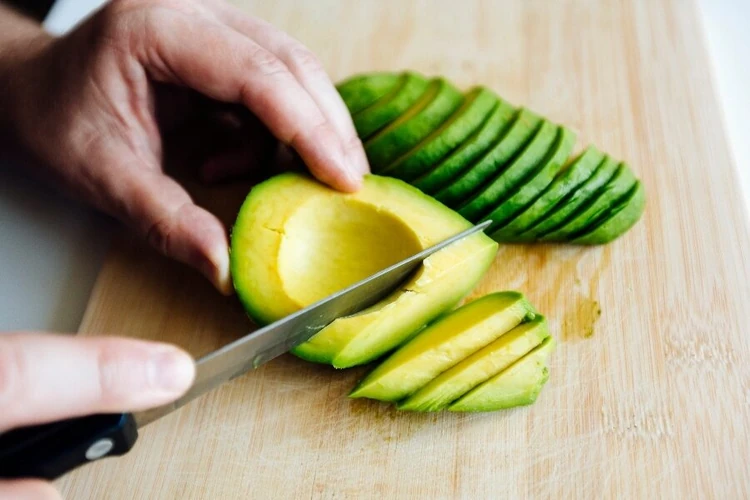
Eating two servings of avocados per week lowers risk of heart disease, study finds

A new study conducted by researchers from the American Heart Association (AHA) explored the heart health benefits linked with avocados. Their findings showed that eating two servings of avocados each week may lower consumers’ risk of cardiovascular disease. 

“Our study provides further evidence that the intake of plant-sourced unsaturated fats can improve diet quality and is an important component in cardiovascular disease prevention,” said researcher Lorena S. Pacheco, Ph.D. “These are particularly notable findings since the consumption of avocados has risen steeply in the U.S. in the last 20 years, according to data from the U.S. Department of Agriculture.” 

Healthier foods lead to better outcomes

For the study, the researchers analyzed data from nearly 70,000 women in the Nurses’ Health Study and over 41,000 men in the Health Professionals Follow-Up Study. Participants completed questionnaires on how often they ate certain foods at the beginning of the study and then followed up every four years for 30 years. The researchers then analyzed the correlation between diet choices and long-term heart health. 

The researchers learned that avocados were beneficial for the participants’ cardiovascular health. The study showed that those who ate at least two servings of avocados each week, which is about one avocado, were 16% less likely to develop cardiovascular disease and 21% less likely to develop coronary heart disease. 

The study also showed that consumers who swapped out unhealthy fat options with avocados had better heart health outcomes. For example, choosing avocados over butter, margarine, cheese, or bacon was linked with as high as a 22% lower risk of heart disease. 

The researchers hope health care professionals encourage consumers to make these simple diet changes in an effort to promote better long-term heart health. 

“These findings are significant because a healthy dietary pattern is the cornerstone for cardiovascular health, however, it can be difficult for many Americans to achieve and adhere to healthy eating patterns,” said researcher Cheryl Anderson, Ph.D. 

“Although no one food is the solution to routinely eating a healthy diet, this study is evidence that avocados have possible health benefits. This is promising because it is a food item that is popular, accessible, desirable, and easy to include in meals eaten by many Americans at home and in restaurants.” 

Article Image

Following a Nordic diet may lower blood sugar and cholesterol, study finds

A new study conducted by researchers from the University of Copenhagen explored how following a Nordic diet may be beneficial for consumers’ health. 

The team explained that following this diet plan was linked with improvements to cholesterol and blood sugar levels. While consumers may be more likely to lose weight while following the Nordic diet, the researchers say the health benefits aren't solely tied to that outcome.

“It’s surprising because most people believe that positive effects on blood sugar and cholesterol are solely due to weight loss,” said researcher Lars Ove Dragsted. “Here, we have found this not to be the case. Other mechanisms are also at play.” 

Improving health with diet choices

The researchers had 200 participants over the age of 50 with high BMIs involved in the study. Over the course of six months, the participants were divided into two groups: one group ate as they normally would while the second group ate foods consistent with a Nordic diet. This diet focuses primarily on plant-based options, foods that are local to Nordic countries, and complex carbs.

The researchers then analyzed blood and urine samples from the participants to better understand how the diets affected their health outcomes. At the end of the study, the link between the Nordic diet and long-term health benefits was clear. Following this eating plan led to significant health improvements in key areas for the participants. 

“The group that had been on the Nordic diet for six months became significantly healthier, with lower cholesterol levels, lower overall levels of both saturated and unsaturated fat in the blood, and better regulation of glucose, compared to the control group,” said Dragsted. “We kept the group on the Nordic diet weight stable, meaning that we asked them to eat more if they lost weight. Even without weight loss, we could see an improvement in their health.” 

The researchers believe the Nordic diet was so beneficial to the participants’ health because of its fat composition. They explained that participants who followed the diet were eating fewer processed foods and getting their dietary fats from flaxseeds, fish, sunflower oil, and canola oil. 

“By analyzing the blood of participants, we could see that those who benefited most from the dietary change had different fat-soluble substances than the control group,” Dragsted said. “These are substances that appear to be linked to unsaturated fatty acids from oils in the Nordic diet. This is a sign that Nordic dietary fats probably play the most significant role for the health effects seen here, which I hadn’t expected. 

“We can only speculate as to why a change in fat composition benefits our health so greatly.” However, we can confirm that the absence of highly processed food and less saturated fat from animals have a very positive effect on us. So, the fat composition in the Nordic diet, which is higher in omega-3 and omega-6 unsaturated fats, is probably a considerable part of the explanation for the health effects we found from the Nordic diet, even when the weight of participants remains constant.”

Article Image

Reducing or eliminating meat consumption reduces risk of cancer, study finds

Recent studies have revealed how eating less meat may be better for consumers’ health, and now a new study explored how meat consumption may affect cancer risk. According to the findings, eating less meat or cutting it out completely may reduce consumers’ risk of developing cancer. 

“In this large British cohort, being a low meat-eater, fish-eater, or vegetarian was associated with a lower risk of all cancer sites when compared to regular meat eaters,” the researchers wrote. 

Health benefits of eating less meat

For the study, the researchers analyzed data from over 472,000 British adults enrolled in the U.K. Biobank between 2006 and 2010. The participants reported how frequently they consumed meat and fish, and the researchers tracked their health over the course of 11 years. 

The study showed that the less meat the participants ate, the lower their risk was of developing cancer. Compared with those who ate meat five times or less per week, vegetarians and vegans were 14% less likely to be diagnosed with cancer. Those who ate fish were 10% less likely to be diagnosed with cancer. 

The team also looked at how the participants’ diets impacted the risk of specific cancers. The risk of breast cancer was nearly 20% lower in postmenopausal women who had cut out meat entirely. Similarly, men who were vegetarians were 31% less likely to develop prostate cancer. Those who ate fish but not other types of meat were 20% less likely to be diagnosed with prostate cancer. Those who ate meat five times or less each week were 9% less likely to develop colorectal cancer. 

While the team plans to do more work in this area to better understand how diet affects cancer risk, these findings highlight the effect that meat can have on long-term health outcomes. 

Article Image

Children's diets may be more influenced by what they dislike than what they like

A new study conducted by researchers from Penn State explored the factors that go into kids’ eating habits. 

According to their findings, knowing what foods kids don’t like may be more important than knowing what foods they do like. Their work showed that when kids are given a meal, their dislikes are more likely to motivate what they eat than the things they like. 

“For 50 plus years, we’ve known liking and intake are positively correlated, but this often leads to the mistaken assumption that if it tastes better, you will eat more,” said researcher John Hayes. “Reality is a bit more nuanced. In adults, we know that if you really like a food, you may or may not eat it. But if you don’t like it, you’ll rarely or never eat it. These new data show the same pattern is true in young kids.” 

Understanding kids’ food habits

The researchers had 61 kids between the ages of four and six participate in an experiment that tested their eating habits. The children were given trays with seven foods and two drinks – broccoli, cherry tomatoes, chicken nuggets, ketchup, cookies, grapes, chips, milk, and fruit punch. The kids ranked each item on a scale from super bad to super good, and then they consumed as much of the foods and drinks as they wanted. 

The researchers learned that the foods the kids disliked proved to be a stronger indicator of what they ate than the foods they ranked as their favorites. 

“In other words, rather than high-liking driving greater intake, our study data indicate that lower-liking led children to avoid some foods and leave them on the plate,” said researcher Kathleen Keller. “Kids have a limited amount of room in their bellies, so when they are handed a tray, they gravitate toward their favorite thing and typically eat that first, and then make choices about whether to eat other foods.” 

Others’ opinions can influence kids 

While kids have certain foods that they naturally are more inclined to eat, the researchers also explained that they may be swayed by those around them. They believe kids’ perceptions of different foods and drinks, mainly what they hear from their family members and friends, can also influence their opinions. 

“They pick up on what is said around the table about what foods are good, and while that may not actually correspond to kids eating them, they are taking it all in, and that’s affecting their perceptions of foods,” Keller said.

“Milk is a good example of that – for some families, there may be a health halo effect around milk. Kids learn from an early age that drinking milk will give them a strong body, so they may drink milk even if it’s not their favorite beverage.” 

Article Image

Many middle-aged men think gaining weight is inevitable, study finds

While gaining weight can be a touchy subject for many consumers, a new study conducted by researchers from Anglia Ruskin University explored middle-aged men’s experience with weight gain. 

According to their findings, many middle-aged men view weight gain as an inevitability in their lives. As a consequence, their self-worth and overall moods may take a hit. 

“Obesity is increasing in the U.K. among men despite public health messaging, and one of the factors is that we are becoming increasingly time-poor,” said researcher Dr. Mark Cortnage. “One of the themes in our research was how some men had undertaken successful weight loss initiatives in the past, but had soon put the weight back on because the diets had been incompatible with their lifestyles in the longer term.”

Understanding perceptions of weight gain

For the study, the researchers interviewed eight men between the ages of 35 and 58 who were enrolled in a football-based weight management program, the Alpha Programme (TAP). The participants answered questions about how they felt about their weight gain, what they thought contributed to weight gain, how they felt about their health, and any previous weight loss efforts. 

The researchers learned that weight gain impacted the participants on an emotional level. Many of them felt bad about themselves for gaining weight and had lost a lot of the hope they had about living healthier. 

Many of the men in the study said their job and family responsibilities were primarily responsible for their weight gain, but there was also an overarching theme that gaining weight was inevitable for them. Many of the participants reported accepting weight gain as an expected part of life, primarily because of their lifestyles. However, the researchers also learned that few of the men recognized how their own eating habits impacted their weight gain.  

“There is a tendency to forget how much our lifestyle, in particular family and employment, impact on weight gain,” Dr. Cortnage said. “This weight gain takes place over years and decades, and as such, short-term dietary options fail to influence the deeper behavioral and lifestyle issues.” 

Increasing education on nutrition

While many of the men felt hopeless when it came to weight gain, it was difficult for them to make lasting changes to their eating habits. The goal now for the researchers is to help make nutrition information and education more widely accessible to help consumers make better choices. 

“Although they often mentioned comfort eating, participants also showed poor awareness of other factors that cause weight gain,” said Dr. Cortnage. “Many men would benefit from an education around food, such as food selection, integration of diet, sustainable weight management practices, in order to develop a more complete understanding of the relationships between food and lifestyle.” 

Article Image

Following a healthier diet could add 10 years to your life expectancy

A new study conducted by researchers from the University of Bergen explored how consumers’ diets may impact how long they live. According to their findings, swapping a traditional Western diet – which includes processed foods and red meat – for more whole grains and nuts may add 10 years to consumers’ life expectancy. 

“Research until now has shown health benefits associated with separate food groups or specific diet patterns but given limited information on the health impact of other diet changes,” said researcher Lars Fadnes. “Our modeling methodology has bridged this gap.” 

Making long-term healthy choices

The researchers analyzed data from the Global Burden of Diseases study and other previous studies that focused on diet and longevity to better understand the relationship between the two.

The team was primarily interested in seeing how life expectancy changed based on consumers’ intake of things like fruits and vegetables, fish, eggs, red meat, whole grains, processed foods, dairy products, and sugar-sweetened beverages. They created a model, the Food4HealthyLife Calculator, to estimate how diet choices impact longevity. 

The researchers learned that moving away from a traditional Western diet and opting for healthier foods was beneficial for consumers’ life expectancy. The work showed that the positive impacts on longevity were even more significant for younger consumers who switched their diets than older consumers. 

For example, young women who ate healthier improved their life expectancy by nearly 11 years, while young men increased their life expectancy with a healthy diet by 13 years. For consumers over the age of 60, diet changes added nearly nine years onto men’s lives and eight years onto women’s lives, respectively. By the time consumers reached 80, a healthy diet was linked with adding more than three years onto life expectancy. 

The team also narrowed down the foods that were most beneficial in terms of longevity and which were the most detrimental to a longer life. Red meat and processed meat were two of the foods to avoid for life expectancy, while nuts, legumes, and whole grains were all linked with the greatest increases in life expectancy. 

The researchers hope these findings prove to be useful for consumers because their dietary choices can have long-term impacts on their health and wellness.  

“Understanding the relative health potential of different food groups could enable people to make feasible and significant health gains,” the researchers wrote. “The Food4HealthyLife calculator could be a useful tool for clinicians, policymakers, and lay-people to understand the health impact of dietary choices.” 

Article Image

Natural supplement use among athletes linked to heart concerns

A new position paper written by experts from the European Society of Cardiology explored some of the health risks associated with natural supplements. According to their findings, supplements geared towards athletes that are designed to boost performance may actually increase the risk for serious heart concerns. 

“Caffeine is a prime example of a natural substance that is considered safe,” said researcher Dr. Paolo Emilio Adami. “While caffeine improves performance, particularly aerobic capacity in endurance athletes, its abuse may lead to fast heart rate (tachycardia), heart rhythm disorders (arrhythmias), high blood pressure, and in some cases sudden cardiac death.” 

Being mindful of supplements 

For the paper, the experts looked into various substances that are marketed to athletes to help them improve their overall athletic performance. While many supplements are marketed to be natural and beneficial for health and wellness, the team found that there may be adverse health effects linked with many of these products. 

“Nutritional supplements are commonly viewed as risk-free substances that may improve performance,” the researchers wrote. “Some nutritional supplements, including various plant and ‘natural’ extracts, may pose a serious health risk and athletes may even risk contravening anti-doping rules.” 

The researchers explained that athletes often combine supplements -- like caffeine, creatine, multivitamins, or other vitamin supplements -- but don't realize that they're putting their health at risk. If athletes take incorrect dosages or mix supplements that can have adverse effects, there is a higher likelihood of heart health concerns. 

Substances like peptides or anabolic steroids have been linked with significant health concerns. The researchers' work showed that peptides are likely to have long-term health risks, while anabolic steroids have been linked with cardiovascular-related deaths. 

“In many cases, sportspeople use a mix or cocktail of substances to improve their performance and the interaction between them can also be extremely dangerous,” Dr. Adami said.

“All doping substances are risky and their use as medications should only be allowed when prescribed by a physician to treat a medical condition, when no therapeutic alternatives are available, and following the Therapeutic Use Exemption (TUE) requirements. Based on the dose, the duration of use, and the interaction with other substances, the health consequences can vary and in some cases be lethal. From a cardiovascular perspective, they can cause sudden cardiac death and arrhythmias, atherosclerosis and heart attack, high blood pressure, heart failure, and blood clots.”

Use quality products and be careful

Moving forward, the researchers hope athletes seriously consider the supplements they’re taking, including the dosage and how the different products might interact with each other. 

“Athletes should be aware that nutritional supplements and substances are not necessarily safe and should only be used if recommended by professional nutritionists,” Dr. Adami said. “It is fundamental to use products from well-established manufacturers with known and internationally approved good quality standards.” 

Article Image

Healthy foods should be the same for kids and adults, experts say

A new report is calling into question many previously held beliefs about what’s considered healthy for kids versus adults. A team of researchers has stated that there is no age limit on healthy foods; kids can eat the same healthy foods that their parents are eating. 

“If you think about kids’ food, the archetype of terminology that we widely use to describe the food that we feed our children, it’s really a social norm or societal construct that we’ve perpetuated,” explained researcher Pamela Rothpletz-Puglia. 

Healthy foods are healthy for everyone

The researchers explained that there have been long-standing beliefs across the U.S. that kids’ food is its own category; children between the ages of two and 14 are likely to eat foods that are unique to their age group, whether at home, at a birthday party, or out in a restaurant. The team says this ultimately translates into foods that are more processed, contain more sugar, and are higher in fat. 

For example, when dining out in restaurants, kids’ food is designated to its own separate menu. The researchers say those choices are almost always fried and processed, and they’re designed to be attractive to young kids. 

In their report, the team calls for changes to the way that consumers think about food. Certain food groups shouldn’t be assigned strictly to adults or strictly to children. Instead, adults should be focusing on the nutrient content in all foods and tailoring portion sizes to their children’s ages. 

Strengthening public education on nutrition

Perhaps the biggest takeaway from the report is that children can – and should be – eating the same healthy foods that adults are eating. The researchers are calling on public health officials, food industry professionals, and the media to continue spreading this message to parents. 

The team wants kids' menus to change so that they include healthy options that are appealing across the board. They say if kids are more regularly exposed to healthy foods and they understand the benefits of following a healthy lifestyle, it’s likely to have a long-term impact on society. 

“I think we need to partner with communities, the food industry, and policy makers,” said Rothpletz-Puglia. “We need to partner and create mutually beneficial solutions.” 

Article Image

Consuming more olive oil lowers risk of dying from cardiovascular disease, study finds

Many recent studies have pointed to the heart health benefits of following the Mediterranean diet, and one of the key ingredients involved in this food plan is olive oil. 

Now, researchers from the American College of Cardiology have found that consuming more olive oil – while lowering intake of other fats like butter, mayonnaise, or margarine – may reduce the risk of dying from cardiovascular disease. 

“Our findings support current dietary recommendations to increase the intake of olive oil and other unsaturated vegetable oils,” said researcher Marta Guasch-Ferré. “Clinicians should be counseling patients to replace certain fats, such margarine and butter, with olive oil to improve their health. Our study helps to make more specific recommendations that will be easier for patients to understand and hopefully implement into their diets.” 

Olive oil is better for heart health

For the study, the researchers analyzed data from over 90,000 people enrolled in the Nurses’ Health Study and the Health Professionals Follow-Up Study. The team followed the participants for nearly 30 years, evaluating questionnaires about their diets every four years. The participants recorded everything they ate, including things like salad dressings or baked goods that would contain olive oil or other fats. 

The researchers learned that consuming more olive oil was linked with the greatest health benefits. The study showed that those who consumed the most olive oil had a nearly 30% lower risk of neurodegenerative mortality, a 19% lower risk of heart disease-related mortality, and a 17% lower risk of cancer mortality. 

Choosing olive oil over other fats was linked with better overall health outcomes. Swapping out 10 grams per day of fats like butter and margarine for olive oil was linked with as high as a 34% lower risk of mortality. 

“It’s possible that higher olive oil consumption is a marker of an overall healthier diet and higher socioeconomic status,” Guasch-Ferré said. “However, even after adjusting for these and other social economic status factors, our results remained largely the same. Our study cohort was predominantly a non-Hispanic white population of health professionals, which should minimize potentially confounding socioeconomic factors, but may limit generalizability as this population may be more likely to lead a healthy lifestyle.” 

Moving forward, the researchers believe future studies need to focus on more of the concrete details associated with this relationship between olive oil and long-term heart health. 

“The current study and previous studies have found that consumption of olive oil may have health benefits,” said researcher Susanna C. Larsson Ph.D. “However, several questions remain. Are the associations causal or spurious? Is olive oil consumption protective for certain cardiovascular diseases, such as stroke and atrial fibrillation, only or also for other major diseases and causes of death? What is the amount of olive oil required for a protective effect? More research is needed to address these questions.” 

Article Image

Teens consume more sugar when they don’t get enough sleep, study finds

A new study conducted by researchers from Brigham Young University explored how teens’ sleeping patterns may impact their physical health. Their work revealed that teens who aren't getting enough sleep may be more likely to consume 4.5 more pounds of sugar each school year. 

“Shortened sleep increases the risk for teens to eat more carbs and added sugars and drink more sugar-sweetened beverages than when they are getting a healthy amount of sleep,” said researcher Dr. Kara Duraccio. 

Lack of sleep leads to worse food choices

The researchers had over 90 teenagers participate in a two-week study that tracked their sleeping and dietary patterns. For one week, the group slept for six and a half hours each night. During the next week, they slept for nine hours each night. The team recorded the participants’ diets over the course of the study while paying close attention to their calorie intake and the types of foods they were eating. 

Ultimately, the researchers identified a clear link between the teens’ sleeping patterns and their dietary choices. Getting less sleep each night was linked with eating fewer fruits and vegetables and more carbs and sugary foods and drinks – especially late at night. The researchers found that sleeping less didn't cause the teens to eat more; instead, they were more attracted to sugary items. 

“We suspect that tired teens are looking for quick bursts of energy to keep them going until they can go to bed, so they’re seeking out foods that are high in carbs and added sugars,” Duraccio said.

Over 4 more pounds per sugar

Over time, consuming more sugar can have significant effects. The researchers explained that when the teens were on the shortened sleep schedule, they consumed 12 extra grams of sugar per day; over the course of the entire school year, this translates to 4.5 pounds of extra sugar. 

The team hopes these findings highlight the importance of sleep on long-term health and wellness. While it may be difficult for teens to stay on a regimented schedule, doing so can help promote better food choices. 

“It’s human nature to think that when we have a long to-do list, sleep should be the first thing to go or the easiest thing to cut out,” Duraccio said. “We don’t recognize that getting enough sleep helps you accomplish your to-do list better. Sleep health should be incorporated into all prevention and intervention modules for child obesity.”