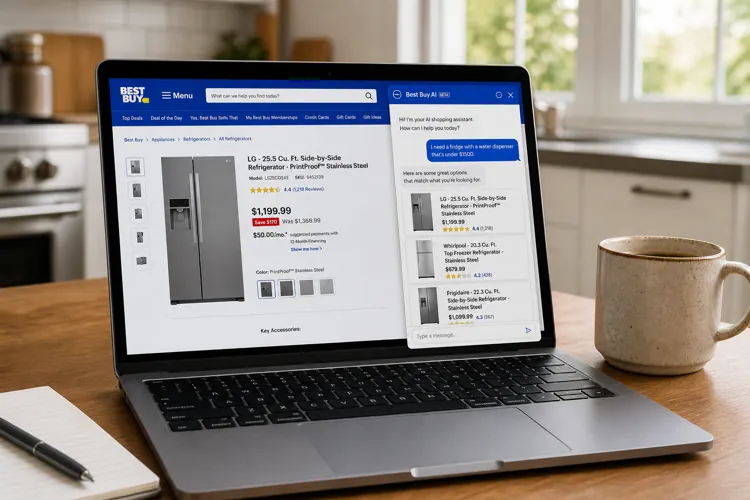

NatWest and Bank of America are among banks warning that AI shopping agents could expose consumers to scams, fraud, and privacy breaches.
Potential problems include mishandled card details, purchases that exceed shoppers’ instructions, and payment methods with weaker protections.
Consumers can reduce their exposure by approving purchases themselves, checking sellers independently, and paying by credit card when possible.
Artificial intelligence promises to make shopping easier by finding products, comparing prices, and completing purchases. But major banks are warning that handing those decisions to software could create new opportunities for fraud.
NatWest and Bank of America are among a group of lenders calling for stronger safeguards as “agentic commerce” — shopping systems that can act on a customer’s behalf — develops. The banks say the technology is moving faster than industry standards and consumer protections, according to Reuters.
Their concerns include agents requesting card details and entering them directly into websites, or directing shoppers toward payment methods that provide weaker protections. Customers also could face uncertainty about whom to contact when an automated purchase goes wrong.
The banks want clearer disclosure when AI participates in transactions, more transparency about how agents make decisions, and stronger protection for customer information.
For consumers, the practical implication is that an automated recommendation should receive the same scrutiny as any unfamiliar online offer. A convenient shopping experience does not establish that the seller is trustworthy.
What to do
Several precautions can help:
Keep control of the checkout. Where settings allow, require approval before every purchase and set firm spending limits. Review the seller, exact item, quantity, total price, and payment method before authorizing an order. If a service cannot provide those controls, consider using it only to research purchases.
Check the merchant independently. The Federal Trade Commission (FTC) recommends searching a seller’s name alongside words such as “complaint” or “scam,” and consulting reviews from multiple sources. Check return policies and delivery promises. An encrypted website — identified by “https” in its address — does not establish that the business is legitimate.
Choose the payment method yourself. The FTC recommends credit cards for online shopping because they offer protections when purchases go wrong. Avoid sellers that insist on gift cards, wire transfers, cryptocurrency, or payment apps as the only way to pay. These demands can signal a scam.
Limit what you share. Avoid pasting banking passwords, security codes, or full card details into ordinary chatbot conversations. Before connecting a payment account, examine the service’s permissions and privacy terms. Understand how to disconnect the account and stop future purchases.
Keep the instructions
Save evidence of your instructions. Along with receipts and seller communications, retain the instructions you gave the agent, spending limits, and purchase approvals. Those records could help explain a disputed transaction.
If something goes wrong, act quickly. Contact the card issuer, bank, or payment provider through its official app or a verified phone number, explain what happened, and ask whether the payment can be reversed. Describe accurately what you authorized and what the bot actually did.
The FTC also recommends changing compromised passwords, enabling two-factor authentication, and reporting scams atReportFraud.ftc.gov. Recovery is not guaranteed, but prompt reporting gives the payment provider an opportunity to help.