
Most dates are about quality, not safety. “Sell by” = store stock; “best by” = taste; “use by” = pay closer attention (esp. refrigerated). Infant formula is the exception
Use the 3 checks: stored right (time/temp)? smell/look off? package damaged? Bulging/leaking/badly dented cans = toss
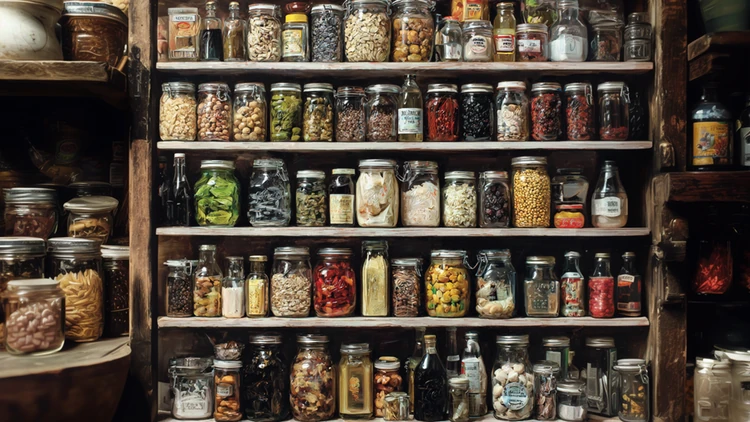
Pantry staples that don’t care (stored dry/sealed/pest-free): honey, salt, sugar, vinegar, dry pasta, white rice, dried beans, cornstarch, baking soda (weaker), canned goods (if can is OK)
If your fridge has a weekly “expiration purge,” it’s time to consider if you might be tossing money more than tossing any potential danger.
Most date labels on food are about peak quality, not necessarily food safety. And because there’s no single, universal federal standard for date phrases across all foods, brands use a mix of “sell by,” “best by,” and “use by” that sounds scarier than it is. The USDA’s Food Safety and Inspection Service has even pushed for a simpler, clearer label: “Best if Used By”.
The one big exception I want to bring up: infant formula. That date matters.
Below is your cheat sheet to decode the labels the right way. Plus, you’ll learn the products where the date stamps basically don’t apply when you store the items correctly.
The label decoder you actually need
“Sell By” date
The “Sell By” date is mainly used by the grocery store itself. The date helps employees manage inventory and rotate (or remove) older products when needed.
Don’t consider it a “trash it tomorrow” date that you must follow. Instead, think of it more as a “it’s time to consider the freshness and flavor” if you’ve gone past the printed “Sell By” date.
Items where you tend to see the “Sell By” date:
Milk (and other refrigerated dairy like half-and-half)
Yogurt and sour cream
Packaged deli meats (and hot dogs)
Fresh bread and bakery items
Bagged salads and pre-cut produce
“Best By” / “Best if Used By” date
Think of this date as the manufacturer telling the consumer that this is when it tastes best.
After that date, the quality can deteriorate in terms of texture, flavor, and freshness. But it may still be fine to eat if it was handled safely.
The FDA explicitly supports “Best if Used By” as the standard quality phrase that will hopefully be universally adopted soon.
Items where you often see the “Best By” date include:
Cereal + granola
Chips, crackers, cookies
Peanut butter + nut butters
Canned foods
Pasta, rice, boxed mac & cheese
“Use By” date
Think of the “Use By” date as the last recommended date for best quality.
It still doesn’t automatically mean “unsafe,” but it’s a stronger signal to pay attention to. In other words, consider how the product was stored and if there are any signs of spoilage.
Items where you tend to see the “Use By” date include:
Fresh meat and poultry
Pre-made deli / refrigerated grab-and-go foods
Refrigerated ready-to-bake dough
Eggs
Pro tip: Your fridge temperature matters more than the date stamp. FSIS recommends keeping your refrigerator at 40°F or below. And for long-term freezing, keep your freezer at 0°F or below.
The real question: Is it a safety or quality issue?
Think about it this way, the more perishable the item (fresh meat, deli stuff, ready-to-eat refrigerated foods), the more you should respect time and temperature. How old is the item and what temperature has it been stored at?
For many pantry staples and shelf-stable foods, the printed date basically serves as a “we guarantee taste until this date” proclamation.
Whenever you stumble across something in your kitchen or pantry that seems a little suspicious, run it through this quick 3-step check:
Was the product stored correctly and at the correct temperature?
Does it look or smell off or weird?
Is the package damaged or dented (especially cans and jars)?
Pro tip: The USDA says to never use food from cans that are leaking, bulging, or badly dented. The CDC also flags bulging/swollen containers, spurting liquid/foam, or bad odors as contamination warnings. When in doubt, throw it out without tasting it.
10 products where “best by” dates mostly don’t apply
These are some foods where time is usually a quality issue (staleness, weaker flavor), and not necessarily a safety issue. This, of course, assumes they stay dry, sealed, and free of pests like weevils.
Honey - Honey can definitely crystallize and look kind of weird, but that’s not spoilage. The solution is to warm the jar in hot water and it often returns to normal.
Salt - Salt doesn’t “go bad.” If you find clumps, that usually means humidity got in but it's still fine to use.
Sugar - Same story as salt. If you find that it hardens, it’s a storage issue, not a safety issue.
Distilled white vinegar – The high acidity level keeps it stable. If it looks cloudy, that’s typically about the quality of the vinegar, not about the danger for you.
Dry pasta - If it has been kept dry and there are no bugs or moisture, it’s usually fine past the date. You might find it a little less “fresh” in texture over time but that’s about it.
White rice - White rice is a long-haul pantry staple when stored sealed and dry. (Brown rice is different as it has oils in it that can go rancid faster.)
Dried beans and lentils - They can get older and take longer to cook, but they don’t suddenly turn unsafe because a date has passed.
Cornstarch - As long as it stays dry and uncontaminated, it’s generally stable.
Baking soda - It doesn’t spoil in a “dangerous” way, it just loses strength. If you’re baking something that needs lift, do the quick test (vinegar + baking soda = it should fizz).
Canned foods (with one big condition) - Canned goods can last a long time, but the condition of the can matters a lot. Specifically, make sure the can has no dents or bulges, if it does, toss it.
Pro tip: Try to get in the habit of writing the “opened on” date on stuff you open and don’t finish like sauces, broth cartons, jars, and snacks. Otherwise, it’s often hard to remember when you opened it and you end up tossing stuff that’s perfectly fine.
The bottom line - Use the USDA/FDA-backed FoodKeeper guidance for storage timelines and handling tips. They have a well-organized chart that tells you exactly how long stuff lasts, both at refrigerator and freezer temperatures. Checking it regularly will prevent 90% of the “should I toss this?” debates in your house.
What do "best by" dates really mean? 4 0 Share Remix