2022 Political Commentary and Analysis

Article Image

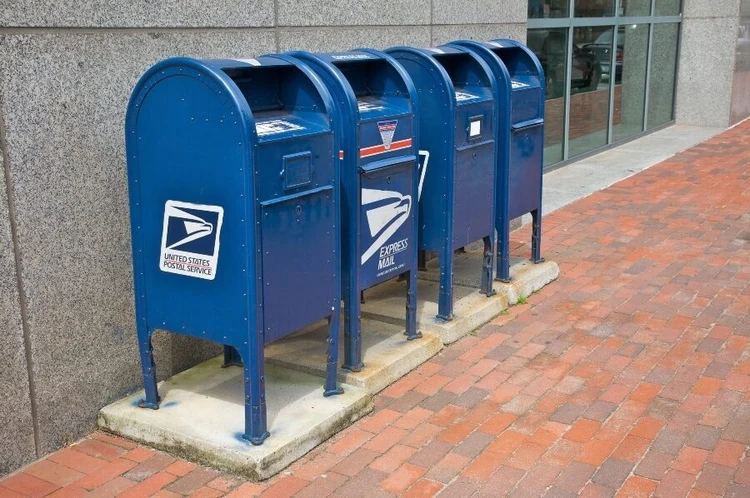
Senate passes bill to overhaul the Postal Service

The Senate has signed off on a sweeping retooling of the United States Postal Service (USPS). On Tuesday, 79 across-the-aisle yeas approved the $107 billion Postal Service Reform Act of 2022 – providing the cash necessary for the agency to modernize its service and make it more efficient for Americans.

The USPS could certainly use the money. From 2007 to 2020, it recorded losses of more than $80 billion and produced over $188 billion in unfunded liabilities and debt. From October 2021, to December 2021, it lost $1.3 billion.

President Joe Biden had indicated earlier that he would sign the legislation once it gets to his desk. The House has already approved the bill.

The bipartisanship support that the bill received reflects the agency's importance to the public. For years, Republicans and Democrats have squabbled over upgrading the USPS. Republicans postured the agency as being incompetent and said supporting it was just throwing good money away.

When the COVID-19 pandemic took over, the agency experienced some hiccups, like forcing the Veterans Administration (VA) to find alternative ways to deliver medications. However, Democrats like Virginia's Jerry Connolly remained on postal workers' side, lauding mail workers as everyday heroes and nothing that Americans support the Postal Service.

“After more than a decade of hard work and negotiations, the Postal Service Reform Act is finally on its way to the president's desk," Connolly commented on the Senate's passage. "This will save the Post Office from financial ruin, and ensure our mail is delivered for decades to come."

The postal union calls the legislation “critical” for consumers

The American Postal Workers Union (APWU) praised the legislation. On top of maximizing its members' participation in Medicare, the group said the legislation will also ensure that Americans can count on deliveries six days per week.

The group said it will also ensure that letter mail, flats, and packages remain combined into one postal network while helping meet the demand of package growth. It also gives the agency the approval to contract with local, state, and indigenous governments to offer non-mail services like fishing and hunting licenses.

“It is not an exaggeration to say that this bill is one of the most critical pieces of postal legislation in modern history — the struggle to win Postal Reform has been 15 years in the making,” said the American Postal Workers Union’s (APWU) Legislative and Political Director, Judy Beard.
Article Image

Biden administration rolls out latest chapter of its infrastructure plan

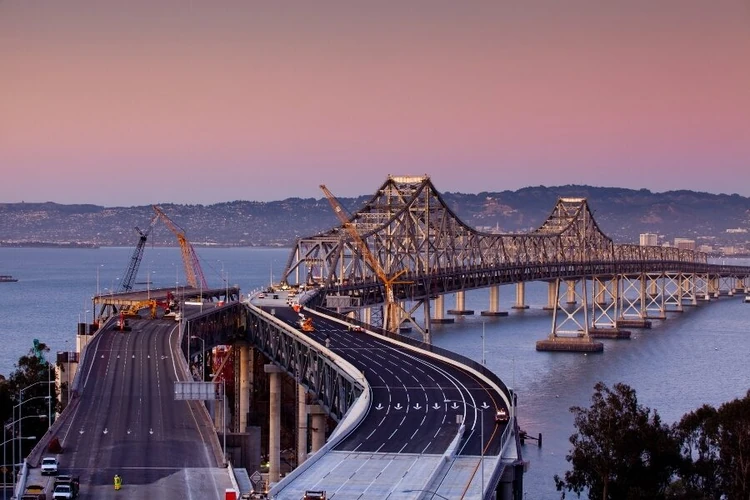
The White House has announced that America’s crumbling roads and bridges are up next in its infrastructure agenda. The Biden team says its Bipartisan Infrastructure Law will not only rebuild deteriorating roads and bridges, but it will also replace lead pipes and improve the quality of the internet to “every family in America.”

If the administration’s recipe goes according to plan, the offshoot of the infrastructure improvements will create good-paying jobs and bolster the country’s manufacturing and supply chains. However, the plan doesn’t stop there. The White House also pledged that 40% of its investment in climate and clean energy will directly benefit disadvantaged communities.

“With over 44,000 bridges in poor condition around our country, today’s announcement of $27.5 billion in long-overdue funding is great news for rural and urban communities alike,” Peter DeFazio (D-OR), Chair of the House Committee on Transportation and Infrastructure, said in a statement emailed to ConsumerAffairs. 

“These investments will create good-paying jobs in all 50 states, DC, and the territories. Bridges connect communities and are critical to everyday life—helping Americans get to work, visit family, or explore our great country. Thanks to President Biden and Congressional Democrats, the Bipartisan Infrastructure Law is delivering for the American people and helping ensure they succeed in the 21st century economy.”

Clean energy, cheaper internet, and more

Here’s a quick look at what the White House hopes can be completed in its plan:

Bridge repair: The government is investing $27 billion over the next five years in funding to replace, repair, and rehabilitate bridges across the country to all 50 states, as well as Washington D.C., Puerto Rico, and Tribal governments.

EV charging action plan: On top of what General Motors and others are doing to spread the availability of charging stations for electric vehicles, the President’s new goal is to build a national network of 500,000 electric vehicle chargers.

Clean energy: Biden said the Department of Energy is establishing a new Office of Clean Energy Demonstrations, which will oversee $20 billion in funding to scale up clean energy, create new, good-paying jobs for American families and workers, and reduce pollution.

Clean water: Also in the works is a lead pipe and paint action plan to replace all of the nation’s lead pipes in the next decade while expanding access to clean drinking water.

Cheaper and wider internet: President Biden's infrastructure law includes what he terms a historic investment of $65 billion that should help close the digital divide and “ensure that all Americans have access to reliable, affordable, high-speed broadband.”

The Federal Communications Commission (FCC) is coming to the table with its own plan to provide broadband subsidies of up to $30/month for low-income households and up to $100 towards the purchase of a computer.