
American families spent an average of $1,016 on a child’s primary sport in 2024, up 46% from 2019, according to the Aspen Institute.
Youth sports have evolved into a multibillion-dollar industry fueled by club teams, travel tournaments, private coaching, apparel companies, tech platforms, and private-equity investment.
Parents continue to pay rising costs because they see sports as an investment in college opportunities, physical health, social development, and future success — even though only a small percentage of athletes receive scholarships or turn professional.
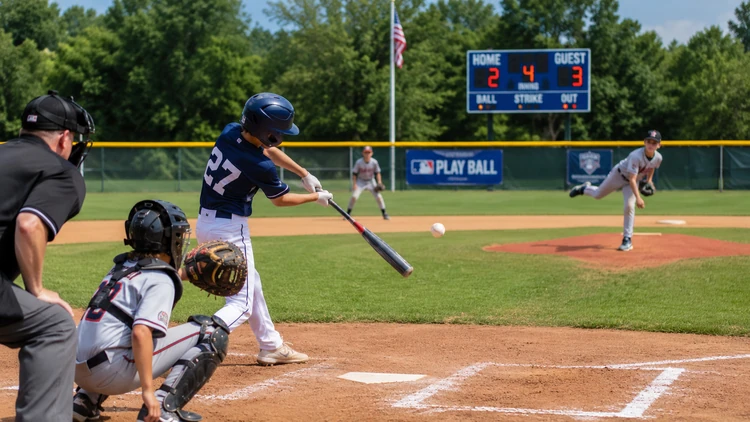
For generations, youth sports in America meant neighborhood Little League games, volunteer coaches, and inexpensive recreation programs run through schools or local parks departments.
Today, that model is rapidly disappearing.
In its place is a sprawling youth sports economy that increasingly resembles professional athletics — complete with corporate sponsors, elite travel teams, private trainers, national tournaments, and year-round specialization.
As a result, families now spend thousands of dollars every year to keep children competitive, transforming what was once a community pastime into what many experts describe as a “pay-to-play” system.
The numbers are staggering. The Aspen Institute’s Project Play initiative found that the average family spent $1,016 on a child’s primary sport in 2024, a 46% increase over five years. Some club sports cost far more.
Surveys and industry reports show that competitive travel teams in sports such as baseball, soccer, volleyball, gymnastics, and hockey can easily cost families between $5,000 and $10,000 annually once tournament travel, equipment, and private instruction are included.
At the same time, participation has continued to rebound after the pandemic. More than half of American children ages 6 to 17 now play organized sports, according to federal data cited by Project Play.
That combination — rising demand and soaring costs — has turned youth sports into one of the fastest-growing sectors in the recreation economy, while producing a growing burden for parents.
Why costs keep rising
Experts point to several overlapping forces behind the explosion in spending. One major factor is the rise of club and travel sports. Instead of seasonal community leagues, many young athletes now compete on elite teams that travel regionally or nationally for tournaments nearly year-round. Families pay for hotels, airfare, fuel, meals, and tournament entry fees on top of team dues.
Another driver is early specialization. Increasingly, children are encouraged to focus on one sport at younger ages, often requiring year-round coaching, conditioning programs, and private lessons.
Facilities themselves have also become more elaborate and expensive. Massive tournament complexes featuring turf fields, indoor courts, live-streaming systems, and recruiting showcases have spread nationwide. Many are financed by private investors attracted to the industry’s growth potential.
Technology has added another layer of expense. Families now routinely pay for recruiting platforms, video-analysis subscriptions, performance tracking apps, and AI-powered coaching tools.
Families may pay the price because of dreams of a professional career that would create generational wealth. Professional basketball and baseball contracts routinely pay tens of millions of dollars. Unfortunately, very few young athletes make it to the pro level.
Who profits from the boom?
The beneficiaries extend far beyond coaches and leagues. Private-equity firms and venture-capital investors have poured money into youth sports businesses in recent years, viewing the sector as a reliable source of recurring consumer spending.
Sports complexes profit from tournament hosting fees and hotel partnerships. Apparel companies sell specialized gear and uniforms. Training academies market private instruction.
Tech companies monetize scheduling apps, live-streaming services, and recruiting platforms. Hotels, restaurants, and tourism agencies also benefit when tournaments bring thousands of traveling families into a city for a weekend.
The industry has grown so large that some estimates now place the youth sports economy at roughly $40 billion annually. That figure rivals or exceeds revenues generated by some major professional sports leagues.