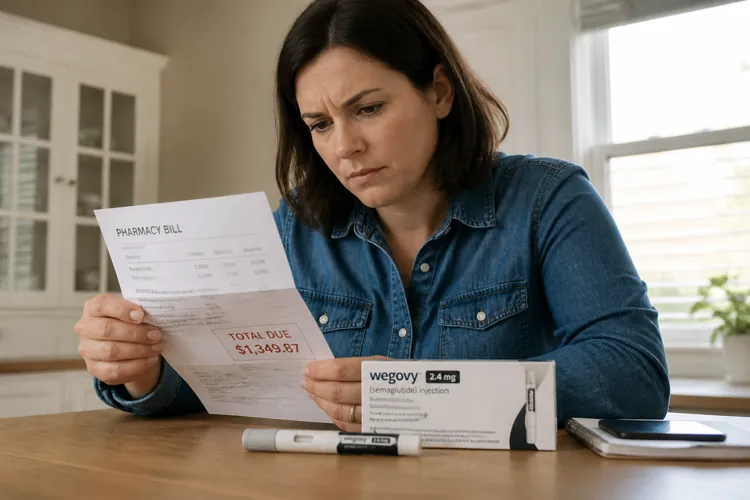

58% of GLP-1 users consider their medication an essential or important healthcare expense, according to a new Trimi survey.
Nearly half of GLP-1 users say they would pause savings or retirement contributions rather than stop their treatment.
Cost remains a major barrier to starting GLP-1 treatment, with nearly half of survey respondents identifying affordability as their biggest obstacle.
For Americans already juggling housing, groceries, and other rising household expenses, adding another monthly bill can mean making some difficult choices.
But a new survey suggests that many people taking GLP-1 medications are finding ways to make room for the cost of treatment — even when that means putting other financial priorities on hold.
Trimi surveyed 1,065 U.S. adults and found that 58% of GLP-1 users consider their medication an essential or important healthcare expense. Nearly half said they would pause savings or retirement contributions rather than postpone treatment, while 44% said they would rather take on debt than stop using a GLP-1 and potentially lose their progress.
The findings highlight a bigger question for consumers: As these medications become part of their healthcare routines, how much are people willing to rearrange their finances to keep paying for them?
ConsumerAffairs spoke withSean Arora, MD, Medical Director of Weight Loss Medicine at Trimi Health, who explained what these spending choices reveal about the growing role GLP-1s are playing in household budgets.
A necessity, not an option
With over 40% of survey respondents saying they’d go into debt for their GLP-1 medication, Dr. Arora explained that many consumers are no longer thinking about the weight loss drugs as optional.
“According to the survey results, a large portion of the patients don't consider GLP-1s as just an option anymore; they see them as a necessity rather than a discretionary purchase,” he said. “An overwhelming 58% said they consider these medications an essential or important healthcare expense, indicating that many perceive the benefits, whether that be weight management, metabolic health, or maintaining progress, as being worth the financial sacrifice.
“For some patients, the idea of discontinuing the treatment is associated with regaining weight and increased health problems. These findings show that for many users of GLP-1 drugs, treatment has become not only a necessity, but also a recurrent one.”
The impact on budget and long-term saving
Another key concept identified in the survey was that many GLP-1 users are willing to rework their monthly budgets – or even change their retirement or other long-term savings plans – to afford the weight loss drugs.
“Putting off saving for retirement or increasing the emergency fund could negatively impact the future of patients because the loss of compound interest means missing the chance to save enough money during the years when it is easier to do,” Dr. Arora said. “Moreover, a smaller emergency fund increases the chances of using costly debt to cover the unexpected expenses that might arise.”
Additionally, Dr. Arora explained that many patients are willing to sacrifice discretionary spending, including vacation, among others, to pay for treatment.
“GLP-1 medication became an additional expense that had to be paid monthly, which forced people to readjust their budget priorities,” he said.
Cost remains the biggest barrier
Nearly 50% of survey respondents said that the cost of GLP-1 drugs are the primary barrier to starting treatment. Dr. Arora shared his best advice to help consumers manage the monthly expense.
“People interested in GLP-1s should talk to a healthcare professional about all the available options,” he said. “In some cases, depending on the situation of the respondent, the following steps might be recommended:
Reviewing one's insurance policy and its prior authorization requirements.
Determining whether he or she is eligible for manufacturer assistance programs or patient assistance programs.
Exploring the available options, which might differ in terms of the price or coverage.
Exploring telemedicine as a cheaper option of getting the treatment.
Checking the cost of the medication, laboratory tests, and other expenses associated with treatment.
“Each person requires a specific strategy and solution for his or her particular case,” Dr. Arora said.