2021 Family Health and Nutrition

Article Image

Poor mental health during pregnancy may increase women’s risk for C-section

A new study conducted by researchers from Michigan Medicine explored how women’s mental health during pregnancy can impact their delivery. According to their findings, spikes in depression and anxiety while pregnant may increase the risk for C-section deliveries. 

“Our findings reinforce the importance of better identifying and treating perinatal depression and anxiety disorders in pregnant women,” said researcher Dr. Vanessa Dalton. “It’s critical to better understand how these mood disorders increase the likelihood of cesarean section deliveries, which we know have both short- and long-term health consequences for both expecting moms and their babies.” 

How mental health impacts delivery

For the study, the researchers analyzed data from more than 360,000 women who gave birth between 2008 and 2017. The team was primarily interested in evaluating how the women delivered their babies -- naturally or via C-section -- and their mental health status during pregnancy. 

The researchers found a clear link between depression and anxiety and an increased risk of C-section deliveries. Women struggling with their mental health during pregnancy were 3.5% more likely to deliver via C-section. 

“Cesarean sections are a major contributing factor to maternal morbidity events after a delivery with many adverse effects downstream,” said Dr. Dalton. “We need to understand all factors that may increase a woman’s chance of a C-section delivery so we can avoid unnecessary risks.” 

The study showed several factors that could increase women’s risk of depression or anxiety during pregnancy, including socioeconomic status, age, and race; women from low-income backgrounds, older women, and white women were all more likely to struggle with depression and anxiety.

“We need more research to clarify the relationship between perinatal mood and anxiety disorders and primary cesarean section rates to enhance our understanding of the consequences of these disorders for health outcomes,” said Dr. Dalton. “This could potentially inform efforts to develop and evaluate effective treatments and policy interventions.” 

Article Image

Witnessing the abuse of a sibling may impact kids' mental health, study finds

A new study conducted by researchers from the University of New Hampshire explored how kids’ mental health can be affected by abuse in the home. 

According to their findings, when children witness their siblings’ abuse, it can increase the risk for a number of mental health conditions, such as depression, anxiety, and anger. 

“When we hear about exposure to family violence, we usually think about someone being the victim of direct physical abuse or witnessing spousal assault,” said researcher Corinna Tucker. “But many children witness the abuse of a sibling without being a direct victim and it turns out we should be thinking more about these dynamics when we tally the effects of family violence exposure.” 

The toll on mental health

For the study, researchers analyzed data from more than 7,000 children who were part of three different national surveys. The children were between the ages of one month and 17 years old. Parents and children over the age of 10 answered questions related to the physical abuse of a sibling. 

Ultimately, the researchers learned that less than four percent of the children involved in the study had exposure to parental abuse against a sibling (EPAS). However, of that group, the overwhelming majority of the abuse was done by fathers and, most often, to male siblings. 

The study showed that race and ethnicity didn’t play a role in children witnessing EPAS; however, the age of the child played a role, as adolescent siblings were more likely to be abused. Having two parents at home lowered the likelihood of abuse. 

Overall, witnessing abuse was associated with an increased risk of mental health concerns. These children were more likely to struggle with anxiety and depression and had a harder time controlling their anger than children who hadn’t witnessed EPAS. 

Moving forward, the team hopes that these findings shed light on how physical abuse in families can have long-term impacts on kids’ mental health -- even when they aren’t the ones experiencing the abuse firsthand. 

“In some families, EPAS may be part of a larger family climate of violence,” Tucker said. “As more family members are exposed to violence in the household, there can be less emotional security among family members and less opportunities for children to observe, listen, and practice healthy responses to stress.” 

Article Image

Living near woodlands gives mental health benefits to children, study finds

A new study conducted by researchers from University College London explored how green spaces can benefit kids’ mental health outcomes. According to the findings, living in close proximity to woodlands can lead to better behavior, stronger cognitive development, and overall better mental health for children. 

“Previous studies have revealed positive associations between exposure to nature in urban environments, cognitive development, and mental health,” said researcher Mikaël Maes. “These findings contribute to our understanding of our natural environment types as an important protective factor for an adolescent’s cognitive development and mental health and suggest that not every environment type may contribute equally to those health benefits.” 

Fostering positive mental health outcomes

For the study, the researchers analyzed data from more than 3,500 kids enrolled in the Study of Cognition, Adolescents, and Mobile Phones (SCAMP) in London. Participants answered questions about their interactions with peers at school, general behavior, and overall well-being. The team then compared their answers to the geographic surroundings around their homes; they assessed how close the kids were to different kinds of outdoor spaces and how much time they spent in these areas. 

The study showed that kids had the strongest mental health, behavioral, and cognitive outcomes when they lived closer to woodlands. The results were even better than close proximity to other green and blue spaces, such as parks or lakes. The benefits associated with being so close to woodlands were long-lasting, as the team learned that these spaces positively impacted mental health outcomes for two years. 

Though the team plans to do more work in this area to better understand why these areas are so beneficial to kids’ development and mental health, they hope their findings shed some light on the overall importance of natural spaces.

Article Image

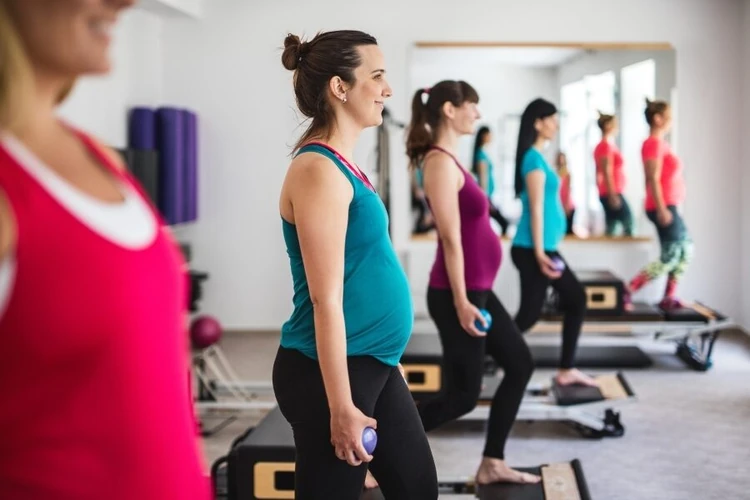
Exercising during pregnancy can have lasting health benefits for kids, study finds

Having an exercise routine is important for all consumers, but several studies have highlighted the benefits associated with pregnant women staying physically active. 

Now, a new study conducted by researchers from the University of Virginia Health System shows that exercising during pregnancy may lead to health benefits throughout kids’ lives. In an experiment conducted on mice, their work showed that mice born to mothers that exercised during pregnancy were less likely to develop long-term health conditions into adulthood. 

“Most of the chronic diseases that we talk about today are known to have fetal origin,” said researcher Zhen Yan, PhD. “This is to say that parents’ poor health conditions prior to and during pregnancy have negative consequences to the child, potentially through chemical modification of the genes.”

Long-term health benefits from exercise

The researchers conducted their study on mice to determine the long-term effects of parents’ health pre-conception and mothers’ exercise habits during pregnancy. There were two groups of mice: one group received a high-fat diet prior to pregnancy and another group was fed a standard diet. Once the mice were pregnant, a portion of the mice given the high-fat diets were given wheels to exercise on during pregnancy. 

After the mice gave birth, the researchers analyzed the DNA patterns of all the offspring to understand what effect parental obesity and exercise had on the newborn mice’s health. The team learned that when both parents are obese, their children are more likely to have genes associated with diabetes and other metabolic conditions. However, when the pregnant mice took advantage of their opportunities to exercise during pregnancy, their offspring had better health outcomes. 

The study showed that mice that exercised during pregnancy produced newborns that were less likely to develop chronic metabolic issues. This was true even as the mice grew beyond infancy into adulthood; exercising during pregnancy had long-term protective benefits for the mice’s offspring. 

Never too late to start exercising

Though the researchers want to continue this work to include human participants, they hope that consumers understand just how beneficial it can be to incorporate exercise during pregnancy. 

“The take-home message is that it is not too late to start to exercise if a mother finds herself pregnant,” Dr. Yan said. “Regular exercise will not only benefit the pregnancy and labor, but also the health of the baby for the long run. This is more exciting evidence that regular exercise is probably the most promising intervention that will help us deter the pandemic of chronic diseases in the aging world, as it can disrupt the vicious cycle of parent-to-child transmission of diseases.” 

Article Image

Toddlers with inconsistent sleeping patterns may struggle with health and wellness

A new study conducted by researchers from the University of Delaware is highlighting the importance of toddlers sticking to a consistent sleeping schedule.

Their findings showed that toddlers’ health may be impacted when they don’t have a set bedtime routine and are frequently going to bed and waking up at different times. Specifically, they found that body mass index (BMI) scores were higher in toddlers with inconsistent sleeping patterns. 

“We’ve known for a while that physical activity and diet quality are very strong predictors of weight and BMI,” said researcher Lauren Covington. “I think it’s really highlighting that sleep may be playing a bigger role here than it’s given credit for.” 

Family income plays a role

For the study, the researchers analyzed data from more than 200 toddlers who wore accelerometers for up to one week at a time to track their physical activity and sleep; their parents also reported on their typical daily diets.

The researchers found that kids whose sleep schedules varied greatly day-to-day were more likely to have higher BMIs than kids with more consistent sleeping patterns. However, the team also believes that socioeconomic status plays a large role in many of these cases. Because so many of the families involved in the study were struggling financially, with 70 percent living at or below the poverty line, it’s important to recognize how income can affect kids’ routines and health.

“There [are] so many factors that are at play and not necessarily controllable, especially in disadvantaged communities,” said Covington. “There’s so much stigma and stereotypes out there and people are just so quick to judge. These families just want to do what’s right for their children. They either just don’t personally know how to or they don’t have the resources to do it.” 

To achieve the best health outcomes, experts recommend that kids’ bedtimes stay within the same one-hour window each night. However, they admit that this can be difficult for some parents. The researchers suggest that parents and caregivers start small and work up to a more structured nighttime routine to ensure that toddlers are getting enough sleep and achieve positive health outcomes. 

“Implementing a consistent bedtime could be one behavioral change that a family could potentially do,” Covington said. “It’s maybe more attainable than getting healthy food at the grocery store or playing outside on the playground, especially now with the cold weather. Just having a consistent bedtime can help provide some of the structure, but they may have better implications for health and BMI as well.” 

Article Image

Women can reap long-term health benefits from paid maternity leave, study finds

A new study conducted by researchers from the University of Georgia is exploring the long-term health benefits associated with paid maternity leave. 

Their study compared health outcomes from Norwegian women who had given birth prior to and following national regulations that mandated paid maternity leave. According to their findings, women who had more time at home after giving birth -- and were paid during that time -- were healthier at middle age than women who had to go back to work sooner after childbirth. 

“We know that women are healthier at 40, but we don’t know exactly why,” said researcher Meghan Skira. “We did not find significant changes in income or employment among the women who had access to the reform, so the health improvements are unlikely due to income effects. We speculate that a reduction in stress, more time to recover from childbirth, and perhaps breastfeeding play a role. More research on exactly why maternal health improved would be valuable.” 

Seeing improvements in middle age

Using the July 1977 paid maternity leave legislation in Norway as a starting point, the researchers compared middle-aged health outcomes of women who gave birth both before and after those regulations were implemented. The team analyzed differences in metrics like pain levels, cholesterol, exercise routines, and mental health, among several others. 

“In a typical observational study, you would be worried that those who take more leave are different in ways that might make their health better or worse,” said Skira. “Those who take longer leave may be wealthier or have more family support. On the other hand, those who have more postpartum health problems may take more leave. But here, because there is this sharp change in access to paid leave for everyone, the concerns about selection into leave-taking are minimized.” 

After looking at the data, it was clear that the women who had gotten longer paid maternity leave had better health outcomes by the time they reached age 40. They were 20 percent more likely to exercise, had nearly 4 percent lower body mass indices (BMIs), and were 18 percent less likely to smoke than the women who had given birth prior to this legislation. 

While all of the women benefited from these policies, the researchers explained that women in lower-income households saw the greatest changes. Prior to this legislation, the need for a consistent paycheck would’ve forced many women back to work earlier after childbirth; however, having this kind of security made a serious difference in their long-term health. 

“This sharp change in who was eligible for paid maternity leave provides a nice natural experiment,” said Skira. “Our findings show that having access to paid leave leads to important health benefits for mothers around age 40.” 

Broadening the scope of these policies

Though these findings focus on Norwegian health care mandates, the researchers hope that both consumers and legislators around the world recognize just how powerful policies like this can be for the long-term health and wellness of all women. 

“While things have changed since the 1970s, understanding the effects of this policy change is important since it extended leave benefits from a level similar to what the U.S. offers today under the Family and Medical Leave Act,” Skira said. “Our results, therefore, may inform the current debate over family leave policy.”