2022 Credit cards

Article Image

Cash stuffing: A new generation discovers an old budgeting trick

American consumers owed nearly $1 trillion in credit card debt in the third quarter, according to data from the Federal Reserve Bank of New York. With the just-past Christmas holiday, that total is likely to go even higher.

One problem with credit cards is that unless you consult your online account two or three times a week, it’s hard to keep track of spending. So, many Gen Z consumers have started using a “new” budgeting trick that turns out not to be new at all.

It’s called “cash stuffing.” Lily W., a 22-year-old who offers personal finance advice on TikTok, says she lived on credit cards while attending nursing school. When she graduated, her balances totaled $17,000.

Lily, who goes by the handle @lilyrnbudgets, recently told Yahoo News that she paid off the entire $17,000 in just three years, thanks to cash stuffing. Instead of buying things with a credit card, Lily has switched to a cash system, which she explains in this video.

Actually, cash stuffing is an old-school system used by many older generations at some point in their lives. Personal finance radio personality Dave Ramsey advocates much the same budgeting system to his listeners, only he calls it the “envelope system.”

The envelope system lets you separate cash into different envelopes for different spending. After labeling each envelope with a category of spending, you go to a bank or ATM and withdraw the budgeted amount and place the cash into each envelope.

Limit some spending categories to cash

When you head to the supermarket, you leave your credit card in your wallet and take the amount of cash you think you’ll need. When you return, you replace any unspent money. At the end of the week, before you put the next week’s cash in the envelope, you take any leftover money and put it in savings.

The system might not be necessary for every spending category and may prove most helpful for the categories where you tend to go overboard.

The secret to this system’s effectiveness is the tight control it exerts over spending, making you think long and hard about every purchase. Because when the money in an envelope is gone, spending in that category has to stop until the following week.

Article Image

FTC warns consumers about using BNPL for last-minute gift shopping

When it comes to using Buy Now, Pay Later (BNPL) for any 11th-hour holiday gift purchases, the Federal Trade Commission (FTC) says consumers should stop now and think about it later.

Not that BNPL isn’t a good option for some, the agency suggests, but it can also lull consumers into buying more than they can truly afford. And if someone isn't careful with their usage of BNPL, there could be a nasty downside.

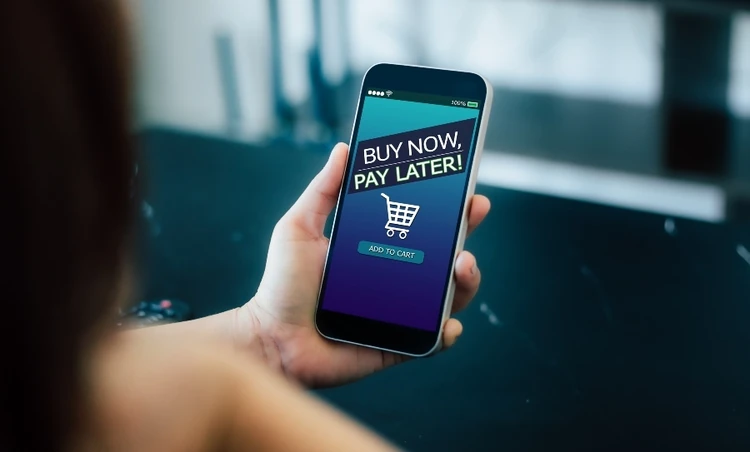
If Buy Now, Pay Later is new to you, it’s simply a credit option where a payment schedule splits your purchase amount into a specified number of payments. For example, you pay the first one at checkout, and then one payment every two weeks for six weeks.

“Using Buy Now, Pay Later can be convenient, and usually free from interest charges,” the FTC said in an email to ConsumerAffairs. “Still, if you choose Buy Now, Pay Later, there are a few things you may want to watch out for.”

Limit the number of BNPL purchases. Because you can make multiple Buy Now, Pay Later purchases through different services or merchants in a short time, it’s easy to end up with more debt than you intended, or can afford, the FTC says.

An associated problem with items bought using BNPL is if an item gets returned. The agency warns that even though you may be able to return the merchandise – and may eventually get credit – your loan repayment agreement may require you to continue to make payments while you are returning or disputing a purchase until your return or dispute is resolved.

“And, because there are three different companies involved – the Buy Now, Pay Later company, the seller, and your financial institution – it can be challenging and stressful to resolve a problem.

Don’t think of this as a “quick fix.” “Using Buy Now Pay Later may immediately feel like the better option but it can lead to a financial hangover once reality sets in come January,” Trey Loughran, CEO at Purchasing Power, a company that offers credit using a payroll deduction component, told ConsumerAffairs.

Loughran said that in addition to the terms and conditions, they need to pay extra attention to the number of agreements they may be making. 

“Failing to make an agreed-upon payment for a Buy Now Pay Later can have compounding effects – requiring the consumer to pay late fees and potentially impacting someone’s credit score,” he said. “At the end of the day, Buy Now Pay Later solutions are another form of credit and consumers need to be conscious not to overextend themselves.”

Are you aware of the connection between BNPL and your bank account? Most consumers are used to getting credit card statements and having a grace period to pay those, but BNPL works differently. Buy Now, Pay Later products generally require installment payments to be set up for automatic payments, usually debited from your bank account instead. 

You might be hit with multiple late fees. Again, another difference between credit cards and BNPL that many consumers are blind to – the use of interest vs. fees.

“Some Buy Now, Pay Later services charge multiple late fees for a single missed payment, or try more than once to collect automatic payments from your checking account if they don’t go through. This could mean you pay higher late fees than you expected or incur multiple overdraft fees,” the FTC said.

Do you like being hounded by calls from creditors if you’re late in paying? When ConsumerAffairs reviewed the FTC’s database of complaints regarding BNPL, there were numerous worrisome narratives from consumers.

Those included complaints about receiving calls and letters from collection agencies, being “retaliated against” by a BNPL company after a complaint was filed, and claims made that BNPL accounts existed for some consumers even though they had never applied for one.

Being hassled is no fun, so add that to your “do I really need to put this purchase on BNPL” list.

Please, please, please buy more. Speaking of being hounded, the FTC says that many Buy Now, Pay Later services and apps use your data and shopping history to encourage you to buy more and spend more.

Article Image

Consumer watchdogs divulge the nasty downside of Buy Now, Pay Later credit

"Buy now, pay later"? How about "Buy now, and there could be hell to pay later"?

A stern warning is being sent to consumers that there are all sorts of pitfalls to deal with when it comes to buy now, pay later (BNPL) – maybe more than the typical consumer is used to seeing from other finance methods like credit cards or personal loans.

“Realize that BNPL plans don’t offer the federal protections that come with purchases you make by credit card. If an item purchased with BNPL is faulty, lost or stolen, that does not mean you will have protection against having to repay the BNPL loan,” said Hannah Rhodes and Teresa Murray, U.S. PIRG’s Consumer Watchdog team, in their pitfall protection bulletin.

“The federal government offers that safeguard for credit card users.”

Hidden fees, interest, and debt collection

Rhodes and Murray said the complaints are mounting against BNPL companies – and it’s not just one thing, either. Hidden fees, interest, and debt collection, and customer service are all factors that are angering BNPL users.

Surveys also show that a successful BNPL demographic target is young people, who may not understand the business model. In addition, increasing the size of the “basket” leads to consumers buying more stuff that they don’t need and can’t afford.

Know what you’re signing up for

Rhodes and Murray say that with higher inflation and tighter budgets for many this holiday season, it's likely that more consumers will consider Buy Now, Pay Later offers, many without fully understanding them. 

BNPL works like this:

  • You make a purchase and agree to pay off the bill in four installments over six weeks.

  • You make the first payment at checkout using a debit or credit card.

  • The remaining three payments will come every two weeks, whether you have the money in your checking account or available on your credit card or not. If it’s “or not,” be prepared for possible overdraft or over limit fees of $30 or more.

Best case and worst case scenarios

The best case scenario is paying it off on time with no fees and no need to return the item. Worst case scenario? Hmm... Actually, we should make that plural because there’s more than one thing that could go wrong.

“Shoppers run into problems when there are terms and conditions they didn't read or understand, or when they make several purchases using BNPL and haven't budgeted to juggle all of the payments that are lined up like planes on an airport runway,” the watchdogs said.

“Then there are the consumer protections you're forgoing by not paying with a credit card to begin with. And you need to hope the item isn't defective or that the recipient of the gift doesn't want to return or exchange it. You may not be able to get a refund or an exchange, no matter the reason.”

The downsides to BNPL can quickly snowball and haunt a consumer for a long time, Trey Loughran, CEO at Purchasing Power, a company that offers credit using a payroll deduction component, told ConsumerAffairs.

"Failing to make an agreed-upon payment for a Buy Now Pay Later can have compounding effects – requiring the consumer to pay late fees and potentially impacting someone’s credit score," he said.

"At the end of the day, Buy Now Pay Later solutions are another form of credit and consumers need to be conscious not to overextend themselves."

Article Image

The Fed hiked interest rates again. Here’s what it means if you have a credit card balance

When Federal Reserve policymakers raised the federal funds rate another 0.75% this week, the focus was on Wall Street, where the move was panned by investors. Stock prices fell sharply once again.

There was less focus on consumers – particularly on those carrying large credit card balances. But they are being affected by the series of rate hikes as much as anyone.

The federal funds rate directly affects what banks pay for money – a cost that is passed on to borrowers. Each time the Fed hikes, banks charge more in the form of higher interest.

That is especially true for the interest rate on credit cards, which was already high before the Fed began to increase interest rates in an effort to rein in inflation. The average variable credit card rate is now 18.77%, the highest since February 1993, according to Bankrate.com. At the beginning of 2022, the rate averaged 16.30%.

The difference in those two rates amounts to about $20 a month in added interest on a $10,000 balance. That might not sound like a lot but for consumers making only the minimum payment each month, it can be painful.

A study by the Brookings Institute found that about three in 10 credit card borrowers make monthly payments at or near the required minimum. Paying only the minimum each month greatly lengthens the payoff time and results in large interest charges. Adding charges to the balance each month only makes the payoff longer and more expensive.

“It is the debt that consumers say they are most worried about,” Gary Koenig, vice president of financial security at AARP, told Yahoo Money. “With interest rates on credit cards rising, I would expect to see this number rising too in the months ahead. It is a very difficult situation for many consumers.”

Alternatives

Fortunately, consumers carrying high-interest credit card debt have a couple of good options. The first is to apply for a balance transfer card offering a year or more of 0% interest. 

By making large monthly payments cardholders can put a dent in their balances because the entire payment goes to paying off the principal. ConsumerAffairs has identified the best balance transfer credit cards here.

A second option is to apply for a personal loan, using the proceeds to pay off a high-interest credit card. According to a study by the St. Louis Federal Reserve bank, there has never been a wider gap between rates on personal loans and credit cards.

According to the latest data, which was for August, the average interest rate on 24-month personal loans was 10.16%, significantly below the average credit card rate. Like other types of loans, rates will vary based on your credit score and how much you need to borrow. 

The ConsumerAffairs Research Team vetted 24 loan companies with annual percentage rates (APRs) less than 36%. Check out our findings here.

Article Image

Credit agencies extend free credit reports through end of 2023

One of the best early warnings of identity theft is finding something unexpected on your credit report, such as a loan for a car that isn’t yours. 

During the pandemic, the three major credit reporting agencies began allowing consumers free access to their credit reports on a weekly basis and have jointly announced that free access will continue through 2023.

"The rising cost of living in the wake of COVID-19 has created economic consequences felt by many Americans," the CEOs of Equifax, Experian, and TransUnion said in a joint statement. "Our industry is committed to helping people better position themselves for strong financial futures. Credit reports play an important role in financial health, and providing weekly reports for consumers at no charge is another way that we can support financial education and stability for people across the U.S. at this critical time."

At a time when identity theft crimes are increasing, regularly reviewing credit reports can alert consumers to unauthorized credit activity in their name. Names, birthdates, and Social Security numbers are sold regularly on the dark web. 

A criminal who purchases this information can take out loans and apply for credit cards using a stolen identity. The victim might not become aware that this has happened until months later.

How to dispute erroneous information

Reviewing credit reports can also alert consumers to inaccurate entries that can drag down a credit score. Consumers may appeal to the credit agencies to have the erroneous information removed.

The Consumer Financial Protection Bureau (CFPB) says consumers can submit a dispute to the credit reporting company by phone, by mail, or online. 

“Explain the error and what you want changed,” CFPB advises. “Clearly identify each mistake separately, state the facts, explain why you are disputing the information, and request that it be removed or corrected.”

  • Online access to Equifax’s dispute form can be found here.

  • Online access to Experian’s dispute form can be found here.

  • Online access to TransUnion’s dispute form can be found here.

Credit reports document consumers’ credit history and should be a factual record of credit activity and payment history. They are important because they are used by lenders, creditors, service providers and other businesses to extend financial opportunities and other offers to people. 

To access free weekly credit reports, go to www.annualcreditreport.com.

Article Image

Do you really know all that goes on with a Buy Now, Pay Later loan? The CFPB has some words of advice.

Consumers who think that Buy Now Pay Later (BNPL) loans are a perfect way to buy something on time should perhaps think a little more. After seeing BNPL grow tenfold over the past three years, the Consumer Financial Protection Bureau (CFPB) went on a mission to find out if those type loans have anything that could harm the consumer in any way.

On top of issues like the risk of fraud and the impact on credit scores, the agency concluded in its new report that while the marketing of Buy Now, Pay Later loans can make them appear to be a zero-risk credit option, there are several other things that pose a risk for consumer harm.

BNPL loans may seem similar to credit cards, but…

CFPB Director Rohit Chopra called BNPL a “close substitute for credit cards,” and that’s exactly how some consumers view the loan since it, like a credit card, allows a consumer to split a retail transaction into smaller, interest-free installments and repay over time.

In a typical BNPL loan, a consumer might purchase a $500 item and pay it back in four equal installments, with the first installment paid as a down payment due at checkout, and the next three due in two-week intervals over six weeks.

The CFPB seems to be comfortable with that, but there are things that borrowers might not know going on inside the minutiae of a BNPL loan that concerns the agency.

First out of the CFPB’s chute of concerns are the inconsistent consumer protections BNPL loans offer. The agency found that while it’s standard for credit cards to offer protection, not all BNPL loans do. These include a lack of standardized cost-of-credit disclosures, minimal dispute resolution rights, a forced opt-in to autopay, and companies that assess multiple late fees on the same missed payment.

The second concern is data harvesting and monetization. With an eye toward the digital age and especially younger consumers, many Buy Now, Pay Later lenders have shifted their business models toward everything being done via an app, which the CFPB contends allows companies like Affirm, Afterpay, Klarna, PayPal, and Zip to build a valuable digital profile of each user’s shopping preferences and behavior. 

'Harvesting and monetizing consumer data'

“The practice of harvesting and monetizing consumer data across the payments and lending ecosystems may threaten consumers’ privacy, security, and autonomy,” the agency said. “It also may lead to a consolidation of market power in the hands of a few large tech platforms that own the largest volume of consumer data, and reduce long-term innovation, choice, and price competition.”

In addition to data accumulation, the CFPB said it’s concerned about debt accumulation, too – especially when it puts a consumer at risk of overextending a reasonable amount of credit. 

When the agency unpacked Buy Now, Pay Later procedures, it found that the process is “engineered” to encourage consumers to purchase more and borrow more. 

“As a result, borrowers can easily end up taking out several loans within a short time frame at multiple lenders or Buy Now, Pay Later debts may have effects on other debts. Because most Buy Now, Pay Later lenders do not currently furnish data to the major credit reporting companies, both Buy Now, Pay Later and other lenders are unaware of the borrower’s current liabilities when making a decision to originate new loans,” the agency said.

Is a reset necessary?

Even though Buy Now, Pay Later providers are subject to some federal and state oversight, the CFPB thinks there’s more that could be done to protect the consumer. The CFPB says it has enforcement authority over providers of credit, and it has authority to supervise any non-depository covered persons, such as a Buy Now, Pay Later provider, in certain circumstances. 

Protections vary from state to state, too. For example, some states do not require licensing or registration for Buy Now, Pay Later products with no interest or finance charges.

To try and keep BNPL from going off the rails any further, the CFPB said it will continue to address individual consumer harms as it finds them, then offer advice or issue rules to ensure that Buy Now, Pay Later lenders adhere to many of the baseline protections that Congress has in place for credit cards.

As part of this review, the CFPB said it is committed to guaranteeing that Buy Now, Pay Later lenders – just like their credit card company next of kin – are subjected to appropriate supervisory examinations.


Article Image

FTC says Credit Karma misled consumers with allegedly false 'pre-approved' credit offers

Halloween’s still far away, but some Credit Karma users have already got a treat they weren’t exactly asking for. The Federal Trade Commission (FTC) says that the free credit and financial management platform tricked consumers with allegedly false “pre-approved” credit offers, only to wind up denying a third of those.

Credit Karma wasn’t just throwing out the occasional come-on, either. The FTC said the company deployed “dark patterns,” including claims that a consumer’s odds were 90% that they would be approved if they applied for the offers they were presented. Unfortunately, in some of those instances, Credit Karma dangled that carrot in front of consumers who had no chance of being approved.

The agency’s order requires Credit Karma to pay $3 million that will be sent to consumers who wasted time applying for these credit cards and to refrain from making deceptive claims.

A war of words

“Credit Karma’s false claims of ‘pre-approval’ cost consumers time and subjected them to unnecessary credit checks,” said Samuel Levine, director of the FTC’s Bureau of Consumer Protection. “The FTC will continue its crackdown on digital dark patterns that harm consumers and pollute online commerce.”

As you might expect, Credit Karma says the FTC has it all wrong.

“We fundamentally disagree with the FTC’s allegations about marketing terms that aren’t even in use anymore, but ultimately we reached this agreement to avoid disruption to our mission and maintain our focus on helping our members find the financial products that are right for them,” said Susannah Wright, chief legal officer at Credit Karma. “Our industry-leading technology provides the transparency our members need to shop for financial products with more confidence.”

The company went on to say that the FTC’s allegations are focused on Credit Karma’s historical use of the term “pre-approved” for a “small subset of the credit card and personal loan offers available on Credit Karma’s platform prior to April 2021.”

Approval odds?

In Credit Karma’s statement, the company said that the FTC’s allegations “do not challenge the approval odds language” it’s had in place since April 2021, including through the present.

But, if you ask ConsumerAffairs reviewers about their “approval odds” with Credit Karma, they have a different story – one that happened since April 2021, too.

“When you apply for the cards Credit Karma recommends for you under the heading of ‘Excellent Approval Odds,’ the benefits are explained such as 0% interest for 12 months, or a $200.00 bonus for your application, are modified and withdrawn once the application is submitted,” claimed Emily, of Macon, Ga., in her review of the company.

Emily’s not alone, either.

“Credit Karma and One Main listed me as having ‘outstanding ‘ approval odds of a $5500 loan at 11% interest. I was approved for the loan but when I spoke to the lender, they said 26% interest, not 11%,” wrote Mia of Franklin Tenn. 

“I would have never (have) dinged my credit report if I knew this was a possibility. I am livid. Do not ding credit based on the loan/credit card offers Credit Karma provides if you're [sic] biggest concern is the accuracy of the interest rates.”

Article Image

Consumers took out more credit cards and personal loans in the second quarter

With inflation shifting into overdrive during the second quarter of the year, consumers turned to credit cards and personal loans to help them get by. A new report suggests that lenders were happy to help.

TransUnion’s Q2 2022 Quarterly Credit Industry Insights Report shows that the number of consumers with credit cards and personal loans reached record highs, in part because lenders extended credit to more consumers in the subprime category.

Some personal finance experts might see that as a cause for concern in uncertain economic times, but Michele Raneri, vice president of U.S. research and consulting at TransUnion, says it’s not necessarily a red flag.

“Consumers are facing several challenges that are impacting their finances on a day-to-day basis, namely high inflation and rising interest rates,” Raneri said. “These challenges, though, are happening against a backdrop where employment opportunities are still plentiful and jobless levels remain low.”

Getting credit for the first time

Raneri says the fact that lenders are extending credit to more subprime borrowers – some of whom are getting credit for the first time – is actually a positive development. So far, she says the data doesn’t reveal any sign of trouble.

“While delinquencies generally rise after a period when more non-prime borrowers secure loans, the rates of delinquency remain mostly at or below pre-pandemic levels, particularly for cards and personal loans,” she noted. 

In the second quarter of the year, 161.6 million consumers had access to a credit card, up from 153.3 million a year earlier. Twenty-one million consumers had a personal loan during that period, an increase from 18.7 million in the second quarter of 2021.

The report shows that many of the new borrowers were among the youngest consumers. Loans to Gen Z consumers increased by 31.6% between the first quarter of 2021 and the first quarter of 2022. The subprime segment’s total balances grew by 51.7% year-over-year, which is the highest growth rate ever achieved. 

How to find the right loan

Consumers who are accessing credit for the first time should research both credit cards and personal loans before deciding which one meets their needs. Both are unsecured loans, but the interest rates can vary widely. The average interest rate on credit cards is currently around 20%, but it's much higher for consumers in the subprime category and those who are new to credit.

The interest rate on personal loans tends to be lower. The rate on personal loans could be as low as 6%, but it will be higher for consumers who are tapping into credit for the first time. Still, the rate on personal loans is usually lower than on credit cards.

ConsumerAffairs’ guide to “The Best Credit Cards” breaks down cards for different uses and different credit standings. There are also thousands of verified reviews.

Our guide to “The Best Personal Loans” provides hundreds of verified reviews about personal loan lenders and explains how they work. For example, personal loans are structured more like traditional loans than revolving credit, with set repayment terms.

Article Image

VantageScore will reportedly drop medical debt from credit score consideration

VantageScore, a provider of credit scores to lenders, has reportedly decided to drop medical debt from its calculations – a move that could raise many consumers’ credit scores.

The Wall Street Journal reports that the company’s move goes farther than those recently announced by Equifax, Experian, and Transunion – the three credit reporting agencies that jointly own VantageScore.

In March, the three credit reporting agencies announced that medical debt turned over to collections but later repaid will be removed from a consumer's credit report. Under current practices, it remains as part of a consumer's credit history.

The Journal reports that VantageScore is taking it a step further. The company will remove all medical collections from the data used to determine a credit score. Company executives told the Journal that it has found medical debts are not a good indicator of how consumers handle other debts.

Medical debt often can’t be avoided

According to the Kaiser Family Foundation, two-thirds of medical debts are the result of a one-time or short-term medical expense arising from an emergency or sudden medical need. After two years of the COVID-19 pandemic and a detailed review of the prevalence of medical collection debt on credit reports, all of the credit reporting agencies are now changing the way they view medical debt.

“Especially given the impact that Covid-19 had on consumers, having medical debt isn’t necessarily reflective of someone’s ability to pay back a loan,” VantageScore CEO Silvio Tavares told the news outlet.

VantageScore’s action expands on moves by its parent companies. In July, Equifax, Experian, and TransUnion began deleting information about medical bills sent to collections if the bills had later been paid. The three firms also put off including new unpaid medical debts to credit reports for a full year after being sent to collections. Previously, there was a six-month waiting period. 
Starting next year, the three credit reporting agencies said they would remove unpaid medical debt if it is less than $500. While it’s a step in the right direction, federal regulators say it doesn’t go far enough.

The Consumer Financial Protection Bureau (CFPB) said the steps taken by the three credit reporting agencies probably won’t help that many people. In February, before the credit reporting changes took effect, the CFPB estimated that about $88 billion in medical bills were listed on 43 million credit reports.  

Article Image

Consumer debt rose by $312 billion in the second quarter

As inflation rose in the second quarter, so did consumer debt. The New York Federal Reserve reports that total household debt rose by $312 billion, or 2%, to reach $16.15 trillion.

That number includes mortgages, which increased by $207 billion and stood at $11.39 trillion as of June 30. More concerning was the growth in credit card debt.

The Fed’s report shows that balances recorded their biggest year-over-year percentage increase in more than twenty years. With inflation increasing each month, consumers may have been spending more but not getting as much for their money. For example, the average price of gasoline hit a record high of $5.01 a gallon during the second quarter.

So far, consumers appear to be able to handle the increase in debt. The Fed report shows that transitions into delinquency ticked up but remained very low when compared to historical levels.

Renters facing hardships

While some consumers aren't feeling the impact of rising debt, a report from Bank of America suggests consumers who rent their homes are facing rising economic pressure -- not just from inflation but also from a sharp increase in the average rent. Bank of America's internal data suggests that median rent payments increased by 7.4% year-over-year in July. 

According to internal Bank of America data, all income groups are feeling the impact of higher rents. The biggest increase in rent was among households with income between $51,000-150,000.

Younger consumers appear to be getting squeezed the most by higher rent inflation. The median payment was up 16% year-over-year in July for Gen Z. That compares to just 3% for baby boomers.

Reasons for optimism

The study’s authors say there are some reasons to remain positive about consumers’ ability to deal with inflation. They point out that gas prices declined in July and are still lower this month. At the same time, households are still socking cash away in savings accounts, with the savings rate still high and borrowing at normal levels.

Like the report from the New York Fed, Bank of America noted that credit card spending per household increased by 5.3% year-over-year but was down from 5.7% in June.  

“With U.S. Consumer Price Index (CPI) inflation at 9.1% in June and Personal Consumer Expenditure (PCE) inflation at 6.8%, it appears ‘real (inflation-adjusted) spending’ continues to be under pressure,” the authors wrote.

Article Image

Equifax admits to credit score mistakes for millions of consumers

Credit reporting company Equifax is facing serious blowback after it admitted that a “coding error” sent lenders erroneous credit scores for millions of consumers.

Out of the millions impacted by the mistake, some 300,000 consumers’ credit scores were off by 25 points from where they should have been. Equifax noted that those consumers were in the minority and only represent about 12% of all the credit scores released from March 17 to April 6.

The company said it’s been working with customers affected by the error, but officials did not go into specific details about how those issues would be fixed to rebalance the credit scores of those consumers.

“Obviously any data quality issue is a big issue for us. We take it very seriously, and it's one we are going to make sure we are going to fix," the agency stated.

Altering credit decisions

Twenty-five points might not seem like that much, but it's enough to push a score from "good" to "fair" -- and a "fair" credit score could cost consumers hundreds of dollars when applying for things like home mortgages.  

“We know that businesses and consumers depend on our data, and Equifax takes this technology coding issue very seriously. For those consumers that did experience a score shift, initial analysis indicates that only a small number of them may have received a different credit decision,” Equifax stated.

Equifax said it’s on track to move an additional 30% of Equifax environments to the new Equifax Cloud by the end of 2022. Officials say that should provide a better infrastructure with “better detective and preventive controls, which will be positive for both customers and consumers.”

Article Image

Credit card lenders step up offers despite shaky economy

You may notice that you’re receiving more credit card offers in the mail. In spite of inflation and fears of a slowing economy, credit card companies are ramping up efforts to sign up new customers.

The Wall Street Journal reports that American Express, Capital One, and Discover have all committed new money to their marketing budgets, suggesting that executives at these lenders believe consumers will continue to spend.

In fact, consumers are still spending despite recession fears. JPMorgan Chase reports that consumers spent more than $271 billion using plastic in the second quarter. That’s 33% more than they spent in the fourth quarter of 2019, just before the COVID-19 pandemic.

Many consumers are charging more but not paying off the balance. VantageScore reports that Gen Z consumers increased credit card balances by 30% in the second quarter.

Check your credit

With banks so willing to lend, what should consumers look for when considering a new credit card? According to ConsumerAffairs' research, your current financial situation and credit history should determine the best credit card for you.

First, check your credit score. The cards with the best terms are usually reserved for consumers with good to excellent credit.

Next, think about how you will use the card. If you have a high-interest card with a balance, getting a balance transfer card with a long introductory 0% interest rate may be most advantageous.

Many credit cards offer generous rewards, but pending legislation could put those perks in jeopardy. A Senate bill would give businesses more credit processing options, which would likely reduce the fees credit card companies collect with each purchase.

Should the bill become law, Scott Lieberman, founder of TouchdownMoney.com, says there could be some unpleasant repercussions for consumers with generous rewards cards.

“Capping credit card fees may make issuers skittish about their lucrative rewards programs,” Lieberman told ConsumerAffairs. “They’ll need to reevaluate Customer Lifetime Value (CLV) for folks with rewards cards as the card fees paid by others might no longer be enough to offset the bonus programs.”

The interest rate may carry more importance

Every time the Federal Reserve hikes the federal funds rate, it puts upward pressure on credit card interest rates. If you think you’ll carry a balance, applying for a card with a low interest rate, or even a 0% introductory rate, might save more money than a cashback rewards card. A low credit score usually means a higher interest rate, but there are credit cards specifically marketed towards consumers with less-than-perfect credit.

Consumers who are rebuilding their credit might consider a secured credit card. The account is secured by an upfront deposit, which sets the credit limit. Just be sure that the card issuer reports payments to all three credit agencies. Not all secure lenders do.

Finally, when researching credit card offers, take advantage of ConsumerAffairs’ guide to the Best Credit Cards to help reach a decision.

Article Image

Rocket Mortgage introduces new home equity loan

With inflation putting the squeeze on consumers, many are finding that their credit card debt is getting unmanageable. It’s especially difficult since interest rates tend to go up every time the Federal Reserve hikes the federal funds rate.

Applying for a balance transfer credit card with a year or more of 0% interest can help pay down credit card debt faster. As an alternative, Rocket Mortgage has introduced a new home equity loan that it says could save homeowners thousands of dollars if they used the equity in their homes to pay off their credit card balances.

"Our goal is to consistently create financial products that help our clients achieve their goals," said Bob Walters, CEO of Rocket Mortgage. "In the current market, short-term interest rates have risen sharply - making it much harder to pay off credit card debt. With our new home equity loan, clients can improve their lives by having a payment they can more comfortably afford."

Credit card interest is now averaging around 20%. The interest on a home equity loan is around 5%. Credit card debt is unsecured, so lenders charge more to cover their risk. A home equity loan is secured by the equity in the house. 

Americans have lots of home equity

According to the Federal Reserve, Americans currently have nearly $28 trillion in home equity. America’s total household debt stood at $15.84 trillion as of the first quarter of this year; that number is $1.7 trillion higher than it was at the end of 2019, before the COVID-19 pandemic. The Fed report also shows that credit card balances have risen since last year.

Rocket Mortgage says homeowners can access $45,000 to $350,000 of their home's equity in 10- or 20-year term, fixed-rate loans. The stipulation is that borrowers must maintain at least 10% equity in their homes. 

Because home equity loans are secured by the equity in a home, borrowers need to carefully consider all of the risks. The consequences of default are much higher than defaulting on a credit card bill.

To make it easier to understand home equity loans and pick the right lender, ConsumerAffairs has assembled an extensive guide here. To put it together, we reviewed the top lenders and compiled details about their loan packages. We also have thousands of verified consumer reviews about the top companies to help inform your research and choices.

Article Image

Personal loan and mortgage rates fall as most other interest rates rise

The Federal Reserve’s meeting this week is almost certain to end with another large hike in a key interest rate. Meanwhile, rates on personal loans and mortgages – loans used by consumers – are falling.

Consumers with good credit scores received lower rates in the last seven days on both three- and five-year personal loans, according to financial website Credible.com. For example, consumers with a credit score of 720 or higher got a rate of 10.71% on a three-year personal loan, down from 11.01% a week earlier. Those applying for a five-year loan got an average rate of 13.59%, down from 13.81% the previous week.

Personal loans have become popular alternatives to credit cards because of their lower interest costs. The typical credit card carries an interest rate of around 20%, even for people with good credit scores.

Banks' lending costs rise every time the Fed raises its federal funds rate. Those costs are often passed along to borrowers – including those who carry a credit card balance. 

Mortgage rates also fell

Mortgage rates are also trending lower. According to Forbes, the average 30-year fixed-rate mortgage rate started this week at 5.73%, down from 5.88% a week earlier. Mortgage rates are not influenced directly by the Fed’s action but by the yield on the 10-year U.S. Treasury bond. That rate, which spiked in recent months and nearly doubled mortgage rates, has declined in the last week.

Consumers who are seeking either a personal loan or a mortgage should shop carefully among lenders for the best terms. Fortunately, researchers at ConsumerAffairs have done a lot of the leg work to help you make your decision.

The right personal loan lender may vary based on your credit score and how much you need to borrow. ConsumerAffairs vetted 24 loan companies with annual percentage rates (APRs) of less than 36% to help you make a choice. Check out our guide, with thousands of verified consumer reviews, here.

We have also assembled a comprehensive guide for choosing a mortgage lender. The ConsumerAffairs Research Team vetted 66 mortgage companies that were reviewed by more than 5,478 people in the last year. To find the best lender for you, read our guide to compare loan types, eligibility requirements, rates, and terms here.

Article Image

High gas prices mean stations “hold” more of your money when you pay with plastic

Gassing up the car for a Fourth of July road trip? Make sure you have plenty of money in your bank account or an ample credit limit.

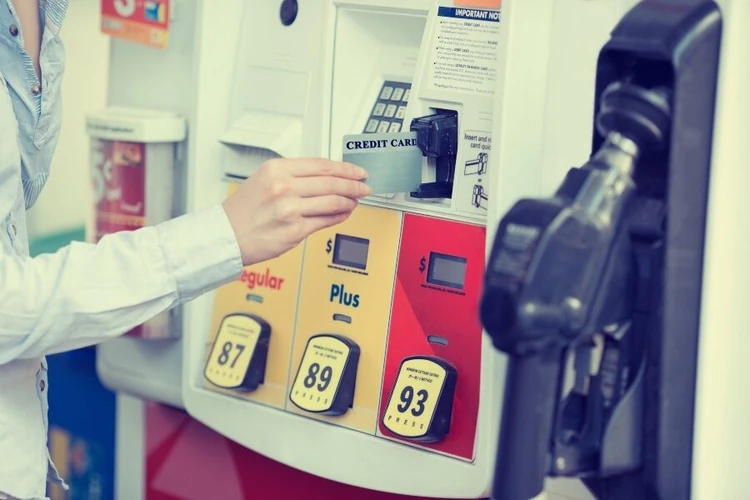
It’s not just the cost of the fuel you have to worry about. When you use a credit or debit card at the gas pump, the gas station takes temporary possession of enough of your money or credit to cover even more than your purchase and holds it until the purchase settles.

With the price of gasoline and diesel fuel at record highs, The Wall Street Journal reports those “holds” can amount to $175. While most of the time the money is returned in a couple of hours, there are cases where it can take longer.

Visa and Mastercard began allowing the larger holds earlier this year when gas prices surged. At $5 a gallon, filling up a truck or SUV can cost over $100.

When gas prices were $3 a gallon or less, the holds were much smaller. Now that the price is over $5 a gallon in several states, the larger hold on a debit card purchase could mean trouble if the consumer has $100 or less in their bank account.

“When you set a hold that is a high number, it increases the likelihood that a consumer will overdraft because of that hold,” Jeff Lenard, vice president of strategic industry initiatives at the Association for Convenience & Fuel Retailing, a trade organization, told the Journal. “However, if you set a number that’s too low, you also risk not getting paid for that transaction.” 

What to do

For consumers buying gas with a credit card — especially one with a low credit limit — there is a similar risk. A $50 gas purchase using a card with only $125 in credit limit remaining might seem safe, but it isn’t. The $175 hold, even for a couple of hours, will result in an overdraft charge.

Before you head out on a holiday trip that will require a refueling stop, it’s a good idea to check your bank balance if you’re paying with a debit card. By logging into your credit card account, you can make sure you have enough credit to cover the hold.

If you think you’re dangerously close to the edge, carrying plenty of cash to pay for fuel could offer some peace of mind.

Article Image

Consolidating credit card debt can dramatically increase credit scores, study suggests

A new study suggests that consolidating credit card debt can be a shrewd move that can pay off in several ways. In addition to the belief that paying off bills in time can improve credit scores, LendingTree’s latest analysis of the yays and nays of credit card consolidation found that those who consolidated at least $5,000 in credit card debt found their credit scores rose an average of 38 points in as little as a month. 

In fact, the study concludes that the more credit card debt someone pays down with a personal loan, the higher their credit score jumps. Let’s say you pay down $10,000 or more in credit card debt. In that case, credit scores go up an average of 49 points. The inverse is true, as well. The study found that taking out a loan to pay down anywhere from $1,000 to $5,000 in credit card debt, borrowers gained an additional 17 points, on average, in a single billing cycle.

While taking out a personal loan to pay down credit card debt can seem a bit like robbing Peter to pay Paul, LendingTree chief credit analyst Matt Schulz said it’s definitely worth the effort.

“A higher credit score is a big, big deal because there are few things in life that are more expensive than crummy credit,” Schulz said. “It can cost you thousands of dollars in the form of higher interest rates on loans, higher insurance premiums and more. It can even keep you from getting that new apartment you’re hoping to rent.”

But Schulz cautioned that even though credit card debt consolidation will likely cause someone’s credit score to go up, there’s more upside to eliminating debt altogether.

“Eliminating that debt can be nothing short of life-changing,” Schulz said. “It can free you up to build an emergency fund, save more for retirement, work toward buying a home or paying for your kids’ college. It’s a big, big deal.”

Where to get the consolidation loans and what to consider

Schulz said that for consumers who have the highest incomes and the best credit scores, getting a personal loan from a bank is the best way to go. “These are probably folks with significant experience with lenders and at least a few other items on that credit report. Those folks have a lot of other data points on their credit report that are influencing their credit score, so one change, even a big one like paying down all that debt, may not be as impactful for them as it would be for someone newer to credit,” he said.

ConsumerAffairs investment advisor Barbara Friedberg agreed. She said that the most clear-cut way to obtain a debt consolidation loan is through a bank or other debt consolidation lending institution. 

Friedberg said that if consumers can’t – or don’t want to – go the bank route, there are three other ways to get out of credit card debt.

0% balance transfer card: Balance transfer credit cards allow consumers to consolidate their debt by transferring the debt of multiple credit cards to one balance transfer card. Friedberg notes that some of those cards include 0% interest offers along with sign-up bonuses and cash-back rewards.

Home equity loan: “Homeowners can take out an amount of money based on the equity they have in the home, determined by the amount of money paid into the mortgage over the value of the home,” Friedberg said, adding that a home equity loan can be taken out to make home improvements, pay large bills or settle other debts.

401(k) loan: One unique approach Friedberg offered is for people who have a 401(k) set up through their employer. For those folks, they can borrow against that account. “Because a 401(k) is a personal retirement savings account, this is essentially borrowing from yourself. Because you’re withdrawing money from an account, not borrowing new money, a 401(k) loan will have no impact on your credit score. 401(k) loans typically require full repayment within five years,” she said

That 401(k) loan idea comes with a warning flag, though. Friedberg said that, most likely, there will be a small interest tacked onto a person’s repayment plan, and they also risk hurting their overall retirement savings plan. For those whose jobs may be shaky, Friedberg raised her warning a little higher. “If you lose your job, you’ll be required to pay back the 401(k) loan by the time your federal income taxes are due for the year,” she said.

Article Image

Consumers increased their spending in May

The Bank of America Institute reports that Bank of America customers with debit and credit cards increased their spending by 9% in May. On the surface, that looks like good news.

But a closer look suggests that consumers aren’t necessarily spending more on discretionary items. In many cases, they’re simply spending more to buy the same amount of gasoline and groceries.

For example, spending at the gas pump as a share of total card spending surged to 7.8% for the week ending May 28, up from 6.4% in February. For households earning less than $50,000 a year, the average share of gas spending rose to 9.5%.

"Our card data shows continued growth in consumer spending, but inflation is challenging households' purchasing power," said David Tinsley, senior economist for the Bank of America Institute. "That said, spending on services like travel and entertainment remained strong and households continued to have higher savings than they did before the pandemic. Overall, we still remain cautiously optimistic for the U.S. consumer."

Economic ‘perfect storm’

Sajan Devshi teaches business and economics and operates Learndojo.org. He says the economy faces a “perfect storm” of consequences beyond the control of policymakers.

“Inflation has skyrocketed due to the huge amounts of money injected into the world economies due to COVID-19 across the globe,” Devshi told ConsumerAffairs. “When you have an over-supply of currency pumped in with low levels of productivity, which is effectively what happened with COVID as many businesses were unable to operate, inflation increases exponentially and we are seeing this globally now.”

While inflation was rising in late 2021, the Russian invasion of Ukraine and resulting sanctions on Russian oil this year sent oil prices spiraling out of control. The resulting jump in gasoline prices has been a major driver of inflation.

“Gas and energy prices play a huge role in the structure of the modern economy,” Yoni Mazor, chief growth officer at GETIDA, told us. “The prices of driving cars, booking flights, shipping products, and much more get greatly affected by the rise of gas prices. This is definitely contributing to the overall level of inflation and hits the pockets of consumers and their daily spending in many ways.”

Inflation, meanwhile, shows no sign of slowing down. On Friday, the Labor Department reported that consumer prices increased 1% from April to May and are 8.6% higher over the last 12 months.

Article Image

Most credit card issuers are failing to meet expectations, survey finds

There’s no question we are in turbulent economic times. Inflation is at a 40-year high, and shortages of everything from cars to baby formula are keeping consumers on edge. 

A new survey suggests that consumers expect help from their credit card companies and digital payment apps but don’t feel they are getting it. According to a series of recent studies of bank and credit card mobile apps and online users by J.D. Power, overall satisfaction with most digital channels has declined as usage has increased.

The studies tracked overall customer satisfaction with banking and credit card providers’ digital offerings. Jennifer White, senior consultant for banking and payment intelligence at J.D. Power, said they reveal a lot of volatility in customer satisfaction scores.

“Based on their experiences with other consumer apps and websites that anticipate their needs and offer a highly personalized customer experience, bank and credit card customers are expecting more from their digital solutions,” White said. “The tough economic climate has amped up the urgency of those expectations.”

Decline in financial health

In less than a year, the percentage of consumers who could be defined as “financially healthy” has dropped 10 percentage points, to 43% from 53%. The percentage of consumers identified as “financially vulnerable” has increased to 32% from 25%. Bank customer satisfaction scores are 113 points lower, on average, among financially vulnerable customers than among financially healthy customers, the survey found.

Customers appear to be more satisfied with banks’ websites than with their apps. Website satisfaction scores improved slightly, but satisfaction with apps plunged by 17%.

Among national banks, Capital One ranked the highest in banking mobile app satisfaction, followed by Chase and Wells Fargo. Discover ranked the highest in credit card mobile app satisfaction, followed by American Express.

ConsumerAffairs reviewers weigh in

Among consumers posting reviews at ConsumerAffairs, here’s how reviewers generally rate those five companies using our 5-star rating system:

  • Capital One - 3.8 stars
  • American Express - 3.3 stars
  • Wells Fargo - 3.2 stars
  • Chase - 3.0 stars
  • Discover - 3.0 stars

Nathaniel, of Sayre, Penn., recently posted a ConsumerAffairs review of Capital One that reflects what the JD Power surveys found.

“I would start by saying Capital one is the best card company out there for the middle-class struggling trying to repair their credit,” Nathaniel told us. “I found them to be the best for me. No annual fee. A little high on the interest side but approved is what we all want. A fresh start. A chance for the hardworking American. I have always been approved when others say sorry.”

The J.D. Power surveys identified one key area where banks can improve their scores. The authors recommend that banks need to find ways to increase personalization for app users.

Among retail bank customers who visit their bank’s branch, 73% say they have a personal relationship with that bank. Among those who primarily use the bank’s digital channels, that percentage falls to 53%.

Article Image

Key Bank says its customers’ credit scores have risen

Key Bank reports that another 4,343 of its customers have moved from a secured credit card to a traditional account after they were able to significantly raise their credit scores.

Since 2018, the bank has operated a program in which consumers with poor or no credit can build up their credit standing through the use of a secured credit card. This is important because many of these consumers would otherwise be unable to qualify for a credit card.

A secured card works the same way that a regular credit card does, but there's one big difference. With a traditional “unsecured” card, the lender has no collateral in case of default. 

To open a secured credit card account, a consumer deposits a sum of money – often around $500 – into a bank account to serve as collateral in the event of default. They make purchases with the card and, if they pay their bills on time, earn points with the credit reporting agencies. In the process, they also tend to develop good financial habits.

Among the latest group of “graduates,” Key Bank says 69% had no FICO credit score at the time that they opened an account. Another 31% were designated as having low FICO scores at origination. At the end of the program, the bank says the average improvement in credit score for those in the low category was 81 points.

"Our graduates are in a greater financial position coming out of this program," said Mitch Kime, KeyBank executive vice president of Consumer Client Growth. "With their newly improved standing, they are better positioned in applying for loans, more banking opportunities, and in some cases, better insurance rates. All of it adds up substantially towards creating a financially healthy life for themselves."

Shop carefully

Many other banks offer secured credit cards, but consumers should shop carefully because some may carry much higher fees than others. Danni White, a member of the ConsumerAffairs credit card research team, says a secured credit card can be a useful tool for a significant portion of the population.

“If your credit score is too low for you to get approved for a personal credit card, then a secured credit card might be your path to rebuilding your credit history,” she wrote.

Secured credit cards are available with no annual fee. However, these cards tend to have interest rates that are greater than 20%, even though the account is secured and there is no risk to the lender.

That should encourage users to pay the account in full each month. That helps save money on interest charges while helping to develop good financial habits.

Article Image

Credit card rates expected to hit record of 19% on average

The Federal Reserve has begun to raise its federal funds rate, one of the reasons Wall Street is in the midst of a tailspin. But the change in policy is also affecting consumers who have run up large credit card balances.

Credit card interest rates move in sync with that key interest rate, and those already-high credit card rates have begun to move even higher. The experts at Bankrate predict that the average credit card interest rate will hit a record of 19% later this year.

Rising rates mean the minimum payment that cardholders must pay each month will likely also go up. Credit card companies charge between 1% and 5% of the balance as a minimum payment.

Only paying the minimum payment each month means most of the payment goes to interest, extending the time it will take to pay the balance down to zero. When the interest rate goes up, even consumers paying more than the minimum will face a longer payoff period.

According to personal finance experts, credit card debt is one of the biggest obstacles to building wealth. It can make it more difficult to purchase a home or pay for an emergency expense.

Lock up the cards

Jay Zigmont, a certified financial planner and founder of financial advisory company Live, Learn, Plan, says literally locking your credit cards away can help get you on the right track.

“When you don't have debt as an option, you are required to live within your means,” Zigmont told ConsumerAffairs.

To live within your means, Zigmont says you need a budget. It’s important that the budget is tailored to the individual and prioritizes “needs” over “wants."

“You need a roof over your head and basic transportation,” he said. “You may want a nicer house or a new car. Watch out for things that you 'feel you deserve.' Most often when people say they 'deserve' more, it is because of outside influences including friends, family, and social media.”

Paying off new credit card charges in full each month is also necessary to avoid expensive debt. Consumers who are already struggling with a credit card balance can pay it down faster by transferring the balance to a credit card that charges no interest for a year or more.

Check out ConsumerAffairs' guide to the best balance transfer cards for more information.

Article Image

Average interest rate on personal loans goes down

Mortgage rates are going up -- and thanks to Federal Reserve action, so are the rates on credit cards. But the average rate on personal loans is going down, according to Credible.com.

Last week, the average rate for qualified borrowers – those with a credit score of at least 720 – fell by 0.17% to 10.85%. In contrast, the average credit card rate for new accounts was 18.32% last month.

A personal loan is normally used to make a big purchase or consolidate high-interest debts, such as credit cards. The borrower seeks a specific amount of money that is paid back over a specified time period with a fixed monthly payment.

Unlike a mortgage, which can only be used to buy a house, or an auto loan, which can only be used to purchase a vehicle, personal loans can be used to buy a variety of things. That's why they have become a popular type of loan since they were introduced.

Cheryl Ann of Kalispell, Mont., turned to personal loan lender Best Egg late last year to get out from under high-interest debt.

“With the stress of Christmas and moving into a new home, credit card bills piling up caused spending $800 a month paying just for credit card bills,” Cheryl Ann wrote in a ConsumerAffairs review. Best Egg has taken that stress away with a personal loan. Something I can manage and get rid of my debt. The process was simple.”

Income and good credit are major factors

The rate that lenders charge for a personal loan is determined by several factors, including income. But the borrower’s credit score is a significant factor. The higher the credit score, the lower the interest rate. 

For example, Experian says a borrower with “super-prime” credit – a score between 781 and 850 – could get a rate as low as 6.59%. Someone with “deep subprime” credit – a score between 300 and 499 – would pay a rate of 15.3%, which is lower than many credit card rates.

That’s why it pays for borrowers to work on raising their credit scores before applying for a personal loan or any other type of loan. The easiest and most productive step is to pay all bills on time every month. Consumers who reduce their credit card debt, which will increase their amount of available credit, will also see an increase in credit scores. 

It’s also a good idea to obtain a copy of your credit report from all three agencies – Experian, Equifax, and TransUnion – and look for incorrect information that could be dragging down your score.

Article Image

Senators and retailers push back against credit card swipe fees

Credit card networks are raising “swipe fees,” a move that will increase costs for businesses and will almost certainly be passed along to consumers in this inflationary environment. However, the networks are getting pushback from retailers and members of Congress.

Executives from Visa and Mastercard appeared before a Senate committee this week to explain last month's increase in interchange fees, which are collected on every purchase to compensate banks for antifraud efforts and pay for rewards programs.

Officials from both companies said they are sensitive to the issues facing small businesses. Executives from Visa said the company is reducing fees for most small businesses, and Mastercard officials said they have reduced fees on transactions below $5.

But industry estimates show that businesses that accept Visa and Mastercard will still pay more in fees. By some estimates, the increases could be as much as $475 million.

‘Sweetheart deal’

“The credit and debit card systems are not competitive marketplaces,” said Sen. Richard Durbin (D-Ill.), who wants new regulations to promote competition. “It’s a sweetheart deal for the dominant networks, for the biggest banks, and for certain cardholders who have ritzy rewards programs, but the average small business and the consumer, they pay the price.” 

The National Retail Federation (NRF) agrees. A representative of the trade group told the committee in a letter that businesses that accept credit cards – small businesses in particular – need more choices.

“Ongoing and unwarranted increases in swipe fees are especially damaging to small retailers,” NRF Chief Administrative Officer and General Counsel Stephanie Martz said. “We have heard many stories from small retailers about the extreme challenges posed by the current payments system and Visa and Mastercard’s continuing monopoly. It is small retailers who are calling for swipe fee reform more than any other segment of our industry.”

The pandemic’s effect

The pain small businesses feel may have increased significantly since the start of the pandemic. Since the spring of 2020, consumers have used payment cards more than cash. There was even a coin shortage that prompted consumers to use plastic if they didn’t have exact change. 

When a greater percentage of purchases are made with credit cards, a business pays a swipe fee on an increasing percentage of its sales, reducing its profit margin.

“When we first opened our business, credit card transactions accounted for approximately 40% of our business,” said John Morman, owner of Celtic Tides gift shop, in Lexington, Va. “Now the credit card share is about 80% of transactions.”

To make matters worse, Morman says the fees have risen and that the time taken before funds appear in his business’ account gets longer. 

Consumers are also shouldering part of that burden. The NRF estimates that the average American family pays over $700 a year in price hikes that businesses impose to cover swipe fees.

Article Image

Mastercard is teaming up with Microsoft to improve online shopping

Online shopping is convenient for consumers, but criminals like it too. Since they don’t need to physically possess a stolen credit card, they can easily make what appears to be legitimate purchases if they have a consumer’s credit card information, which is often bought and sold on the dark web.

To combat the problem, Mastercard is teaming up with Microsoft on a new technology to more easily verify that the purchaser is who they say they are. The companies say merchants will lose less money to fraudsters and consumers will enjoy a more seamless transaction experience.

According to the companies, a digital fraud that has emerged in recent years is “first-party fraud.” That’s when a legitimate purchase is made online but then later disputed. First-party fraud is estimated to cost merchants worldwide as much as $50 billion.

"Shopping online should be simple, quick and secure but that isn't always the case,” said Ajay Bhalla, president, Cyber and Intelligence at Mastercard. “We're committed to developing advanced identity and fraud technology to help enhance the real-time intelligence we provide to financial institutions around the globe. This builds on our longstanding commitment of working across the industry to provide advanced technologies that enable trust, and help build a safe and thriving digital ecosystem for all."

Digital Transaction Insights

Mastercard says it has already taken steps in that direction. It has combined its Digital Transaction Insights solution with next-generation authentication that allows for real-time decision-making.

That system links Mastercard's network insights with the merchant's own data to confirm that the consumer is who they claim to be. It also provides financial institutions with additional intelligence needed to optimize their authorization decisions.
For consumers, it could mean fewer texts from their credit card company asking if they made a particular purchase. Mastercard says Digital Transaction Insights is already used across a wide range of online checkout functions, from click-to-pay transactions to digital wallets.

Microsoft brings its Dynamics 365 Fraud Protection to the table. Its proprietary risk assessment leverages adaptive AI to enable real-time fraud detection by identifying risky behaviors.

According to Microsoft, this will help credit card issuers make better decisions when it comes to requests for authorizations, chargebacks, and refunds. The result, it says, is a smoother process for consumers and fewer losses for merchants.

Article Image

CFPB sues TransUnion for allegedly deceiving consumers

The Consumer Financial Protection Bureau (CFPB) has filed a lawsuit against one of the three largest U.S. credit reporting agencies, TransUnion, for violating a 2017 order that is intended to protect consumers from deceptive marketing tied to their credit scores.

The agency claimed that even though TransUnion agreed to stop duping consumers four years ago, it disregarded the order’s stipulations and instead continued employing “deceitful digital dark patterns” in order to sweeten its revenue stream to the tune of $3 billion for 2021. Its complaint alleges that TransUnion also violated other consumer financial protection laws, such as the Fair Credit Reporting Act and the Electronic Fund Transfer Act.

“TransUnion is an out-of-control repeat offender that believes it is above the law,” said CFPB Director Rohit Chopra. “I am concerned that TransUnion’s leadership is either unwilling or incapable of operating its businesses lawfully.”

In response to the suit, TransUnion said it made efforts to appease the CFPB.

"Despite TransUnion’s months-long, good faith efforts to resolve this matter, CFPB’s current leadership refused to meet with us and were determined to litigate and seek headlines through press releases and tweets. The CFPB’s unrealistic and unworkable demands have left us with no alternative but to defend ourselves fully."

Failure to maintain consumer trust

Consumers typically feel that they can count on credit reporting agencies to create accurate credit reports to help banks, credit card companies, and other lenders ascertain how creditworthy they are and how much debt they can safely handle. However, the CFPB cites consumer reports in saying that TransUnion has struggled to maintain that trust. At least one ConsumerAffairs reviewer feels the same way.

“I got on the Transunion website to access my free credit report. But because of their deceptive website, I ended up signing up for a subscription that costs $25 a month without realizing it,” wrote Janissa from Wayan, Idaho.

“Nowhere on the page did it say anything about a charge. I thought I was just creating a free account in order to see my credit report. BEWARE when using Transunion!”

Trap doors and hidden tricks

What Janissa alluded to may be one of the “dark patterns” that the CFPB referred to. The agency said companies sometimes build in hidden tricks or trapdoors to get consumers to inadvertently click links, sign up for subscriptions, or purchase products or services. Worse yet, these dark patterns can complicate or hide information that makes it harder for consumers to do simple tasks like canceling a subscription service.

One example the agency gave relates to the free credit reports Americans are entitled to – in TransUnion’s case, annualcreditreport.com. Officials say TransUnion asked consumers to verify their identity by entering in information from a credit card on the site.

Where TransUnion crossed the line in the CFPB’s mind is that it then integrated deceptive buttons into the online interface that gave the consumer the impression that they could also access a free credit score on top of viewing their free credit report. But when reality kicked in, clicking that button actually signed consumers up for recurring monthly charges that used the credit card information they had provided.

Caught in TransUnion’s web?

The CFPB is seeking monetary relief for consumers, as well as compensation for unjust gains, injunctive relief, and civil money penalties. However, consumers need to know that the CFPB's action is not a final finding or ruling that the defendants have violated the law.

Individuals, including current or former employees, with information related to any misconduct by TransUnion can report it to the CFPB by e-mailing whistleblower@cfpb.gov or by calling the Whistleblower Tip Line at (855) 695-7974. You can learn more about being a whistleblower here.  

Article Image

Consumers went $42 billion deeper into debt in February

With inflation ratcheting higher to start 2022, a new report from the Federal Reserve shows consumers tapped into a massive amount of credit in February.

Consumer debt increased by almost $42 billion between January and February to a total of nearly $4.5 trillion. That works out to an 11.3% annual increase and far outpaces the 2.4% growth rate in January.

Not surprisingly, credit cards played a major role in the increase. The Fed’s report shows that revolving credit, which includes credit cards, increased by nearly 21% to about $1.1 trillion. Revolving credit debt rose by just 4% in January.

The growth in credit card debt just as inflation kicked into high gear may be an ominous sign.

Rod Griffin, senior director of Public Education and Advocacy at Experian, says it is easy for consumers to get overwhelmed by credit card debt if they don’t have spending under control, a task made harder by rising prices.

“This is a responsibility that always needs attention,” Griffin told ConsumerAffairs. “It is really difficult to build a plan to pay off debt or accumulate savings if you don’t know where your money is going and how much of it is available.”

Griffin says consumers should look at their debit and credit card statements, track their income and expenses, and automate savings if possible.

“If they cannot pay the balance in full each month, consumers should aim to keep their total credit card balance under 30% of their credit limit to maintain a good credit score,” he said.

Credit card rates are headed higher

The news may get worse in the months ahead. Even if consumers don’t increase their credit card debt beyond February’s surge the cost of servicing it will continue to rise. The Fed has signaled that its plans to continue raising the federal funds rate this year to combat inflation. Unfortunately, whenever that rate goes up, so do credit card interest rates.

WalletHub recently reported that the average credit card interest rate is 18.32% for new offers and 14.51% for existing accounts. Carrying a balance at those rates will make it difficult to pay off – especially since the average rate is expected to move even higher.

Article Image

PayPal launches new cash-back credit card

PayPal is rolling out a new credit card that pays cash back on purchases. The card, issued by Synchrony, provides unlimited 3% cash back when paying with PayPal at checkout.

The 3% reward is applicable for purchases made online, on a mobile device, or in-store with a PayPal QR Code. It pays unlimited 2% cash back on all other purchases anywhere Mastercard is accepted.

PayPal cites data showing that more than 60% of American consumers are now shopping both online and in-store across multiple spending categories. As their shopping patterns change from the pandemic, the company believes shoppers are eager to maximize rewards, especially now that inflation is on the rise.

The new card has no annual fee, no category restrictions, and can be added to a customer's PayPal wallet for use at checkout.

"Our customers shopped across 34 different categories last year showcasing the diversity of their needs and interests, and we wanted to build a credit product that was flexible and better matched rewards with their spending behaviors," said Susan Schmidt, vice president of Consumer Credit at PayPal. "The new PayPal Cashback credit card was designed so PayPal customers can earn rewards and get cash back for everyday purchases no matter what categories they spend in that month." 

PayPal's card evolution

PayPal’s digital wallet has always required users to have a credit card to which purchases can be applied. It wasn’t long before the company saw the value in supplying the credit card too.

PayPal and Synchrony signed a deal in 2018 to extend their existing co-brand consumer credit card program agreement, making the latter an exclusive issuer of the PayPal Credit online consumer financing program in the U.S. through 2028.

“Together with PayPal, we continue to build on the seamless integration that has been a hallmark of our partnership, allowing us to enhance rewards to our customers and improve the user experience," said Bart Schaller, CEO of the Digital Platform at Synchrony. "Plus, it's easy to use and manage – the new PayPal Cashback credit card is sure to be a customer favorite." 

The new card takes the place of the existing PayPal 2% Cashback credit card. Eligible cardholders will automatically be upgraded into the new 3% cash back card structure. The company says other consumers may apply using the PalPal app or at www.paypal.com/cashback.

Article Image

Consumer groups urge feds to regulate ‘buy now, pay later’ apps

When buy now, pay later (BNPL) services first appeared in the marketplace, many people praised them as a solution to mounting high-interest credit card debt. But now, at least 77 consumer and community groups are raising serious concerns.
The groups have signed a comment letter to the Consumer Financial Protection Bureau (CFPB) and are asking it to provide oversight and regulation of these products. The letter warns that BNPL is contributing to an explosion in consumer debt.
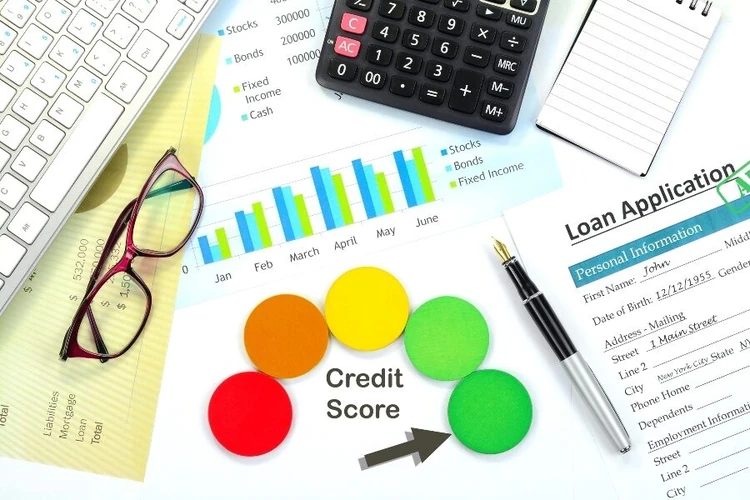

“BNPL products have largely evaded oversight by federal and state regulators,” the groups stated. “Although these products could have a place in meeting consumer needs if they operate as promised, they pose a risk to consumers and should be covered by basic consumer protections.” 

How BNPL works

The theory behind BNPL is simple. Instead of putting a purchase on a credit card, adding to a high-interest balance, a consumer uses a BNPL app to finance the purchase. The consumer pays 25% as a down payment and makes three more payments every two weeks until the purchase is paid off.

But the consumer groups claim it isn’t working out that way for many BNPL users. The groups claim that within the industry, there is a lack of meaningful underwriting to determine if the consumer can afford the purchase.

In the letter to the CFPB, the consumer groups claim that some BNPL services have hidden fees and no clear disclosures. In short, the groups point out that debt is debt, and when consumers take on more than they can handle, they get in trouble.

“Marketing of Buy-Now-Pay-Later credit is enticing, with promises of instant approval and no impact on a consumer’s credit,” said the groups in the letter. “However, many providers are not conducting meaningful underwriting to assess a borrower’s ability to repay, allowing consumers to accumulate unaffordable amounts of debt.” 

Falling behind on payments

A September 2021, survey by Credit Karma found that 44% of Americans had used a BNPL plan. Of those consumers, 34% said they have fallen behind on payments.

Those missed payments have had significant consequences. Of those who admitted to having missed at least one payment, 72% said they believe their credit score declined as a result. Nearly a third said they experienced “significant” declines in their credit score.

ConsumerAffairs’ research team has reviewed the growing field of BNPL apps and identified a few of the top competitors. Commonly praised characteristics include a good online reputation, rate transparency, and a generous availability of services.

Some BNPL apps also don’t charge interest and set spending limits for users, based on their credit history. For example, Sezzle does a soft credit pull to determine if you qualify, so applying doesn’t affect your credit score.

Article Image

Robinhood launches debit card that helps users buy stock

Robinhood, the free stock trading app that rocked the stock market through much of 2021, is offering a new financial product aimed at millennials and others who are new to stock trading.

The company is launching a debit card that gives users the option of rounding up each purchase to the next dollar and depositing the change in an account that goes toward the purchase of an investment asset.

The company said it is introducing the Robinhood Cash Card as a means to help a new generation start investing while they are purchasing the things they need.

“The Cash Card builds on our mission to democratize finance for all by giving debit card customers the same benefits and rewards that were once reserved for credit card holders,” Robinhood wrote in a blog post.

Free stock proved popular

The company’s early efforts to entice young customers appear to have paid off. It recently launched a promotion that awards new account holders with a free share of stock – a promotion that resonated with Eric, of Winston-Salem, N.C.

“I like the fact that you get a free stock, but I would like to see some kind of tutorial or introduction to stocks,” Eric wrote in a ConsumerAffairs review. “For those of us who don't know anything about it but want to try it out. I really don't use it much anymore but it is a good platform to learn on your own without losing a ton of money. Most importantly it's free!!!” 

Jennifer, of Fresno, Calif., told us she thinks Robinhood is a good platform for investors, whether they are new to investing or not.

“What I think the best part is that they tell you whether professional analysts think it’s a good time to buy, hold or sell and what percentage of said analysts think so,” Jennifer wrote in her review. “For that reason, I give it two thumbs up.”

Cryptocurrency is included

Juan, of Astoria, N.Y., is generally pleased with Robinhood’s current offerings, especially information that might help make a good investment decision.

“They also show news about the economy and about the stocks you are buying, which is very helpful for deciding when to buy or sell, but the crypto market is very limited so may not be the right app for people looking for crypto,” Juan wrote.

Juan may be pleased to learn that the new debit card not only allows investments in equities but also in cryptocurrencies. Other benefits include a weekly bonus of 10% to 100% of the accumulated investment cash, capped at $10.

Robinhood gained popularity in early 2021 when stock traders, communicating on Reddit message boards used the app to bid up several beaten-down stocks like Gamestop, AMC, and Hertz.

Article Image

Credit bureaus are changing the way they report medical debt

The three credit reporting agencies – Experian, Equifax, and TransUnion – have announced a change to consumers’ credit reports. All three companies will change the way they report medical debt collection.

If medical debt has been turned over to collections but is later repaid, the debt will be removed from the consumer's credit report. Under current practices, it remains as part of the consumer's credit history.

According to the Kaiser Family Foundation, two-thirds of medical debts are the result of a one-time or short-term medical expense arising from an emergency or sudden medical need. After two years of the COVID-19 pandemic and a detailed review of the prevalence of medical collection debt on credit reports, the credit agencies said they are making changes to help people focus on their personal wellbeing and recovery.

“Medical collections debt often arises from unforeseen medical circumstances. These changes are another step we’re taking together to help people across the United States focus on their financial and personal wellbeing,” said Mark W. Begor, CEO Equifax; Brian Cassin, CEO Experian; and Chris Cartwright, CEO TransUnion, in a joint statement. “As an industry, we remain committed to helping drive fair and affordable access to credit for all consumers.”

Widespread issue among consumers

An analysis of reviews posted at ConsumerAffairs shows that medical bills are a persistent source of financial trouble and a major drag on credit scores. In a review of Credit One Bank, Melissa, of Millsboro, Del., told us she was unhappy with the bank’s credit card because of an annual fee. However, she knew canceling it would harm her already damaged credit.

“Unfortunately, my credit is just being rebuilt because of medical bills and I have no choice but to pay the fee and keep the card for now,” she wrote in her review.

Shasta, of SeaTac, Wash., said she was in the same situation when she was unable to raise the limit on her Citi card because her previous 800-plus credit score was in a downward spiral.

“This was also the score range I maintained before losing my job and incurring medical bills beyond my ability to re-pay, resulting in being forced into bankruptcy,” Shasta told us.

Effective July 1

The change in credit reporting at all three agencies will go into effect on July 1, 2022. After that date, paid medical collection debt will no longer be included on consumer credit reports. 

The credit bureaus say they are also taking an additional step. The time period before unpaid medical collection debt would appear on a consumer’s report will now be increased from six months to one year to give them more time to work with insurance and/or health care providers to address their debt before it is reported on their credit file. 

In the first half of 2023, Equifax, Experian and TransUnion will also no longer include medical collection debt under at least $500 on credit reports.

The Consumer Financial Protection Bureau (CFPB) has been critical of the way credit agencies have reported consumers’ medical debt, noting that millions of Americans have unexpectedly been hospitalized for COVID-19 and are taking on debt while they receive needed care. 

CFPB research has shown that Americans have accumulated at least $88 billion in medical bills since June, making medical debt the most common entry on credit credits. Independent research has also shown that medical debt is a major contributor to bankruptcy.

Article Image

Medical debt is becoming more of a burden on Americans, CFPB says

In a new study of consumer finances, the Consumer Financial Protection Bureau (CFPB) found that medical debt is harming consumers' credit scores and adding significant amounts of money to their personal debt. 

The agency suggests that some 43 million Americans have medical debt on their credit reports, and that debt totals around $88 billion nationwide.

Medical-related debt isn’t something the average person plans for because it often comes about as a result of unexpected and emergency events. But when it does, it can hit hard and put Americans in a doom loop between their medical provider and their insurance company.

The CFPB says consumers often have to deal with aggressive debt collection and coercive credit reporting that forces them to pay medical bills they may not even owe. Once medical debt shows up on a credit report, the repercussions can be far-ranging and felt across all races and ethnicities, but most acutely by minority and low-income communities.

“These practices can impose serious costs on people’s financial, physical, and emotional health. Having a medical debt collection tradeline on a person’s credit record can make it harder to get credit, rent or buy a home, or find a job,” the CFPB stated in its report. 

“Some people are pushed into bankruptcy by medical bills that they cannot pay. Some avoid seeking health care out of fear of medical debt. And some find that the stress of having medical debt—and being contacted by medical debt collectors – worsens their mental health, contributing to conditions like anxiety, depression, and even suicide.”

What the CFPB is doing about the situation

Armed with data from the new study and efforts from states to protect patients from staggering medical bills, the CFPB has decided it needs to step up its efforts to ensure consumer credit reporting is not used overbearingly to force patients and their families to to pay debatable medical bills. Specifically, the agency intends to address the following factors:

Reasonable practices: The agency wants to ensure that credit reporting companies have reasonable procedures in place to keep medical debt information accurate. It plans to take action against furnishers who report inaccurate information.

No surprises: The CFPB says it will support the work of the U.S. Department of Health and Human Services to ensure that patients are not coerced into paying bills in excess of the amounts due. That's especially true in situations where the billed amount violates the No Surprises Act. That act protects consumers who are covered under group and individual health plans from receiving surprise medical bills from most emergency services and non-emergency services from out-of-network providers at in-network facilities.

Tell consumers what financial assistance is available: Regulators will investigate how best to facilitate patients’ access to financial assistance programs offered by medical providers, including at the point of collection and credit reporting.

Continue researching the situation: The CFPB says its latest study is just a start and that it will conduct additional research on medical billing collection practices and their impact on patients and families.

Look for ways to end the current problem: Finally, the agency said it will determine whether policies should be implemented to eliminate unpaid medical billing data on credit reports altogether.

Extra expert advice

ConsumerAffairs reached out to Stephanie Genkin, a medical debt expert, to get her take on the CFPB’s report. She assures consumers that medical debt is given less weight on credit reports than other kinds of delinquencies. However, she said there are three things people can do when facing medical cost issues:

  • Don't argue with the debt collector. Ask for written confirmation of the debt so you can dispute it if it is inaccurate.

  • Negotiate a reduced payment. Debt collection agencies buy medical debt for pennies on the dollar, so consumers can often try to work with collectors to reduce the burden of their debt.

  • Try a "pay to delete" strategy. Genkin says consumers can get written confirmation that a collector will notify all three credit reporting agencies to delete the reporting of their debt once it is paid off.

Article Image

Small businesses are struggling to pay credit card swipe fees

Amazon and Visa reached a truce on credit card swipe fees this week, an issue that had the two industry leaders at odds in the U.K. through most of 2021.

If the service fees are an issue for a major player like Amazon, imagine what they are for small businesses that may still be struggling from the effects of the COVID-19 pandemic. At Giovani’s restaurant in suburban Richmond, Va., a sign implores customers to pay in cash, claiming that swipe fees are greater than the restaurant’s rent during many months.

Louis Hoch, president and CEO of payment solutions firm Usio, Inc., says the problem for small businesses can be traced to the pandemic, which he says changed how consumers make their purchases.

“Consumers preferred using cards for payments than handling cash that they perceived might carry the infection,” Hoch told ConsumerAffairs. “Overall, the merchants experienced higher card usage for payment of their services and, as a result, their processing volume increased which also increased their payment processing expense.”

Fee increase in April

But the worst may be yet to come for small businesses that accept credit cards. Cindy Smith, head of Payments at payment network Veem, said the credit card processors postponed an increase in swipe fees that would have gone into effect last year. Those increases take effect in April.

Unless consumers begin making more cash purchases, small businesses will face higher costs. But Smith believes the shift to electronic payments is deeply embedded.

“I think long-lasting changes that altered the way people pay and get paid will continue to stick around long after COVID,” she told ConsumerAffairs.

Consumers could pick up the bill

Caught between credit card swipe fees and rising inflation, some small businesses may feel stuck. If they raise prices, they risk losing customers. So some are rewarding customers who pay in cash.

Others, according to Money magazine, are asking their customers to pay their swipe fees by tacking on a service charge on credit card purchases. These fees typically range from 1.5% to 3.5%.

While some consumers may start making more trips to the ATM to take advantage of cash discounts, Kelsey Sheehy, small business specialist at NerdWallet, doesn’t see that as a trend, especially since so many transactions are now completed online.

“In-person payments…plunged during the pandemic, falling from 91% to 34% between October 2019 and April 2020,” Sheehy said. “While face-to-face transactions have rebounded to some degree, shoppers are still reaching for their credit cards and smartphones over cash.”

Article Image

Bank of America introduces new payment system for online purchases

Amid competition from fintech firms, Bank of America – one of the largest credit card issuers in the U.S. – is introducing a new way to pay for things.

The company is rolling out its new online payment solution called "Pay by Bank." The new feature allows consumers who are making online purchases to pay directly from their bank accounts instead of using a credit card or debit card. 

The company says Pay by Bank transactions are based on the concept of “open banking.” They take place in real-time and require no credit card or debit card details. Bank of America says this makes online checkout simpler, faster, and more secure.

Bank of America seems to have a pretty good reputation among consumers for its security. Hector, of Las Vegas, told us he’s pleased with how Bank of America handles the security of his credit card account.

“Card controls are excellent because you can stop any online or atm activity anytime,” Hector wrote in a ConsumerAffairs review. “I feel my account is safe. You can only access account info from your own device.”

No storage of customer data

Bank of America says Pay by Bank is even safer than payment card transactions because there is almost no storage of customer data. Because a card is not required and it is an online “account to account” payment, companies do not need to obtain and store customer card data.

The system leverages the customer's bank authentication network for added security. And as a bonus for consumers, the transaction does not levy a card processing fee.

The system is rolling out first in the U.K., but it will be available in the U.S. in the months ahead. Once it is fully implemented, many e-commerce merchants will offer Pay by Bank at checkout. After selecting that option, the customer authenticates the payment by using their existing login credentials through their online banking platform.

Once authenticated, the payment is sent directly from the customer's bank to the company's account. The customer is returned to the checkout page and the transaction is complete.

"The launch of Pay by Bank is part of our continuous cycle of technology investment that helps us to keep clients at the cutting edge," said Matthew Davies, co-head of Global Corporate GTS Sales and head of GTS EMEA at Bank of America. 

Davies predicts that Pay by Bank will make online shopping easier and more secure for consumers while helping merchants set themselves apart from their competitors.

Article Image

U.S. households increased debt by $1 trillion in 2021

Americans borrowed money at a near-record pace in 2020, just a year after they sharply reduced credit card debt. A report by the New York Federal Reserve found that all types of household debt, from mortgages to auto loans and credit card balances, ballooned by $1 trillion, the largest increase in 14 years.

In addition to mortgage growth, the report showed that auto loan originations were big drivers of household debt. That, in turn, is a product of inflation. As the prices of new and used vehicles have surged since the start of the pandemic, consumers have often taken on more debt to purchase a car or truck.

Largest increase since 2007

Mortgage balances remain the largest component of household debt, rising by $258 billion. Credit card balances increased by $52 billion, while student loan debt actually declined by $8 billion, remaining roughly flat in nominal terms at the end of 2021 after almost two decades of steady increases.

"The total increase in nominal debt during 2021 was the largest we have seen since 2007," said Wilbert Van Der Klaauw, senior vice president at the New York Fed. "The aggregate balances of newly opened mortgage and auto loans sharply increased in 2021, corresponding to increases in home and car prices."

The report’s authors say new extensions of installment credit were at historically high levels in 2021 for both mortgages and auto loans. They note that mortgage originations were at $1 trillion in the fourth quarter of 2021. It contributed to a historic high in annual terms, with over $4.5 trillion in mortgages having originated over the course of 2021.

Managing debt is key

How consumers manage that debt may determine whether an increase in loan volume is a threat to the economy. After shopping around, Bob, of Annapolis, Texas, secured a debt consolidation loan through Sofi and is happy with the outcome.

“Got offers from other lenders at 20% or more (how does a D/C loan at 20% make any sense ?),” Bob wrote in a ConsumerAffairs review. “Sofi came through with an offer at a reasonable rate, much to my surprise, and I jumped on it. All done through website and email. Speed, accuracy, easy.” 

The report found that more consumers like Bob may need help managing their debt, noting that the credit scores of newly originated mortgages have declined in recent quarters from the beginning of the pandemic.

However, average scores remain elevated and suggest that newly opened mortgages and a higher share of refinances appear to be solid. The volume of newly originated auto loans was $181 billion during the fourth quarter, primarily because consumers were forced to borrow more to purchase ever-more-expensive cars and trucks. 

The report found that aggregate limits on credit card accounts increased by $96 billion and now stand at $4.06 trillion, $160 billion above the pre-pandemic level.

Article Image

Equifax finalizes data breach settlement with FTC and starts fulfilling claims

The Federal Trade Commission (FTC) has reached a settlement with the consumer credit reporting agency Equifax over a 2017 data breach in which hackers accessed the personal data of 147 million people.

The company has agreed to a global settlement with the FTC, the Consumer Financial Protection Bureau (CFPB), and 50 U.S. states and territories. The settlement includes up to $425 million to help people affected by the data breach.

What affected consumers will receive

The settlement administrator has already begun contacting those who filed valid claims, and Equifax has agreed to offer eligible claimants a free four-year membership in Experian IdentityWorks, an identity theft protection service. As a plus, Equifax also agreed not to require users to provide payment info to enroll, nor do they have to cancel the service when it ends.

All anyone who received a notice has to do is visit the Experian IdentityWorks website and enter the Activation Code from the email or letter they received. They can also call 1-877-251-5822.

Time is of the essence, though – the activation code has to be used by June 27, 2022, at the latest. 

The FTC also warns consumers to be on the lookout for scammers who might be trying to leverage the opportunity to get their hands on some personal data.

“Legitimate emails about this settlement will come from Equifax Breach Settlement Administrator,” the FTC said. “The administrator will not call you.”

Claiming expenses related to the data breach

Those who did not apply for the settlement still have an opportunity to do that. Consumers can file a claim for expenses incurred between January 23, 2020, and January 22, 2024, as a result of identity theft or fraud related to the breach. That includes any of the following:

  • Losses from unauthorized charges to your accounts.
  • Fees you paid to professionals, like accountants or attorneys, to help you recover from identity theft.

  • Other expenses you incurred while recovering from identity theft, like notary fees, document shipping fees, postage, mileage, and phone charges

To file an “extended period claim,” Equifax has set up a special website here that consumers can use.

Recovering from identity theft

The FTC went another step further in the consumer’s favor. The agency said those who never filed a claim for other benefits but were affected by the data breach and discovered misuse of their personal information can get free identity restoration services.

To access this benefit, all consumers have to do is use the look-up tool to confirm that they were affected by the breach. The confirmation page provides a phone number and engagement number to get free help with identity restoration.

For more information about identity theft, visit ConsumerAffairs' site here.

Article Image

Fed signals upcoming interest rate hike that will affect credit card rates

In addition to more expensive food and gasoline, the interest rate on your credit card balance could be going up soon. 

As it concluded its January meeting, the Federal Reserve Open Market Committee made clear that it plans to increase its federal funds rate, perhaps as early as March. The Fed has kept that rate near 0% since the early days of the pandemic.

Fed Chairman Jerome Powell said raising the rate is one of the tools that policymakers will use to bring down inflation, which is currently running hotter than the Fed would like.

“This is going to be a year in which we move steadily away from the very highly accommodative monetary policy that we put in place to deal with the economic effects of the pandemic,” Powell said at a Wednesday news conference. 

That message was clear for Wall Street, where stocks sold off sharply while Powell was taking questions from reporters. With higher interest rates, investors believe stocks can’t be valued at current levels.

Clear implication for consumers

For consumers with a credit card balance, the implications are also clear. While very few types of loans are linked to the Fed’s federal funds rate, the interest rates charged on credit card balances are. 

That means if you pay the same amount each month on your credit card bill, more of the payment will go towards interest and less will go towards paying down the balance. The Fed did not announce a rate increase at Wednesday’s meeting, but market analysts expect a rate hike to be announced at the Fed’s meeting in March.

Unfortunately, it’s not likely to be a single rate increase. If the goal is to tamp down inflation, a series of rate hikes may be required, eventually bringing the key interest rate back to around 1% – which is still very low by historical standards.

Rates won’t go up immediately

Credit cardholders may not notice the change right away. Usually, it takes a month or two for lenders to adjust their credit card rates, which are already among the highest interest rates that consumers face.

The average interest rate on credit card debt is currently around 18%. But that’s just the average rate – people with less-than-stellar credit can pay 25% or more in interest.

With credit card rate increases a few months away, now may be a good time to aggressively pay off balances. Using a balance transfer card that charges no interest for the first few months is a good way to make progress.

ConsumerAffairs’ Credit Card Buyers Guide is a good place to start when researching the best card to use for a balance transfer.

Article Image

Experian to let consumers with no credit history write their own credit report

Many of us obsess over our credit scores. After all, those numbers are important when you buy a home, purchase a car, or apply for any kind of loan.

But some people don’t have a credit score because they have no credit history. They’ve never applied for a credit card and have no other types of debt. For these consumers, Experian – one of three credit agencies – will reportedly let them write their own credit report.

According to the Wall Street Journal, Experian’s new program is called “Go,” and it's similar to another program called Experian Boost. Boost links additional payment and banking information to help consumers raise their credit scores.

For example, if a person pays their electric bill and video streaming charges on time each month, that information – not currently part of a traditional credit report – is added to their history, thus raising their credit score.

Experian told the Journal that, on average, consumers who add non-debt accounts to their newly created credit reports go from having no FICO score to one of about 665. 

The program is designed to make “unbanked” consumers more visible to financial institutions and give them an improved chance of being approved for a loan. At the same time, Experian benefits by having more data on more consumers.

Good results with Boost

Jairo, of Cleveland, Ohio, signed up for Boost and is glad he did.

“I personally increased my score by 40 points in my first 3 months," Jairo wrote in a ConsumerAffairs review. "You can optionally link your bank account for better results. By doing that I have increased my score by 19 points.”

Having a credit report can be a two-way street. It’s good if you have a good credit track record, but it's not so good if you aren’t careful with your money. Sholanda, of Browns Mill, N.J., tells us she worked with Experian to raise her 515 credit score.

“I had quite a few negative items,” Sholanda wrote in a ConsumerAffairs review. “After paying off some things and disputing items my score went up significantly.”

Craig Boundy, head of Experian North America, told the Journal that having credit information on more consumers makes the company more successful, not only in selling Experian services but also by offering credit cards that have the best chance for approval.

Article Image

Paying bills on time and managing debt can improve your credit score in 2022

A turn of the calendar often brings New Year’s resolutions, and improving credit scores often carries a big payoff in consumers’ financial lives. After all, credit scores determine what interest rate you get on mortgages and car loans. It can also determine whether you get the job or apartment you want and what kind of credit card you carry in your wallet.

Knowing what impacts your credit score the most is useful information to have. Rod Griffin, senior director of consumer education and advocacy for Experian, says paying your bills on time and managing debt are two of the biggest factors credit agencies consider.

“The most important thing you can do to maintain or improve your credit scores is to pay your bills on time and keep your credit card balances low,” Griffin told ConsumerAffairs. “Your payment history and credit utilization rate are the two most important factors used to determine your credit score. Catching up on missed payments is the single most important thing you can do to improve your credit scores.”

Keep an eye on credit utilization

Michael, of Littleton, Colo., saw his FICO score drop 19 points after he accepted a credit card solicitation from Chase Bank. In hindsight, he should have considered a card with a higher debt limit.

“My credit limit on that particular card was $1200,” Michael wrote in a ConsumerAffairs review. “Several months later, I decided to use the Chase Bankcard for an online purchase of $359.”

That’s when Michael saw his score drop. It likely had something to do with the fact that the single purchase utilized 30% of his available credit on that particular card.

“Credit card debt impacts your credit utilization rate, which can have a significant effect on your credit score,” Griffin said. “Carrying high credit card balances raises your credit utilization rate, which will bring down your credit scores. On the flip side, keeping your credit card balances low reduces your credit utilization rate, which is a good thing and will have a positive impact on credit scores.”

Pay off the balance every month

Some people who use a credit card for all their monthly purchases make multiple payments each month in order to keep the balance low. Griffin said that really isn’t necessary if you pay off the entire balance when the bill arrives.

“The balance on the billing statement is typically the balance shown in your credit history,” Griffin said. “Paying prior to the end of the billing cycle may reduce the amount shown on the billing statement and that is reported in your credit history. That may reduce your overall utilization rate. Generally, paying the balance in full each month will ensure the best outcome for credit scores.”

In 2018, Experian launched a program called Experian Boost. Participating consumers can get credit for timely payments for bills on cell phones, utilities, and video streaming services – payments that are not typically reported to credit agencies. But for anyone trying to improve their credit standing in 2022, Griffin says consistency is the key factor when it comes to paying bills on time and keeping your balances low.