



2025 Consumer Confidence Trends

Article Image

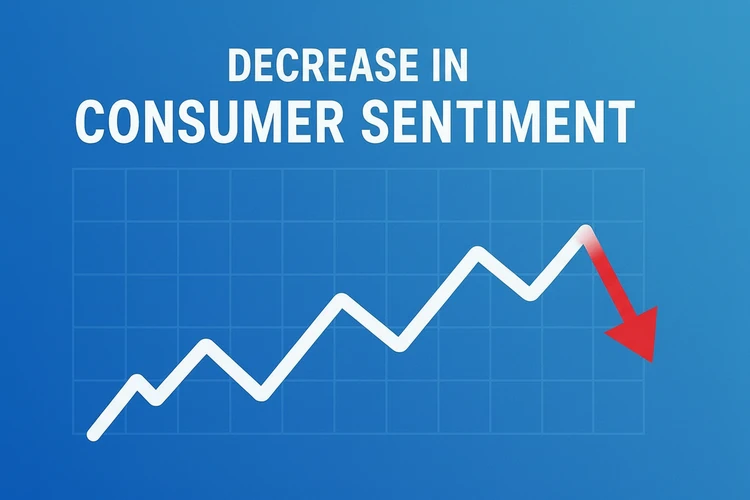
Consumers feel a little more confident in July

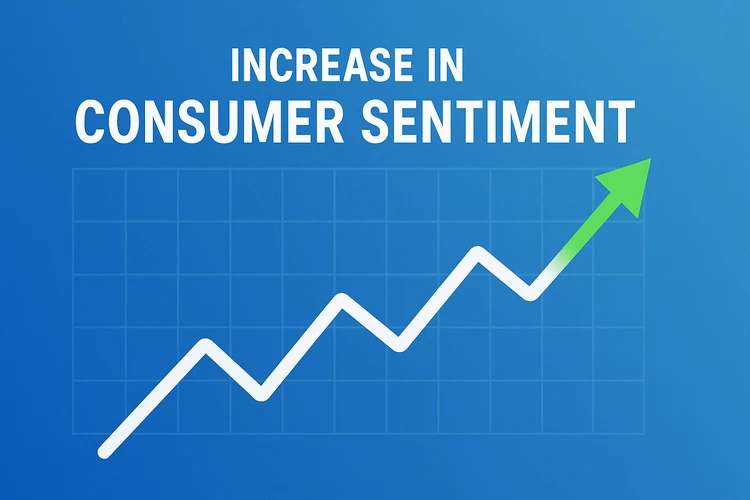
  • The Conference Board Consumer Confidence Index® increased to 97.2 in July, up from a revised 95.2 in June.

  • The Present Situation Index declined slightly to 131.5, reflecting continued concerns about current job conditions.

  • The Expectations Index rose to 74.4, but remained below the recession-indicative threshold of 80 for a sixth straight month.


Consumer confidence edged up in July, signaling cautious optimism about the short-term economic outlook, even though there are lingering concerns about the labor market and inflation. 

According to The Conference Board’s latest release, the Consumer Confidence Index rose by 2.0 points to reach 97.2 (1985=100), reflecting improved expectations across most age and income groups.

"Consumer confidence has stabilized since May, rebounding from April's plunge," said Stephanie Guichard, senior economist at The Conference Board. “Though optimism remains below last year's highs, July’s improvement suggests consumers are regaining some confidence in future conditions, particularly regarding business prospects, employment, and personal income.”

Recession worries persist

Despite a small lift in overall confidence, consumer perceptions of current economic conditions were mixed. The Present Situation Index dropped slightly to 131.5, driven largely by weakening sentiment around job availability. 

While more consumers (30.2%) said jobs were "plentiful" in July compared to June (29.4%), a growing share – 18.9% – reported jobs were "hard to get," the highest percentage since March 2021. This figure is up significantly from 14.5% in January.

At the same time, the Expectations Index rose 4.5 points to 74.4, a sign that consumers are growing less pessimistic about the coming months. Even so, the index has remained under the 80-point mark, historically associated with recession risks, for half a year, indicating continued economic uncertainty.

Inflation concerns

Write-in survey responses revealed that consumers remain concerned about inflation, tariffs, and recent legislative developments. Despite a slight drop in 12-month inflation expectations, concerns over rising prices persisted. Tariffs were a top concern, especially in terms of their potential to drive costs higher.

Some respondents referenced the recent budget reconciliation bill passed by Congress, dubbed the “Big Beautiful Bill,” with opinions divided: some praised its economic potential while others voiced skepticism. However, the legislation did not dominate consumer concerns in July.

Consumer spending intentions painted a mixed picture. Plans to purchase cars and homes declined in July, though they remained relatively stable when viewed on a six-month average basis. Big-ticket items like appliances saw uneven demand, while interest in electronics crept upward.

In services, spending intentions weakened for the second month in a row, with dining out, travel, and lodging all seeing declines. Domestic vacation plans fell overall, while a slightly larger share of consumers expressed interest in traveling abroad.


Article Image

Consumers in survival mode as economic pressures mount - KPMG

  • Nearly 4 in 10 households report lower income; over 70% expect a recession by next year.

  • Shoppers are cutting back across nearly all spending categories, except essentials like groceries and car-related expenses.

  • Tariffs, inflation, and shrinking savings are pushing consumers toward discounts, thrift, and smarter buying choices.


As summer 2025 winds down, U.S. consumers are facing tough financial decisions, according to KPMG’s latest Consumer Pulse report. With inflation climbing, household incomes shrinking, and renewed fears over tariffs, Americans are spending less, saving less, and thinking twice before making non-essential purchases.

“This isn’t just belt-tightening — it’s a complete rethink of value,” said Duleep Rodrigo, KPMG’s Consumer and Retail Sector Leader. “Today’s consumer wants purpose behind every dollar spent.”

The report, based on a survey of over 1,500 consumers, found that 39% of households say their income has dropped, nearly double the number from last summer. At the same time, over 70% believe a recession is coming within the next year, leading to widespread spending cutbacks.

With tariffs back in the headlines, many consumers blame them for rising prices on food, clothing, electronics, and cars. Nearly 80% expect prices to go even higher, and half say they’re already cutting back or actively looking for deals to manage the impact.

“Tariffs are no longer background noise — they’re showing up on grocery receipts,” said Heather Rice, KPMG’s Consumer and Retail Tax Leader.

Smarter, sharper spending

Consumers aren’t necessarily giving up on spending — they’re just getting smarter. The report shows a shift toward value-first behavior:

  • 50% of shoppers are cutting back overall

  • 49% are chasing discounts and promotions

  • Thrift store apparel spending is up 2%

  • Fast food visits are up 26%, while casual dining is down 38%

Only two categories are seeing growth: groceries and automotive.

“Consumers are still buying, but they’re buying with purpose,” Rodrigo said. “Relevance, trust, and tangible value are driving decisions.”

One-trip summer, wellness still a must

Even as budgets tighten, some spending remains sacred. Nearly 58% still plan summer travel, but they’re spending 7% less per trip and sticking to domestic destinations. It’s a “one trip instead of two” mindset, with restaurants and shopping trimmed to preserve the getaway.

Health and wellness also remain a priority:

  • Fitness and mental health are top concerns, especially for younger consumers

  • 38% say they’re drinking less alcohol

  • Use of GLP-1 medications for weight loss or health is slowly rising, with 9% currently using them and 6% planning to start

“Wellness is evolving, not disappearing,” said Julia Wilson, KPMG’s Consumer Strategy Leader. “People are changing habits and focusing on what actually works.”

Smarter tech use, sharper expectations

Digitally, shoppers are moving toward direct-to-consumer (D2C) channels for basics like clothing, food, and personal care. They expect secure payments, fast shipping, and hassle-free returns. While social media shopping is growing, skepticism around advertising and data use is high:

  • 43% are uncomfortable with companies using AI to analyze their personal data

  • Only 34% say they’re OK with it

“Consumers are open to tech — but only if it respects their privacy,” said Sam Ganga, KPMG’s AI and Cloud Leader. “Trust and transparency are make-or-break.”

The bottom line

Consumers in 2025 are not just spending less — they’re spending smarter. With shrinking incomes, rising prices, and a looming recession, they’re focused on what matters: value, relevance, and results. Brands that respond with empathy, clarity, and real utility are the ones most likely to survive the shift.

Article Image

Consumers are in a funk, University of Michigan survey finds

How’s the economy? Usually, it depends on who you ask. But these days, even more affluent consumers are expressing some doubts.

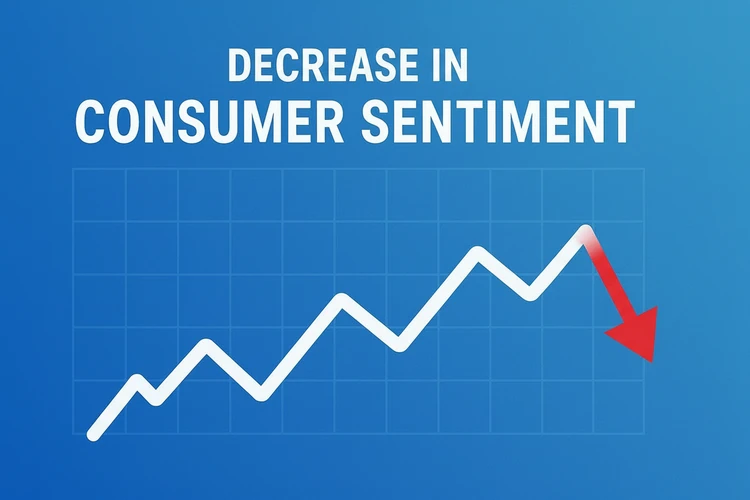
On the heels of The Conference Board’s February decline in the Consumer Confidence Index, the University of Michigan Consumer Sentiment Index found an even bigger drop-off in March. The survey has fallen to a reading of 57.9, down more than 10% from February. The reading was 27.1% below a year ago and was the lowest since November 2022.

On a positive note, the survey found only a 3.3% decline in how consumers view the current economy. But “expectations for the future” fell more than 15%, down 30% from March 2024.

Consumers appear to be concerned that tariffs on imported goods will set off inflation again, just as some prices appear to be evening out. But even if inflation levels off, it will be a much higher prices than consumers paid just a few years ago.

When it reported quarterly earnings, retailer Dollar General warned that its customer base is buying less because they can no longer even afford essentials. Company CEO Todd Vasos said he doesn’t expect things to improve very much throughout the rest of 2025.

The decline in the University of Michigan Index was observed across all demographic and political groups, with no segment of the population immune to the pessimistic shift. While assessments of current economic conditions remained relatively stable, expectations for the future worsened significantly. 

Consumers cited concerns about personal finances, labor markets, inflation, business conditions, and stock market performance as key reasons for their declining confidence.

Shifting policies

Economic uncertainty, particularly regarding shifting policies, has made it increasingly difficult for consumers to plan ahead, the survey found. This sentiment was echoed across all political affiliations, with Republicans, Democrats, and Independents all agreeing that the economic outlook has weakened since February. 

Despite experiencing a boost in confidence following the election, Republican expectations fell by 10% in March. Independents saw a sharper 12% drop, while Democrats experienced the steepest decline, with their expectations index plummeting by 24%.

Adding to consumer anxieties, inflation expectations surged once again in March. Short-term inflation expectations rose to 4.9% from 4.3% in February, marking the highest reading since November 2022 and the third consecutive month of significant increases. 

The long-run inflation outlook also deteriorated, jumping from 3.5% to 3.9%, the largest month-over-month increase in more than three decades. This surge was primarily driven by a sharp rise in inflation concerns among Independents, building on an already large increase seen in February.

Article Image

Consumers showing signs of stress amid economic worries

How are American consumers handling the daily barrage of news about tariffs, budget cuts and layoffs? Not well, according to the Wall Street Journal.

The Journal reports the evidence is in the numbers. Consumer spending is falling across all income levels, largely due to tariffs and other economic concerns. Retailers have reported weak demand since the start of the year, attributed to caution about spending.

From Walmart to McDonald’s, corporate executives have painted similar pictures of the American consumer. They’re buying less and, in the words of Costco Chief Financial Officer Gary Millerchip, being “very choiceful” about what they spend.

There’s nothing wrong with being careful with money and living on a budget, but Marisa Young, associate professor of sociology at McMaster University, worries that the constant economic headlines are taking a toll on consumers’ mental health.

Mental health concerns

"With 24/7 updates, social media algorithms that prioritize extreme content, and an endless stream of crisis-driven headlines, it’s no surprise that many people feel more anxious and overwhelmed than ever," Young said in a press statement.

Young highlights the concept of "ambient stress," where constant exposure to negative news creates a persistent sense of stress. "It’s not just about feeling sad or frustrated in the moment — it can create a sense of ongoing stress, almost like background noise that never really goes away," she said.

The relentless nature of negative news can contribute to chronic stress, leaving people feeling perpetually braced for the next crisis. This, coupled with the sense of powerlessness that arises from consuming distressing stories, can lead to anxiety, hopelessness, and emotional exhaustion. 

Young also identifies "stress proliferation" as a key concern, where stress from news consumption spills over into other areas of life, affecting job security, family interactions, and sleep.

What to do

To mitigate the negative effects, she recommends:

  • Setting boundaries: Designating specific times for news consumption.

  • Diversifying sources: Balancing sensationalized headlines with contextual and solution-focused reporting.

  • Taking breaks: Stepping away from the news to reset perspective.

  • Active engagement: Shifting from passive consumption to active participation through volunteering or advocacy.

  • Social connection: Talking with others to process emotions.

  • Grounding activities: Engaging in hobbies and activities outside digital spaces.

"The goal isn’t to ignore what’s happening in the world, but to make sure that staying informed doesn’t come at the expense of your well-being," Young said.