2022 Amazon News

Article Image

Amazon experts say shoppers can make their buying journey a lot better than they may realize

Because most shoppers are creatures of habit, both Amazon and Amazon experts say there are things consumers may be missing that could make life easier.

As you’re scurrying to try and make holiday gift giving as seamless as possible, here are seven tips that ConsumerAffairs found that could come in handy if the clock is running out or you’re all out of ideas as to what to buy your friends and family.

Maximize the use of “gift lists.” Rather than guess what your grandkids want or call your friend’s partner to find out what they’ve been wishing for, Amazon suggests either searching for your loved ones’ Amazon Wish Lists (aka gift lists) or suggest they make one.

These lists also make it simple for gift recipients to keep track of who purchased which gifts. And if someone wants to return or exchange a gift, a Gift List gives them a 90-day window to do that. 

Amazon expert Arishekar N says the most important use of having a list on Amazon is that you can share it with others, and in a special wish list guide, shares the 1-2-3 steps on how to do that

Use Amazon’s search feature to refine your options. But, if grandma or your BFF doesn’t have a wish list, Amazon’s search engine is smart enough to give insightful answers to queries that a shopper might use.

To see it in action, just type in “gifts for … (whoever you’re shopping for, e.g., grandma or a whiskey lover)” In the main search bar. Once you get those, you can narrow your options down further.

Use the Amazon Assistant browser extension to find even more deals. Amazon Assistant is a fairly easy-to-install extension for all the major web browsers (e.g., Safari, Chrome, Firefox, Microsoft Edge). 

“With it, you can watch for product comparisons that save time and money, access shortcuts to popular Amazon hubs right in your browser, and get notified when deals that you're watching go live with desktop notifications,” reminds PocketLint’s Maggie Tillman. “It also lets you get information about orders and deliveries.”

Amazon’s gift wrappers may be better than yours. Not everyone was born to be a great gift wrapper or has the time to do it, especially when gift exchange time come. Amazon offers a gift bag wrapping service with a notecard that could take care of that. 

When ConsumerAffairs looked at the added cost for things like headphones and packing cubes, the added cost for gift wrapping was in the $3.50-$4.99 ballpark.

Look for the digital coupon codes. “One of the biggest ways to save money on Amazon is also one of the easiest. The retailer has a tendency to offer digital coupon codes on thousands of products. At times, the coupon will apply automatically during checkout,” said Tom’s Guide’s Louis Ramirez . 

Ramirez says the trick is to look for a tiny radio box layered below the Amazon price, the Prime “free returns” logo, and next to the orange “Coupon” banner. 

“Click the box and the coupon will be automatically applied at checkout. It’s such an easy trick, but it’s also very easy to overlook,” he said.

Consider “Amazon Family” for new families. Amazon Family doesn’t get much attention, but it’s perfect for new, Prime families. Not only does it have deals on your standard fare parenting items and household necessities, but it also holds regular sales on baby products and can come up with some ideas for age-based product recommendations.

Plus, if you use Amazon Family for your diaper subscription, you’ll get 20% off. 

Digital gifts

Consider a digital gift. If you’re really up against the clock, think about what “digital” items your giftee is into. On top of the traditional gift cards – which Amazon has in every shape, color, and brand – think a little further outside the digital box.

And if they’re someone you’d splurge more than $100 on, an Amazon Prime membership might go a long way because Prime has more than just delivery pluses. It has free gaming, free music, free reading of some Kindle books, and of course, movies via Prime video. Note: Some books are available only through the Kindle Unlimited program.

Watch the Amazon "shopping channel." If you traditionally go to HSN or QVC for product sales, have you ever considered Amazon’s platform that does the exact same thing?

Not only do the retailer’s presenters give you the complete background and some show-and-tell about the products they’re demoing, but as far as ConsumerAffairs could find out, everything they show is also on sale – with some at big discounts for shoppers who buy them by a certain time.
Article Image

Amazon says it’s ready for the holidays with alternate delivery methods and easy-peasy returns

If there are going to be any holiday shipping or returns issues, Amazon says it’s not going to be on its watch. It’s had a year to focus on improving ways to ensure that customers can get what they want, when and how they want it. 

Here's all the retailer is offering its customers this holiday season...

Pick up your package… at Dollar Tree?

Of the retailer’s three main focus areas, its alternate delivery methods may be the most consumer-aware. Realizing that American consumers aren’t a one-trick shopping pony, Amazon has secured package pickup arrangements with widespread store networks like 7-Eleven, Staples, Rite-Aid, Family Dollar, Chevron, Circle K, Ross, and Dollar Tree. 

But it doesn’t stop there. When ConsumerAffairs searched Amazon’s delivery options map, we saw dairies, flower shops, sub shops, and drugstores.

Need something in a day or less?

Amazon’s also been working on expanding its Same-Day Delivery option in 90+ metro areas so shoppers in those areas can get what they need the same day they order it.  

Those areas include the Atlanta metro area, as well as Chicago, Dallas, Las Vegas, Phoenix/Scottsdale, Seattle, Miami, Nashville, Baltimore, Charlotte, Cincinnati, Washington D.C., and others. To find out if a specific metro area is included, all someone needs to do is check out the company’s Same-Day delivery page.

Now, mind you, not everything Amazon has in its store is available for same-day delivery. It has specific partnerships that are doing their part to make those happen and most of the items will likely have to be from those brands’ stores. At the moment, PacSun, GNC, SuperDry, and Diesel are in on the arrangement. For a complete list of retailers and item options, it’s available here.

An additional option is that some stores also offer the option to buy online and pick up in-store. It’s not a total freebie, however. A shopper has to spend $25 or more on qualifying items and for members who spend below $25, there’s a charge of $2.99. 

One neat spin ConsumerAffairs found with Amazon Day is for shoppers who want to have a gift delivered on a specific day as sort of a surprise for someone. Prime members can enjoy that added perk for free. 

No box, no label?

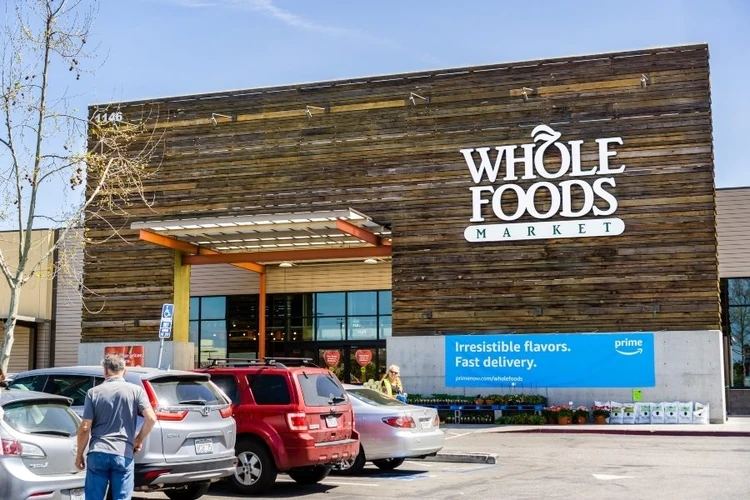
What – you didn’t really want those lavender Kim Kardashian headphones? No problem. Amazon says that holiday ‘22 will include the usual free returns on most items delivered in the U.S., but this season, customers can make returns at physical locations like Whole Foods Market, Kohl's, and UPS stores. The neatest part about the company’s new returns policy is that consumers don’t even have to have packaging – or a label – at select locations, 

Article Image

Amazon files suit against alleged tech support scam operator

Amazon, often a favorite of imposter scammers, appears to be fed up. It has targeted a California-based entrepreneur it said claimed to be the online retail giant in a scheme to defraud consumers.

Amazon has filed suit against “Pionera Inc,” a company it said ran a series of call centers in a scam operation that tried to convince customers into thinking they were receiving tech support on two Amazon-owned products – Prime Video and Ring. 

The complaint claims that the company also obtained hundreds of dollars in fraudulent payments from victims for fake services that those consumers did not need and Pionera did not provide. 

According to OpenCorporates.com, Pionera Inc. was dissolved as a corporation in February.

Amazon’s lawyers claim that once Pionera was able to convince its targets that it was there to help solve issues like a tech or account problem, the company gained remote access to those victims’ computers and could access the victims’ financial accounts.

Amazon said that the defendants targeted the public through online ads and websites, prompting consumers to call a phone number operated by Pionera personnel.  

“Amazon has no tolerance for scams that fraudulently impersonate our brand, and we’re appalled at these bad actors’ attempts to deceive our customers,” Amazon Vice President of Buyer Risk Prevention, Sriram Krishnan, said in a statement given to ConsumerAffairs. “We are advocating for customers by holding these bad actors accountable to the fullest extent of the law.” 

Consumers who own or use Apple products may recognize the name Pionera. Last year, someone on the Apple Community forum raised a question about the company, too, intimating that Pionera was possibly responsible for their iPad being hijacked and frozen, and requesting $400 for a 5-year security contract that would apparently clear up that problem. 

ConsumerAffairs reached out to Manoj Goel, the person listed as CEO of Pionera and a co-defendant in the lawsuit, for comment on the allegations, but did immediately hear back.

Amazon says it is taking fraud more seriously than ever

The last couple of years haven’t been good for Amazon in regards to being impersonated. The Federal Trade Commission (FTC) said that Amazon was a runaway favorite for scammers from July 2020 through June 2021. Not only did reports about Amazon impersonators grow fivefold, but about one in three people who reported business scams said the scammer claimed to be from Amazon.

To its credit, Amazon says it’s had enough when it comes to scams and the company is putting its money where its mouth is. 

In 2021 alone, the online retailer said it invested over $900 million globally and employed more than 12,000 machine learning scientists, software developers, expert investigators, and others to protect both it and its customers from fraud and other forms of abuse. That investment paid off, too. Amazon said that it took action against more than 350 individuals and entities involved in impersonation scams in 2021 alone.

Now, the company is taking its efforts even further. On Tuesday, the company also announced that it's launched a cybersecurity awareness campaign with the National Cybersecurity Alliance as its partner. Together, the two have developed a microsite for consumers, ProtectConnect, to offer advice about multi-factor authentication, and how to identify and avoid phishing attempts.

How can Amazon customers protect themselves from scams?

To match its investment in people who can defend against bad actors, Amazon has also added consumer-side guidance to help its customers identify whether an email, phone call, text message, or webpage is really from Amazon. 

One of the things that can come in handy is Amazon’s recently released “self-reporting” tool. With this tool, consumers can report anything – such as an email or phone call – they think is suspicious and ask Amazon to investigate it further. 

Amazon said that one telltale sign of a scam call is if the person on the other end tries to pressure a customer into giving out account information. If that happens, then that’s where the self-reporting tool can be of help – as can reaching out to Amazon customer service via chat or a phone call. 

Article Image

Amazon Prime Video and Netflix to set new changes in motion

Video streaming has hit a new high in the U.S. A new survey conducted by HarrisX for MoffettNathanson Research shows that 81% of American households did some form of streaming in the second quarter of 2022, up from 75% a year ago. 

With all that extra attention, Amazon and Netflix are making some changes to entice even more subscribers and ensure that they’re getting paid what they think they’re due.

Amazon Prime

Streamers who have been Amazon Prime subscribers for a while have a pretty good handle on how to get around the platform. However, Amazon felt that it could do a better job and has decided to launch a Prime Video redesign.

Starting this week, Prime Video’s updated experience is centered on apps that are connected with other living room devices. Amazon says there are several major adjustments in the redesign, including:

An easy way to watch live and programmed sports. Now that we’re close to the kickoff of the 2022 NFL season – which, of course, includes Amazon’s hosting of Thursday Night Football – the company wants to make sure sports fans can find their games easily and quickly.

The home screen of Prime Video will now feature a locked-in “Sports” sub-navigation menu. Using that as a hub, viewers can find live sports, events, and sports-centric streaming channels that feature content like game replays and sports documentaries.

A more user-friendly navigation menu. Amazon wants to make it easier for consumers to navigate its menus so that they can find all the shows and videos they’re looking for. Fans of shows like The Marvelous Mrs. Maisel or The Boys will now have a direct path to those titles and episodes. 

The new menu will be located on the side of the screen and will contain six primary pages to start: “Home,” “Store,” “Find,” “Live TV,” “Free with Ads,” and “My Stuff”. There will also be sub-navigation options so users can more easily browse by the content or offer type, such as “Movies,” “TV shows,” and “Sports” on Home, as well as “Channels” or “Rent or Buy” on Store.

A faster way to find the shows you want. Taking a cue from Netflix’s Top 10 lists, Amazon’s app update will come with new “carousels” that feature the company’s own “Top 10 Chart” and a new “Super Carousel” that features its own originals and exclusives.

Other improvements that Amazon says Prime Video watchers will notice are immersive visuals, clearly marked content so a subscriber can instantly see if a program or movie is free or paid for, and a new “Find” page that gives users the option to search for a specific title and get predictive results as they type.

Netflix

In addition to Netflix’s recent partnership with Microsoft to offset its recent tidal wave of canceled subscriptions, it’s testing out another way to keep red ink off its balance sheet. The company has been grumbling about password sharing for years, but it said in a Q2 earnings call on Tuesday that it is now in the early stages of testing a new ‘add a home’ option that will charge customers for password-sharing. 

“Over the last 15 years, we’ve worked hard to build a streaming service that’s easy to use, including for people who travel or live together,” Netflix said in an announcement. “It’s great that our members love Netflix movies and TV shows so much they want to share them more broadly. But today’s widespread account sharing between households undermines our long term ability to invest in and improve our service.”

The company said the add-a-home option is currently being tested outside the U.S., where 60% of its customers are. If those tests prove positive, the company said it can roll out the feature in all markets in 2023. When it makes its way to the U.S., here’s what Netflix subscribers can expect:

One home per account: Each Netflix account - whatever your plan - will include one home where you can enjoy Netflix on any of your devices. 

Buy additional homes: To use a Netflix account in additional homes, the company will ask subscribers to pay a little more. Members on the Basic plan can add one extra home, Standard subscribers can add up to two extra homes, and those in the Premium tier can add up to three extra homes. 

Travel included: Users can watch Netflix all they want when traveling through the use of a tablet, laptop, or mobile device. 

New “manage homes” feature: The main subscriber still has the power to decide who else is using their account and can remove other users and homes at any time.

Article Image

Amazon sues thousands for allegedly posting fake reviews

Under growing pressure to curb the number of fake product reviews on its site, Amazon is suing the administrators of 10,000 Facebook groups over claims that they have orchestrated the phony reviews for profit.

According to Amazon, the defendants have recruited individuals who are willing to post misleading reviews on Amazon’s stores in the U.S., the U.K., Germany, France, Italy, Spain, and Japan in return for products and cash.

The online retailer, which has been prodded by Congress to rein in the phony reviews, said it will use information discovered in this legal action to “identify bad actors” and remove the fake reviews.

“Our teams stop millions of suspicious reviews before they’re ever seen by customers, and this lawsuit goes a step further to uncover perpetrators operating on social media,” said Dharmesh Mehta, Amazon’s vice president of Selling Partner Services. “Proactive legal action targeting bad actors is one of many ways we protect customers by holding bad actors accountable.”

According to Amazon, the administrators of these groups solicit fake reviews for hundreds of products sold on Amazon, including car stereos and camera tripods. The lawsuit identified one such group – Amazon Product Review – and said it had more than 43,000 members until it was removed from the Facebook platform earlier this year.

Changing nature of marketing

Lawmakers and regulators have pushed Amazon to take action against phony reviews on its site because of the changing nature of marketing. Traditional advertising no longer has the power it once did. Instead, consumers often find the experience of other customers to be more persuasive.

Regulators say that when there is a paid effort to promote a particular product in the guise of a consumer review, it is highly deceptive and violates any number of Federal Trade Commission (FTC) regulations.

Amazon said it strictly prohibits fake reviews and employs more than 12,000 people around the world to protect its stores from fraud and abuse, including fake reviews. For example, it says an Amazon team is assigned to investigate fake review schemes on social media sites like Facebook, Instagram, TikTok, and Twitter.

10,000 fake reviews

Since 2020, Amazon said it has reported more than 10,000 fake review groups to Meta, the parent company of Facebook and Instagram. Of these, Amazon said Meta has taken down more than half of the groups for policy violations and continues to investigate others.

Fakespot, an app that identifies fake or unreliable reviews, says it has analyzed 3,629 products and 19,321,997 reviews for Amazon products and found that just under 20% are “unreliable.”

In a recent survey, 2,000 U.S. consumers reported spending an average of $899 per year on disappointing online purchases that didn’t live up to reviews, with clothing, tech, and toys providing the most disappointment.

Article Image

What can Amazon’s Prime Day tell us about the economy?

For economists, Amazon’s Prime Day is more than just a sales promotion by the nation’s largest online retailer. It could be the canary in the coal mine.

The annual shopping event is under much scrutiny this year because of growing recession worries. On the final day of Prime Day, the government reported the worst inflation numbers in 41 years. So, how consumers behave during this sales event could say a lot about where the economy is right now.

The initial numbers present a mixed picture. Numerator is a market research and data firm that tracked results from the first 32 hours of Prime Day. The numbers showed that consumers were spending, but they aren't going overboard.

So far, the average order is $53.14, which is slightly higher than last year’s $47.14 average. Of those orders, 42% totaled no more than $20. About 13% of orders were $100 or more.

Shoppers are showing restraint

Those numbers are fairly encouraging for economists concerned about a recession. Fifty-two percent of households shopping on Prime Day have placed at least two orders so far, while 9% have logged at least five orders.

The average Prime Day spending per household is currently $117, with 16% of shoppers spending more than $200.

It should be noted that Prime Day is not a gauge for the overall population. Prime, after all, is a subscription service that carries a $14.99 a month fee. That said, consumers who receive some qualifying government assistance can get a Prime membership for $6.99 a month.

Many shoppers are mindful of inflation

Economists who are focused on inflation would prefer to see restrained spending. The Federal Reserve’s policy of aggressively raising interest rates is aimed at dampening consumer demand, which over the last few months has helped fuel inflation.

Those economists may be cheered by data collected by Numerator. In its survey, 83% of Prime Day shoppers said inflation and rising prices influenced their Amazon purchases. In fact, 33% of shoppers said they purposefully waited until Prime Day to make a purchase in order to get a lower price.

Others – nearly 20% – said they used the sale to stock up on items they needed. Another 27% admitted to passing up a purchase that was a great deal but not really necessary.

With hours to go before Prime Day 2022 ends, “household essentials” is the leading category of purchases, earning nearly a third of all orders. Health and beauty products make up 27% of orders, followed by consumer electronics at 27%.

Article Image

Amazon reveals what shoppers can expect on Prime Day

The countdown is officially on for Amazon Prime Day 2022. When it launches this coming Tuesday, July 12, the online retail giant says Prime members will be able to take advantage of exclusive offers on a wide range of products from larger brands and small businesses alike.

Some of the bigger deals start at home with Amazon’s own products, particularly its Fire-branded products. The company told ConsumerAffairs that it will be offering the lowest price ever for Fire TV smart TVs, including lightning deals for a $49.99 Insignia 32-inch Smart HD Fire TV (72% off), and a $99.99 Amazon Fire TV 50-inch 4K UHD Smart TV (79% off). 

Drilling down to specific categories, here are some other deals Prime shoppers will find:

Beauty and Wellness: Save up to 50% on select products from Oribe and Sunday Riley; 30% on Drybar and KORA Organics by Miranda Kerr; up to 20% on Goop, and PATTERN Beauty by Tracee Ellis Ross. For those who’d like to flesh out their family tree a bit, 23andMe Health + Ancestry Personal Genetic Service Kits will be available at half off. 

Electronics: Save up to 50% on select headphones from Beats, Sony, and JBL. Consumers can also save 30% on e-bikes, Segways, and scooters.

Fashion: Save up to 40% on select styles from Levi’s and baby apparel from Burt’s Bees and HonestBaby. Shoppers can also get up to 30% off on styles from Amazon Essentials, Champion, Ray-Ban, and Oakley.

Home & Kitchen: Consumers can save up to 50% on select products from Keurig, up to 45% on SharkNinja and Casper, up to 40% on the iRobot Roomba and products from SodaStream; and as much as 30% on Vitamix blenders.

Pets: Pet owners can get up to 30% off the price of pet essentials from Amazon brands, including Amazon Basics, Kitzy, Wag, and Wonder Bound.

Spotlight on parents

Trying to second-guess what a child wants for a Christmas present is far from easy, but Prime members who have a good idea can get ahead of the holiday shopping season and save some considerable hay on toys. Here's a sample:

  • Forty percent off select American Girl dolls
  • Up to 30% off on select toys from Fisher-Price and Mattel, including Barbie and Hot Wheels.
  • Up to 30% off on select LEGO sets.

Parents with school-aged children will be able to take advantage of Prime Day deals too. For college students, savings of up to 45% are available on dorm room essentials. For elementary students and high schoolers, deals include 30% off select backpacks, 30% off school supplies from Elmer’s, Sharpie, and Pilot, and 25% off select laptops, monitors, and desktops from HP, Dell, and Microsoft. 

How to save more

While Amazon doesn’t give its secrets away, Haley Jena at What To Expect told ConsumerAffairs that there are some tips and tricks that soon-to-be parents can employ to get even better deals. Here are her suggestions:

Create a registry on Amazon with your Prime Account to score a completion discount and compare. Users who sign up for baby registries can get a 15% discount on gear they need around the time of their baby’s due date. The registry needs to be active for two weeks, but you can compare the discounts you see on Prime Day to the completion discount to see whether it’s worth buying items on Prime Day or waiting for your completion discount.

Watch out for fake reviews. How does someone separate the real comments from the fake ones? Jena said reviews with images are more reliable and that consumers should look for the “Verified Purchase” stamp on the review.

Add products to your cart or wishlist to snag items fast and get deal notifications before Prime Day. Jena said consumers can avoid possible inventory shortages by turning on notifications for when items on someone’s wish list go on sale.

Check out Amazon Warehouse for deeply discounted products that have been returned or refurbished. When someone returns an item to Amazon, it doesn’t always mean that the product is broken – oftentimes, it’s just something that didn’t fit or the buyer decided they didn’t need it. The upside of that for consumers is that the retailer can’t really sell it as “new,” so the company will likely repackage it and sell it at a discounted price.

“Each product is thoroughly tested by Amazon return specialists to make sure it’s working properly during a 20-point inspection,” Jena said. “Just remember that some items, like car seats, breast pumps and cribs shouldn’t be bought secondhand for safety reasons.”

Look for CPSC approval when it’s relevant. Parents who are looking to buy something for a baby or toddler would be wise to check if a product has been recalled by the U.S. Consumer Product Safety Commission (CPSC) to make sure it's safe. You can also find more information about recalls, including certain items for infants and babies, on ConsumerAffairs.

Article Image

New insights revealed for the next Amazon Prime Day

Since Amazon shared a sneak peek of what it had in store for this year’s Prime Day on July 12 and 13, shopping sleuths have been in full detective mode identifying the best things to buy on Prime Day as well as which ones are worth waiting on.

The price pundits at BlackFriday.com say that – like other Prime Days – Amazon will take care of itself first by featuring some of the best deals of the year on its own Amazon Echo devices and Amazon Fire TV products, as well as the company’s in-house lines of clothing, home goods, and fitness accessories at deeply marked down prices.

BlackFriday.com says that with a return to school only two months away or less, prices on back-to-school supplies are likely to get slashed, too.

What to avoid buying on Prime Day

While there are going to be lots of deals on Prime Day, there might be even better prices for consumers who can hold off a bit, according to BlackFriday.com.

High-end TVs: “Amazon is already showcasing great deals on Smart TVs, and we expect to see even more during Amazon Prime Day. If you are in the market for a high-end Samsung or LG TV, we recommend waiting until Black Friday to find the best deals,” BlackFriday.com’s Mackenzie Shand says, reasoning that because newer TV models are still relatively new to the market, consumers are likely to find steeper markdowns later this fall.

Only items found on Amazon: Shand also cautioned shoppers that while Prime Day is an Amazon-exclusive event, Target and Walmart are also trying to take advantage of Amazon’s hoopla by doing promotions of their own. “Target has revealed it will be hosting Deal Days from July 11 to 13, and we expect other retailers to announce major sales during this time as well. If you're shopping for a specific product, we recommend checking out all your options to ensure you're getting the best deal possible,” Shand said.

And some extra Amazon store credit too

CBS News reports that shoppers can pick up some almost-free money from Amazon ahead of Prime Day that they can turn around and use during the July 12 and 13 event. Mind you, it’ll take time clicking here and there, signing up for things, and filling out forms, but in today’s world, an extra $10 here and there adds up.

For starters, consumers can get a free $10 Amazon promotional credit when they purchase an Amazon e-gift card for the first time ($50 minimum). Plus, Amazon is throwing in another $10 when they reload that gift card with $100 or more. Then, yet another $10 is available when they activate and complete their 2022 Prime Stampcard by exploring the perks of an Amazon Prime membership.

Finally, Amazon shoppers can get up to $60 more by visiting and making purchases through Amazon's new Prime Day Offers hub. CBS also said that shoppers can earn even more free money if they buy movie tickets, shop for goods made by Procter & Gamble, and consider alternative financing options from Affirm.

Article Image

Amazon is starting to unveil some of its Prime Day 2022 deals

It’s Prime time at Amazon, again. The online giant just announced that Prime Day 2022 will be Tuesday and Wednesday, July 12 and 13. The retailer is covering all bases with special prices on everything from fashion to toys and says that select products from GE, Sony, and Bose will be available at the lowest price points it's ever offered.

An estimated 85% of American Prime members are planning to at least see what Amazon has in store, and the company is making every single look-see worth the effort. Starting June 21 every $1 a shopper spends on eligible small business products will get them an opportunity to win a cornucopia of prizes, including tickets to Super Bowl LVII and VIP passes to music experiences in Los Angeles and Las Vegas.

Sneak peeks

Amazon isn’t showing all its Prime deal cards yet, but it is letting members get in on some early deals on its own products and a smattering of others. Beginning Tuesday, June 21, it’s letting Prime members take advantage of members-only deals like up to 55% off select Amazon devices and up to 50% off Fire TVs. Pre-Prime Day deals also include the Apple Watch, iRobot Roomba, and Apple AirPods Pro. The best pre-Prime Day deal ConsumerAffairs found was the Toshiba 75-inch M550-Series 4K UHD Smart Fire TV, priced 50% off its regular $699.99 price tag.

BlackFriday.com has been tracking Prime Day deals for some time now, and if Amazon gives shoppers what they’re looking for, then there should be some great ​​deals on fashion, home decor, cleaning supplies, and electronics like computers and headphones.

How to play Prime Day to your advantage

While Amazon might own the trademark on Prime Day, its competition is ponying up to take advantage of all shoppers during those two days, too. BlackFriday.com said that Walmart and Target are just two of the major retailers that tend to host major sales during this same time period. In Walmart's situation, Business Insider says the company is likely to try to take advantage by offering deals starting a day earlier and lasting a day longer. 

If you’re looking for some ideas that might lead to good deals, keep these in mind:

Shop everything summer. Consumers might want to consider this time as if it were Black Friday in July, and look for deals on seasonal products like summer toys, apparel, and outdoor essentials.

Know that some things won't change. “Amazon's own products are often marked down to half their price (or more) during Prime Day and Black Friday,” BlackFriday.com’s Mackenzie Shand said. “If you see savings of 50% off or more on Echo smart speakers, Fire TV and Ring products, we suggest adding them to cart – unless you want to wait until November.”

Article Image

Amazon loses nearly $4 billion in first quarter

You won't see a request for some spare change in your next Amazon order, but the company is facing a tall order to try to replace nearly $4 billion that it lost in the first quarter of 2022.

In Amazon’s first-quarter results released Thursday, it reported a net loss of $3.8 billion, a backward slide from the $8.1 billion profit it made during the same period in 2021. Analysts were caught off-guard too. The financial soothsayers that Refinitiv had surveyed predicted a $4.4 billion profit.

Where Amazon took the hit

The company attributed much of the loss to a $7.6 billion loss from its investment in electric automaker Rivian Automotive. Much of Amazon's investment in Rivian was tied to an electric delivery van that Rivian was producing for the company.

And what would a good finger-pointing be these days without mentioning COVID-19 and Ukraine? “The pandemic and subsequent war in Ukraine have brought unusual growth and challenges,” said Amazon CEO Andy Jassy. 

Despite the setback, Jassy says Amazon isn't down for the count. 

“Our Consumer business has grown 23% annually over the past two years. We know how to do this and have done it before. This may take some time, particularly as we work through ongoing inflationary and supply chain pressures, but we see encouraging progress on a number of customer experience dimensions, including delivery speed performance as we’re now approaching levels not seen since the months immediately preceding the pandemic in early 2020.”

Some good news

Jassy said despite taking it on the chin with the multi-billion loss, Amazon has reasons to celebrate. 

For one thing, it’s coming out with Buy with Prime, a new benefit for Prime members in the U.S. that's designed to extend the convenience of shopping with Prime to online stores beyond doing it online at Amazon.com. When the program hits its stride, Prime members will be able to shop directly from participating merchants’ online stores using their Prime member benefits, including fast and free delivery, a seamless checkout experience, and free returns on eligible orders.

Prime Day is officially on the company calendar and is scheduled for this coming July.

Prime Video lovers will be able to binge a bit more, as well. Amazon just closed its deal to buy MGM, which means an additional 4,000 film titles and 17,000 TV episodes available to stream – everything from Raging Bull to The Silence of the Lambs.

The company is also licking its chops over the response it’s gotten for the teaser trailer it ran for The Lord of the Rings: The Rings of Power, which debuts Labor Day weekend. That teaser broke a global record for the most-watched entertainment trailer to debut during a Super Bowl telecast, with 257 million views globally in the first 24 hours of its release. 

Sports junkies will also be getting some extra fodder. Amazon is bringing over analyst Kirk Herbstreit from ESPN and pairing him up with play-by-play stalwart Al Michaels as the voices for its exclusive coverage of NFL Thursday Night Football, kicking off Thursday, September 15, 2022.

Techies aren’t being left out in the cold either. Amazon said it has launched new Alexa experiences, including one which allows customers to ask Alexa about symptoms for common health ailments and possible causes. It will also allow users to virtually connect with health care professionals through a new collaboration with Teladoc, a virtual doctor service.

Article Image

Amazon to charge sellers additional 5% fuel and inflation surcharge

In an attempt to keep its bottom line from going into the red, Amazon has announced that it will increase its fulfillment fee rates to sellers by 5% – a surcharge related to inflation and rising fuel prices. The company said that it’s the first time in its 28-year history that it’s had to do that.

Effective April 28, sellers will see an average increase of $0.24 to their per unit fulfillment fee rates. As an example, if a seller had previously paid $5 in fulfillment fees, they’ll now pay $5.25. This fee covers the cost for Amazon to pick, pack, ship the products in less than two days, and provide customer service on the orders.

"Like many, we have experienced significant cost increases and absorbed them, wherever possible, to reduce the impact on our selling partners,” Amazon said in an email sent to its sellers. 

The company noted that while the surcharge is a mechanism broadly used across supply chain providers, the move was unplanned. Going into 2022, Amazon anticipated a return to business as usual as COVID-19 restrictions eased, but fuel prices and inflation presented the company with unexpected challenges.

Consumers may have to pay more

ConsumerAffairs reached out to Amazon to see if the company expected the extra surcharge to result in consumers paying more for products, but the company did not immediately respond to a request for comment. However, Amazon sellers are already speaking out.

“Consumers will lose,” Dan Brownsher, the owner of e-commerce consulting business Channel Key, told Bloomberg News. “Amazon already raised fees in January, so sellers will have to raise prices.”

While Amazon is in the spotlight at the moment, it’s not the only company raising prices or adding surcharges to offset the impact of inflation and gas prices. Rideshare leaders Lyft and Uber have also added fuel surcharges to help compensate their drivers for the spike in fuel prices that they have to pay out of their own pockets.

---

Update: This story has been updated to reflect a clarification on how Amazon will be applying the 5% surcharge to sellers.

Article Image

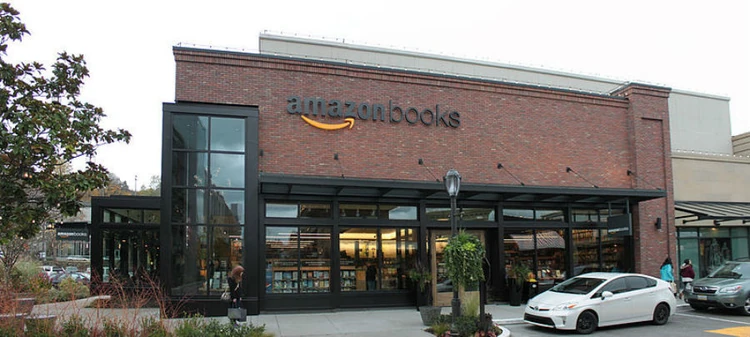
Amazon to shutter bookstores, pop-ups, and home goods shops

Amazon is saying goodbye to its 68 physical bookstores, pop-up shops, and home goods stores and putting all its brick-and-mortar eggs into its grocery and fashion baskets. 

The news, first reported by Reuters, is somewhat of an ironic move given Amazon’s beginning as a bookseller. But as Borders, Barnes & Noble, and other booksellers have found out, that market has almost completely shifted online.

Amazon said it would focus its physical presence on grocery stores and a department store concept that it’s working on going forward.

The right move to make

Michael Pachter, a Wedbush Securities analyst, told Reuters that this was a smart move on Amazon’s part. He believes Amazon and physical bookstores were as bad a match as electric car maker Tesla opening gas stations.

Pachter said Amazon's new chief executive, Andy Jassy, probably made this call as he reviewed the retailer's various businesses. "Retail is hard, and they're discovering that," he said.

Reuters reports that Amazon hasn’t issued a firm timeline on when its 4-star, pop-up, and bookstore locations will close their doors, but the company plans to notify customers via signage at the various locations. Workers will reportedly be given a choice between severance pay or receiving help finding jobs at any nearby company stores like the Amazon Fresh grocery locations it announced last year.

Article Image

Amazon rolls out its virtual health service nationwide

After a gradual launch over nearly two years, Amazon is rolling out its digital health service, Amazon Care, to consumers across the country.

Amazon began the process in 2019 when it introduced Amazon Care as a pilot program for employees near the company’s Seattle headquarters. Last year, it expanded the program to Amazon employees nationwide and to employees of all companies in Washington state.

The program provides virtual visits with health care providers, as well as telehealth consultations and in-home visits for a fee from nurses for tests and vaccinations. Since its launch, it has become more of a primary care service.

The service is aimed at patients who do not have convenient access to doctors’ offices or who have mobility issues. But it could also help consumers like Mark, of Hickory Creek, Texas, an Anthem policyholder who moved and was forced to find a new physician, which they said was a frustrating process.

“I selected a doctor and found that not only had he relocated to another state, the phone number listed didn't even belong to a doctor's office,” Mark wrote in a ConsumerAffairs review. “The second doctor I added as my PCP (primary care physician) no longer worked at the office listed on Anthem's website.”

Continuing trend?

Government data shows that virtual doctor visits increased 63-fold as the COVID-19 pandemic closed or limited access to many health facilities. While things have slowly gotten back to normal, Amazon is banking on the trend of telehealth services continuing.

But Amazon Care is not limited to telehealth services. The company is expanding in-person care to more U.S. cities, with plans to provide these services later this year in 20 cities, including New York City, Chicago, Miami, and San Francisco.

The in-person service provides a health care professional who will visit the patient’s home to perform tasks such as measuring vital signs, giving injections, and doing blood work. According to Medicare, home health care is “usually less expensive, more convenient, and just as effective as care you get in a hospital or skilled nursing facility.”

Article Image

Amazon is raising the price of Prime memberships

Amazon is raising the price of its Prime membership, citing rising costs and a continued expansion of membership benefits.

The rate is going up from $119 a year and $12.99 a month to $139 a year and 14.99 a month. New subscribers will pay the higher rate starting February 18, while existing members will pay the higher charges after March 25.

Amazon announced the price hike late Thursday when it reported its quarterly earnings. The company told investors and analysts that it continues to invest heavily in Prime.

For example, the company says it has added more products that are available with free unlimited Prime shipping in the last few years. Amazon said Prime members also have access to more digital content because it has tripled the number of Amazon Originals and is rolling out new series and movies like The Boys, The Wheel of Time, Tom Clancy’s Jack Ryan, The Underground Railroad, Sound of Metal, Coming 2 America, The Tomorrow War, and Being the Ricardos.

It has also written a pretty large check to the NFL so that Prime will become the exclusive home of Thursday Night Football this fall as part of a historic 11-year agreement.

How will consumers respond?

While some consumers may absorb the higher cost others might not. Colleen, of Everett, Wash., tells us she has been a Prime member for years but lately has been less satisfied.

“Obviously prime membership fees have gone up over the years, but unfortunately the service has declined,” Colleen wrote in a ConsumerAffairs review. “The drivers don't leave packages where the instructions state. Heck, I've come home to find out they left them 4 or 5 houses down.”

But Renee, of Las Vegas, might be okay paying the higher fee because she says the company is easy to work with.

“Always satisfied, they refund if there is a problem,” Renee told ConsumerAffairs. “You can now drop at UPS or Kohls and just have them scan code on your phone and don't have to pack. 

In recent months, Amazon has put more money into lessening the time between ordering and delivery. Prime membership began with free two-day delivery. 

Since 2018, the company has expanded the markets where Prime members can get same-day delivery to more than 90. It also said the number of items eligible for Prime shipping has increased by 50% during that time.