

Essential inspection tips for moving into a newly-built home
It’s common to have a licensed inspector look at your house before you move in. But a new build should ideally be assessed in phases throughout construction to ensure the home and its systems are built properly.
Foundation inspection
First, schedule a foundation inspection a few days before the foundation of the home is poured.
The inspector will look at trenches and footers; make sure that metal components, pipes and sleeves are properly placed; and measure footing depth and width. Sometimes, the inspector may come after the foundation is poured to check that everything was done correctly.
Pre-drywall inspection
Next, schedule a pre-drywall inspection.
“A ‘pre-drywall’ inspection is necessary to make sure the home is structurally sound and has properly routed electrical and plumbing before any drywall goes up to cover it,” said Dusty Lamance, owner and founder of Texas-based Lamance Construction. Other items an inspector might check during this phase are the framing, HVAC system and exterior walls and windows.
New construction inspection
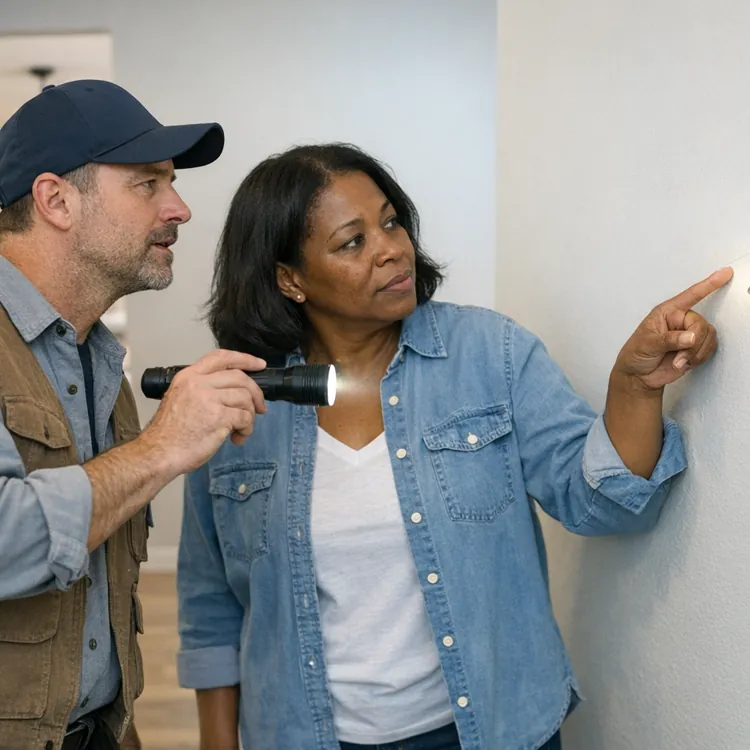
Once the drywall is up and construction is complete, schedule a new construction inspection, which is similar to the standard home inspection most homeowners are familiar with. During this phase, the inspector will look for issues in all of the home’s systems (including electrical, plumbing, heating and cooling), as well as check that the structure itself meets safety standards.
Warranty inspection
You’re not quite done yet. Most builder warranties last a year, so you should schedule a warranty inspection around the 11-month mark. You’ll be able to take advantage of the builder’s warranty coverage for any problems that may have developed over the previous year, instead of paying for it yourself.
“Keep copies of your purchase agreement, warranty manuals, inspection reports, punch lists, and all written communication with the builder,” recommended Albert Bou Fadel, a construction professional and founder of SmartBarrel, a smart time clock specifically for construction workers in the field. “Warranty claims are much easier when issues are documented early and consistently.”
A punch list can help you and your builder stay organized.
The type of new build may affect what an inspector looks for during a final inspection.
“For custom homes, we focus on ‘as-is’ built specifications, ensuring that every specific material or layout choice the client pays for is executed the right way,” said Lamance. “For spec homes, we focus on ‘builder-grade’ consistency. This looks more like signs of rushed finishing, like uneven trim or poorly applied grout.”
Creating a detailed punch list with your builder can help both of you stay on track leading up to your new home being move-in ready. The punch list typically includes everything that is not complete or needs work before construction wraps up.
“Walk through the home room by room before closing and document every issue with photos and dates,” suggested Fadel. “Prioritize safety and system defects first. A written punch list tied to the contract timeline keeps the builder accountable and prevents items from being forgotten once you move in.”
» PREPARE: Moving prep
Budget tips for moving into a newly-built home: costs and planning
Typical costs associated with moving into a new home include standard expenses such as inspection fees, a down payment, closing costs and moving expenses. But new homes can come with additional expenses such as:
- Site preparation costs
- Permit fees
- Architecture and design costs
- Fencing
- Window treatments
- Landscaping
- Upgrade fees for higher-end countertops, flooring or light fixtures
- Utility infrastructure and connection fees
- Homeowners association (HOA) fees
- Some appliances
- Premium lot fees
- Extended warranties
- Closing cost fees outside the builder’s contribution
Plus, you’ll want to have a contingency fund for any setbacks, emergencies or fixes. “Set aside 1 to 3% of the home’s value for first-year adjustments and unexpected fixes,” said Fadel. “Even well-built homes settle and need tuning.”
In addition, your new build may have higher mortgage interest rates and closing costs than a home that was previously occupied.
“New builds often have lower immediate repair costs but higher setup costs,” Fadel said. “Pre-owned homes may need repairs sooner, but usually include existing infrastructure like landscaping and fixtures.”
» RELATED: 11 things to do when moving into a new house
Tips for coordinating with your builder after moving into a new home
After move-in, you may have questions or concerns for your home builder. Having a centralized line of communication with your builder is key.
“The best way to effectively communicate with the builder is to establish a single point of contact that all information goes through,” said Lamance. “Don’t text random crew members for things. Instead, use an email thread or the builder’s project management software.”
It’s not uncommon for newly-built homes to have defects, ranging from cosmetic (uneven paint or tile) to more serious issues (water intrusion that causes mold or wood rot, or structural defects such as foundation cracks).
Have one point of contact with your builder, not multiple channels.
You should report defects to your builder as soon as you notice them.
“For reporting defects, we document everything with photos, categorized as ‘emergency’ (leaks/electrical) or ‘warranty’ (cosmetic cracks),” Lamance said. “We also keep a ‘warranty log’ that includes the date reported, date of site visit and the date of completion.”
According to Fadel, many builders use a formal warranty request system that allows homeowners to submit warranty requests and track response dates and completion status so that deadlines aren’t missed.
» LEARN MORE: How long after closing can you move in?
How to set up utilities and smart home tech in a new build
You should begin setting up utilities and services at least a month before you close on your newly-built home.
“We usually start the transfer process 30 days before closing,” said Lamance. “New builds often require a new meter set or address verification with the postal service, which can take longer than a simple name transfer on a pre-owned home.”
Contact service providers for the following at least four weeks out from closing day:
- Water and sewer
- Sanitation
- Internet
- Security
- Gas and electric
One potential advantage of a new build is the ability to seamlessly integrate smart home technology early in the building process. Early planning means that the builder can account for hidden wiring, Wi-Fi access points, built-in cabinetry for low-voltage panels or hubs and clear pathways for any future wiring needs.
The construction phase is a great time to consider a whole-home system such as Amazon Alexa, Google Home or Apple Home and then choose other smart devices to install (thermostats, monitoring, leak sensors or doorbells) that are compatible with your main system. Be sure to test all new smart home devices on move-in day.
First-year maintenance tips for new construction homeowners
Every home comes with maintenance, but a new build’s first-year maintenance often requires regular checks of various aspects of the house, such as the foundation and the HVAC system.
“Every new home ‘breathes’ and settles, which means that you’ll likely see small hairline cracks in drywall or grout,” Lamance said. “These small damages should be addressed during your 11-month warranty walk-through.”
Here are some common signs of settling:
- Drywall cracks
- Nail pops
- Shifts in flooring or trim
- Caulking cracks in the kitchen and bathroom
- Expanding or contracting wood, seasonally
Additionally, you’ll want to perform the following routine maintenance tasks throughout the first year and beyond:
- Change HVAC filters every one to three months
- Clean exterior drains and vents, and make sure they are moving water away from the foundation
- Drain the water heater annually to flush out sediment
- Clean out gutters
- Check landscaping for soil settling that moves water toward your home
- Vacuum refrigerator coils
“Flush your water heater to remove any sediment left from construction and change your HVAC filters every 30 days for the first six months to catch any remaining construction dust,” Lavance said.
During that first year, it’s important to track your warranty deadlines and schedule an 11-month warranty inspection so that even small issues such as nail pops or hairline cracks can be fixed under the warranty’s terms and at little cost to you.
FAQ
What should I do if I discover defects after moving into my new home?
Thoroughly document the defects with photos, review your warranties and get in touch with your builder in writing. Be sure to include the photos in correspondence with your builder. For more severe defects, you may also find it beneficial to hire a third-party inspector to assess the issues.
What financial surprises should I budget for when moving into a new construction home?
Budget for adding blinds and other window treatments, fencing, landscaping beyond basic grass or sod, upgraded light fixtures and appliances that may not have been included in the builder package.
Are there unique safety or security concerns with newly-built homes?
Some potential concerns with newly-built homes are improperly installed electrical systems (faulty wiring or overloaded circuits), poorly installed plumbing systems and incomplete insulation. Thorough inspections throughout the building process should help mitigate these concerns.
Does the type of new build (custom, spec, development) change my move-in strategy?
Yes. Spec homes are typically faster to move into because they are often nearly built or completed by the time you close on the home. Custom homes, while offering more control over the design and building process, can take many more months to build and move into.
Article sources
ConsumerAffairs writers primarily rely on government data, industry experts and original research from other reputable publications to inform their work. Specific sources for this article include:
- Inspectify Inc., "Everything You Need to Know About New Construction Phases Inspections." Accessed Dec. 31, 2025.
- WIN Home Inspection, "Guide to New Construction Inspections: Ensure Quality & Safety." Accessed Dec. 31, 2025.
- Home Builder Assist, "Sample Punch List." Accessed Dec. 31, 2025.
- Prime 1 Builders, "The Hidden Costs of Building a Home: What to Budget For." Accessed Dec. 31, 2025.
- New Home Source, "10 Hidden Costs to Watch For When Buying a New Construction Home." Accessed Dec. 31, 2025.
- SC Property Inspections LLC, "Understanding the Risks of New Construction Defects." Accessed Dec. 31, 2025.
- Buffum Homes, "How to Build a Smart Home in 2026." Accessed Dec. 31, 2025.
- Brighton Homes, "What to Expect from Your First Year in a New Construction Home." Accessed Dec. 31, 2025.
- New Home Source, "How to Maintain Your New Construction Home." Accessed Dec. 31, 2025.
- The Brick Kicker Inspection Services, "Why Consider an 11-Month Warranty Inspection." Accessed Dec. 31, 2025.
- The Law Office of Macy D. Hanson, PLLC, "What to Do If You Encounter Construction Defects in Your Home." Accessed Dec. 31, 2025.
- Value Built Homes, "Don’t Let Hidden Costs Ruin Your New Home Budget." Accessed Dec. 31, 2025.
- Redfin Corporation, "Buying A Spec Home vs A Custom Build." Accessed Dec. 31, 2025.
- Max Home Inspections, "5 Hidden Hazards In New Construction Homes." Accessed Dec. 31, 2025.