

Tips for moving across town on a budget
Short-distance moves aren’t automatically easier or less expensive than long-distance ones. The complexity and cost depend on the size, access, timing constraints and building rules that govern move-in or move-out.
These key factors will help you decide on the right type of move for you. Professional movers are best if you have heavy furniture, tight timelines or limited access. If you have a lighter load and flexible timing, a DIY or hybrid move makes sense.
Check these details to plan your move:
- Inventory everything: A studio averages 1,000 to 1,500 pounds, while a three-bedroom home can weigh 6,000 to 9,000 pounds.
- Measure access points: Doorways, hallways and stairwells need 28 to 32 inches of clearance for large furniture.
- Check both locations: Count stair flights, confirm elevator access, identify parking options and review move-in or move-out time limits.
- Set a realistic budget: Consider the move size and extra costs you might incur.
- List special needs: Pets, children, fragile items, oversized furniture or restricted move times can increase complexity.
- Check building rules: Only use licensed, insured movers if your building requires proof of insurance.
Each type of move has its own costs, advantages and trade-offs. Professional movers tend to be more expensive, but they take the pressure off by handling heavy lifting, logistics and tight timelines. DIY moves demand more physical effort, but they can be the most affordable, and hybrid options offer a middle ground.
A typical local move takes one to three days, considering packing, loading, transporting and unpacking. Rental trucks cost about $19 to $39 per day, plus 79 cents to $1.29 per mile.
Professional movers typically charge $80 to $120 per hour for a two-person crew, with four to eight hours for a two-bedroom home. Budget an additional $100 to $400 for supplies, fuel and tips, and ask movers about extra fees for stairs, long carries or tight parking.
| Option | Cost Range | Pros | Cons |
|---|---|---|---|
| DIY | $300 to $1,000 | Cheapest, flexible timing | Labor-intensive, risk of injury |
| Hybrid | $500 to $1,500 | Some help, cost control | Coordination needed |
| Professional | $800 to $2,500 | Fast, less stress | Most expensive |
» CHECK OUT: How to make a moving budget
Best packing tips for moving across town
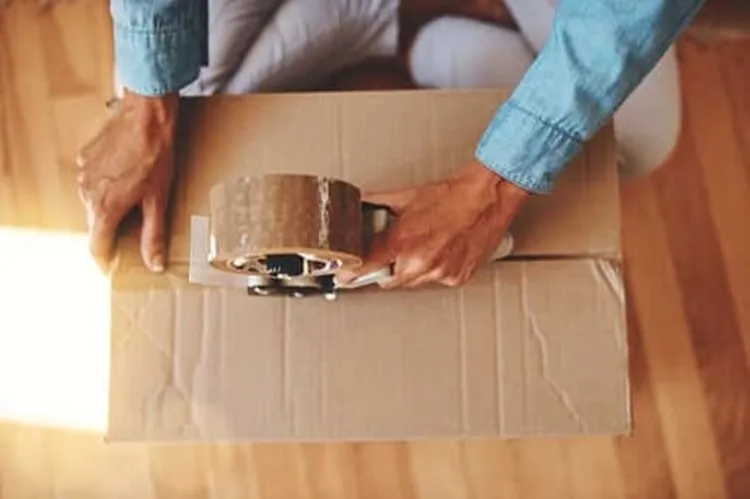
Good packing is key to an efficient move. Strategize based on how much you have, fragile or special items. Depending on your home size, you’ll need 20 to 60 boxes: studios typically require around 20, while larger multi-bedroom homes can need up to 60.
Decide whether it makes sense to use cardboard boxes, plastic totes or a mix. The right material for you depends on cost, durability and stackability priorities:
| Container | Cost | Durability | Stackability | Best for |
|---|---|---|---|---|
| Boxes | $1 to $3 ea. | Moderate | Good | Most items |
| Totes | $5 to $10 ea. | High | Excellent | Heavy/fragile |
Label boxes by room and priority, and use color-coded markers or tape for faster unpacking. To avoid injury or breakage, keep each box under 40 pounds and stack heavy boxes on the bottom. Never pack hazardous items, like paint or aerosols, or perishables; move them separately.
Use this packing checklist for across-town moves:
- Gather supplies
- Plan for 20 to 40 boxes for a one- to two-bedroom home or 10 to 20 sturdy totes for heavier items.
- Use Home Depot’s Moving Supplies Calculator to estimate needs.
- Use small boxes for books and dense items.
- Wrap fragile items with towels, bubble wrap or foam sheets.
- Designate a "first open" box with essentials like toiletries, chargers and tools.
- Label every container with room, contents and priority (e.g., "open first").
- Disassemble large furniture and bag hardware.
- Pack plants, electronics and artwork last; transport them in climate-controlled vehicles if possible.
- Double-box fragile items and use foam corners for TVs and monitors.
» FIND OUT: What to pack first when moving
The best transportation for a local move
Choosing how to transport your belongings for a local move depends on volume, budget and insurance. Your options include renting a moving truck, hiring professional movers or using your own vehicle.
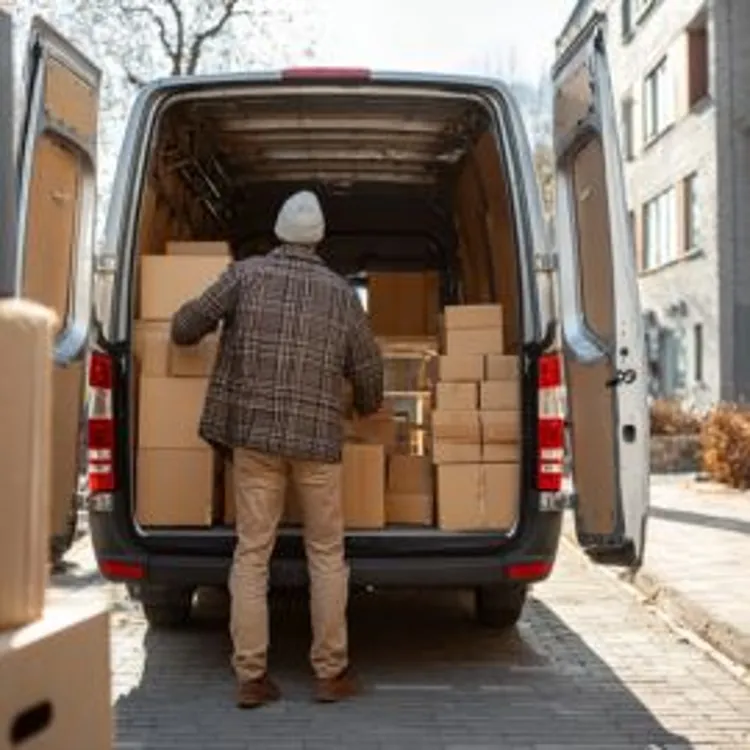
If you have bulky furniture and limited help, prioritize renting a truck or hiring professional movers. Multiple car trips with a personal vehicle may be cost-effective if your move is mostly boxes and smaller items. Use a single large vehicle to minimize repeat trips if your building has strict move-in and move-out windows.
Use this checklist to help you decide which transportation type makes sense for your move:
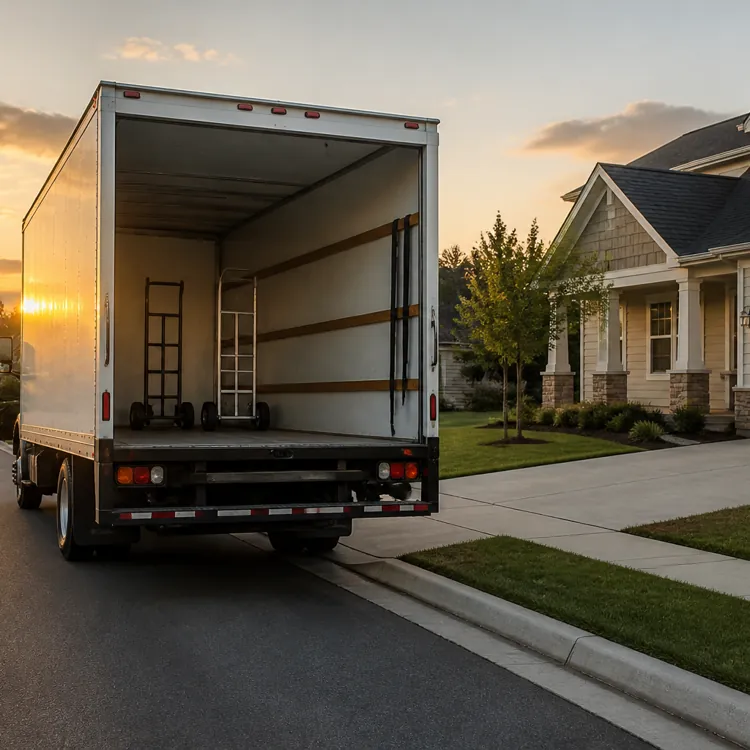
- Estimate volume: A studio requires a 10- to 12-foot truck, while a 3-bedroom needs a 20- to 26-foot truck.
- Compare rental costs: Costs vary between companies, but average $19 to $39 per day.
- Review insurance options: Basic liability is often required by landlords.
- Schedule helpers: Ask friends and family or hire a TaskRabbit for $25 to $50 per hour.
Reserve trucks or hire professionals at least two weeks in advance, and check for local parking permits or building move-in and move-out rules. Check truck clearance for low garages or bridges (10 to 13 feet is typical) and inspect rental trucks for damage before and after use, documenting with photos, to prevent unnecessary fees.
Here’s a comparison guide for major moving brands:
| Brand | Truck Sizes | Typical Cost | Notable Features |
|---|---|---|---|
| U-Haul | 10 to 26 ft | $19 to $39/day | Widest availability |
| Penske | 12 to 26 ft | $29 to $49/day | Newer trucks, AAA deals |
| Budget | 12 to 26 ft | $19 to $35/day | Frequent discounts |
Planning early, coordinating helpers and confirming insurance and vehicle clearance can save time, reduce stress and prevent hidden costs.
» LEARN MORE: Moving yourself vs. hiring movers
Preparing your new home for a smooth local move
Take care of pre-move cleaning, repairs and safety checks before moving day. Consider accessibility issues, like stairs, ahead of time, too. If your new home has stairs or doors narrower than 32 inches, measure your furniture and make a plan to transport all of your stuff safely.
Schedule utility transfers one to two weeks in advance to avoid service gaps. For utility contact info, check your local provider’s website—see your city or county’s utility customer portal. Visit USPS for official address changes.
Test smoke detectors and locks before moving in so that you and your family can settle in as soon as you arrive. If you need new locks, schedule a locksmith on move-in day. About a week before the move, confirm elevator or loading dock reservations if required.
Here’s a quick pre-move checklist:
- Clean and make repairs in your new home.
- Take photos of meter readings.
- Transfer or set up utilities.
- Submit U.S. Postal Service change of address.
- Notify banks, insurance and subscriptions.
- Confirm elevator or loading dock reservations.
New home checklist
On move-in day, tackle these things to settle in:
- Test lights, outlets and appliances before unloading.
- Stock bathrooms with toilet paper and soap before arrival.
- Set up one room (bedroom or kitchen) first to create a comfortable landing zone.
- If moving with kids or pets, childproof or pet-proof the new home before arrival.
Moving day tips for a safe and stress-free local move
Moving day can be hectic, but a clear plan and the right tools can make it safer and less stressful.
Follow this checklist for a smooth moving day:
- Confirm that helpers, trucks or movers will arrive on time.
- Pack snacks, water and a first aid kit.
- Keep documents, medications and chargers accessible.
- Do a room-by-room check for forgotten items.
- Assign one person to oversee loading and another for walkthroughs.
Take your time and don’t rush heavy lifting; use dollies and team lifts for bulky items. Make sure to take breaks every hour to avoid fatigue-related injuries.
Pack essentials and keep them and valuables with you in your personal vehicle, not in the truck, to ensure they don’t get lost.
Moving day survival kit:
- Toilet paper, paper towels, cleaning wipes
- Phone charger, batteries, extension cord
- Basic tools (screwdriver, wrench)
- Snacks, bottled water, change of clothes
- Hand soap and first aid kit
If it’s raining or snowing on moving day, protect your floors with tarps or cardboard. And if you have kids or pets, set up a safe zone away from the main action.
How to unpack and settle after moving across town
If you unpacked a “first day” box, unpack that first and take a breath. Once you’re ready to settle in and unpack in your new home, unpack essential rooms, like bedrooms, bathrooms and the kitchen. Then, before nightfall, set up beds and curtains to prepare for a restful sleep.
Within the first 10 to 30 days of moving, contact your state DMV to update your license and registration. Contact insurance providers and medical offices to update your address. At the same time, start exploring your new neighborhood to build a sense of community. Check Facebook, Nextdoor or local community centers for events and groups to meet neighbors.
Tips for settling in after a local move:
- Unpack essential rooms first: bedroom, bathroom and kitchen.
- Set up beds and curtains.
- Update your address with insurance, DMV and medical providers.
- Walk your neighborhood to meet neighbors and find local services.
- Help kids and pets adjust by keeping their routine and familiar items nearby.
Taking these steps at your own pace makes unpacking manageable and helps you feel at home faster, while ensuring both safety and comfort for everyone in your household.
FAQ
How do I move large or fragile items safely across town without professional help?
Disassemble furniture when possible, remove legs and shelves and keep hardware in labeled bags. Use furniture pads, cardboard corners and stretch wrap to protect surfaces. For appliances or heavy pieces, use a dolly with straps and always lift with a partner. Measure doorways and stairwells in advance to avoid last-minute maneuvering.
How can I minimize the number of trips and maximize efficiency for an across-town move?
Choose the largest vehicle you can reasonably load and stage everything near the exit before loading. Pack by room and load items in the order you’ll unload them. If access windows are limited, avoid personal vehicle trips and prioritize one fully loaded run over multiple partial ones.
What are the best ways to move with pets or children locally?
Keep routines as normal as possible and designate a quiet, safe space away from the main moving area. Transport pets and essentials separately, and bring familiar items like toys or bedding to reduce stress. If possible, arrange childcare or pet care for the busiest part of the move.
What are common mistakes people make when moving locally, and how can I avoid them?
Underestimating time, overpacking boxes and ignoring access rules are the biggest issues. Avoid them by setting realistic timelines, keeping boxes under 40 pounds and confirming elevator, parking and insurance requirements in advance. Always inspect rental trucks and document existing damage to prevent surprise charges.
Article sources
ConsumerAffairs writers primarily rely on government data, industry experts and original research from other reputable publications to inform their work. Specific sources for this article include:
- Home Depot, "Moving Supplies Calculator." Accessed Dec. 22, 2025.
- U.S. Postal Service, “Official USPS Change-of-Address.” Accessed Dec. 22, 2025.