


Moving from an apartment to a house: what to expect and how to plan
Moving from an apartment to a house is a major lifestyle shift. Houses generally offer more space (often spanning 1,500 to 2,500 square feet), but they come with higher utility costs, additional maintenance and yardwork. Apartments usually range from 700 to 1,200 square feet, with fewer upkeep tasks since landlords handle most repairs.
Start planning your move at least eight weeks ahead, measuring rooms and doorways and mapping layouts using online tools like Roomstyler or HomeByMe to ensure furniture will fit in the new place. Store, sell or donate anything you won’t have room for. Notify your current landlord (30 to 60 days’ notice is standard) and review penalties if you need to break a lease.
Use a checklist to track progress and prevent overlooked details. Proper preparation, awareness of increased responsibilities and careful scheduling make the transition smoother, reduce stress and help you enjoy your new home from day one.
Make a list of new responsibilities, such as yardwork, trash management or minor repairs, and research local amenities, schools and commute times. Planning early helps you avoid surprises and ensures your new home fits your day-to-day life. Overlooking the increased maintenance and costs of a house is a common mistake.
Use this checklist to help plan your move:
- Start planning 8-plus weeks ahead.
- Measure rooms and doorways.
- List new responsibilities.
- Research schools, amenities and commute.
- Review lease/purchase requirements.
» PLAN YOUR MOVE: Moving prep
DIY versus professional movers
Decide whether it makes sense to DIY your move or hire professional movers, depending on how much stuff you have and how far you’re traveling. It may be more cost-effective to DIY your move, but hiring professional movers can save time, reduce stress and protect your belongings from damage.
DIY moves cost less than professional moves, but require more effort on your part. Moving yourself typically costs between $500 and $2,000, while professional movers charge between $1,500 and $5,000 for an apartment-to-house move.
DIY is ideal if you have family and friends to help and you’re moving a short distance away. If you’re moving several bulky items to another city or state, hire a professional for a safe and efficient move.
Before hiring a pro, get quotes from at least three moving companies and check for hidden fees to ensure you get the best price. Only hire professionals with insurance to protect your belongings if something gets lost or damaged, and verify the mover’s license with the U.S. Department of Transportation.
DIY move
- Cost: $500 to $2,000
- Time: 6 to 10 hours for local moves
- Effort: High — you handle packing, loading and transport
- If you have minimal furniture and a short distance, DIY may be cost-effective
Professional movers
- Cost: $1,500 to $5,000
- Time: Up to 8 hours for loading/unloading (depending on distance)
- Effort: Lower — movers handle logistics and heavy lifting
- If you have heavy furniture or are moving long-distance, consider hiring pros
» FIND OUT MORE: Best moving companies
Managing legal, financial and logistical steps when moving from an apartment to a house
Moving from an apartment to a house requires careful planning. Consider legal obligations, upfront costs and insurance changes and handle transitions early to avoid penalties, coverage gaps and stress at the last minute.
First, end your apartment lease properly. Typically, landlords require written notice 30 to 60 days before you move out of your apartment, though exact timelines vary by contract and state. Schedule a final walkthrough with your landlord and confirm lease termination requirements in writing.
Before the walkthrough, document the condition of your apartment, taking timestamped photos of every room, appliance and fixture. This will help protect your security deposit upon move-out, especially if disputes come up.
Insurance is another key consideration when managing your move. Renter’s insurance only covers personal belongings, while homeowner’s insurance must be in place before or on closing day to cover the structure and liability. Don’t forget to update or overlap policies if your lease and home purchase overlap.
To stay organized, use this checklist:
- Provide a written move-out notice 30 to 60 days ahead.
- Schedule and attend a final walkthrough with your landlord.
- Take timestamped photos of each room and appliances.
- Keep all receipts and signed documents.
- Forward mail and update your address with USPS.
Budgeting for your move from an apartment to a house
Budgeting is a common oversight when moving from an apartment to a house. Plan for higher monthly expenses, including utilities, insurance and maintenance. Prevent budget overruns during the first few months of living in your new space by setting aside a small buffer for unexpected costs.
Common moving costs to expect:
- Professional movers: $1,500 to $5,000
- Moving truck rental: $100 to $500
- Moving supplies (boxes, packing tape, etc.): $100 to $300
Set aside at least 10% extra for unexpected moving expenses.
Things like home repairs, monthly utilities and one-time fees can also affect your budget when planning a move from a house to an apartment. Calculate your new monthly expenses using online calculators from experts at places like U-Haul and PODS. If your total costs exceed 15% of your annual income, consider downsizing the move or delaying your home purchase.
Costs to expect in your new home:
- Monthly mortgage and taxes: Average of $2,200 a month
- Utilities: Up to $150 for new connections
- Homeowners insurance: $600 to $2,000 per year
- Emergency repair fund: $500 to $1,000+
- Private mortgage insurance (PMI): Usually required if you didn’t make at least a 20% down payment
Packing and decluttering tips for moving from an apartment to a house
The best way to prepare for a stress-free move is to pack everything up neatly before moving day. That starts with decluttering your belongings, donating or selling items you don’t use regularly. Start this decluttering process at least four weeks before your move to avoid last-minute stress.
When taking inventory of your belongings, consider how often you use each item and whether or not you need to bring it to your new space. Donate, throw out or sell anything you haven’t used in the last year or that won’t match your new space.
At least two to three weeks before your move, take things to donation sites if needed or, if you’re donating bulky items, schedule donation pickups from organizations like Goodwill and Habitat for Humanity. List anything you’ve decided to sell on sites like Facebook Marketplace or Craigslist.
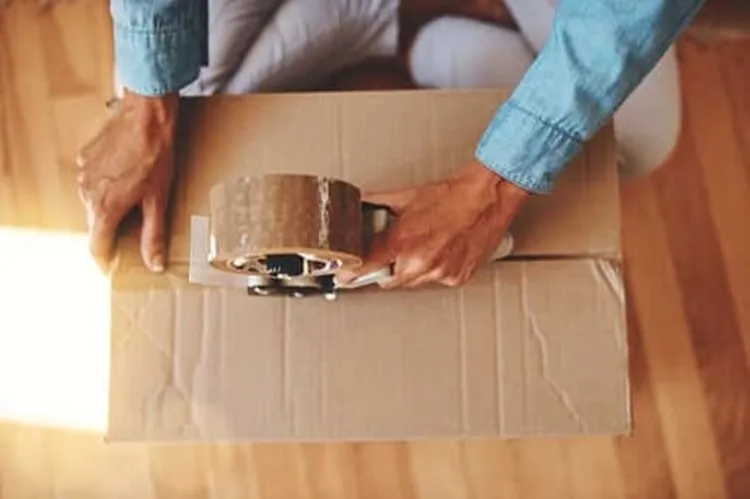
Purchase packing supplies like boxes and packing paper from your local hardware store and pack everything you decide to keep, organizing and labeling boxes by room and importance. Focus on packing non-essential items first. Avoid packing anything like toothbrushes or laundry soap that you’ll need right up until the transition.
Setting up your new house after moving from an apartment
When you’ve arrived at your new house, the first thing you should do is walk through and make note of any urgent issues requiring repairs. Change locks and codes on all exterior doors within the first 24 hours, and test smoke and carbon monoxide detectors ASAP to ensure the safety of you and your family.
Set up utilities one to two weeks before your move through your local providers’ websites, apps or by calling the companies directly, ensuring that essential utilities, like gas and electricity, are in working order on move-in day.
Unpack any essentials that you’ll need immediately, like bathroom items, food and must-have clothing. Plan to unpack non-essential items slowly as you focus on adjusting to your new living situation.
Here’s a checklist for the first things you should do when you move from an apartment to a house:
- Set up utilities one to two weeks before the move.
- Change locks and codes on exterior doors within 24 hours.
- Test smoke and carbon monoxide detectors immediately.
- Walk through the house and note any urgent fixes, like HVAC issues.
Helping your family and pets adjust to your new house
Minimize stress for children and pets by packing comfort items and familiar toys to help everyone settle during the transition. Set up their rooms first when you arrive to ensure they have a space to relax and feel grounded. Sticking to normal routines and schedules as much as you can will create a sense of normalcy.
Before moving day, visit the new neighborhood with your children and pets to let them gradually get accustomed to their new home and routine. That way, once you move in, their new neighborhood won’t feel scary or unfamiliar.
You can also pack a “first night box” before the move. Pack things you’ll absolutely need the first night in your new place, like food, kitchen essentials, comfort items and more. Label it clearly and unpack it as soon as you arrive to make day one as easy as possible.
During the first week in your new home, introduce yourself (and your family) to the neighbors. Making connections and building community will help everyone feel happy and safe.
FAQ
How do I legally end my apartment lease when moving to a house?
Provide written notice 30 to 60 days before your move-out date, schedule a final walkthrough with your landlord and document your apartment’s condition with photos to protect your security deposit. Check your signed lease for specific requirements, which can vary depending on where you live.
What are the hidden costs when moving from an apartment to a house?
Beyond moving fees, expect higher utility bills, property taxes, maintenance expenses and potential home repairs when living in a house. Setting aside a small buffer of at least $500 can help avoid surprises down the line.
How do I transition my renter’s insurance to homeowner’s insurance?
Notify your current insurer of your move date, then secure homeowner’s insurance to cover the house and your personal property. Overlap the policies if your lease and home purchase timelines coincide to avoid coverage gaps.
How do I plan a moving timeline to avoid last-minute stress?
Start planning your move at least eight weeks in advance by measuring rooms and doorways, scheduling movers or reserving rental trucks and tracking tasks with a checklist. Include buffer days for unexpected delays or repairs.
Article sources
ConsumerAffairs writers primarily rely on government data, industry experts and original research from other reputable publications to inform their work. Specific sources for this article include:
- Nolo, "Typical Provisions in Leases and Rental Agreements." Accessed Dec. 16, 2025.
- Tenant Resource Center, "Breaking a Lease for Tenants." Accessed Dec. 15, 2025.
- Discover, "How Much Money Do You Need to Move Out?" Accessed Dec. 16, 2025.
- BankRate, “Average Monthly Mortgage Payment.” Accessed January 5, 2026.
- Allied, "How to Create a Moving Inventory." Accessed Dec. 15, 2025.