

How long does it take movers to load a truck by home size and truck type?
Moving truck loading times can range from one hour to six and a half hours, depending on a few key factors. Specific time estimates vary, and planning a 30- to 60-minute buffer is always recommended to prepare for unexpected delays.
Here’s a breakdown of average loading times depending on key factors like home size, truck size, the number of movers, whether you pre-packed and whether you’re moving specialty items:
| Home size | Truck size | Movers | Avg. load time (prepacked) | Avg. load time (not prepacked) |
|---|---|---|---|---|
| Studio | 10 to 12 feet | 2 | 45 to 75 min | 60 to 90 min |
| 1-Bedroom | 16 feet | 2 | 1.5 to 2 hours | 2 to 2.5 hours |
| 2-Bedroom | 20 feet | 3 | 2 to 3 hours | 3 to 4 hours |
| 3-Bedroom | 24 feet | 3 | 3 to 4 hours | 4 to 5 hours |
| 4+ Bedroom | 26 feet | 4 | 4 to 5 hours | 5 to 6.5 hours |
Add an extra 20 to 30 minutes per flight of stairs that movers have to climb. Parking distance and long carry distances that require movers to walk more than 100 feet add another 15 to 30 minutes. Specialty items (like upright pianos, safes or large appliances) can add another 30 to 60 minutes per item.
If you’re using non-professional movers, like friends or family, increase the total loading time by 30% to 50%. Non-trained movers may make more trips, take more breaks and spend extra time maneuvering bulky items without the proper training and equipment.
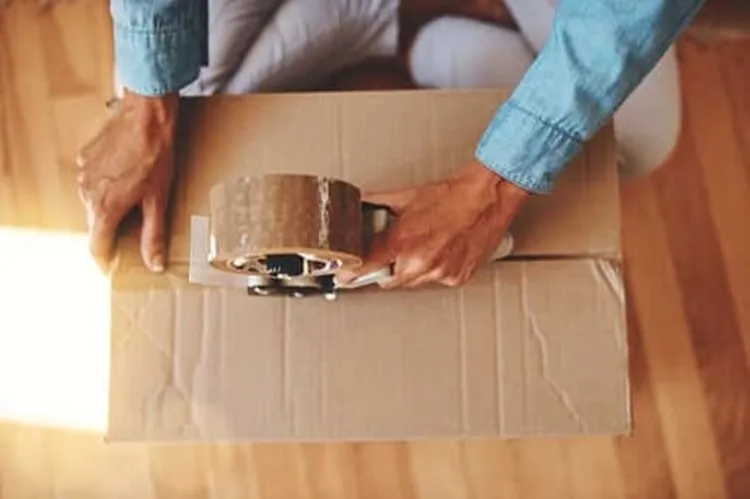
Pre-packing and labeling your boxes may reduce load times by 20% to 30%. To streamline the process, label your boxes and pack them intentionally with materials like towels, packing paper and bubble wrap to prevent damage.
For a targeted estimate, use an online moving calculator such as the U-Haul Truck Size Guide, which factors in property size, truck type and number of movers.
How home layout and access affect moving truck loading times
Accessibility is a major influence on the time it takes to load a moving truck. The distance from your home to where the moving truck is parked affects loading times significantly, as does the presence of stairs, elevators or other obstacles.
Estimated extra loading time
- Each flight of stairs: +20 to 30 minutes
- Unreserved elevator: +15 to 30 minutes per load
- Parking more than 100 feet from your door: +15 to 30 minutes
- Multiple pickup locations: +30 to 60 minutes per stop
- Rain or snow: +20 to 40% increase in total loading time
Reserve elevators and parking spots in advance to avoid last-minute delays, and monitor the weather so that you can prepare in advance. Use the Weather.com moving day forecast tool for real-time weather impact guidance. Being prepared will save valuable loading time, especially in inclement weather.
Here’s how you can prepare for accessibility challenges:
- Reserve the elevator and parking space in advance.
- Clear all walkways, stairs and entry points.
- Check the weather forecast 48 hours ahead.
- Have tarps, floor mats and rain gear ready.
- Notify movers about obstacles, stairs and access issues.
- Stage items in easily accessible locations.
- Confirm all keys, door codes and building contacts.
Use a heavy-duty dolly for long walks or going up stairs to save time and reduce injury risk. Confirm parking regulations with your landlord or HOA for large complexes or busy city moves, as landlords may have strict moving windows. Communicate these times to all movers so they can be on schedule.
Pro tips to speed up moving truck loading and avoid delays
Make moving day smoother by focusing on efficiency, safety and organization. Start by confirming your movers’ arrival time and contact information, and reserve elevators or parking spots with permits clearly visible. Pre-pack and label all boxes by room and priority to speed up moving truck loading and unloading.
When moving large furniture, disassemble it before staging the items alongside your exit in loading order so that movers can easily access them on moving day. Use cardboard or pads to protect floors, corners and doorways, and keep equipment like dollies, furniture straps, blankets and a toolkit nearby for easy access.
Pack heavy items, like books or dishes, in small boxes no larger than 1.5 cubic feet. Avoid overpacking boxes — don’t pack more than 50 pounds per box — to reduce injury risk for yourself and for your movers who need to lift them.
If you have friends or family helping, assign clear roles — loader, runner, packer — to avoid confusion. Prioritize essentials if you’re running behind schedule, and keep water and a first aid kit on hand. Efficient planning and clear communication make the difference between a stressful move and a seamless one.
Loading Checklist:
- Confirm mover arrival time and contact info.
- Reserve elevator/parking and have permits visible.
- Pre-pack and clearly label all boxes.
- Disassemble beds, tables and large furniture.
- Protect floors, corners and doorways with pads or cardboard.
- Stage items near your exit in loading order.
- Keep dollies, furniture straps, blankets and a basic toolkit ready.
FAQ
How much faster is loading with professional movers vs. friends/family?
Professional movers are trained, experienced and equipped, so they can load efficiently and safely. Using friends or family often adds 30% to 50% more time due to inexperience, extra trips and slower handling of bulky items.
Can I speed up the loading process by packing ahead of time? By how much?
Yes. Pre-packing and labeling boxes by room and priority can reduce loading time by 20% to 30%. This allows movers or helpers to grab items quickly without needing to search.
How does truck size affect loading time for a typical household?
Smaller trucks require more trips or tighter packing, which can slow down the moving process. Choosing a truck that fits your home’s inventory maximizes efficiency and reduces the total loading and unloading times.
How do multiple stops or pickup locations impact loading time?
Each additional stop can add 30 to 60 minutes to the total loading time, especially if items need to be staged or unloaded separately. Planning and grouping items by location minimizes delays.