

Compare our top picks for the best medical alert systems with GPS
To select our picks for the best medical alert systems with GPS, we considered factors like systems’ designs, features and costs. We only included monitored service systems because they offer the most comprehensive support with a direct line to trained dispatchers who can communicate with the device’s wearer until emergency responders arrive, no matter where you are.
Our picks for the best medical alert systems with GPS include:
All product information and pricing is accurate as of April 21, 2026.
Medical Guardian MGMini
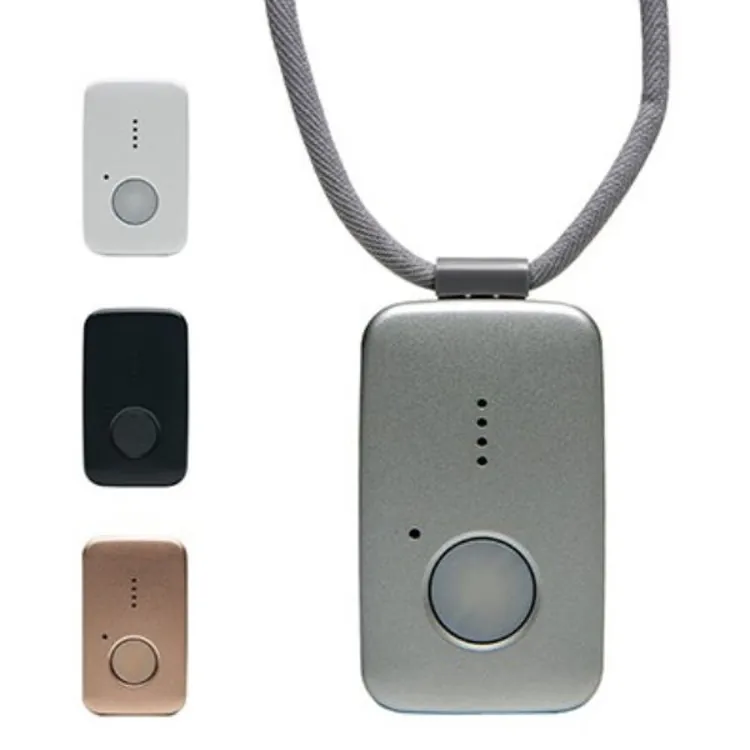
Medical Alert Mobile System
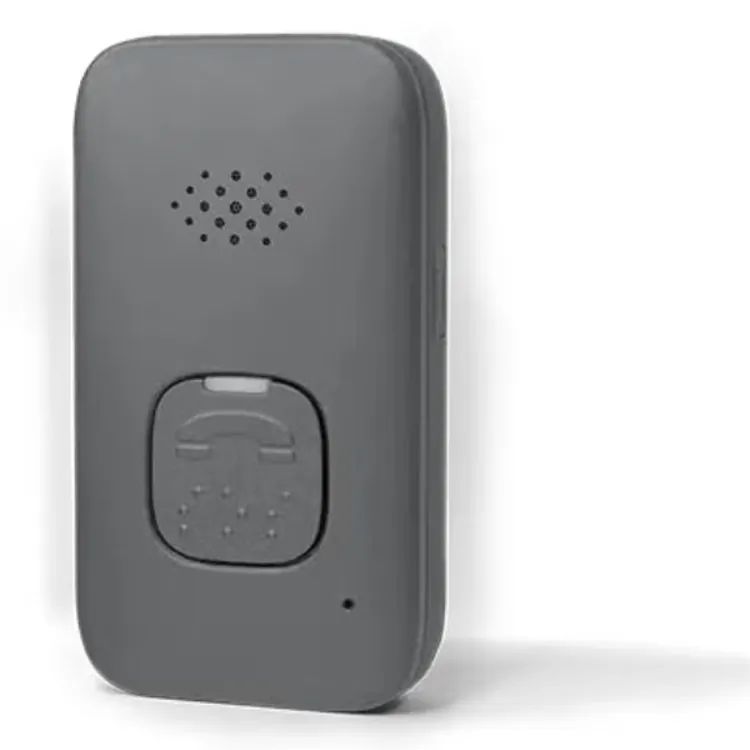
LifeFone VIPx2
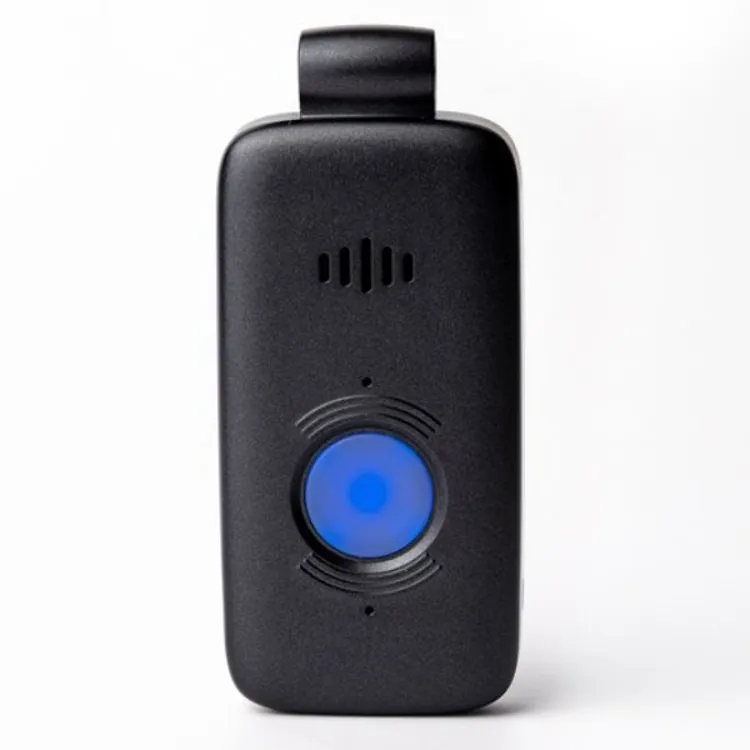
Bay Alarm Medical In-Car
How do medical alert systems with GPS work?
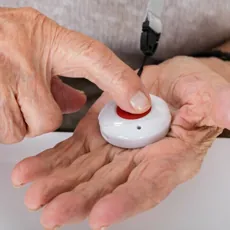
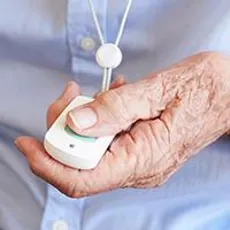
Medical alert systems with GPS work by identifying the wearer’s location using satellite-based GPS technology. Most mobile systems are small, battery operated and rechargeable, and can be easily clipped to your clothing. Some can be worn around your wrist or neck. You can also typically add on fall detection, which automatically alerts emergency services if you fall and can’t press the emergency button.
With a medical alert device with GPS, you’ll generally take the following steps:
1. Press the emergency help button
You’ll typically press a button to call for help. If you opt for a device with fall detection, the device should automatically detect your fall and alert an emergency operator.
2. Communicate with the operator
Once you establish communication with the operator at the monitoring center, they can then dispatch emergency medical help if needed or contact a loved one.
3. Wait for help
The alert system determines the precise location of the device and connects to a call center when the emergency button is pressed.
Pros and cons of medical alert systems with GPS
Using a medical alert system with GPS has its benefits, but there are some drawbacks to consider, too.
Pros
- 24/7 monitoring
- Caregivers can typically track location through an app
- Peace of mind for older adults and caregivers
- Can be simpler to use than a cellphone
Cons
- Upfront, ongoing and add-on costs
- Battery life can be variable
- May struggle with precise location tracking in urban areas
Safety benefits of GPS tracker for older adults
There are many safety benefits of GPS trackers for older adults. They can provide great peace of mind both for the individual and their caregivers or family members.
Location tracking
No matter where an older adult is, whether at home, socializing with friends or doing some other activity, the GPS locator will provide an exact location if help is needed. Some devices also let caregivers track the device wearer via an app for peace of mind.
“GPS tracking allows an agent to see their location, which means they can easily direct emergency services,” said Michelle Rankine, a health care executive specializing in the aging community.
24/7 monitoring
Older adults don’t have to worry about not having access to emergency help because help is available at any time. This can provide a sense of security, allowing people to live fuller lives knowing they have access to trained responders.
GPS tracking allows an agent to see their location, which means they can easily direct emergency services.”
Simple to use
Medical alert bracelets and pendants were created to be simple to use. Help can be on the way with the push of a button. There is no need to find a telephone or dial numbers, so they are ideal if someone falls or otherwise can’t get to a telephone.
Easy to take anywhere
Since these devices are lightweight and portable, wearers can take them anywhere they go and stay safe. Some are even completely waterproof so they can be worn in the shower, bath or pool.
Extra safety features
Many mobile medical alert devices with GPS have additional safety features that are included or can be added to a plan for a fee. Some options include caregiver tracking, fall detection, connectivity to home-based medical alert systems, extended battery life and personalized emergency action plans.
» RELATED: Questions to ask a medical alert company
How much do medical alert systems with GPS cost?
Medical alert systems with GPS have a monthly monitoring fee, which typically ranges from around $30 to $45. Systems may also have activation fees, which can typically be up to $50. You may also need to pay for the equipment, which typically costs anywhere from $0 to $200.
Generally, medical alert system costs will vary depending on what features you prefer and any add-ons you want.
FAQ
Do medical alert systems with GPS work in rural areas?
Yes, medical alert systems with GPS generally work in rural areas. For wider coverage, some companies also provide cellular service through Verizon and AT&T.
Do you need Wi-Fi for a medical alert system with GPS?
No, you don’t need a Wi-Fi connection for a medical alert system with GPS to work. Your medical alert system uses a GPS signal to pinpoint your location and sends an alert to the monitoring company if an emergency comes up.
Does Medicare cover medical alert systems?
Medicare doesn’t cover medical alert systems because they aren’t considered to be durable medical equipment. Medicaid may provide some coverage for medical alert systems, though it’s best to check if your state provides coverage. Some private insurance plans may also cover medical alert systems.
Bottom line: Should you get a medical alert system with GPS?
Medical alert systems with GPS are simple to use and can generally be worn around your neck or clipped onto your clothes, which can make it easier to keep with you than a cellphone. Plus, devices can immediately or automatically connect you to trained professionals during an emergency and alert loved ones.
Article sources
ConsumerAffairs writers primarily rely on government data, industry experts and original research from other reputable publications to inform their work. Specific sources for this article include:
- Medicare, “Durable Medical Equipment (DME) Coverage.” Accessed April 21, 2026.