

HVAC inspection cost averages in 2026
The average cost of an HVAC inspection in 2026 is $300, and most homeowners pay between $150 and $500. A typical inspection will include all or some of the following, depending on the type of HVAC system you have:
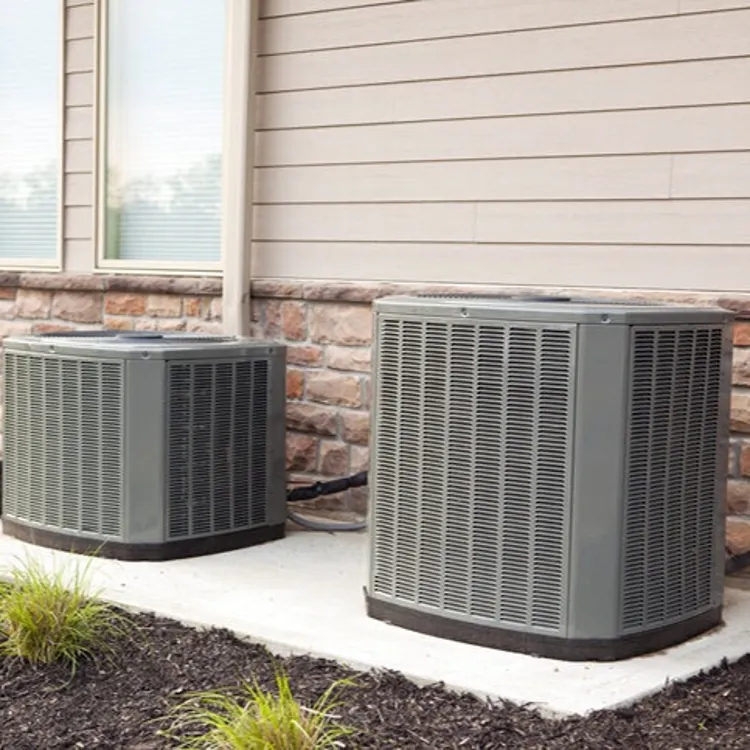
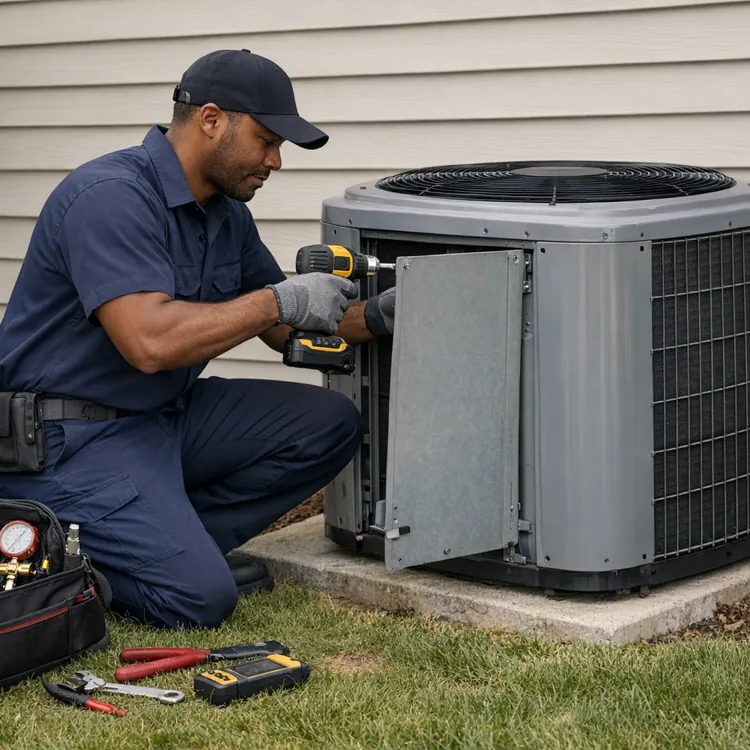
- Visual inspection of outdoor condensers: Your HVAC technician will inspect all visible components of your AC condenser to look for worn wires, deteriorating protective sleeves and other signs of physical damage, especially on and around the refrigerant lines. They may also test refrigerant levels.
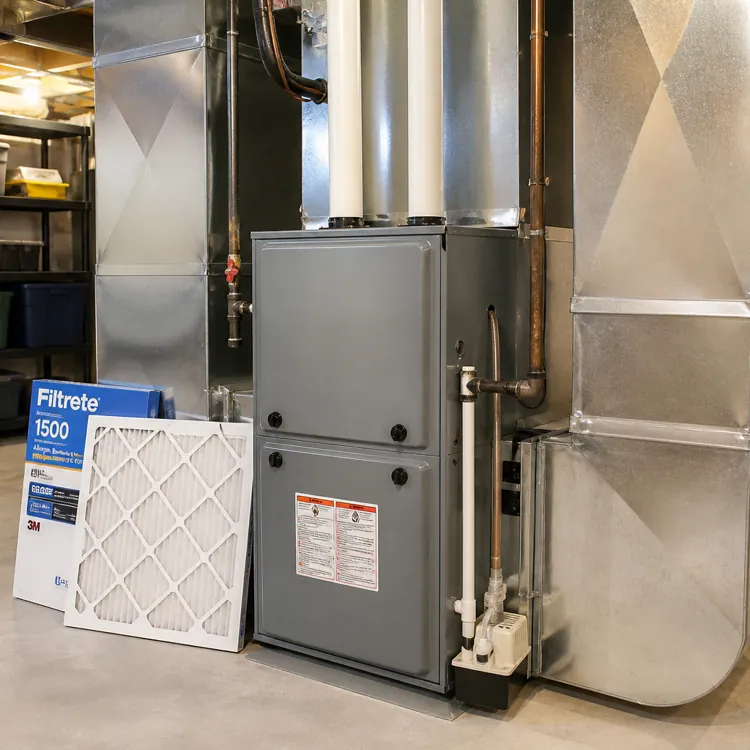
- Visual inspection of heating equipment: Your tech will check the major components of your boiler or furnace, including the heat exchanger and ignition system. They may test for carbon monoxide levels and gas leaks, and they might make sure your thermostat is calibrated. If you have a heat pump or minisplit, your tech will also look at the interior components for signs of visible damage.
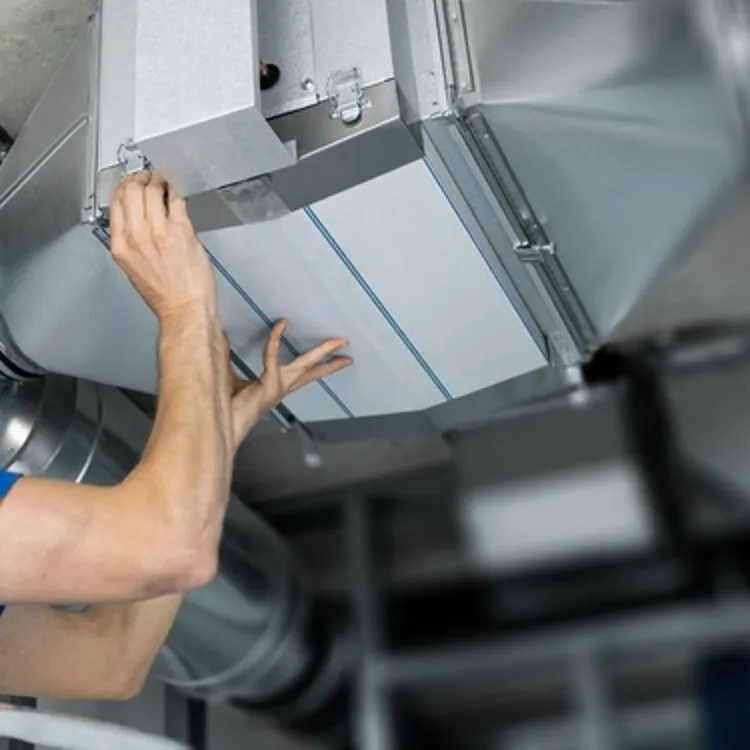
- Visual inspection of air handler: Your tech will also check your indoor air handler if you have central AC or central heat. They’ll listen for noises during operation and check for proper functionality.
- Visual inspection of ducts and vents: Your professional will check the visible parts of your ductwork, including supply and return vents.
- Electrical checks: Your tech will visually inspect all electrical connections for corrosion and wear, and they may test the voltage to identify potential problems.
- Airflow evaluation: Finally, your technician should test airflow if your system uses a blower motor.
Some HVAC techs can conduct a more thorough inspection that covers other parts and components, but these usually push costs closer to the $500 mark. If you have this option, your inspection could include all of the above, plus the following:
- Efficiency testing: Your tech will test how efficiently your system runs and can make suggestions for repairs or replacements that can maximize efficiency and reduce heating and cooling bills.
- Complete ductwork inspection: Your pro may use cameras to inspect the insides of your ducts for leaks and damage.
- More thorough electrical testing: Your tech may test additional components, like your fan motor and compressor, to make sure they’re within the range of normal amperage.
- Optional cleaning and maintenance: Some pros will clear out condensate lines proactively, even if you don’t have clogs or leaks. You may get other maintenance items included, too, like air filter replacement and lubrication for moving components.
The most important part of either a basic or in-depth inspection, however, is the result. Your pro should include a written summary of their findings, especially if they identified any issues. Your write-up may include specific recommendations for correcting the problems.
HVAC inspection cost factors
The cost of an HVAC inspection for your home can vary based on a few key factors, including the type of HVAC system you have, the capacity of the system, where you live and more.
System type and components
The type of HVAC system you have is one of the most influential cost factors. Homeowners with just an AC system or just a heating system will pay less than those who need an inspection for both. Here’s a breakdown of the different types of HVAC systems and why costs can vary for each.
- Central AC: If you just have an AC system you need an inspection for, you’ll pay less than you would for a split system because you don’t also have a boiler or furnace to inspect. Fewer components mean a faster inspection, which means a lower labor cost.
- Boiler or furnace: Similarly, if you just have a boiler or furnace and no AC system, you’ll pay less than average because you just have one core component to inspect. Inspections for boilers can be more expensive than furnace inspections because your pro has more components to check, like water pressure regulators, water circulators and exposed baseboard piping.
- Heat pump (air source): Heat pumps are relatively simple heating/cooling components, so an inspection can be quick and minimally invasive, meaning a lower inspection cost, on average. It’s also less expensive to inspect a heat pump that delivers heating and cooling than it is to inspect a split system, as you only have one set of equipment to check. You also don’t have the same safety concerns to check for, as heat pumps don’t burn fuel or create dangerous gases, like carbon monoxide.
- Ductless mini-split: Ductless mini-splits are just small versions of heat pumps, so they’re also simple and affordable to inspect. Costs are more likely to fall closer to the $150 extreme for mini-splits.
- Geothermal heat pump: Geothermal heat pumps are less expensive than average to inspect unless you want your pro to assess the underground loop system. This can be time-consuming, which can drive inspection costs above the $300 average.
Home size and number of units
Your HVAC system should suit the size of your home, which means bigger homes usually need larger, more capable heating and cooling systems. You may pay a premium for an inspection on an oversized home, especially if you have multiple condensers or compressors to meet your demands.
Properties with multiple units, like multi-family residences and mother-daughter homes, are also more likely to have more than one system for heating and/or cooling. You should expect to pay separately for each system inspection.
Accessibility and complexity
All of the cost of an HVAC inspection goes toward labor, so anything that makes the inspection take longer can drive the cost up. Limited accessibility to equipment in tight attics, cramped utility closets or crawlspaces can lead to higher prices.
Season and demand
HVAC technicians are usually busiest in the summer and winter due to emergency calls for cooling and heating, so you may pay a premium during these high-volume seasons.
Location
You might run into additional travel fees that can drive your costs higher if you live in a rural area or if you’ve chosen an HVAC tech with a service area that doesn’t cover your home.
HVAC inspection vs. tune-up vs. service call
It’s important to note the differences between an HVAC inspection, a tune-up and a service call, all of which are important for maintaining your system and your family’s comfort and safety. Here’s a quick breakdown of how these differ, regardless of the type of HVAC system you have.
- HVAC inspection: An HVAC inspection is a check to make sure your system is functioning properly. It can help identify potential issues before they occur and point out components that may benefit from repairs or additional maintenance.
- HVAC tune-up: An HVAC tune-up includes some minor hands-on work that helps make your system run more efficiently. It can include lubricating moving parts, replacing air filters and belts, cleaning fans and coils and more. A tune-up can improve efficiency and reduce the risk of breakdowns. Some HVAC techs will also conduct a basic inspection during a tune-up.
- HVAC service call: An HVAC service call is one you make when you already have an issue. Whether you have no heat, your AC is blowing hot air or your equipment is making strange noises, a service call usually ends in a more expensive repair that gets your system back to its baseline operation.
These items also differ in the frequency you need them. You should schedule an inspection at least once a year to identify potential problems, and you should schedule a tune-up twice a year (once in the spring and once in the fall) to prepare your system for the heating and cooling seasons. You can make service calls as needed whenever you run into an issue.
| Frequency | Best for | Average cost | |
|---|---|---|---|
| HVAC inspection | Annual | Avoiding repairs and breakdowns | $150 to $500 |
| HVAC tune-up | Twice per year (spring and fall) | Maximizing efficiency and comfort | $70 to $200 |
| HVAC service call | As needed | Fixing known issues | Varies based on repair |
How to save money on HVAC repair costs
An HVAC inspection might seem like an unnecessary expense, but it can end up saving you money in the long run. You can also potentially reduce repair and maintenance costs by doing some DIY maintenance, calling on your HVAC warranty and entering into a maintenance contract.
Carry out DIY HVAC maintenance
It’s best to leave HVAC repairs and inspections to an experienced professional, but there are some things you can do yourself to reduce the risk of expensive repairs:
- Replace your filters: One of the easiest ways to keep your system working properly is to replace your air filters every two months during the peak seasons. This helps keep your indoor air quality high and also reduces strain on the blower motor that circulates conditioned air.
- Clear debris away from outdoor units: Inspect your outdoor condensers monthly and clear debris and overgrowth away from the units. Nearby leaves, sticks, dirt and other debris can all make your system work harder than it needs to.
- Monitor utility bills: Keep an eye on your heating and cooling bills to look for unexpected spikes over time. Increased costs can be a sign of damage or inefficiency, which should trigger an inspection and may require repairs.
Take advantage of your HVAC warranty
Most manufacturers that produce heating and cooling equipment include HVAC warranties that guarantee proper functionality for at least a few years after installation. If you run into problems when your system is relatively new, check your warranty to see if repairs or a replacement are covered. This could save you hundreds or thousands of dollars, in some cases.
Consider an HVAC maintenance contract
An HVAC maintenance contract lets you pay a fixed price for routine inspections and tune-ups, which can make it easier to keep up with diagnostics and may even save you money over time. Routine maintenance improves efficiency, often reducing running costs, and may cover tune-ups and certain minor repairs.
FAQ
What is the $5,000 rule for HVAC?
The $5,000 rule in HVAC is a rule of thumb that helps you decide if a repair or replacement is a better option when you run into an issue with your heating or cooling system. You take the age of your system in years and multiply it by the estimated repair cost. If that number is under $5,000, a repair is likely the best option. If it’s over $5,000, you should consider a replacement.
Is an HVAC inspection worth the cost?
An annual HVAC inspection is very often worth the cost because it can help identify problems with your system before they turn into breakdowns and real damage. An inspection might cost an average of $300 upfront, but if it leads to you replacing a component before it breaks down, you could avoid a no-heat or no-AC issue, as well as save money on a proactive repair.
How long does an HVAC inspection take?
Most technicians will be able to complete an HVAC inspection in an hour. The timeline can vary based on the complexity and accessibility of your system, and larger homes with multiple units can also take significantly longer.
Do HVAC companies offer free inspections?
Most HVAC companies don’t offer free inspections, and you’ll instead pay between $150 and $500 to have your system inspected. If you run into a breakdown, some companies will either provide a free diagnostic or offer to waive the diagnostic fee if you move forward with repairs.
Article sources
ConsumerAffairs writers primarily rely on government data, industry experts and original research from other reputable publications to inform their work. Specific sources for this article include:
- United States Environmental Protection Agency, "HVAC Checklist - Long Form." Accessed April 28, 2026.
- United States Department of Energy, "Standard Practice for Inspection & Maintenance of Commercial HVAC Systems." Accessed April 28, 2026.
- ENERGY STAR, "Maintenance Checklist." Accessed April 28, 2026.
- U.S. Department of Energy, "Air Conditioner Maintenance." Accessed April 28, 2026.