


Our 3 picks for veteran home warranty companies
Our top three picks for the best home warranty companies for veterans are:
- Best overall: American Home Shield
- Best for claims handling: Regency Total Warranty
- Best for service guarantee: Cinch Home Services
Compare top home warranties for veterans
Compare our top picks for the best home warranties for veterans:
| Company | Customer rating | Our pick for | Monthly starting costs | Service fee | |
|---|---|---|---|---|---|
 American Home Shield | Get a Quote | 3.6 | Best overall | $29.99 | $100 or $125 |
 Regency Total Warranty | Learn More | 3.3 | Claims handling | $39.99 | $75 |
 Cinch Home Services | Get a Quote | 4.1 | Service guarantee | $30.99 | $100 to $150 |
American Home Shield

- Monthly premium cost
- $29.99 to $89.99
- Service fees
- $100 or $125
- Labor guarantee
- 30 days
- Availability
- 48 states
Regency Total Warranty

- Monthly premium cost
- $83 to $89
- Service fees
- $75
- Labor guarantee
- None specified
- Availability
- 49 states
Cinch Home Services

- Monthly premium cost
- $27.99 to $89.99
- Service fees
- $100 to $150
- Labor guarantee
- 180 days
- Availability
- 48 states

Buyer’s guide to home warranty providers for veterans
Jump into our guides and start learning
Military life presents unique challenges for homeowners, including frequent relocations and deployments. Veterans and active-duty service members need coverage that suits their lifestyle while protecting against unexpected repairs.
Home warranties can help veterans manage steep repair bills when appliances and systems give out. Our guide will go over coverage options, how to pick the right home warranty provider and how to find military discounts to decrease costs.
Key insights
Home warranties for veterans generally offer normal coverage at a discounted rate.
Jump to insightVeterans can typically save up to 20% off home warranty costs.
Jump to insightYou’ll usually need to call providers to confirm military discounts since this information may not be advertised online.
Jump to insightWarranty coverage for veterans
Home warranties cover the same appliances and systems for veterans as they do for any homeowner. There’s no special veteran coverage that protects different items. What changes for military members is how much they pay and the flexibility some companies offer.
What home warranties cover
Here’s what a home warranty usually covers and doesn’t cover:
Covered
- Major systems, such as HVAC, plumbing and electrical systems
- Kitchen appliances, such as the refrigerator, oven, dishwasher and garbage disposal
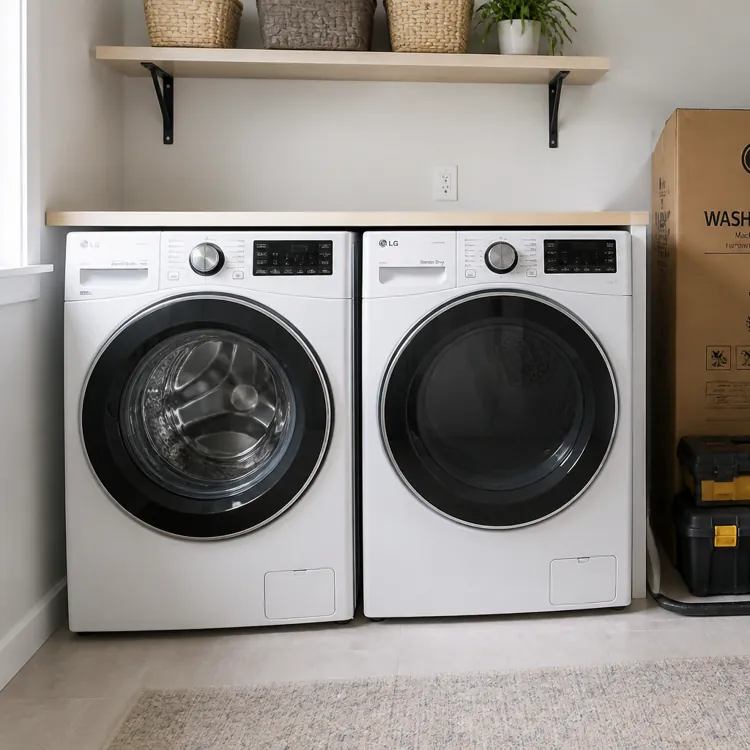
- Laundry appliances, such as washers and dryers
- Water heaters and built-in equipment
Not covered
- Damage from natural disasters
- Poor maintenance or neglected repairs
- Problems that existed before coverage started
- Cosmetic issues that don’t affect function
Did you know?
Home warranties and homeowners insurance work together to protect your investment. Your warranty covers everyday breakdowns, like a broken dishwasher or a failed furnace. Homeowners insurance covers damage from fires, storms and theft. Wise veteran homeowners get both since they tackle completely different problems.
» MORE: Home warranty vs. home insurance
Pros and cons of a home warranty for veterans
A home warranty can be worth it if it saves you money, especially if you’re on a fixed income. Older systems and appliances fail more often, and warranties protect you from expensive replacements. You pay the same amount monthly instead of scrambling for cash when your furnace dies or your water heater floods the basement.
But not every breakdown is covered, and payout caps might leave you covering part of a major repair. When something breaks, you’re often stuck with whoever the company assigns, and some experience inconsistent service quality. Filing claims and waiting for contractor appointments can take days or weeks, leaving you without heat or air conditioning.
Pros
- Military discounts of up to 20%
- Predictable budgeting
- Peace of mind for aging homes
Cons
- Contractor quality varies
- Wait times can be long
- Coverage limits and payout caps
How much is a home warranty for veterans?
Home warranties typically cost around $350 to $900 per year. But veterans often pay less than that thanks to military discounts. Some providers cut annual premiums by 20% for military members, while others offer reduced service call fees or flexible payment plans. Ask about military programs when shopping, since benefits vary by company.
Monthly premiums
Monthly plans typically cost more than annual plans at around $30 to $90 per month. Comprehensive plans that cover both appliances and systems are usually around $60 per month on average or $720 per year. So, veterans with a 20% military discount could pay around $48 per month or $576 per year. That’s a savings of $144 per year.
Service call fees
Every time you file a claim, you’ll pay a service call fee, which typically ranges from $75 to $150, depending on your location and plan. Some companies let you choose a higher service fee in exchange for lower monthly premiums, which works well if you don’t expect many repairs.
Add-ons
You’ll typically need to add coverage for items like pools, well pumps or second refrigerators. This type of coverage usually costs around $5 to $25 per month per add-on package.
Other cost factors
Your monthly premium and service fees make up most of your home warranty costs, but a few other factors also influence your total investment:
- Home size: Larger homes generally need broader coverage, pushing premiums higher, though small condos may cost less to cover.
- Coverage level: Basic plans covering only systems or only appliances cost less than comprehensive plans covering both.
- Location: Labor and material costs vary by region, affecting what you’ll pay.
Example: annual costs for a veteran
Here’s what you might spend in a year with a military discount:
- Comprehensive coverage: $576 ($48 per month)
- Add-on coverage for pools: $120
- Three service calls: $300 ($100 each)
- Total cost: $996
Without the veteran discount, that same coverage would cost $1,140, which is a $144 difference.
How to choose a home warranty for veterans
Here’s how to find coverage that recognizes your service while protecting your home:
1. Figure out what you need to protect
Walk through your home and make a list of which home appliances or systems concern you. Your answer will help you decide which plan makes sense.
For example, if your furnace and air conditioner are newer but your kitchen appliances are old, an appliances-only plan might suffice. But if you have an older home, a combination plan covering both systems and appliances may be better.
2. Hunt down military discounts
Discounts can knock a decent chunk off your annual premium. However, not every company advertises military discounts on its website, so you may have to ask. Call and specifically request veteran pricing.
3. Get quotes and do the math
Get quotes from at least three home warranty providers and calculate what you’ll spend over a year, including service fees, which you’ll pay every time a technician shows up. As you review quotes, look for coverage caps. A plan might look great until you realize it only pays $1,500 toward HVAC repairs when your aging system needs a $4,000 fix.
Add everything up, including premiums, service fees and any add-ons, to see the total cost.
4. Read contracts carefully
Many companies provide sample contracts online, though you can also request one before you sign up. It should cover all the fine print, such as waiting periods, preexisting condition rules and what’s excluded. Pay special attention to the cancellation policy, too.
5. Read reviews
Customer reviews on ConsumerAffairs and neighborhood groups on Facebook or Nextdoor provide more information about claims approvals, contractor quality and how long you’ll wait for repairs. If possible, seek feedback from other veterans dealing with similar situations.
Look out for complaint patterns. If multiple reviewers mention denied claims or contractors who never show up, it’s a sign to consider other providers. The best home warranty companies respond quickly, send qualified technicians and approve legitimate claims without hassle.
» RELATED: Top veteran-owned moving companies
How location impacts coverage and pricing
Home warranties are considered service contracts and are regulated primarily by individual states rather than a single federal standard. That means companies must follow different licensing, disclosure and consumer protection rules in each state they operate in.
As a result:
- Pricing varies based on labor rates, claim costs and regional competition
- Contractor networks differ, affecting how quickly repairs are completed
- Coverage terms and disclosures may change depending on state laws
This is why the same provider can offer slightly different plans, or even availability, based on your ZIP code.
State-specific home warranty options for veterans
Home warranty availability and coverage can vary significantly depending on where you live. While these plans are marketed nationally, they’re regulated at the state level, which affects pricing, contractor networks and consumer protections. For veterans, especially those relocating frequently, understanding these differences is key to avoiding gaps in coverage and unexpected costs.
California
California has more structured consumer protection rules for service contracts. Providers must clearly disclose coverage limits and exclusions, which can make contracts easier to compare. However, some plans may limit coverage for certain property types, like multi-unit buildings or older systems, and contractor availability can vary widely by region.
Texas
Texas has one of the most established home warranty markets. Companies must be licensed as residential service companies through the Texas Department of Licensing and Regulation, which adds oversight and consumer protections. This competitive environment often leads to more plan options and occasional discounts, particularly in large metro areas with dense provider networks.
Florida
Florida requires home warranty providers to be licensed and to disclose contract terms, exclusions and cancellation policies clearly to consumers. However, labor costs and service fees can fluctuate due to regional demand, especially in coastal or high-growth areas, which may impact claim costs and overall pricing.
New York
New York treats home warranties under broader service contract and consumer protection laws, with stricter oversight compared to many other states. Contracts must clearly outline claims processes and consumer rights, which can offer stronger protections but may also limit the number of providers operating in the state.
Virginia
Virginia home warranties are regulated through consumer protection frameworks that aim to balance accessibility with oversight. Many providers operate in the state, but plans may differ in coverage caps and service fees depending on local contractor availability.
FAQ
How do military discounts affect home warranty costs?
Military discounts can affect home warranty costs by offering percentage-based savings or flat dollar amounts off your annual premiums. You’ll need to verify your military service during sign-up, and some companies let you stack military discounts with other promotions.
Are there home warranties specifically for disabled veterans?
There aren’t any home warranties specifically for disabled veterans, but many companies offer military service discounts. Disabled veterans can use these discounts alongside separate U.S. Department of Veterans Affairs (VA) benefits like the Specially Adapted Housing grant or Home Improvement and Structural Changes program for disability-related home modifications.
How do home warranties complement homeowners insurance?
Home warranties can complement homeowners insurance by covering breakdowns of systems and appliances from normal wear and tear. In comparison, homeowners insurance handles major damage from natural disasters or theft. Having both gives you complete protection since the warranty manages routine repairs and insurance covers disaster-related damage.
Why might a veteran choose not to purchase a home warranty?
A veteran might choose to not purchase a home warranty if they have enough savings to cover repairs or replacements of systems and appliances out of pocket. Some veterans may also choose to skip a home warranty because they don’t cover structural problems, pest damage and natural disasters, among other instances. Negative reviews about denied claims and long contractor wait times can also make some veterans question the value of a home warranty.
Does the VA require a home warranty?
The VA doesn’t require a home warranty for veterans or military members with a VA loan.
Methodology
To find the best home warranty companies for veterans, the ConsumerAffairs Research Team used a data-driven approach guided by our expert editors.
We researched 49 home warranty companies and scored them using measurable criteria grouped into two main categories:
1. Key home warranty company features
Companies earned higher scores for offering:
- Bigger discounts for veterans
- Longer service guarantees
2. Customer satisfaction metrics
We conducted sentence-by-sentence sentiment analysis of thousands of verified reviews to measure customer satisfaction with:
- Coverage
- Pricing fairness
- Refunds and payout experience
- Customer service quality
- Claims handling
- Punctuality and speed
- Service technicians
Each company received a score from 1 to 10 for every metric, with 10 awarded to the top performer in that category. Metrics are weighted differently for each award calculation.
The company with the highest score in each category’s uniquely weighted formula was given the “Our pick for” designation. In some cases where a single company received the top score across multiple categories, the company with the second-highest score was named the winner.
Article sources
ConsumerAffairs writers primarily rely on government data, industry experts and original research from other reputable publications to inform their work. Specific sources for this article include:
- Federal Trade Commission, “Warranties for New Homes.” Accessed Sept. 2, 2026.