

6 heat pump noises and their potential causes
Identifying the underlying cause of heat pump noise isn’t always possible, but understanding what the different noises mean can help pinpoint what’s wrong with your HVAC unit and help avoid further damage. Here’s a breakdown of the different noises you might experience and what they might suggest.
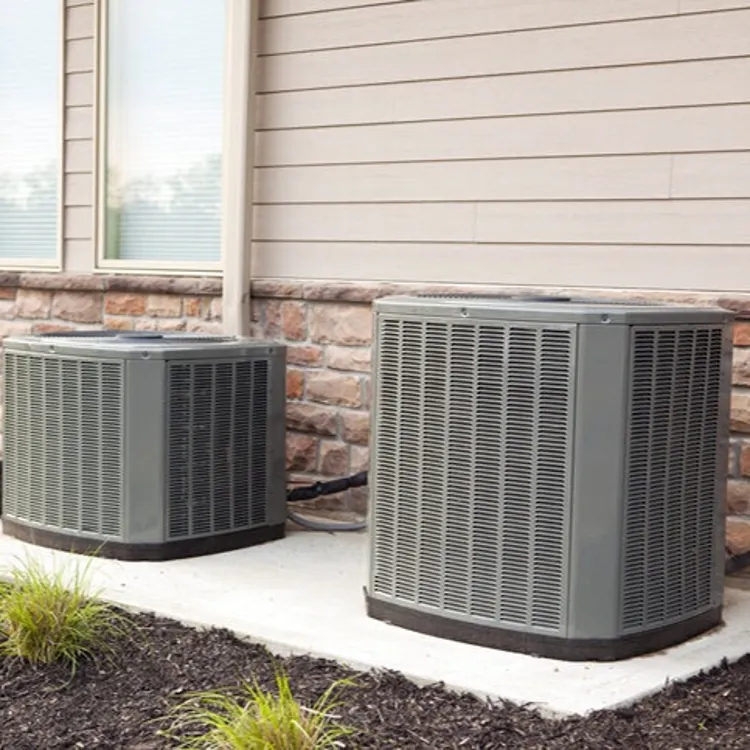
- Gentle humming: The outdoor condenser of your heat pump HVAC system will create a gentle hum during operation, usually coupled with airflow from the fan. This is normal, provided it’s not noticeably louder than usual under a given demand.
- Clicking before startup: You may hear a click before your system turns on to provide hot or cold air to your living space, which is totally normal. This signifies that your system is calling for power and turning on. However, it could be an issue if you notice a click followed by a delay and then another click. This could suggest an issue with electrical components.
- Soft whooshing: A soft whooshing noise when your system turns on is also usually normal. It’s the sound of your indoor air handler delivering conditioned air to your living space. If you notice that the sound never stops, or that it’s much louder than normal at a given outdoor temperature, you may have an issue with your indoor unit.
- Rattling or banging: Rattling or banging during startup or throughout operation is never normal with a heat pump. These noises suggest that there’s a loose component somewhere, and ignoring the sound could lead to more severe damage to moving parts. In some cases, the solution is as simple as tightening the screws on the sheet metal casing, while in others, it could suggest you have more severe problems.
- Grinding noises: Grinding noises usually indicate that a motor or moving component has worn down and needs servicing. With a heat pump system, it usually means the blower motor or the evaporator if you mostly hear the noise inside, or the condenser if you hear the noise predominantly outside.
- Hissing sounds: Hissing sounds as your unit shuts off or turns on can be normal, but only if they last for a second or two. If you notice the sound for longer, it usually suggests you have an issue with your refrigerant lines. You could have a leak, or you might have an issue with pressure regulators.
It’s important to pay attention to your heat pump noises and be on the lookout for changes. Some noise is normal and expected, but you might need a repair or replacement for your heating and cooling system if the noises last longer or sound different than usual, or if you notice noises you’ve never heard before.
Heat pump defrost noise vs. problems
The condenser coil, which is located in the outdoor unit, can freeze over in certain conditions, specifically when the outdoor temperature is below or near freezing, when the unit has been providing heat for some time or when the outdoor humidity is high. These conditions can cause the condenser coil to freeze up, triggering your heat pump to go into defrost mode.
Heat pumps can make some unique noises when they enter and come out of defrost mode because they need to reverse operation to thaw the coils outside. It’s important that you understand the potential noises and be able to identify them.
- Whooshing: Your system may continue blowing air during the defrost cycle to thaw the condenser coil, so the whooshing noise you associate with normal operation could continue, even if the air coming out isn’t hot.
- Rushing water noises: You might notice the sound of water rushing during the defrost cycle, which is usually just refrigerant traveling through your lines. There’s minimal water involved in your heat pump’s operation, so you don’t need to worry much about major leaks. However, it’s worth checking your condensate lines for clogs and leaks.
- Clicking: Clicking from your indoor or exterior unit is normal, as the reversing valve changes the direction of refrigerant through your system.
- Humming: Gentle humming is a normal sound for heat pumps to make during operation and during defrost cycles.
- Hissing: Hissing sounds during cold weather or when you switch from cooling to heating are usually just indicative of normal refrigerant line operation.
All of these noises can last for 10 to 15 minutes while your HVAC system works to unfreeze itself. If noises persist, call an HVAC professional for help. Note that defrost cycles can occur every 45 to 90 minutes in temperatures below 35 degrees (F), especially if humidity is high.
You should also call in a pro if you notice that your heat pump doesn’t start providing heat in a timely manner, if your air handler keeps blowing cold air in the winter or if you notice frost or ice on your outdoor unit.
Steps to troubleshoot heat pump noise
Knowing why your heat pump is making loud noises is a good first step toward a solution, but you should also know what steps to take to minimize damage and get a permanent fix in place. Here’s a quick DIY guide to troubleshoot and figure out if you need to call a professional.
- Check your filters: The simplest DIY fix to heat pump noise is to replace your filters. This can instantly reduce load on your system and can, in many cases, stop the noise.
- Clear debris away from exterior units: Next, head outside and make sure there’s no debris within a foot of your outdoor unit on all sides. Trim back vegetation and clear away any debris that’s nearby.
- Inspect for ice: While you’re outside, look through the slats in the exterior casing at the coils. If there’s ice on them, shut your system off and let it defrost. Unfortunately, you’ll likely need a professional to come in for service, as ice accumulation often means your system’s defrosting process isn’t working properly.
- Tighten exterior panels: Check the panels around the exterior of your unit and tighten any loose screws that could be causing a buzzing or rattling sound.
- Check for level: Use a level to make sure your outdoor unit isn’t imbalanced. This isn’t common, but it could be an issue if you have a gutter leak, if a nearby tree’s roots are compromising your unit or if you recently had heavy machinery passing by your condenser.
- Confirm thermostat settings: Next, check your thermostat settings. Make sure you’re in the right mode and that you have your temperature set to a reasonable level to prevent overworking your system, which could lead to unusual noises.
- Reset and test: Finally, reset your system by turning off your unit, shutting off the breaker that delivers power to your AC and waiting five minutes before turning the breaker and the unit back on. Test your system after your DIY diagnostics and simple fixes to see if the noise persists.
If the problem persists, or if you believe the issue is related to interior components or any electrical components, call a professional HVAC technician in for an inspection and a repair. Explain the noise to them and any issues you’ve had with heating or cooling. Make sure you call a pro who specializes in your type of HVAC system.
Heat pump loud noise: When to call a pro
There are some heat pump issues that are more severe than others and can lead to major damage if you leave them unchecked. If you notice any of the following noises or symptoms accompanying odd heat pump noises, shut off your unit and call a professional for an HVAC repair right away.
- Grinding or scraping: Any metal-on-metal sounds suggest that some internal component is damaged or malfunctioning. Continuous use will usually lead to worsening damage and may eventually require major component or total system replacement.
- High-pitched squealing: If you hear squealing noises from your heat pump, it often means there’s friction on a motor belt. This can lead to fire if you don’t address the problem quickly, and it also puts undue pressure on the motor, which can result in total component failure.
- Loud, continuous banging: Banging noises during operation may suggest that an internal component is completely loose, or that some debris is restricting moving parts. In either case, shut down your system and call in a pro for a fix.
- Continuous ice buildup: If our outdoor coils continue to freeze up, your system’s defrost cycle isn’t working as intended. Continuing to call on your heat pump can quickly burn out the system, potentially requiring total replacement.
- Short cycling: If you notice unusual noises coupled with your heat pump cycling on and off rapidly, you may have an electrical issue that could lead to fire or total system failure. Shut down your unit and call a pro right away.
- Noise accompanied by a loss of heating/cooling: Unusual noises are often a sign of a bigger issue if you also lose normal heat pump functionality. Continued heating or cooling under these conditions could do additional damage to your unit.
- Continuous issues with tripped breakers: A single breaker trip usually isn’t a sign of a bigger problem, but repeated trips are, especially when coupled with strange noises, like clicking.
- Any strange odors: The friction that can cause unusual heat pump noises can also produce burning odors in or around your home, and electrical issues can also produce the smell of burning plastic or rubber. For any problems accompanied by odors, shut your system down, disconnect it from power and call a professional immediately.
Ignoring heat pump noises that don’t signify normal operation, and especially neglecting your system if you notice any of these signs of a bigger issue, will almost always result in higher repair or replacement costs. Since heating systems have a lot of moving parts, problems tend to worsen over time and increase the risk of a breakdown.
Depending on your situation, you can call in a professional HVAC technician for a diagnostic test, use your home warranty for an HVAC repair if you have one or file a claim with your heat pump manufacturer if it’s still under warranty.
FAQ
What are the signs of a failing heat pump?
The most obvious sign of a failing heat pump is a lack of heating and cooling, especially in more extreme temperatures when demand is higher. You may also notice short cycling, which is when your unit cycles on and off rapidly, excessive clicking before your unit starts up or more severe issues, like frozen condenser coils outside, odd odors or unusual noises during operation.
What does a bad compressor sound like on a heat pump?
In most cases, banging, knocking or rattling can indicate a problem with your heat pump’s compressor. You might also hear squealing during operation, which could be coming from friction against the compressor motor’s belt.
Is it normal for a heat pump to make noise in cold weather?
Heat pumps go through a defrost cycle in colder weather, particularly when the temperature is at or below freezing or if outdoor humidity is high, and that cycle can come with some otherwise unusual noises, like whooshing, rushing water or even momentary hissing. However, if you hear banging or rattling, or if any of the noises continue for an extended period, call a pro for a diagnostic test.
How loud should a heat pump be?
Just like any other type of HVAC system, heat pumps make some noise during operation, so you may hear brief clicking before the unit turns on, the sound of whooshing air or gentle humming. If you notice other noises, or any of these noises become louder than normal indoor conversation, you should consider calling in a professional for help.
Article sources
ConsumerAffairs writers primarily rely on government data, industry experts and original research from other reputable publications to inform their work. Specific sources for this article include:
- United States Environmental Protection Agency, "Final Draft ENERGY STAR Cold Climate Heat Pump Controls Verification Procedure (CVP)." Accessed April 28, 2026.
- National Renewable Energy Laboratory, "BTO Peer Review: Quantifying and reducing defrost energy use." Accessed April 28, 2026.
- Oak Ridge National Laboratory, "A Critical Literature Review of Defrost Technologies for Heat Pumps and Refrigeration Systems." Accessed April 28, 2026.
- Erie Institute of Technology, "Complete HVAC Troubleshooting Guide." Accessed April 28, 2026.
- Department of Mechanical Engineering, The Pennsylvania State University, "Analysis of a Residential Heat Pump." Accessed April 28, 2026.