

Heat pump installation cost averages
The typical range for heat pump installation costs in 2026 is between $4,000 and $14,000, which would be for a standard air-source heat pump, the most common system type. “There are plenty of instances where a person might spend less than the lowest figure or more than the highest,” said Eli Zimmer, CEO of Luxaire HVAC Services, Inc., an HVAC company based on Long Island.
The service at this cost would include the following:
- Removal and haul away service for your old heat pump
- Installation of the new heat pump
- Test run to confirm proper functionality
If you don’t currently have a heat pump installed and instead have something like a split system, your HVAC installation costs will be higher, as you may need to budget for the following:
- A new concrete pad outside to house your condenser
- Modifications to your ductwork or new ductwork installation
- Thermostat upgrade to ensure you can control heating and cooling
- Efficiency upgrades to help reduce utility costs
- Gas line capping or oil tank removal/abandonment
Prices can vary widely based on the size of the system you need, which is measured in tons. “Typically, the larger the home, the more heating and cooling capacity you’ll need, which can increase the overall cost,” said Patrick Gambel, owner of General Heating & Air Conditioning, an HVAC company located in New Orleans.
You can also see cost fluctuations based on your location, lifestyle and the energy efficiency of your home’s windows, doors and insulation, to name just a few factors.
Heat pump cost by system type
The type of heat pump you choose for your home is the most important cost factor to consider, as you could easily pay double or triple the national average for specific types of heat pumps. The table below includes estimated price ranges from our experts.
| Type of heat pump | Typical cost range | Best for |
|---|---|---|
| Air-source | $4,000 to $14,000 | Most homes that have ductwork installed |
| Geothermal | $12,000 to $40,000+ | Larger properties and system longevity |
| Hybrid/dual-fuel | $8,000 to $25,000 | Homes in extremely cold climates |
| Mini-split | $2,000 to $12,000 | Homes without existing ductwork |
Air-source heat pump installation cost
Air-source heat pumps cost between $4,000 and $14,000, according to our experts. This is the most common type of heat pump, as it provides both heating and cooling in a single package for year-round energy efficiency.
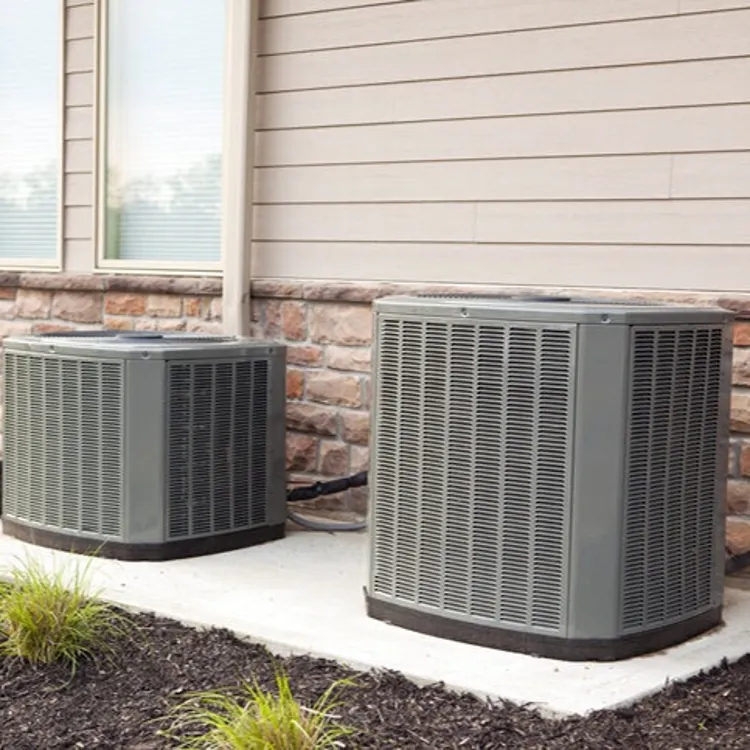
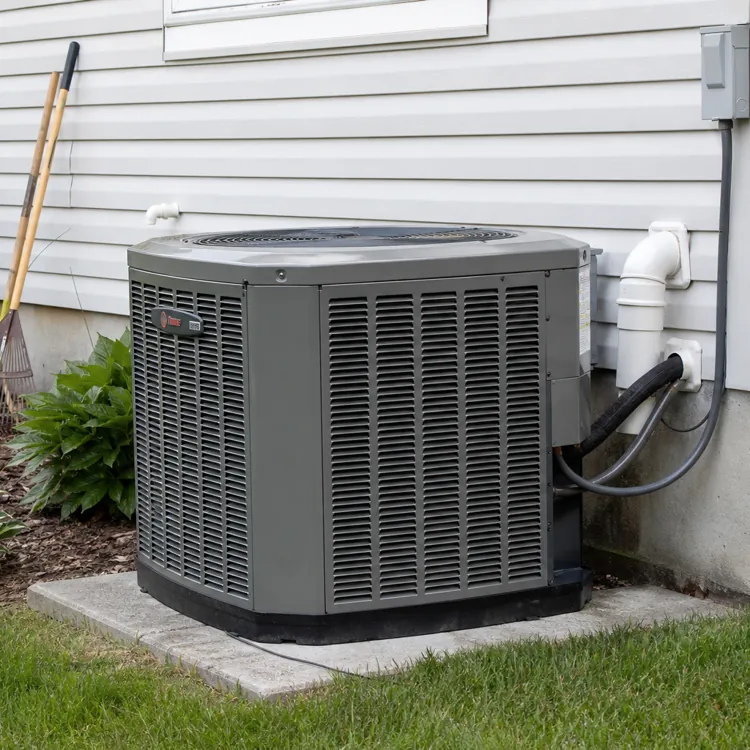
These systems require an indoor evaporator coil and air handler, as well as an outdoor condenser. They require ductwork, so they’re a common replacement for split HVAC systems when homeowners want improved efficiency and lower utility bills. According to Zimmer, installation costs can go up by $2,000 to $12,000 if you also need to install ductwork.
The biggest cost factor for air source heat pumps is the tonnage you need. Larger and less efficient homes need greater heating and cooling output, which will increase material and labor costs.
Geothermal heat pump installation cost
Geothermal heat pump installation costs between $12,000 and $40,000, according to our experts, although the price can climb even higher. Geothermal heat pumps are most appropriate for large properties because of the buried heat transfer loop, and they can do well in extreme climates, where air-source heat pumps may not be able to keep up with demand.
Geothermal heat pumps need an evaporator coil and an air handler inside as well as a condenser outside. However, they also need an underground loop, which requires large-scale excavation that adds significantly to the labor cost. Geothermal heat pumps use ductwork to distribute conditioned air, so budget an additional $2,000 to $12,000 if you don’t have ducts.
The biggest cost factor for geothermal heat pumps is the ground loop. A large portion of your total will go toward excavation costs to install the loop, and they can vary based on whether you want a vertical loop, which requires a small but very deep well, or a horizontal loop, which requires a shallow but spanning trench.
Hybrid/dual-fuel HVAC system installation cost
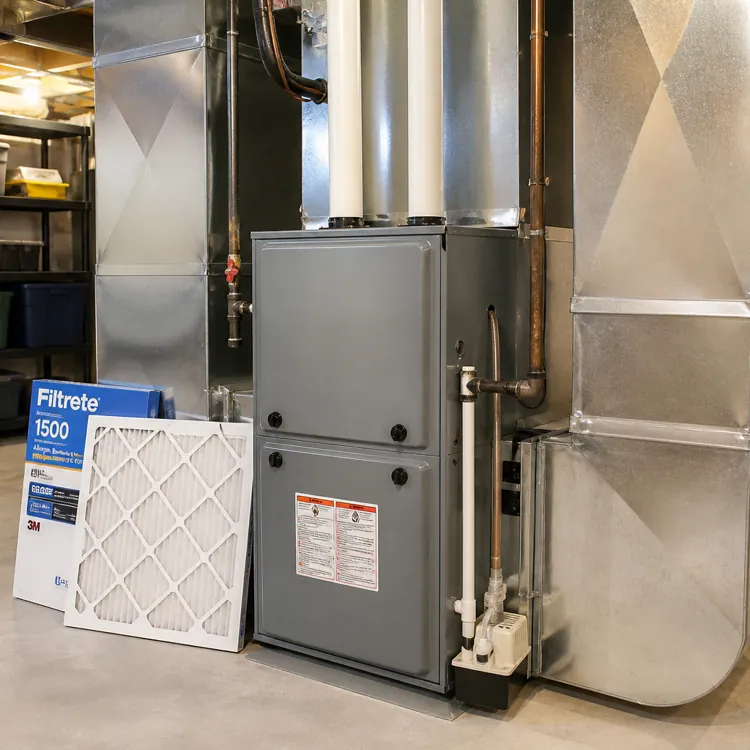
Hybrid or dual-fuel HVAC systems include a heat pump that provides a high level of efficiency throughout most of the year, but they also feature a more traditional furnace or boiler that can take over and provide sufficient heat even in very low temperatures. As such, these systems are most popular in extremely cold climates.
Since you need both a heat pump and a traditional heating system, you can expect to pay between $8,000 and $25,000 for a dual-fuel system. While the upfront cost is high, you get the benefits of sufficient heat even in the coldest of temperatures as well as improved energy efficiency throughout most of the year.
The biggest cost factors for this type of HVAC system are the size of your home and the size and efficiency of the furnace or boiler you install alongside the heat pump.
Mini-split installation cost
Mini-split installation costs between $2,000 and $12,000, according to our experts. Mini-splits are a type of air-source heat pump, but instead of using a centralized system, they couple one or more outdoor condensers with multiple indoor, wall-mounted units. The indoor units act both as an evaporator coil and an air handler.
Mini-splits are best in homes that don’t have ductwork installed, such as homes that use boilers for heat and don’t have central AC. You’ll save up to $12,000 on retroactive ductwork installation as compared to installing a centralized air-source heat pump. They’re also great for improved comfort and energy efficiency, as you often have a separate zone for each room or main area.
The biggest cost factor to consider when installing mini-splits is the number of zones you need. Each indoor unit serves just a single room or small section of your home, so more zones mean more units and higher costs. You can usually couple multiple indoor units with one outdoor condenser, but most homes require multiple condensers, too.
Heat pump installation cost factors
Heat pump installation costs can range widely, from $2,000 up to $40,000 or more. The type of heat pump you want is the biggest cost factor, but there are some other things that can affect your pricing.
Home size and system capacity
The size of the heat pump you need, measured in tons, is a major cost factor that can swing your total up or down by thousands of dollars. Your HVAC installer should perform a Manual J calculation to size your heat pump properly, which takes all of the following into consideration.
- Your home’s square footage
- Ceiling height
- The quality of your insulation, windows and doors
- The climate in your area
- Environmental factors on your property, like shading and sun exposure
- Ductwork losses and inefficiency
Bigger homes with more space to heat and cool will either need larger heat pumps or more mini-splits, which will drive costs higher. Less efficient homes will either need efficiency improvements or more capable and more expensive heat pumps to compensate.
System capacity mostly affects material costs, but labor costs can increase with home size, too, as your pro is more likely to have longer spans to work across for wiring and ductwork connections.
Efficiency rating and features
The efficiency rating of your heat pump is a crucial factor as well. More energy-efficient heat pumps come with higher material costs, but they can provide savings over time on heating and cooling bills, potentially making them worthwhile. There are a few efficiency ratings you should understand when comparing these types of HVAC systems.
- EER and EER2: EER stands for Energy Efficiency Ratio, and it measures how much energy a cooling system uses for the amount of energy it consumes. EER2 is a more modern rating that considers performance under conditions closer to what a system would see in the real world.
- SEER and SEER2: SEER stands for Seasonal Energy Efficiency Rating. It’s similar to EER, but it measures efficiency throughout a cooling season. SEER2 is similar to EER2 in that it uses testing conditions closer to what the system will operate in in the real world.
- HSPF and HSPF2: HSPF stands for Heating Seasonal Performance Factor. It’s like SEER, but it measures the efficiency of a heat pump when providing heating rather than cooling. HSPF2 uses real-world test conditions
- COP: COP stands for Coefficient of Performance, and it measures the rate of heating compared to electricity consumption. This rating is most common with geothermal heat pumps.
Ductwork repairs, installation or replacement
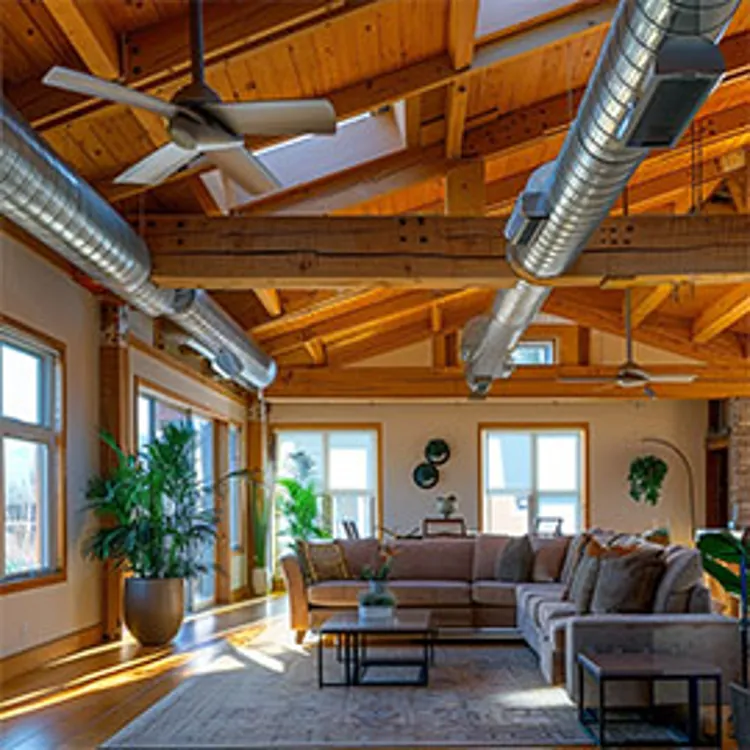
With the exception of mini-splits, heat pumps use an air handler to distribute heated and cooled air throughout the home, which means they require ductwork to function. If you don’t have a centralized cooling system or a furnace, expect to pay an additional $2,000 to $12,000 to install or replace ductwork in your house, according to Zimmer.
Even if you do have ductwork, it’s a good idea to have your HVAC professional inspect your ducts to make sure they’re functioning properly. According to the Department of Energy, 20% to 30% of heated and cooled air is lost to ductwork leaks in the average home, so repairing leaks can dramatically reduce your heating and cooling costs.
Electrical upgrades and refrigerant lines
Heat pumps use electricity to move heat between the exterior and your home’s interior. While they cost less to operate for most homeowners, they also use more electricity than a furnace or boiler for heating. As such, you might need to budget extra to install a subpanel for your heat pump, or to upgrade to 200-amp electrical service if your home currently has 100-amp service.
Additionally, you may see higher heat pump installation costs if your professional needs to run refrigerant lines over longer distances. If you have a lot restrictions or want your outdoor condenser in a specific spot, you might need to pay more to run lines between your condenser and your indoor evaporator coil. Longer distances can dramatically increase costs.
Permits and disposal fees
Most municipalities require permits for HVAC replacements and installations, so you should ask your professional how much a permit will cost in your area. You can also check your local building department’s permit fee schedule for permit fees related to HVAC replacement or significant changes to mechanicals.
Most HVAC companies will include the cost of removing your old equipment, but some may charge extra for the service. Confirm upfront before hiring, and make sure to budget separately for disposal fees if your company doesn’t include haul-away services.
Location and added labor costs
According to our experts, between 25% and 50% of your total HVAC installation costs will go toward labor when installing a heat pump, which means an average of between $2,000 and $7,000. There are many things that can make your heat pump installation take longer or cost more.
- Limited access to your installation site due to cramped utility rooms or location in a crawl space or attic
- Ductwork installation or significant modifications
- Excavation for geothermal heat pump loops, especially where soil conditions make the work more time-consuming or more challenging
- Location in an extreme climate, which requires more capable equipment that costs more
- Location in an area with an above-average cost of living, as this usually translates to higher labor costs
Heat pump quote checklist
You should aim to get three or more estimates from local HVAC companies when pricing out a heat pump system so you can compare. Here are a few key things to pay attention to on the estimates to rule out disreputable companies and find the best value possible.
- Standard work: All heat pump installation estimates should include disconnecting your old system, installing the new heat pump and testing the unit for proper functionality.
- Add-on work: Check your estimates for additional work, which some companies include in their total. These include hauling away your old equipment and making modifications to existing ductwork.
- Optional accessories and upgrades: Some companies may recommend upgrading your thermostat, making repairs to your ductwork, installing air purifiers or installing a subpanel to support your new HVAC unit. Make sure you note which companies charge extra for these services so that you can compare quotes apples-to-apples.
- Timeline expectations: Your HVAC installer should include an estimated timeline for project completion, which may or may not include delivery timeframes for equipment.
- Warranties: You should always get the manufacturer’s warranty for your new heat pump, but check to see if your installer offers a labor warranty as well. Check for information on extended HVAC warranties, too.
- Material specifications: Make sure your estimate includes model and serial numbers for your new heat pump so you can compare quotes based not only on cost but also on the quality of equipment you’re getting.
- Notes on system sizing: Reliable HVAC pros will perform a Manual J calculation before recommending a system size. Your invoice may include documentation for the calculation so you can see why the suggestion makes sense.
- Pricing breakdown: HVAC estimates should be transparent and clearly state how much money is going toward equipment and how much is going toward labor.
- Details about incentives and rebates: The best HVAC professionals will file for or include information about rebates, tax credits and other incentives, and some will include discounts and information on other perks on your estimate.
- Notes on efficiency ratings: Your estimate should clearly state efficiency ratings for your equipment or at least mention the model number so you can clarify efficiency ratings yourself.
- Notes on payment: Your estimate should also include information on the payment schedule, payment type and any HVAC financing options that you and your representative discuss.
Some companies will include their HVAC license number on their estimate, but either way, you should confirm that the company you’re considering is properly licensed and insured. You can ask a company rep for the license number and a copy of the insurance binders for general liability and workers’ compensation insurance.
FAQ
What is the $5,000 rule for HVAC?
The $5,000 rule for HVAC is a rule of thumb that helps you decide if it’s more worthwhile to repair or replace your HVAC system. You take the age of your system in years and multiply that by the estimated cost of repair. If that number is larger than $5,000, then the rule suggests that a replacement, while more expensive, might be worthwhile.
Is there a federal tax credit for installing a heat pump?
Unfortunately, the federal tax credit for energy efficiency upgrades ended in 2025, so it’s no longer available. However, you may have access to other rebates and incentives from your state, your local municipality or your utility company. You can check the Database of State Incentives for Renewables and Efficiency (DSIRE) for more information on local perks.
How long does a heat pump last?
Heat pumps last for an average of 10 to 15 years before needing replacement. The lifespan depends on maintenance, climate in your area, the demand you place on your system, the type of heat pump you have and more.
Are heat pumps worth the investment?
Heat pumps are worth the investment in most cases because they’re significantly more efficient than many other types of HVAC systems. According to the Department of Energy, heat pumps can save $300 annually for the average home and up to $1,500 annually in extreme climates when compared to traditional heating and cooling systems.
Article sources
ConsumerAffairs writers primarily rely on government data, industry experts and original research from other reputable publications to inform their work. Specific sources for this article include:
- ENERGY STAR, "Duct Sealing." Accessed May 11, 2026.
- Internal Revenue Service, "Energy Efficient Home Improvement Credit." Accessed May 11, 2026.
- DSIRE, "Database of State Incentives for Renewables & Efficiency." Accessed May 11, 2026.
- International Association of Certified Home Inspectors, "InterNACHI's Standard Estimated Life Expectancy Chart for Homes." Accessed May 11, 2026.
- U.S. Department of Energy, "For Most Americans, A Heat Pump Can Lower Bills Right Now." Accessed May 11, 2026.