

Key insights
Banging, squealing, rattling and whistling noises each point to specific furnace problems, from dirty burners and worn belts to airflow restrictions and loose components.
Jump to insightConsider a DIY fix for minor rattling sounds and call in a pro to diagnose any other issues.
Jump to insightGas odors, repeated ignition bangs, electrical burning smells and visible soot require immediate furnace shutdown and professional inspection due to fire and carbon monoxide risks.
Jump to insightLoud furnace noises and their causes
All furnaces make some noise during normal operation, including soft hums and gentle whirring, but if the sound is new or particularly loud or distracting, you should try to figure out the underlying cause and determine if you need to schedule a service call or an emergency repair. Different sounds can indicate specific issues.
Banging or popping
You can sometimes attribute minor banging or popping noises shortly after your furnace kicks on to ductwork expansion. Ducts and ductwork joints are made predominantly of aluminum and steel, and these metals can expand and contract with dramatic changes in temperature. You may hear some minor popping as the metals heat up and expand when your furnace turns on.
If you notice unusual popping noises or sounds that are particularly loud, you’re more likely hearing the combustion of gases after a delayed ignition. This is more common in modern gas furnaces that don’t use a pilot light for ignition, in which case you may have dirty burners or a faulty ignitor delaying ignition.
A cracked heat exchanger is a much more serious issue that can cause more intense banging right after your furnace kicks on. In this case, the sound will come from the furnace itself rather than from the ductwork.
Squealing, screeching or grinding
Squealing and screeching are usually indications that the belt on your blower motor is slipping or rubbing. This is a minor issue at the onset, but it can quickly get more severe if you don’t get a solution in place quickly, as added friction can wear down the motor over time.
High-pitched squealing can suggest airflow restriction, which means your furnace is struggling to pull in enough air for clean combustion and burning. In some rare cases, whistling can result from severe airflow restriction in your ducts, which can put added stress on your blower motor over time and eventually require replacement.
If you hear grinding, you’re more likely dealing with a problem with the blower motor itself, in which case a tune-up is in order.
Rattling, vibrating or buzzing
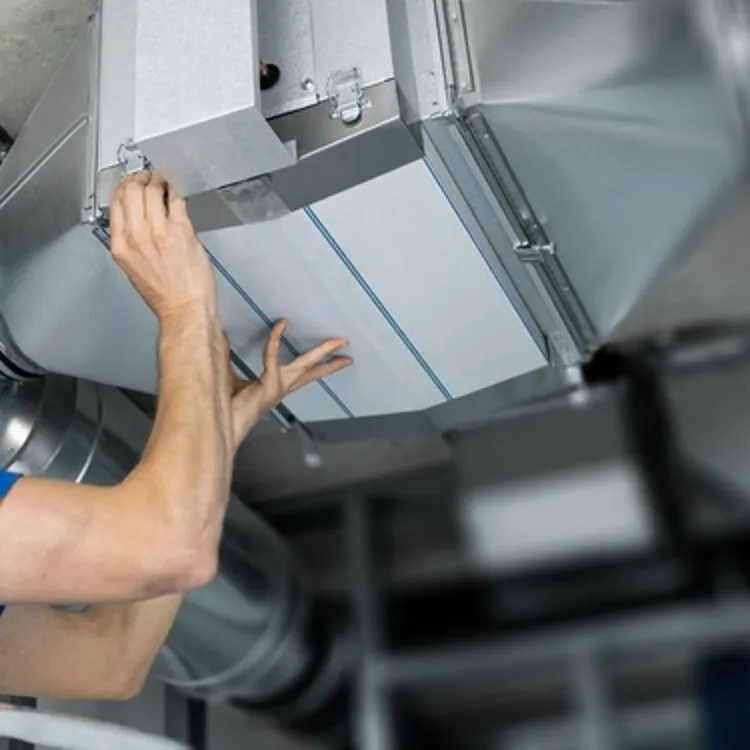
Rattling or vibrating noises from a furnace suggest a loose component, usually somewhere close to the blower motor in your air handler. It could be an access panel, in which case the noise is mostly harmless. You may be able to fix the issue yourself by tightening visible screws on outer panels.
Buzzing noises can sometimes result from similar issues, but they can also suggest electrical problems like failing capacitors or loose wiring. These problems can be severe and potentially lead to fires, especially if the noise is coupled with a burning odor. To be safe, you should have an HVAC tech come in to identify the underlying issue and implement a fix.
Whistling or hissing
Whistling or hissing noises can be challenging to diagnose because they can result from a variety of underlying problems:
- Restricted airflow to the combustion chamber
- Clogged burners
- Severely clogged air filters
- Leaks in your gas line
If you notice a sudden hissing sound coupled with the smell of gas, get everyone out of your home immediately, call 911 and then contact your gas company to report the issue. Even if you don’t notice any gas-related odors with the hissing, the issue could be related to your gas line, so call your utility provider or your heating and cooling company for emergency service.
Steps to troubleshoot loud furnace loud noise
Some furnace noises are totally harmless, but certain sounds from your heating system can suggest potentially deadly problems in the worst-case scenarios. You can take the following steps to figure out the source of the noise and implement a solution to keep you, your family and your home safe.
1. Call emergency services if you smell gas
First and foremost, it’s crucial to understand that gas leaks are a true emergency. If you hear hissing sounds and smell natural gas or propane, which usually smells like rotten eggs, leave the house immediately. Dial 911 to report the issue, and then call your natural gas provider.
2. Try to determine the underlying cause
If you don’t smell gas and you’re not dealing with a hissing noise, you can instead try to figure out what’s causing the noise. Head to your utility room to determine if the noise is coming from your furnace, your air handler or the ducts. You can use the following tips for help.
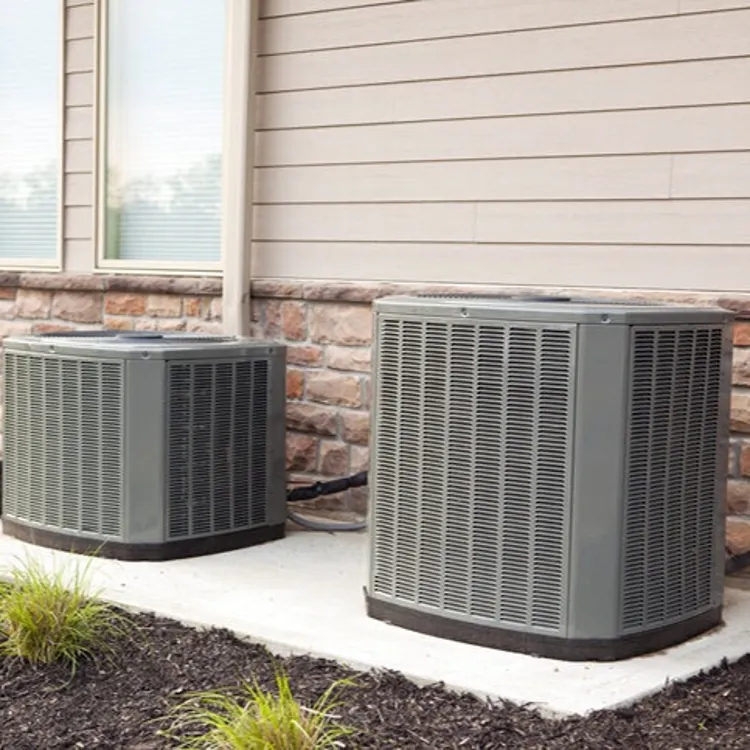
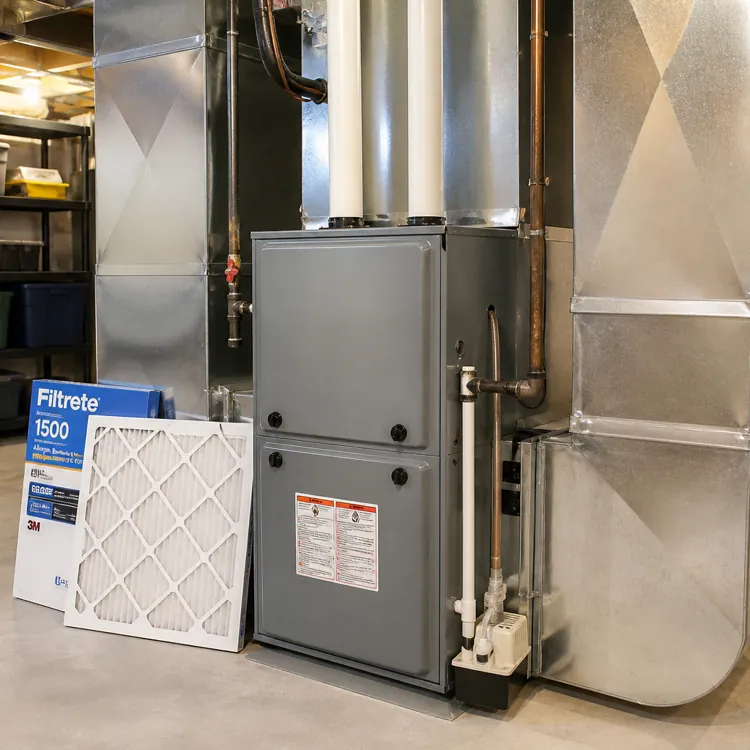
- Furnaces are usually vertical boxes, while air handlers can either be vertical or horizontal. If you have two boxes and one is vertical, that one is usually the furnace.
- Furnaces are almost always in utility rooms, basements or crawl spaces. Air handlers can be located nearby, but they can also sit in your attic. If you have a unit in your underhome area or your utility room and another in your attic, the former is usually your furnace.
- Air handlers often have large fan blades that are visible through grates.
- Furnaces require a connection to a gas line, which is a thick, black iron pipe that exits through your foundation or an exterior wall to connect to the supply line in the street.
- Furnaces require ventilation, so they’re either connected to a chimney or a flue, which is a metallic pipe that exits directly through an exterior wall.
Once you know which component in your HVAC system is causing the noise, you can use the explanations above to try to figure out the underlying issue.
3. Shut off your furnace if the noise sounds dangerous
If you notice puffing sounds, loud banging sounds or hissing noises, even if you don’t smell gas, consider shutting off your furnace to avoid ongoing damage. These sounds usually relate to problems with your burners or the heat exchanger, and they can get worse with ongoing use. Flip the emergency switch and call an HVAC technician for help.
4. Try a DIY solution
In some cases, a furnace that’s making loud noises may require a quick fix that you can carry out yourself to save time and money.
- Rattling or vibrating: You can sometimes fix these issues yourself by tightening loose screws, especially if the sound is coming from your air handler. These noises usually result from loose access panels, so tightening visible screws can sometimes solve the issue.
- High-pitched whistling or screeching: If you notice a squealing noise coming from your air handler, you should call in a professional, but whistling or screeching around air vents usually suggests clogged filters. Simply replace your HVAC filters to see if the sound goes away.
- Minor popping noises at startup: Small popping noises when your furnace first turns on can result from minor gas buildup related to clogged burners. You can shut off the furnace and clean the burners yourself, but call in a pro if the cleaning doesn’t fix the issue.
5. Call in a professional
Most major furnace issues, and particularly loud furnace noises, require help from a professional. When you call your HVAC pro to report the issue, they may ask questions about the problem to ensure it’s not an emergency. Provide as much information as possible, particularly related to whether or not you still have heat.
Your HVAC pro should diagnose the issue, figure out the most appropriate course of action and offer an estimate for the work they believe is necessary. In most cases, help from a professional is well worth the money for safety and system longevity.
6. Monitor for ongoing issues
Whether you carry out a DIY solution or call in a professional for help, monitor your furnace or air handler for signs of ongoing issues. Listen for related noises and track gas bills and heating system performance as best you can to determine if the repair solved your issue.
Dangerous signs to watch for
Since furnaces involve natural gas or propane, and because issues can be life-threatening, you should understand how to identify if your furnace noises suggest a severe issue or demand emergency services. Here are some situations that require immediate attention.
- Gas odors: Any furnace issues that involve gas odors are emergencies. Leave your home, dial 911 and alert your gas provider.
- Electrical burning smells: Electrical burning smells can be just as dangerous as problems involving gas odors. Shut off your furnace and call a local HVAC technician immediately.
- Arcing noises: If you notice any noises that sound like electrical arcing, shut the emergency switch to your furnace and call an HVAC pro in immediately. Avoid turning your furnace back on, as it may result in an electrical fire or related issue.
- Carbon monoxide alarms: Carbon monoxide is a natural byproduct of burning fossil fuels, but accumulation in your home can be deadly. If you have a CO alarm that triggers during furnace operation, shut the furnace off at the emergency switch, leave the home, call 911 to report the issue and then call your HVAC technician for emergency service.
Furnace noise fixes and prevention
There are three primary avenues you can explore to fix furnace noises, depending on the type of noise you’re hearing.
- Emergency shut-offs: Any furnace noises related to gas leaks, like hissing noises accompanied by gas odors, will require emergency shut-offs. If you require an emergency disconnection, you’ll also need help from a professional to fix the underlying issue and to turn your gas back on.
- Non-emergency issues that require help from a pro: Some noises, like loud squealing, screeching, grinding or banging sounds, may not require emergency shut-off but do necessitate immediate help from an HVAC pro. Your local HVAC company may recommend shutting off power to your furnace to prevent further damage.
- DIY solutions: Vibrating or rattling sounds usually aren’t an emergency and won’t lead to ongoing damage to your system. An HVAC pro can solve the issue for you, but you may be able to save on service call fees if you can identify the problem area and tighten loose panels or components yourself.
The best way to avoid furnace noises and related issues is to schedule annual inspections and heating system tune-ups. Your HVAC tech should be able to identify issues with your furnace, lubricate moving parts and make repairs that can help prevent other furnace noises from occurring.
Another good preventative measure you can take is to replace your air filters every one to three months during the heating season. This will help reduce added strain on your system, which can prevent problems from occurring and HVAC repairs from being required in the first place.
FAQ
What does a failing furnace sound like?
A failing furnace can make loud banging noises just before it kicks on, or loud screeching or whistling noises during operation. These sounds can suggest problems like clogged burners, motors that are burnt out (or about to burn out) and restricted air flow that could result in permanent furnace damage.
Will my furnace burn down if it makes loud noises?
If you hear loud banging as your furnace starts up or hissing noises before or during operation, or you smell gas at any point, it could suggest that you’re experiencing a furnace issue that could lead to fire. If you suspect a gas leak, leave your home and dial 911. Otherwise, call an HVAC tech for an immediate repair if you believe you have a severe issue.
Should you be able to hear your furnace kick on?
Most furnaces make some minor sounds as they kick on, including minor popping or clicking noises, which result from electrical components turning on. However, if you notice loud banging noises, repeated popping before start-up or hissing noises, call an HVAC tech for a diagnostic to ensure your furnace isn’t at risk of breaking down.
How do I fix a whistling noise from my furnace?
Whistling noises from a furnace usually result either from friction on the belt in your air handler or from a severe blockage in your ducts. You can start by replacing your air filters, which may solve problems related to blockages. If the whistling persists, call in an HVAC tech for an inspection and repair, as the problem could be related to added stress on your blower motor.
Article sources
ConsumerAffairs writers primarily rely on government data, industry experts and original research from other reputable publications to inform their work. Specific sources for this article include:
- United States Department of Energy, "Furnaces and Boilers." Accessed May 12, 2026.
- Pacific Northwest National Laboratory, "Look for Signs of a Gas Furnace Backdrafting." Accessed May 12, 2026.
- United States Environmental Protection Agency, Office of Air and Radiation, Indoor Environments Division, "Protect Your Family and Yourself from Carbon Monoxide Poisoning." Accessed May 12, 2026.