

What does a home warranty cover for old appliances?
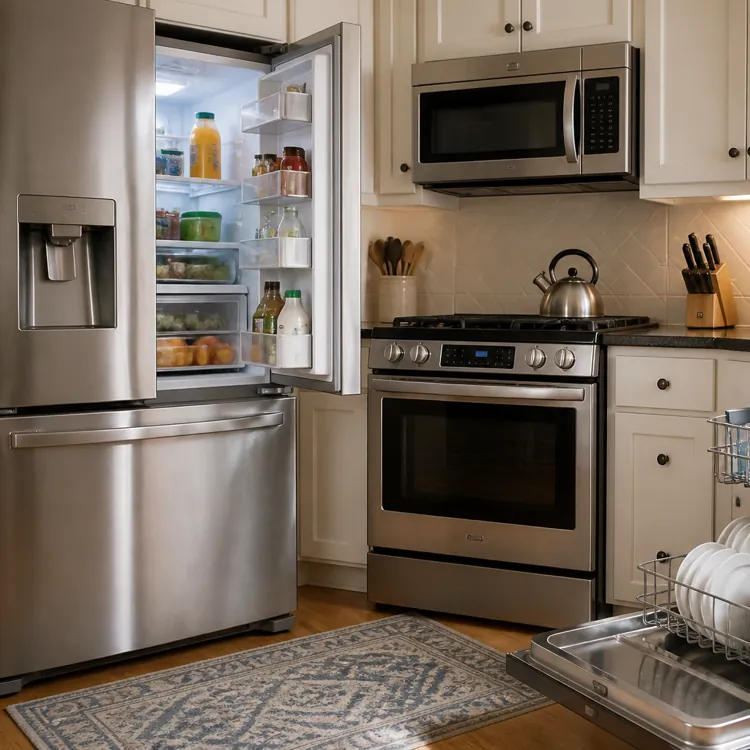
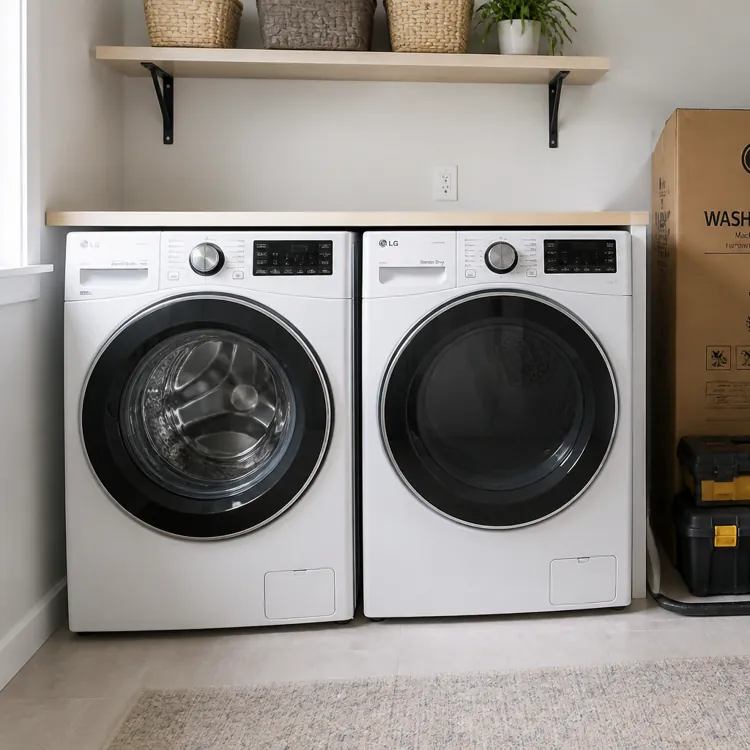
“The biggest misconception I see in real estate is that if an appliance is old, it’s not protected because of its age,” said Kristina Allan, a real estate agent in Las Vegas. Most plans cover essential household items, including refrigerators, dishwashers, ovens, washing machines, dryers and HVAC systems, provided they’re working when your policy begins.
Now, what “working” means varies by provider. Some companies will approve an appliance that powers on and runs through its cycles, even if it's a bit slow or makes some noise. Other providers want everything working perfectly. Get your provider's definition in writing before you commit, particularly if your appliances already show signs of age.
Brandon Beatty, owner of Southern Hills Home Buyers in Plano, Texas, said it pays to review your contract. “Some providers require proof of servicing history or exclude appliances once they reach a certain age threshold, impacting claim acceptance,” he warned.
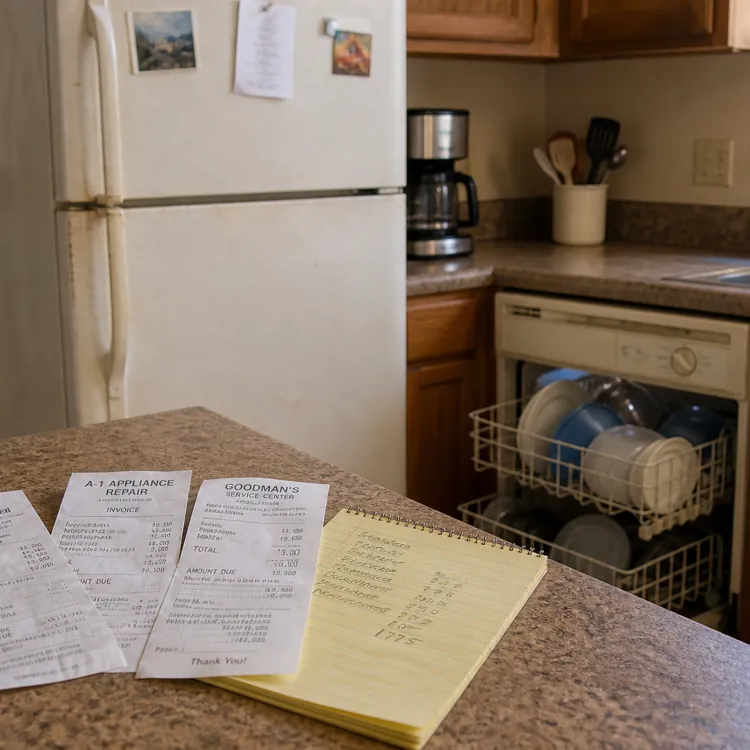
Tip: Before buying a home warranty, run each appliance through a complete cycle and document it with photos or videos if possible — like your dryer tumbling or dishwasher running. Keep receipts from recent repairs, too. If a provider questions whether a breakdown was preexisting, you’ll have proof that everything worked when coverage started.
What happens if an old appliance is already broken when you buy a home warranty?
Unfortunately, already broken appliances will not be covered by a new home warranty. If you submit a claim, it will typically end up with a claim denial. You likely won't have to do a home inspection to prove your appliances work (though certain providers may require it), but most warranties will not cover preexisting conditions.
Limitations and exclusions of home warranties
Allan often sees exclusions and caps trip up homeowners. Clients with high-end appliances think they’re getting full replacements when they break. Then the warranty check arrives — just a few hundred bucks. “I urge my clients to look at the warranty as a financial buffer rather than a guarantee,” she said.
Common exclusions
Expect these exclusions in most home warranty contracts:
- Structural parts
- Preexisting issues
- Natural disaster damage
- Damage from improper installation
- Cosmetic problems like dents or scratches
- Appliances and systems covered under the manufacturer’s warranty
- Outdoor items such as pools and septic systems (unless you pay extra)
For aging appliances, the list of exclusions can also include:
- Rust and corrosion
- Lack of maintenance or neglect that leads to damage
- Code violations
Companies use these to avoid paying for problems unrelated to normal appliance wear and tear. If you file a claim for something on this list, the company will deny it, and you’ll have to cover the full repair cost.
Coverage caps and limits
Even for covered items, coverage caps limit how much the company pays toward repairs. If your fridge repair costs $1,500 but your contract caps coverage at $1,000, you’re responsible for the remaining $500.
Check your contract’s coverage limits for major systems before you need service — especially for older, high-cost items. Beatty told ConsumerAffairs about a recent client whose AC repair bill came in at twice their policy’s coverage limit. “Knowing this upfront would’ve changed their warranty choice or repair plan,” he said.
How to maintain your appliances for warranty coverage
“Regular maintenance is crucial for maintaining coverage eligibility,” Beatty emphasized. Your contract may require routine tasks like these:
- Change HVAC filters every 30 to 90 days to prevent systems from working harder and wearing out faster.
- Clean refrigerator coils to keep compressors from overworking and failing early.
- Check plumbing fixtures for leaks to stop small drips from causing serious water damage.
- Vacuum behind appliances to prevent dust buildup that causes components to overheat.
- Schedule annual professional inspections for HVAC and water heaters to catch issues before they worsen.
“Keeping detailed maintenance records is key to validating claims, especially when the warranty provider requires proof of consistent upkeep,” Beatty said. Follow manufacturer maintenance schedules and save dated receipts from every service visit, filter change and professional inspection.
Companies use this documentation to separate normal wear and tear from neglect. For instance, a 14-year-old washing machine with service records will qualify for repairs. But companies may classify that same machine with clogged hoses and no maintenance history as neglect — and deny coverage as a result — and you'll likely still be responsible for paying a service fee. This is a nonrefundable charge you'll pay the technician to visit your home for a warranty claim.
Pro tipReport unusual noises, leaks or performance issues to your warranty company as soon as you notice them.
Delaying gives providers grounds to argue that you allowed a small problem to worsen into expensive damage. And with older appliances already facing extra scrutiny, waiting even a few days can mean the difference between an approved claim and a denied one.
What to do if your warranty doesn’t cover old appliances
“Changing providers could help when you want broader appliance coverage and fewer restrictions,” Allan pointed out. “Some are more generous in valuing aging products than others.”
But before making the move, research home warranty companies carefully. “Switching can work well if you compare premiums, claim approval rates, coverage limits and customer service responsiveness,” said Beatty. Look for companies that state they cover appliances without age restrictions, and review your current contract for cancellation fees.
Pros and cons of switching providers
| Potential advantages | Potential disadvantages |
|---|---|
| Higher coverage caps for expensive repairs | Waiting period creates a coverage gap |
| Access to better contractor networks | Cancellation fees up to a month’s payment |
| Plans designed for aging appliances | Administrative hassle of switching providers |
| Lower premiums or service fees | No established relationship with the new provider’s contractors |
Pro tipCalculate whether switching will save you money in the long term. Add up the cancellation fee, premium difference and potential out-of-pocket costs under coverage caps. “While a cheaper plan might look tempting, sometimes paying more for broader coverage or fewer age exclusions is more cost-effective long term,” Beatty said.
» RELATED: Canceling a home warranty plan
Comparing home warranties and homeowners insurance
People with older appliances often confuse what their homeowners insurance covers versus what a home warranty handles. “Knowing when to use a warranty or insurance depends on the cause of the issue,” Beatty said. Say a water heater suddenly leaks and floods your basement. Insurance would pay to repair the water-damaged floors and walls, while the warranty would cover replacing the failed water heater.
“Both work hand in hand to safeguard a home from two different threats,” noted Allan. This matters especially for aging appliances — you need home insurance for catastrophic events and a home warranty for the inevitable wear that comes with time.
Home warranties vs. homeowners insurance
The two types of coverage protect against distinct problems and work through separate claim processes, as detailed below:
| Home warranty | Homeowners insurance | |
|---|---|---|
| What it covers | Home system and appliance failures from normal wear and tear | Damage from natural disasters and unforeseen perils |
| Example coverage scenarios | 12-year-old refrigerator compressor fails, water heater element malfunctions, HVAC system breaks down | Storm damages HVAC unit, fire destroys appliances, property theft |
| Claim process | Call provider, pay service fee ($75 to $150) | File claim with insurer, pay deductible ($500 to $2,000) |
| Mandatory? | No | Yes, if you have a mortgage |
FAQ
Is a home warranty worth it for old appliances?
A home warranty can be worth it for old appliances if you’d rather pay predictable service fees than gamble on expensive repairs down the line. But if you have solid savings for home repairs or prefer choosing your own technician, the annual premium might not be worth it.
How do I file a claim with my home warranty provider?
To file a claim, contact your warranty company by phone or through its website and explain your issue. You’ll pay a service fee, then wait for an assigned technician to reach out and schedule your repair.
What happens if my appliance is beyond repair?
If your appliance is beyond repair, the warranty company should cover a replacement up to the limit outlined in your contract. You’ll pay the service fee and any costs above the cap, such as upgraded features and installation charges.
How long does it take to get a repair under a home warranty?
Repair timelines range from a few days to several weeks, depending on claim approval, technician availability and whether the technician has to order parts. Most policies have a waiting period before you can file claims, though home sale warranties often waive this.
Article sources
ConsumerAffairs writers primarily rely on government data, industry experts and original research from other reputable publications to inform their work. Specific sources for this article include:
- Arizona Department of Insurance and Financial Institutions, “Consumer Guide: Home Warranty Service Contracts.” Accessed Aug. 20, 2026.
- California Department of Insurance, “Home Protection Contracts.” Accessed Aug. 20, 2026.
- Federal Trade Commission Consumer Advice, “So what’s the deal with ‘home warranties’?” Accessed Aug. 20, 2026.
- Office of the Attorney General for the District of Columbia, “Consumer Alert: Home Warranties.” Accessed Aug. 20, 2026.
- Consumer Financial Protection Bureau, “What is homeowner’s insurance? Why is homeowner's insurance required?” Accessed Aug. 20, 2026.