


Types of hospital beds
You have plenty of options to choose from if you’re shopping for a hospital bed for your home. Medical beds are available in many sizes, styles and designs, with optional features like side rails and trapezes. Read about the different types of medical beds to better understand which best fits your needs.
Full-electric hospital beds
Much as it sounds, this type of bed moves electronically. The height can be adjusted up and down, and the head of the bed sits up and lays down. The foot of the bed can be raised to provide support behind the knees. All of these movements are controlled by a remote or buttons on the side of the bed. A fully electric hospital bed might be best for someone who has limited mobility.
- Bariatric hospital beds: This type of full-electric medical bed is specifically designed for heavier patients. These beds have higher weight capacities and accommodate wider mattresses.
- Extended care: Each area of these beds adjusts, which lets people using them elevate their feet above their head or set up the bed like a reclining chair. They work best for those with chronic conditions or those going through ongoing therapy after surgery.
Semi-electric hospital beds
The bed height on semi-electric beds adjusts manually with a hand crank instead of with a remote or button. The head and foot of the bed are still powered by electricity. This type of bed works well for people who are able to get in and out of bed on their own.
Manual hospital beds
The only way to adjust these beds is by using physical effort to move hand cranks and levers. These beds tend to be the most affordable since the head, foot and height of the bed do not require motors to move.
A manual hospital bed works well for people with a reliable caregiver who can attend to their needs 24/7 since they cannot make the adjustments themselves. These beds are also good for people looking for a hospital bed at an affordable price.
Our top hospital bed picks
We started out by considering more than 60 hospital beds currently available to purchase online. To narrow it down, we looked at each model’s average customer rating and the total number of reviews. We also compared hospital bed dimensions, weight capacities, prices and warranties to select our top picks.
Graham-Field Lumex Patriot LX Hospital Bed
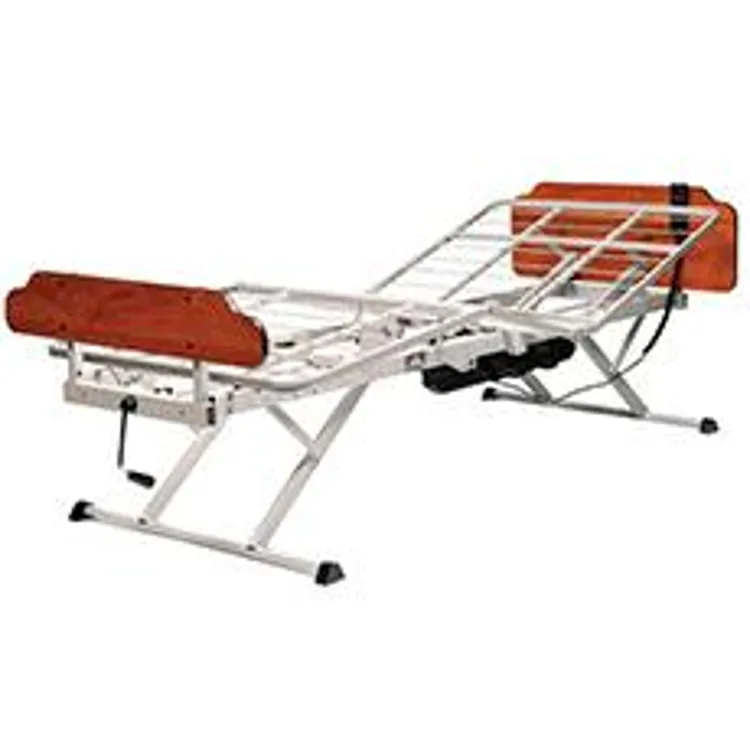
NOA Medical Light Hospital Bed
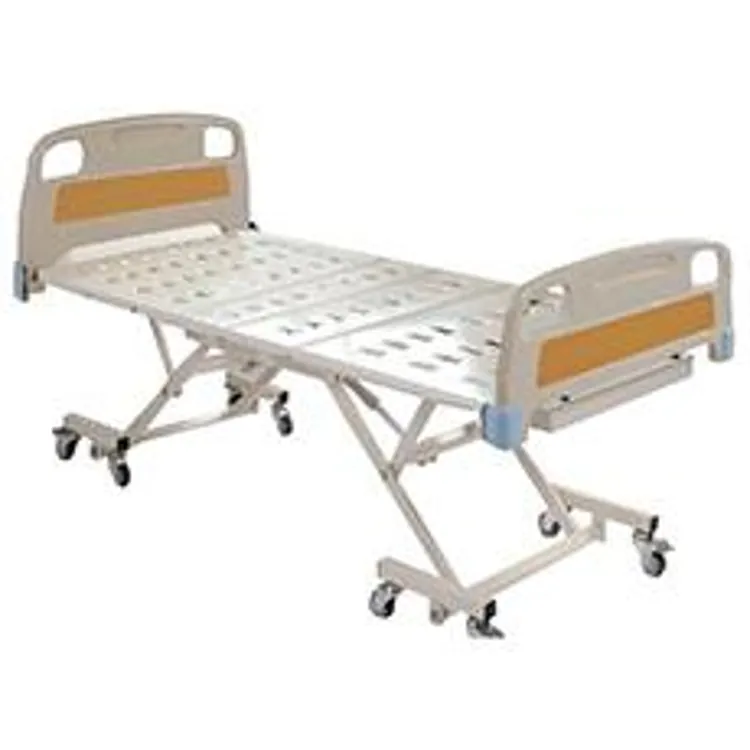
Invacare IVC Electric Bed Package
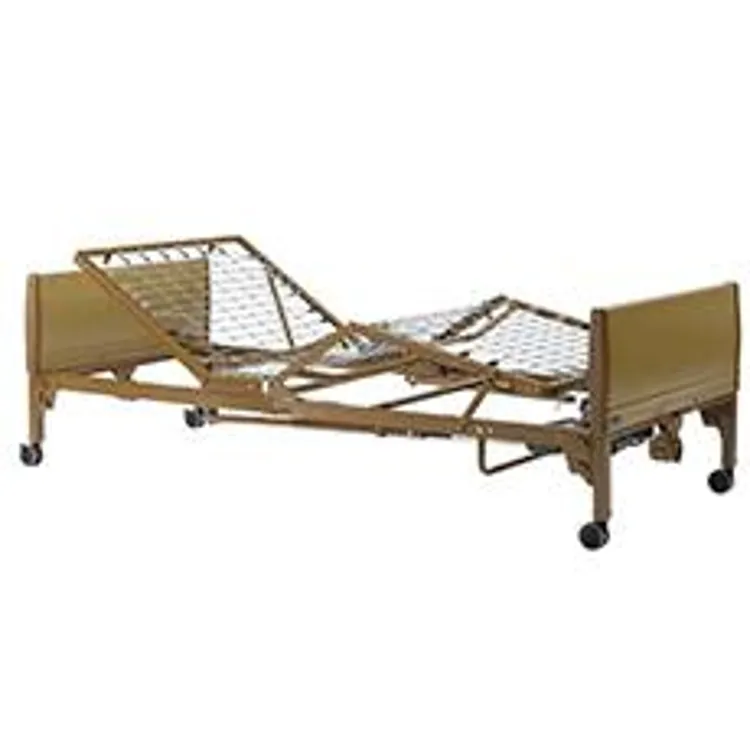
Drive Medical Electric Bariatric Bed
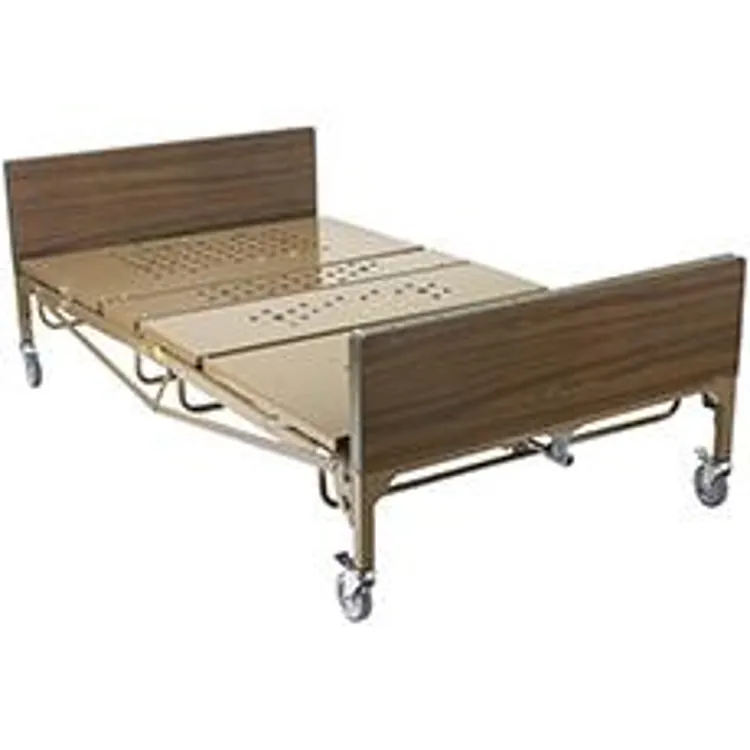
Invacare Etude HC Electric Homecare Bed
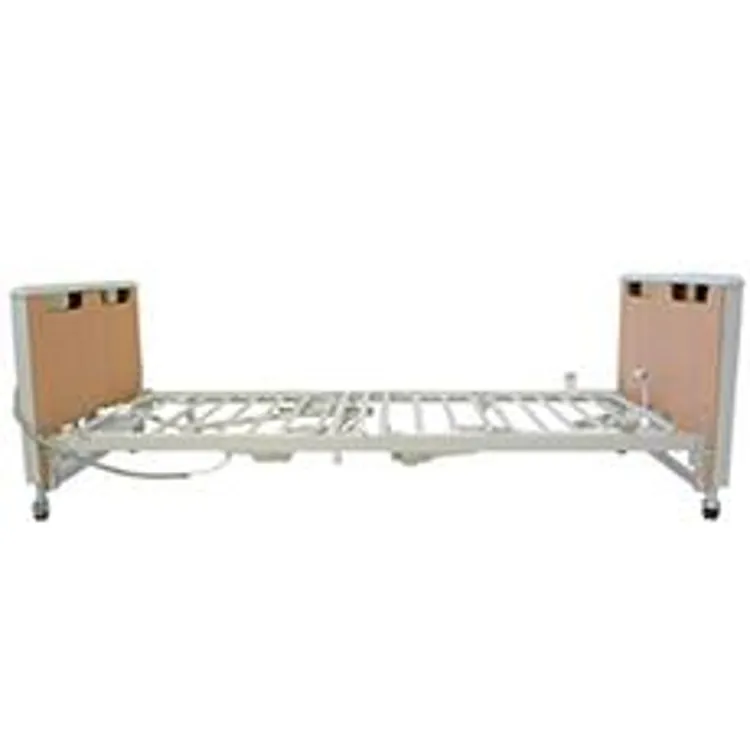
Span America Q-Series Rexx Bed
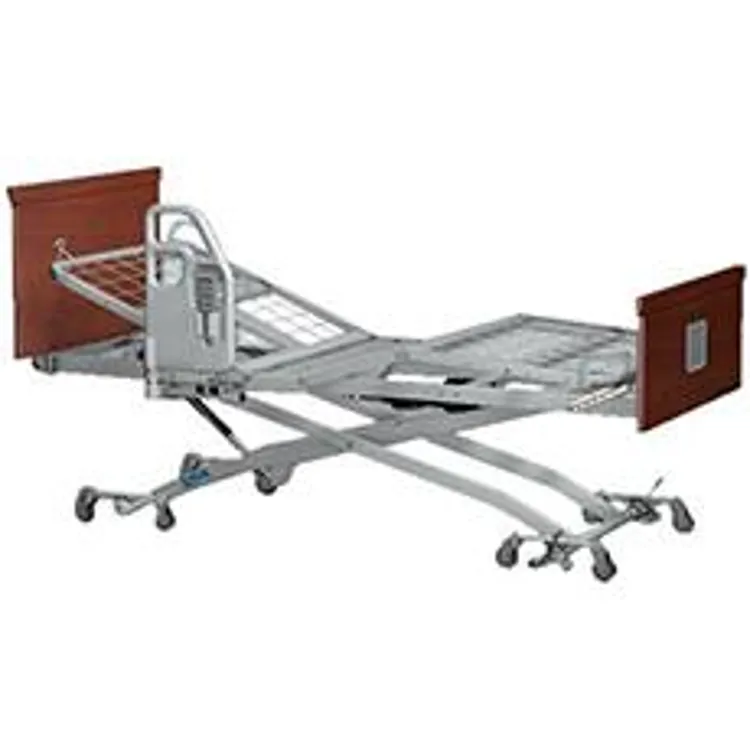
Medline Alterra 100 Hospital Bed
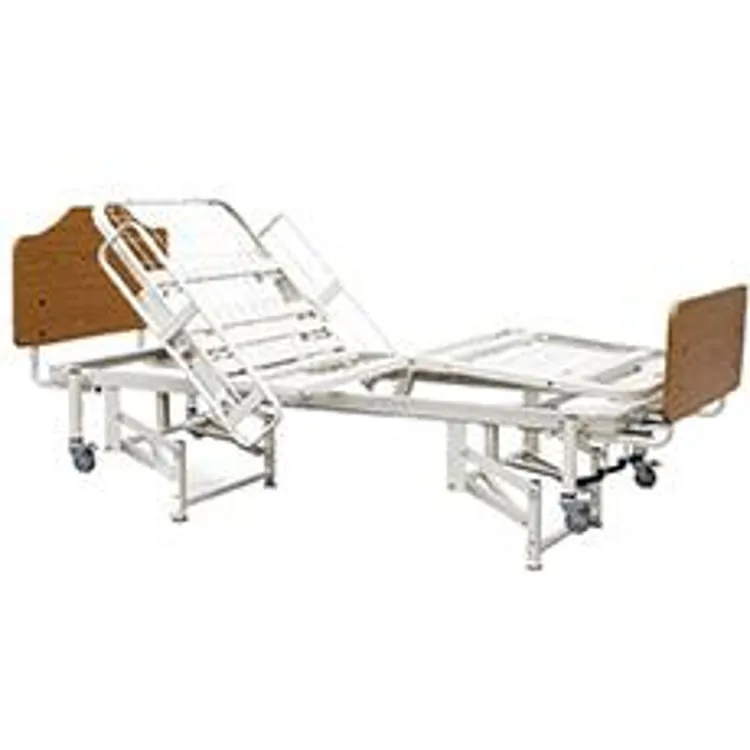
MJM International Low Bed with Headrest
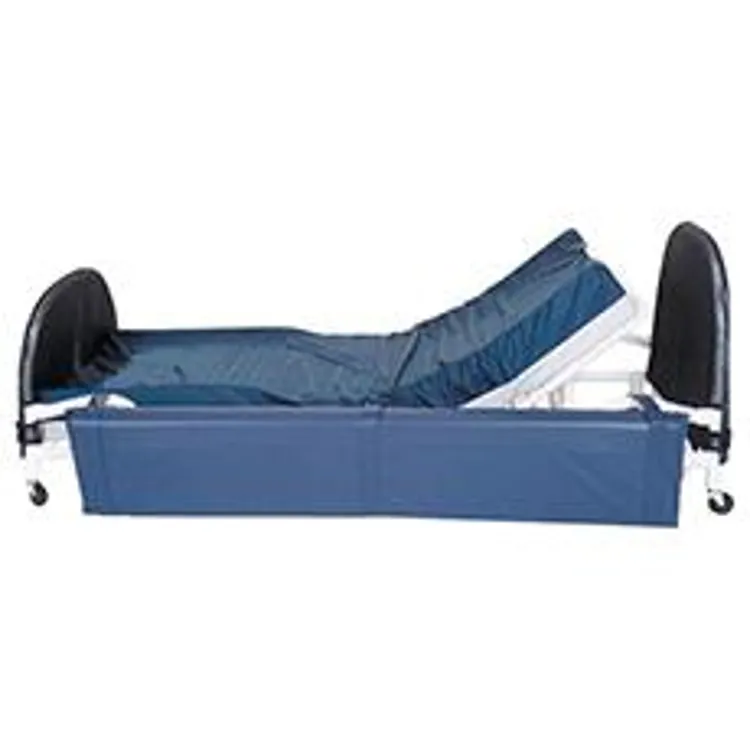
How to choose a hospital bed
Choosing the right hospital bed is more than a matter of comfort — it’s a matter of safety. There’s a fall risk anytime you get in or out of bed, so you want to make sure the hospital bed you buy has the features you need to keep you safe.
The right hospital bed largely depends on your condition and budget. For example, semi-electric hospital beds are less expensive than full-electric models, but they require more effort to move up and down. Here are six steps to help you select the right model.
- 1. Assess your medical needs
- When you’re choosing a bed, you need to consider your mobility level. Are you able to get in and out of bed by yourself? Are you able to adjust your position within the bed by yourself? Are you able to stand securely on your feet? These questions help you determine your mobility level and, ultimately, the bed features you need.
If, for example, you’re not able to easily adjust yourself within the bed, you may need a semi-electric or full-electric bed to adjust the bed into a Trendelenburg or an upright sitting position. Also, a typical hospital bed is built to accommodate up to 400 pounds with equipment. If you weigh more than this, then you need a bariatric bed that provides more support.
- 2. Consider how much time you will spend in it
- Think about how many hours a day you will spend in the bed. If it’s more than 15 hours, you want to ensure it’s comfortable and accommodates your specific needs. A full-electric bed is usually the best choice if you’ll be using it for the majority of the day.
You should also consider whether you’ll be using this bed temporarily or over the long term. Manual and semi-electric beds are designed for more short-term use.
- 3. Determine your budget
- Hospital beds can cost upwards of a couple of thousand dollars. Companies offer financing options and payment plans so you don’t have to sacrifice comfort or functionality — an important consideration if you’ll be using it long-term. Extended care and bariatric hospital beds tend to be the most expensive because they are fully electric and have extra support and functions.
- 4. Decide the features and accessories you want
- Some people feel safer with side rails to provide extra support. If you have seizures or move a lot while you sleep, you may also consider gap protection so you don’t get stuck between the bed and the sides. You might look for a bed with a built-in scale if you need to be weighed regularly and have limited mobility, and you should consider a bed trapeze to help you sit up in bed or transfer in and out.
You should also consider whether you want to purchase a new mattress. Most hospital beds don’t come with a mattress, so pay attention to the dimensions if you plan to use a mattress you already own.
- 5. Look at the warranty
- Hospital bed warranties can last anywhere from a year to a lifetime — it ususally depends on the bed component. Most bed frames and welds have at least a five-year warranty. Electrical and mechanical components typically have a one- to four-year warranty.
- 6. Ask about installation services
- Be sure to ask if the company provides installation services before you buy a hospital bed. Also, see if it offers routine calibration services and inspections to catch any problems before your bed requires a major repair.
Hospital bed FAQ
How much is a hospital bed?
The cost of a hospital bed ranges from around $500 to several thousand dollars. Hospital bed prices vary based on the type of bed and brand and whether it’s sold as a package with a mattress and rails or if you have to buy them separately.
For example, full-electric beds are more expensive than manual hospital beds. Semi-electric hospital beds are less expensive than full-electric models, but they require more effort to move up and down.
Where can I buy a hospital bed?
You can buy a hospital bed from a durable medical equipment (DME) retailer recommended by your doctor. You can also find electric hospital beds for sale from online marketplaces like Amazon. You may also be able to buy a hospital bed privately from local newspaper ads or Craigslist.
Will Medicare pay for a hospital bed?
Yes, Medicare pays for hospital beds. Medicare pays 80% of the cost for a hospital bed under Medicare Part B as durable medical equipment if your doctor prescribes it for in-home use. To find out how much your hospital bed will cost, talk to your doctor or health care provider.
Are hospital beds tax deductible?
Yes, you can deduct your hospital bed as a medical expense on your Schedule A form if your doctor considers the bed medically necessary. For it to be deemed medically necessary, your doctor must provide documentation that it alleviates or prevents physical or mental illness. Make sure to request copies of the documentation and get a receipt from your equipment supplier to file your taxes.
How long is a hospital bed?
A hospital bed is usually about 7 feet long. Most beds are 80 inches or longer.
How big is a hospital bed?
A hospital bed is generally about 3 feet wide and 7 feet long. They’re about the size of a twin mattress. Standard hospital bed dimensions are approximately 80 inches long and 36 inches wide. However, hospital bed sizes vary depending on the condition for which the model was designed.
How much does a hospital bed weigh?
A hospital bed can weigh anywhere from 40 pounds to more than 300 pounds, depending on the type of mattress and equipment it has. The average weight of a hospital bed is about 180 pounds.
Can you rent a hospital bed?
Yes, you can rent a hospital bed. It typically costs between $200 and $500 per month to rent one.
How do hospital beds work?
Hospital beds come with adjustable head and foot sections that raise and lower. The beds also have an adjustable height to reduce the risks of falls. Hospital beds adjust electrically with a compact motor or manually. They change positions by raising, lowering, elevating or reclining the frame.
Bottom line
Hospital beds are designed to help you rest, recover and heal after an injury. It’s an important purchase to make patients more comfortable and reduce the physical strain on caregivers. For many people, budget is one of the most significant factors that dictate the type of home medical bed they purchase.