


How does a first mortgage work?
A first mortgage is the initial loan a buyer takes to purchase a property. The loan is in the first position, meaning that if the borrower defaults, the bank forecloses on the property and the first mortgage is paid off before the proceeds from the sale are used for anything else.
Typically, a down payment is required, and the loan covers the rest of the purchase price. The amount of down payment required depends on what type of mortgage you get. For example, a conventional loan requires at least 3% down, while a VA loan doesn't require a down payment.
Monthly payments are typically required over a long period of time, usually 15 or 30 years. Each monthly payment covers any accrued interest for that month, and the remainder of the payment is used to pay down the principal of the loan.
If the property is refinanced, the first mortgage is paid off by the new loan. Borrowers may refinance to get a lower interest rate or to extend the length of the loan, thereby reducing the monthly payment.
First mortgage requirements
Different types of loans have different requirements for credit scores and down payments.
| Loan type | Credit score | Down payment |
|---|---|---|
| Conventional | 620 | 3% |
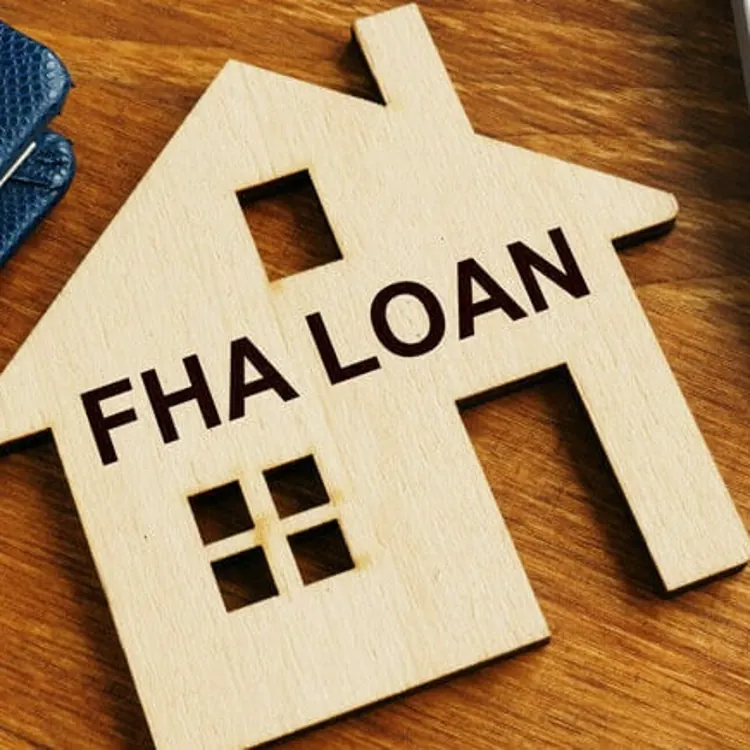
| Federal Housing Administration (FHA) | 500 with 10% down or 580 with 3.5% down | 3.5% |
| U.S. Department of Veterans Affairs (VA) | 620 | 0% |
| U.S. Department of Agriculture (USDA) | 640 | 0% |
Carl Holman, director of marketing at Foundation Mortgage, explained: “For a first mortgage, eligibility is determined by more than just a credit score. We look at the whole borrower profile, including income documentation flexibility, assets and property type.” Holman told us this approach allows borrowers who can repay but don’t meet conventional requirements to buy a home.
For a first mortgage, eligibility is determined by more than just a credit score."
The higher your credit score, the more likely you are to be approved, and with better terms. Someone with a credit score of 620 may get approved for a conventional loan, but they are unlikely to qualify for the best rates.
While the minimum down payment requirements are small, you’ll likely owe mortgage insurance if you put down less than 20%. Private mortgage insurance typically costs between 0.5% and 1.5% of the loan amount per year.
Also, the lower your DTI ratios, the more likely you are to get approved. A 45% DTI ratio means that 45% of your income is being used to make the minimum payments on your debts. The lower this ratio, the better loan terms you will qualify for. For example, you may qualify for a larger loan or better interest rates with a lower DTI ratio.
Each type of loan also has a maximum amount you can borrow. For single-family homes in the contiguous U.S., the limits are as follows:
- Conventional loans: $806,500
- FHA loans: $524,225
- VA loans: $806,500
- USDA loans: $419,300
Most loan programs set higher limits for homes in expensive areas, and jumbo loans are available for properties priced above those limits.
First mortgage and loan-to-value (LTV)
The loan-to-value (LTV) ratio is the amount of the market value of the property compared to the loan amount. For example, a $500,000 property with a $400,000 mortgage has an 80% LTV.
Making a large down payment will lower your loan-to-value, making you a more favorable borrower. Lenders use this ratio to help decide how much you can borrow and at what interest rate.
Lending companies also use it to help determine if you need to pay private mortgage insurance (PMI). If you have a loan-to-value of greater than 80%, you will likely be required to carry PMI.
Holman said: “Typically, the lower the LTV, the stronger the borrower’s equity position, which can translate to more favorable interest rates. That said, we also take into account the overall risk profile of the loan, credit history, income verification and property type — all factor into the final rate.”
First mortgage vs. second mortgage
A first mortgage is used to buy a property, while a second mortgage is a loan taken out against the equity of the property and can be used for any purpose. Popular uses for second mortgages are home improvement, debt consolidation, making large purchases or covering financial emergencies.
The property secures both loans, but the second mortgage is in the second position. This means that if the property is foreclosed, the first mortgage is paid in full first, and any leftover funds from the sale are used to pay off the second mortgage.
Because being in the second position carries more risk for the lender, the interest rates on second mortgages tend to be higher than on first mortgages. The main risk for borrowers is losing the property through foreclosure if they default.
» COMPARE: Top-rated finance companies for home loans
FAQ
How does a first mortgage payment work?
Each month, you make payments toward your first mortgage, which is always repaid before any other loans on the property. Payments cover principal and interest, and may also include taxes and insurance through an escrow account.
How much can you borrow for a first mortgage?
If you qualify, you can borrow up to 100% of the purchase price of the property for a first mortgage. Different loan types have limits on how much you can borrow. For example, as of publication, FHA loans will lend up to $1,724,725.
What is a new first mortgage?
A first mortgage is used to purchase a property. A new first mortgage could be used to purchase a new property, or it could be used to refinance an existing first mortgage.
What happens if you default on a first mortgage?
Defaulting on a first mortgage can lead to foreclosure, where the lender sells the property to recover losses.
Article sources
ConsumerAffairs writers primarily rely on government data, industry experts and original research from other reputable publications to inform their work. Specific sources for this article include:
- NASDAQ, “Understand the ins and outs of a first mortgage.” Accessed Aug. 20, 2025.
- Waterstone Mortgage, “How Much Does PMI Cost and How Do I Pay It?” Accessed Aug. 20, 2025.
- Consumer Financial Protection Bureau, “What is a loan-to-value ratio and how does it relate to my costs?” Accessed Aug. 20, 2025.
- Homestead Financial, “Understanding the Difference Between a First and Second Mortgage.” Accessed Aug. 20, 2025.
- U.S. Bank, “10 uses for a home equity loan.” Accessed Aug. 20, 2025.
- Fannie Mae, "Loan limits." Accessed Aug. 20, 2025.
- FHA, "2025 Loan lending limits." Accessed Aug. 20, 2025.
- Rocket Mortgage, “VA loan limits for 2025: What you need to know.” Accessed Aug. 20, 2025.