

Key insights
Guaranteed approval, upfront fees and unsolicited offers are the three biggest red flags.
Jump to insightAlways confirm that a lender is licensed in your state, and check for fake websites before applying.
Jump to insightProtect your Social Security number and banking details by only sharing information through secure, verified channels.
Jump to insight3 ways to spot personal loan scams
Scammers target people looking for personal loans by posing as legitimate lenders. Instead of giving you the funds you applied for, they steal your money or your identity and leave you worse off than you were before you submitted your loan application.
Here are three ways to spot personal loan scams so this doesn’t happen to you:
1. Guaranteed approval
Any lender promising guaranteed approval is an immediate red flag. Legitimate lenders will always review your application first and carefully check your credit before making an offer to thoroughly assess your ability to repay.
Scammers, on the other hand, often use language like “no credit check” or “100% approval rate” on their websites to lure in desperate borrowers. No matter how badly you need cash, avoid these offers since they might end with you losing money or personal information.
Avoid lenders that skip the credit check
Real lenders always check your credit before approval. Promises of “no credit check” or “instant approval” are signs you’re speaking with a scammer or a predatory lender.
2. Upfront fees
“One of the most common red flags that indicates a personal loan might be a scam is if there is an upfront or processing fee,” said Charlie Moore, chief consumer digital safety adviser at Aura. “Oftentimes, scammers demand payment before loan approval or disbursement, while real lenders deduct legitimate fees from your loan amount afterwards.”
Oftentimes, scammers demand payment before loan approval or disbursement, while real lenders deduct legitimate fees from your loan amount afterwards.”
So, be skeptical if a lender asks you to pay a fee before you get the loan. These scam fees could show up as processing charges or application fees that must be paid via wire transfer, gift card or cryptocurrency. Legit lenders charge fees like origination fees, but these are deducted from your loan after approval or built into repayment terms, not demanded upfront.
3. Unsolicited loan offers
“If you receive a cold call, email or text urging immediate action to apply for a personal loan, this should raise immediate concern,” Moore said. Scammers often use unsolicited offers to collect personal details or trick you into paying bogus fees.
In many states, lenders face restrictions on sending unsolicited loan marketing, so a random preapproved offer can be a sign that something’s off. If you receive one, ignore it, research the lender independently, and stick to trusted sources when you need to borrow.
Verifying lender legitimacy
Before taking out a loan and sharing any personal or financial details, make sure the lender is licensed to operate in your state. Most states require lenders to register with a regulatory agency, and you can confirm this through your state’s banking or financial services department. Legit lenders should be transparent about their licensing, address and contact information.
You’ll also want to watch out for red flags like vague loan terms or pressure to act immediately, since a trustworthy lender will give you time to review documents and answer your questions. “No credible lender will pressure someone to act immediately or provide personal details in an unsecure way before reviewing terms,” said Ronnie Allan, head of personal lending and consumer credit cards at PNC Bank.
“Scammers are increasingly creating fake loan websites that mimic legitimate lenders to steal personal information,” Allan added. In these instances, he suggests that you check for subtle misspellings in the company name, the website’s URL, strange email addresses or mismatched branding. “Most importantly, if something feels off, it probably is.”
Most importantly, if something feels off, it probably is.”
» FIND OUT: The warning signs of predatory lending
Protecting your personal information
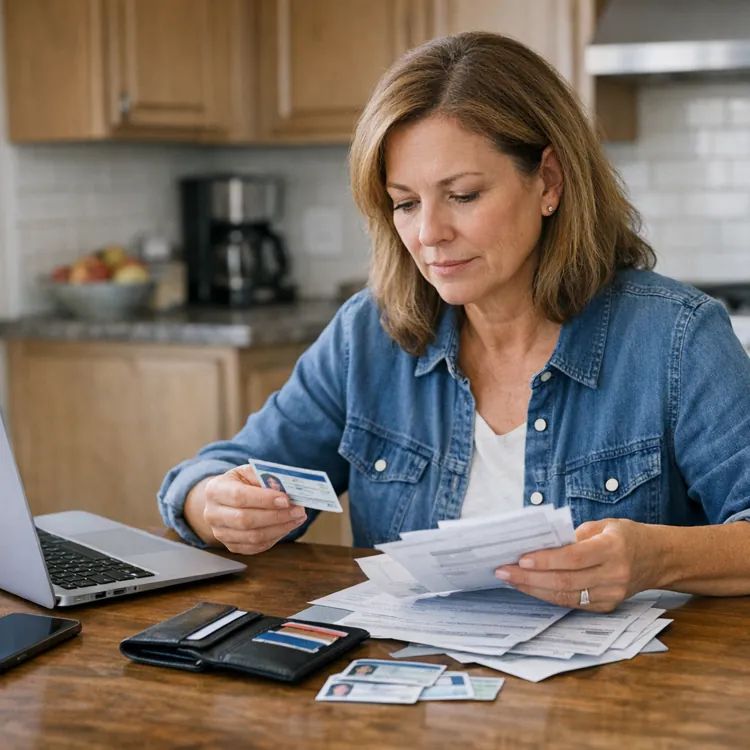
Scammers often try to get sensitive details like your Social Security number, bank account information or online banking login. They might pose as legitimate lenders, send phishing emails or use fake loan websites to trick you into handing over data.
To protect yourself, only share personal information with verified lenders through secure channels. Use strong, unique passwords for financial accounts, enable two-factor authentication and avoid clicking suspicious links.
If you think your data has been compromised, Moore suggested saving evidence like screenshots, emails or call logs. He said you should then report the information to the Federal Trade Commission (FTC) at IdentityTheft.gov to document the fraud and start the resolution process.
“Additionally, you’ll want to file a police report, especially if instructed to do so by your bank or lender,” Moore said. “Also, make sure to freeze your accounts and set a fraud alert on your credit reports.”
FAQ
How do I verify if the loan is legit?
To verify if the loan you’re applying for is legit, you’ll want to make sure the lender is registered in the states where it does business. You’ll also want to verify the loan company's reputation by reading customer reviews.
Make sure you watch out for red flags, like strange email addresses or a company that has no physical address.
What information does a scammer need to take out a loan?
You’ll typically provide information such as your full name, contact number and Social Security number when you take out a loan. Scammers can then use this information to commit identity theft, make unauthorized transactions or open fraudulent accounts.
How do you know if someone got a loan under your name?
You’ll know if someone has taken out a loan under your name if you check your credit report. This unauthorized loan will appear as debt on your credit report, and if it isn’t paid, it can lower your credit score.
If you’ve been a victim of fraud, inform the credit bureaus about your situation immediately and ask them to place a freeze or fraud alert on your account to prevent further fraud.
How can I report a personal loan scam?
If you’ve fallen victim to a personal loan scam, report it to the FTC via IdentityTheft.gov. You may also want to contact your state attorney general’s office or the Consumer Financial Protection Bureau. “In addition to filing these complaints, contact a trusted financial institution,” Allan said. “Most banks have fraud departments or customer protection teams that can offer advice and next steps.”
Article sources
ConsumerAffairs writers primarily rely on government data, industry experts and original research from other reputable publications to inform their work. Specific sources for this article include:
- Federal Trade Commission, “New FTC Data Show a Big Jump in Reported Losses to Fraud to $12.5 Billion in 2024.” Accessed Aug. 10, 2025.