


Personal loan basics
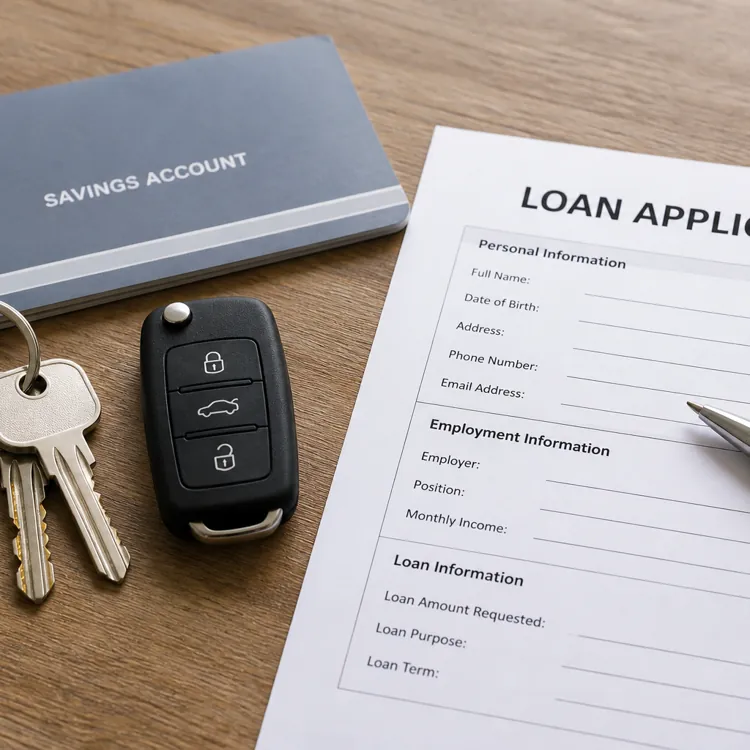
A personal loan is an unsecured installment loan that can be used for just about any purpose and ranges between $1,000 and $100,000. Loans are often offered for between 24 and 60 months, but some lenders may have longer terms.
“Typical personal loans feature fixed interest rates, repayment periods from two to seven years, and loan amounts from a few to tens of thousands of dollars.
“The loan approval process and rates will depend on the borrower’s credit score, income, and debt-to-income ratio,” said Elliot Schwartz, finance expert and CEO of credit-boosting program, Becca’s. “Loans typically come with fixed monthly payments, and most will charge some fee …”
A few lenders charge origination fees, which can be as high as 10% or more of the loan amount, but many lenders don’t charge these fees. Interest rates will also vary by lender, but will likely be between 6.99% and 35.99% APR, depending on your creditworthiness.
Borrowers often take out personal loans to make large purchases, take a vacation, cover medical bills or pay for car repairs. Lenders typically have restrictions that don’t allow borrowers to use loans for activities such as investing or gambling.
To qualify for a personal loan, you’ll want to have at least fair to good credit, which starts at 580, although the exact score required may vary by lender. A credit score in the 700s will usually get you favorable interest rates. You’ll also want to have a debt-to-income ratio of 35% or lower; again, this can vary by lender.
When you are approved for the loan, the entire loan amount is disbursed to you, and you’ll begin making monthly payments.
» COMPARE: Top personal loan companies
Debt consolidation basics
Debt consolidation is when you take out a loan and use the funds to pay off existing debts. For example, let’s say you have the following debts that total $16,500 and have $438 in minimum monthly payments:
- Credit card 1: $7,000 at 18% APR and $175 minimum monthly payment
- Credit card 2: $4,500 at 18% APR and $113 minimum monthly payment
- Medical bill: $5,000 with $150 monthly payment
Debt consolidation can lower your monthly payment and simplify your finances. If you take out a debt consolidation loan for $16,500 at 8% APR for five years and use it to pay off these existing debts, your new monthly payment would be about $330.
Debt consolidation loans have similar eligibility requirements to personal loans. You’ll want to have a credit score of at least 580 and a debt-to-income ratio of 35% or lower. And like personal loans, you may see origination fees, 6.99% to 35% APR, late fees, and more.
When you apply for a debt consolidation loan, you’ll typically include the lender names and account numbers for the debt you plan to pay off. If the lender approves your application and amount, it’ll pay off your debt directly and you’ll begin making payments on your new debt consolidation loan instead.
Compare personal loans and debt consolidation
Debt consolidation loans can only be used to pay off existing debts. Personal loans, on the other hand, can be used for just about anything, including debt consolidation.
| Personal loans | Debt consolidation | |
|---|---|---|
| Use | Almost anything | Only debt consolidation |
| Main advantage | Fast funding | Lower monthly payments and overall interest rate |
| Main disadvantage | Potentially high interest rates | Can encourage more debt |
| Cheaper alternative | 0% intro APR credit card offer | Balance transfer credit card or home equity loan |
Personal loan pros and cons
Personal loans are great for accessing funding you otherwise wouldn’t have to pay for large expenses. Here are personal loan pros and cons to understand how they can help but also hurt your bottom line.
Pros
- Fixed monthly payments
- Large range of funding amounts
- Used for almost any purpose
Cons
- Potentially high interest rates
- Temporarily decreases credit score
- Funding amount depends on creditworthiness
» DIVE IN: Pros and cons of personal loans
Debt consolidation pros and cons
Debt consolidation loans can be a critical tool for reducing your debt and getting your personal finances back on track. Although they’re great for improving your financial health, you should know the advantages and drawbacks associated with them.
Pros
- Can reduce monthly payments
- Decrease credit utilization ratio
- Speed up debt payoff process
Cons
- Temporarily decreases credit score
- May not pay off entire debt amount
- Doesn’t address root cause of debt
Impact on credit scores
Both personal loans and debt consolidation will affect your credit. Whether that impact is good or bad will depend on how you handle the loan repayment and manage new credit.
Personal loans
Personal loans can increase your debt-to-income ratio, which can impact your creditworthiness and make it harder to get a loan in the future — at least until the personal loan is paid off.
It can also lower your score by causing a hard pull on your credit when you apply, and a new loan will lower the average age of your accounts. Of course, missing any loan payments can negatively impact your credit score, too.
However, personal loans may improve your credit if you make all your payments on time. It’s also an installment loan, which can improve your credit mix, especially if you only have credit card accounts on your credit reports.
Debt consolidation
With debt consolidation, you may see a drop in your credit score at first. “Initially, when a borrower applies for a loan, they may see a small dip in their score due to the hard inquiry on their report,” Schwartz explained. There may also be changes in your credit utilization or account age, especially if you close existing credit cards that have now been paid off.
Debt consolidation can improve your score over time as long as you stay current with payments on the new loan. If you don’t close the paid-off credit cards, it can also improve your credit utilization ratio, resulting in a higher credit score.
» LEARN MORE: Debt consolidation pros and cons
Choosing the right option for you
Personal loans can be used for almost any purpose, including debt consolidation. Debt consolidation loans can only be used to consolidate debt, and the lender will pay your old creditors directly.
You may want to consider other options for managing your debts, including paying them off using the debt snowball method. With this method, you make the minimum payment on all debts, except for the debt with the lowest balance. You then pay off that one debt as quickly as possible by making the largest payment you can. When that debt is paid off, you move on to the next. Continue this method until all debts are paid off.
Other alternatives include balance transfer cards, home equity lines of credit (HELOC) and home equity loans (HELOAN).
Balance transfer credit cards often offer 0% APR for an introductory period, allowing you to transfer your credit card balances to the new card and make payments with no interest during the intro offer period.
HELOCs and HELOANs typically have lower APRs than personal or debt consolidation loans and allow you to draw on the equity you’ve built in your home. Because their draw periods are typically longer than personal loans, you may have longer to pay off the balance.
FAQ
How does debt consolidation affect your credit score?
Debt consolidation can improve your score by lowering your credit utilization ratio and improving your credit mix. However, if you close your credit cards after paying them off, you may see a decrease in your score as this will increase your credit utilization ratio and decrease the average age of your accounts.
What are the risks of debt consolidation?
The biggest risk of debt consolidation is that it encourages you to take on even more debt. If you use the loan to pay off credit cards, your cards will then have more available credit, which can tempt you to spend again. If you haven’t addressed the issues that caused that debt in the first place, you may find yourself with a debt consolidation loan and maxed-out credit cards.
Can you use a personal loan for debt consolidation?
Yes, using debt consolidation is a common use for personal loans. Just make sure the minimum payment and interest rate are lower than what you’re currently paying.
What is the best way to manage multiple debts?
Paying each debt off individually and tackling them one by one is the best way to manage multiple debts. The debt snowball method is a common strategy used to pay off debt.
With this method, you pay only the minimum payment on all debts except the one with the lowest balance. On this debt, you pay as much as possible and work to get it paid off quickly. You then move on to the next debt with the lowest balance, and so on, until all your debts are paid off.
Article sources
ConsumerAffairs writers primarily rely on government data, industry experts and original research from other reputable publications to inform their work. Specific sources for this article include:
- Consumer Finance Protection Bureau, “What is a personal installment loan?” Accessed Oct. 14, 2025.
- Discover, “Online personal loans.” Accessed Oct. 9, 2025.
- Citi, “How does debt consolidation affect your credit score?” Accessed Oct. 9, 2025.
- Discover, “Do personal loans affect your credit score?” Accessed Oct. 9, 2025.