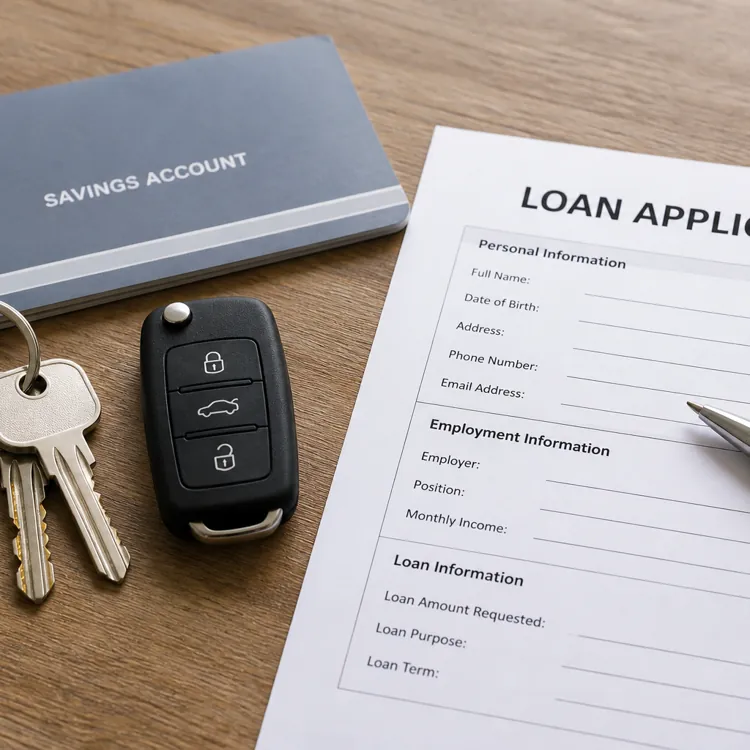


Eligibility requirements for a $40,000 personal loan
To get a $40,000 loan, you will need strong credit, a low debt-to-income ratio and a regular, verifiable income.
- Credit score: You need a credit score of at least 640 and possibly higher, depending on the lender. The higher your score, the more likely you are to qualify for a larger loan amount like $40,000. A good credit score can also help you get a lower APR.
- Income: Many lenders require an annual income of at least $25,000 to issue a personal loan, but your debt-to-income ratio is even more critical.
- Debt-to-income ratio: Lenders typically require a debt-to-income ratio of 35% or less. This means that less than 35% of your income is going to pay the minimum payments on your debts.
- Documentation: You will also need to verify your identity and your income. Expect to provide W-2s, bank statements and tax returns that show the income you are using to qualify for the loan.
Borrowing a $40,000 loan with a lower income
If you don’t earn enough to qualify for an unsecured $40,000 loan, it may be easier to get accepted for a secured personal loan. These loans require collateral — like your home or car — so they’re less risky for the lender and often have lower income requirements. However, you risk having your collateral seized if you can’t repay the loan.
Comparing lenders for the best rates
Many of the best personal loan lenders offer $40,000 personal loans. Researching lenders’ acceptance criteria, such as minimum credit score and income, can help you pinpoint which companies are more likely to accept your application. To target the best deal for your budget, compare each lender’s typical APR ranges and origination fees.
| Company | Customer rating | Min. credit score | Repayment terms | Loan amounts | |
|---|---|---|---|---|---|
 Upgrade | Compare Offers | 4.7 | Not disclosed | 24 to 84 months | $1,000 to $50,000 |
 Achieve Personal Loans | Learn More | 4.7 | 640 | 24 to 60 months | $5,000 to $50,000 |
 Best Egg | Compare Offers | 4.1 | 640 | 36 to 60 months | $2,000 to $50,000 |
Steps to getting a $40,000 personal loan
Before applying for a $40,000 loan, it’s important to prepare. Taking time to review your financial situation, gather necessary documents and compare lenders can help you avoid costly mistakes and improve your chances of approval.
- Consider your situation: First, be sure that you truly need $40,000 and that you can afford the monthly payments. Review your budget to get a clear idea of what you can comfortably afford. If you are using the funds to pay off existing loans, be sure to understand your current minimum payments and interest rates so that you don't end up paying even more than before.
- Gather your documents: Next, gather all the documents needed for the loan application. This will make the process smoother and less frustrating. You can expect to need:
- Social Security number
- Home address
- Email address and phone number
- Employment information
- Income amount, with verification documents
- Bank account number and routing number for direct deposit
- The amount you want to borrow
- What you will use the funds for
- Compare lenders: Find two or three lenders that offer the terms you are looking for so you can compare their offers. Understand their interest rates, lending requirements and if there are any origination fees or prepayment penalties.
- Get prequalified: Many lenders allow you to get prequalified so you can have an idea of what loan terms you would receive. You'll fill out most of the loan application, and the lender will do a soft check on your credit to determine if you qualify. This is a great way to see what terms you can get without affecting your credit.
- Review prequalified offers: If you've gotten prequalified with several lenders, compare the offers and see which one is best for you. Pay attention to the fees, interest rate, term and minimum payment.
- Apply: This should go quickly since you've already completed most of the application to get prequalified. You'll likely have to present the documents that verify your information. It may be anywhere between a few hours to a few days to hear back after you've applied.
- Review and accept the loan: Don't assume the final loan terms are the same as the terms from the prequalification. Go back over the amount, interest rate, term length, minimum payment and fees. If the terms are acceptable, go ahead and sign the loan documents and receive your funds. Depending on the lender, you may receive your funds in a few hours or a few days.
Pro tip
Be sure to compare interest rates and fees to make sure you are getting the best deal on your loan. Lenders may offer a low interest rate but have a high origination fee that offsets any savings.
» RELATED: Are online loans safe?
Understanding loan terms and conditions
The term of the loan refers to the number of payments you will need to make on the loan. The longer the term, the lower the minimum payment will be. But this also means you'll pay more for the loan over time. Not only do longer-term loans tend to have higher interest rates, there is also more time for interest to accrue.
Pay attention to the interest rate, term, minimum payment and any fees associated with the loan.
For example, a $40,000 loan at 17.99% for five years will have a minimum payment of $1,016, and you'll pay $20,931 in interest. If you change the term to seven years, the minimum payment would be $840, and the total interest would be $30,600.
Interest rates
Depending on your credit and other factors, your interest rate will likely range between 7.99% and 34.99% APR. The better your credit score, the lower your interest rate will be.
Some personal loans have origination fees, which are typically a percentage of the loan amount and can range between 1% and 8%. This means on a $40,000 loan, you can expect to pay between $400 and $3,200.
FAQ
How hard is it to get a $40,000 loan?
A $40,000 personal loan is considered a large personal loan, so it's best to have a credit score in the high 600s and a debt-to-income ratio below 35%.
Can I get $40,000 immediately?
There are lenders who specialize in fast funding but none that can get you funds immediately. For example, SoFi advertises same-day funding, but that is after the loan is accepted. Your application will still need to go through underwriting, which may take a few days.
What is the monthly payment on a $40,000 loan?
The monthly payment on a $40,000 loan will depend on the interest rate and the term of the loan. For example, a five-year loan at 17.99% would cause a minimum payment of $1,016 per month.
Is it possible to get a loan for 40,000?
Yes, it is possible to get a personal loan for $40,000. Several lenders offer loans up to $50,000, including Upgrade, Best Egg and Achieve.
Article sources
ConsumerAffairs writers primarily rely on government data, industry experts and original research from other reputable publications to inform their work. Specific sources for this article include:
- Credible, "What Credit Score Do You Need for a Personal Loan?" Accessed June 3, 2026.