
How ConsumerAffairs uses cookies
This website utilizes technologies such as cookies to enable essential site functionality, as well as for analytics, personalization, and targeted advertising. To learn more, view the following link:
How ConsumerAffairs uses cookies
This website utilizes technologies such as cookies to enable essential site functionality, as well as for analytics, personalization, and targeted advertising. To learn more, view the following link:
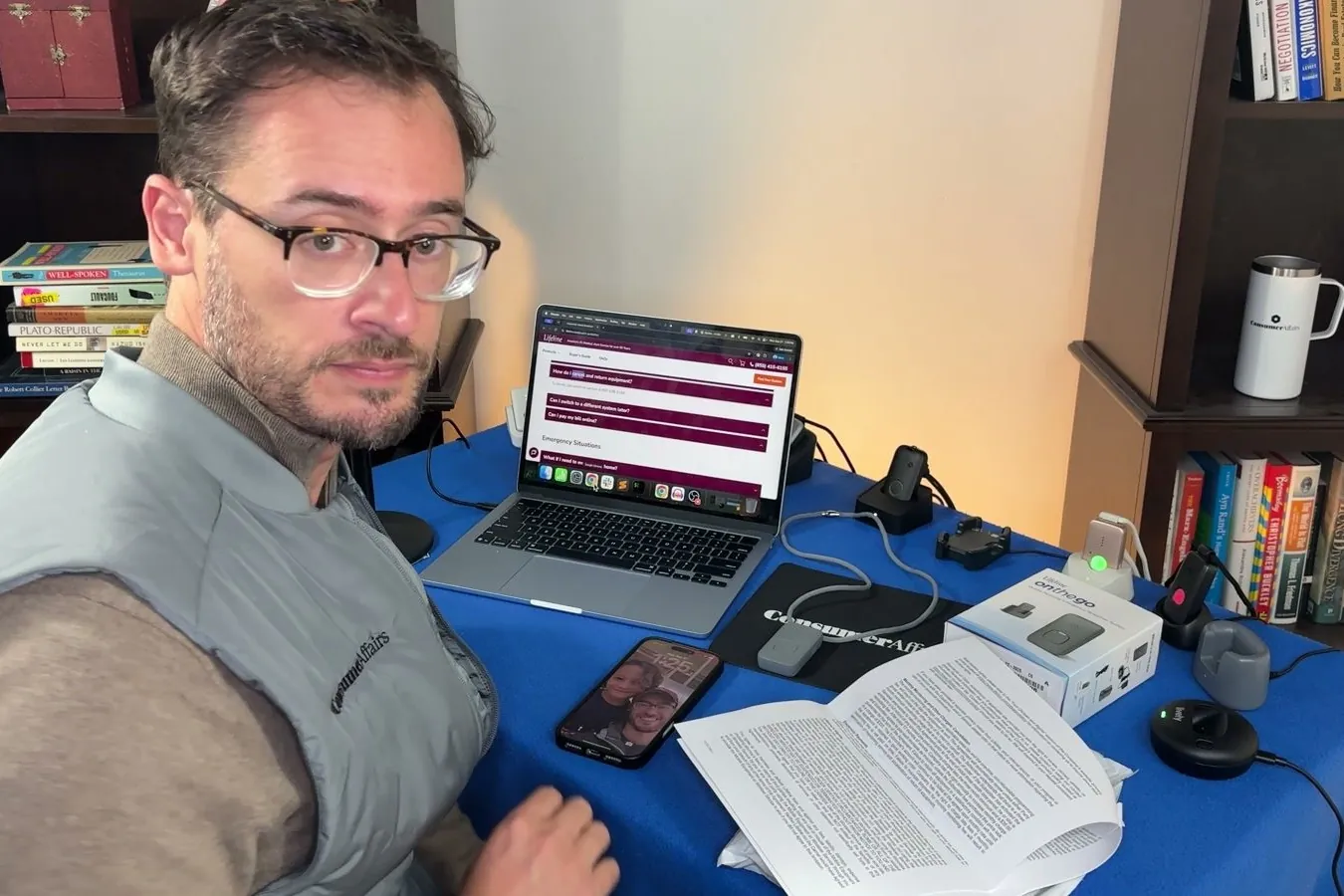
I’m Chris Kolmar and I’m the chief of staff at ConsumerAffairs.
I’m not a doctor or a nurse or a salesman.
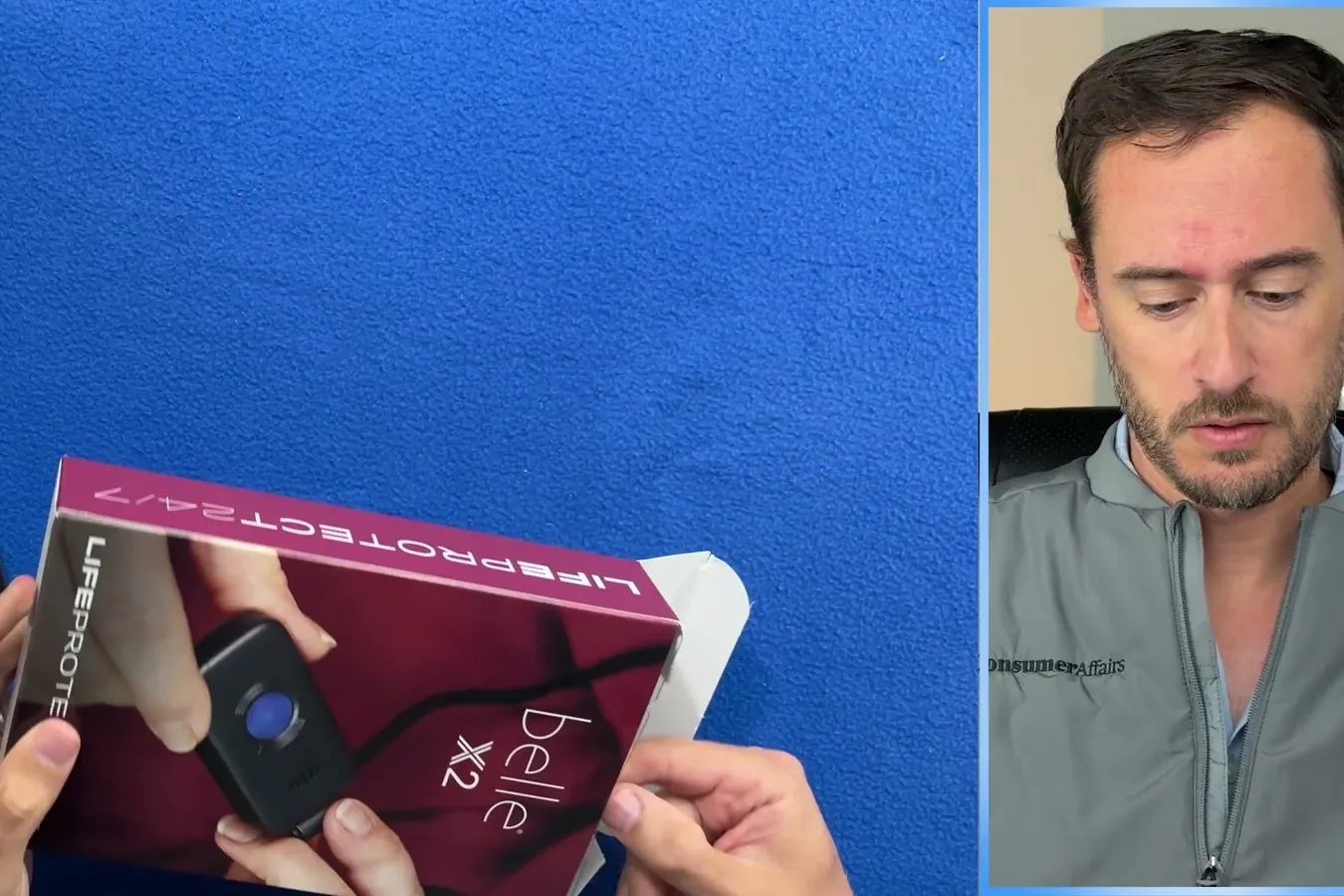
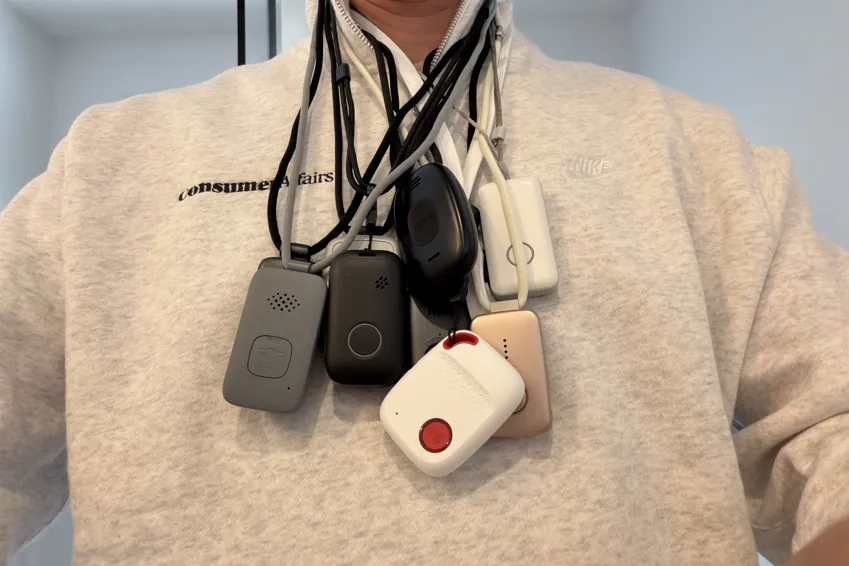
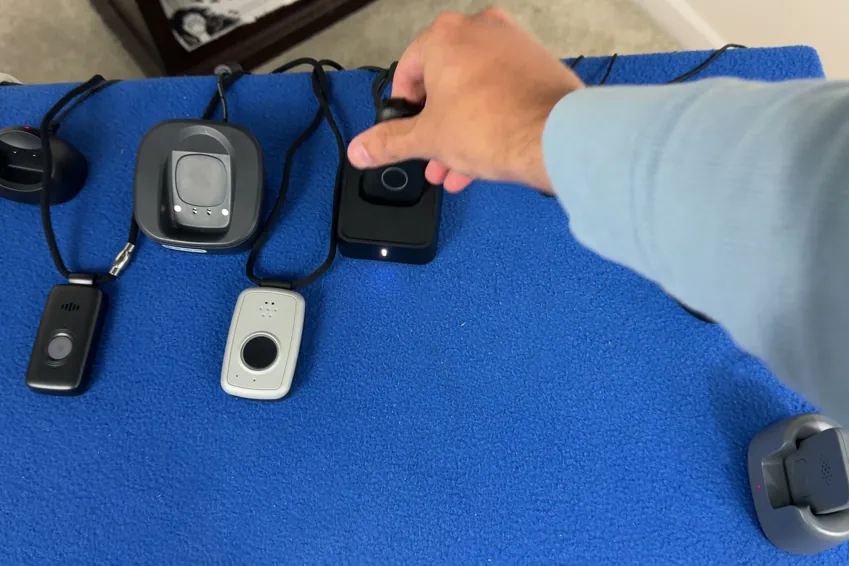
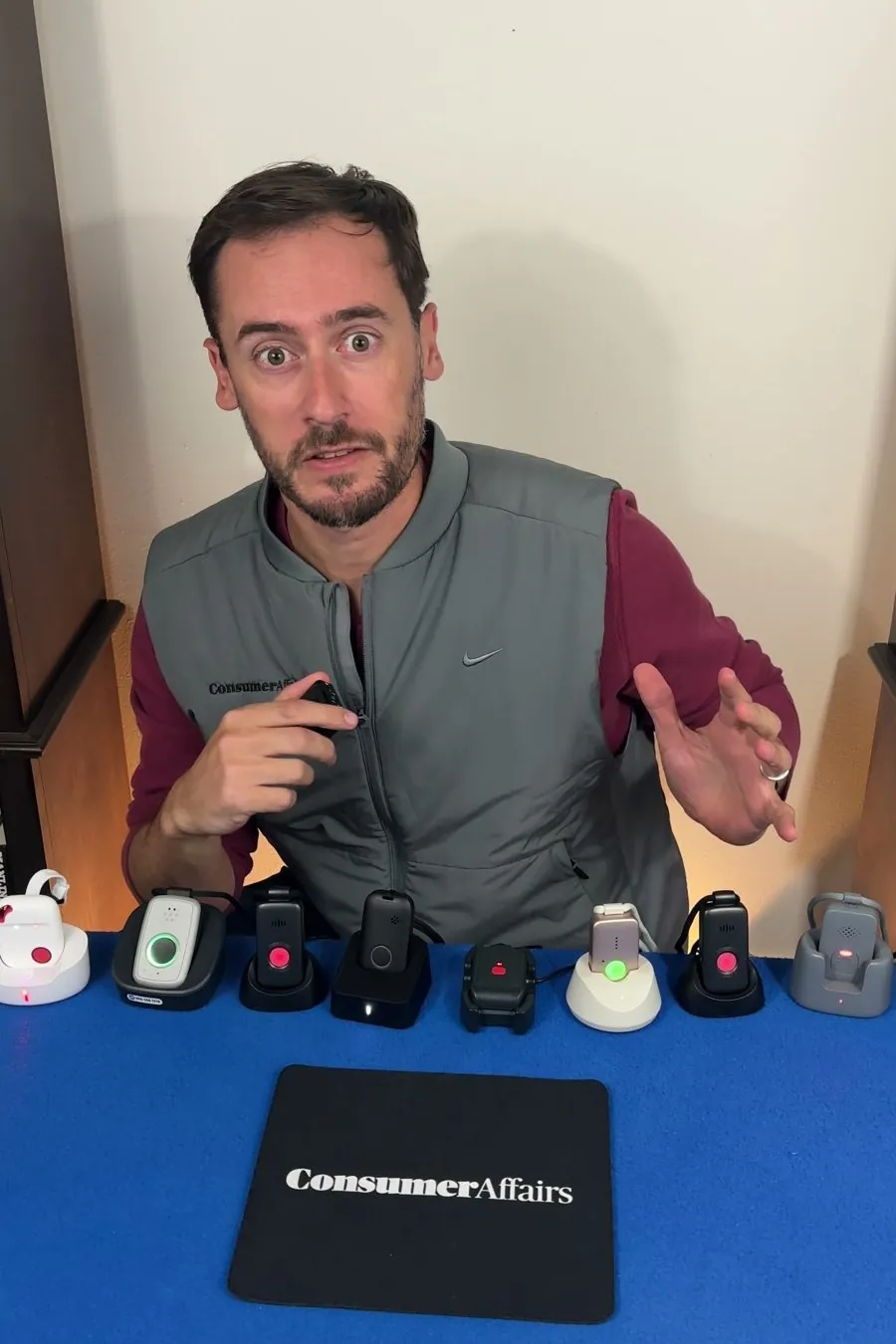
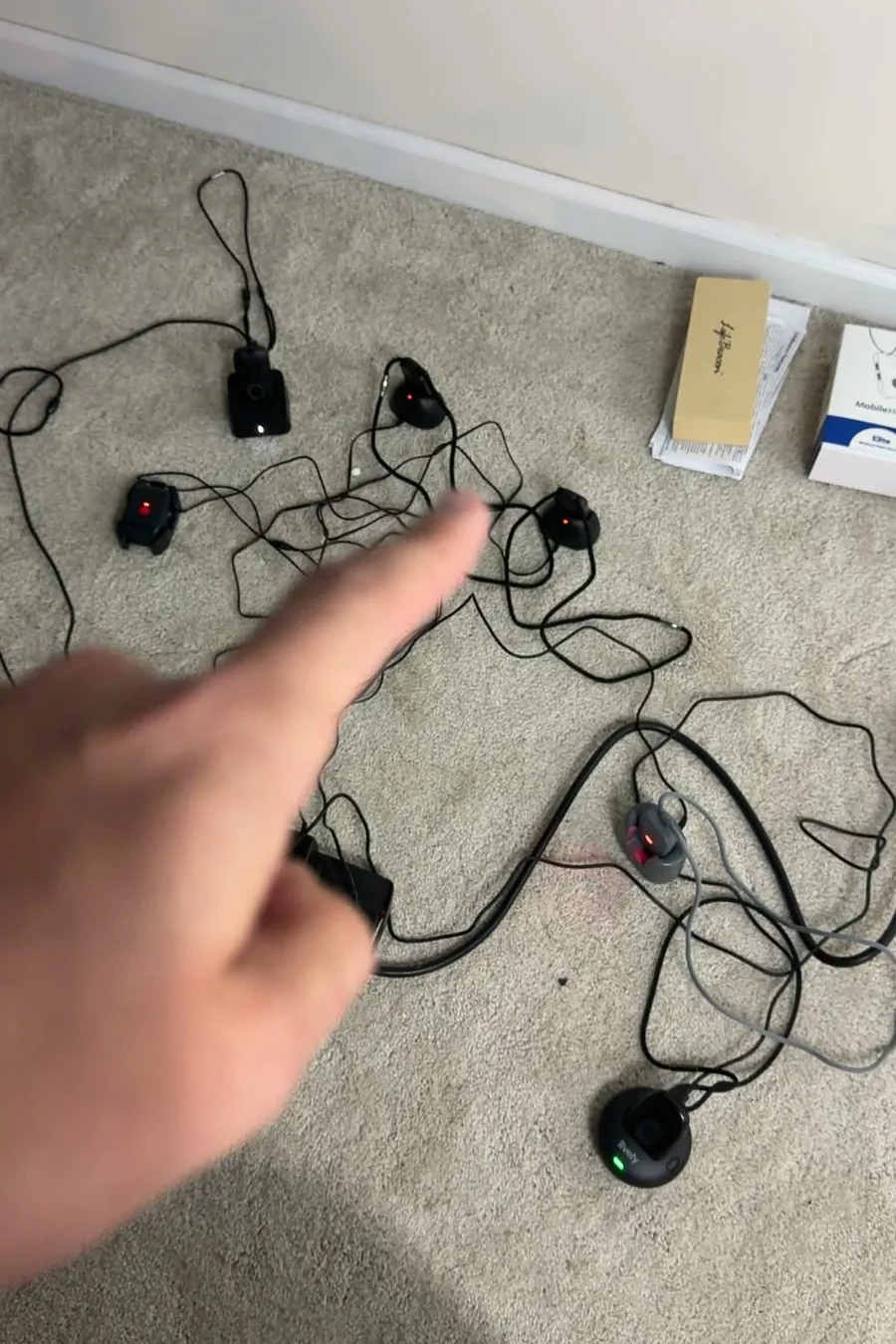
I’m That Guy that bought 11 major medical alert systems over the past several months, wore them every day for several months, and pressed the help button more than 100 times. I also sat through 11 sales calls, read every contract and fell down over 100 times to test the devices.
I did the research so you don’t have to. Because the day you’re shopping for a med alert system you are either trying to keep yourself or a loved one living the life they want. So you deserve a real person who has already put in the 80+ hours of homework.

ConsumerAffairs exists to give you an advantage when you need it most by matching you to a brand you can trust.
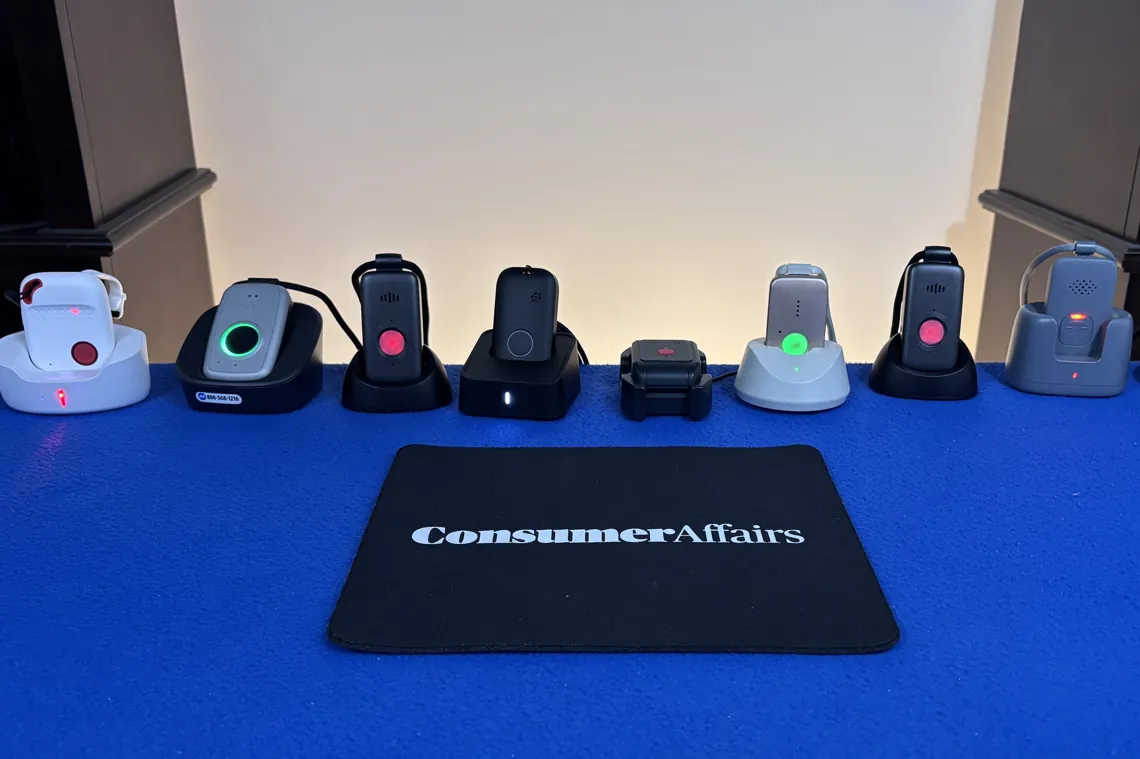
The best way to find a brand you can trust is to test all the major ones.
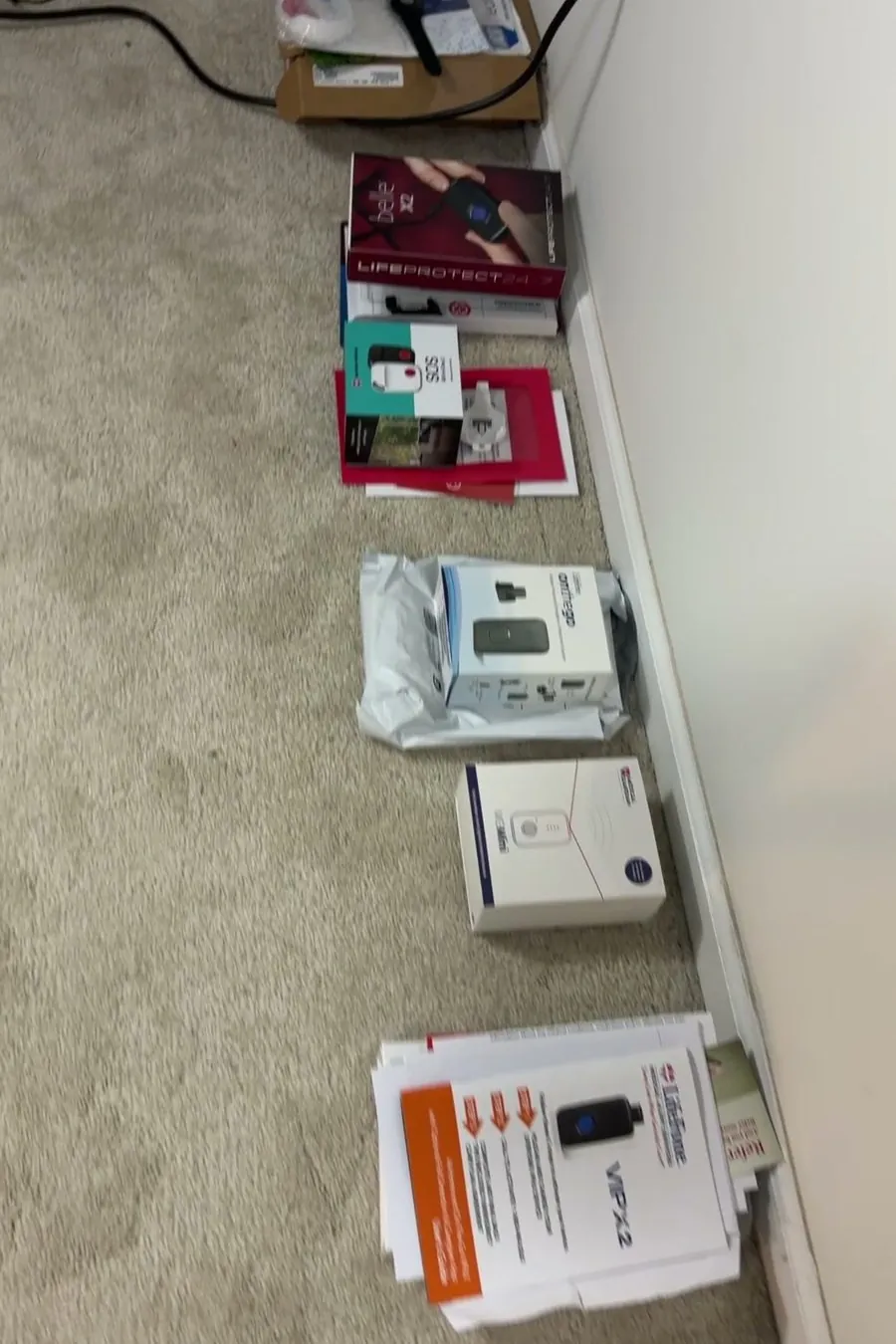
And that’s what I did. The best way to understand which of the systems work was to buy them all.
My team and I analyzed the most common sales tactics, complaints, pricing questions and features of the devices to understand which system actually works when you need it to work. We kept track of every detail and recorded it all to share with you.
Why? Because you do not want the first SOS button press to be the real SOS button press.
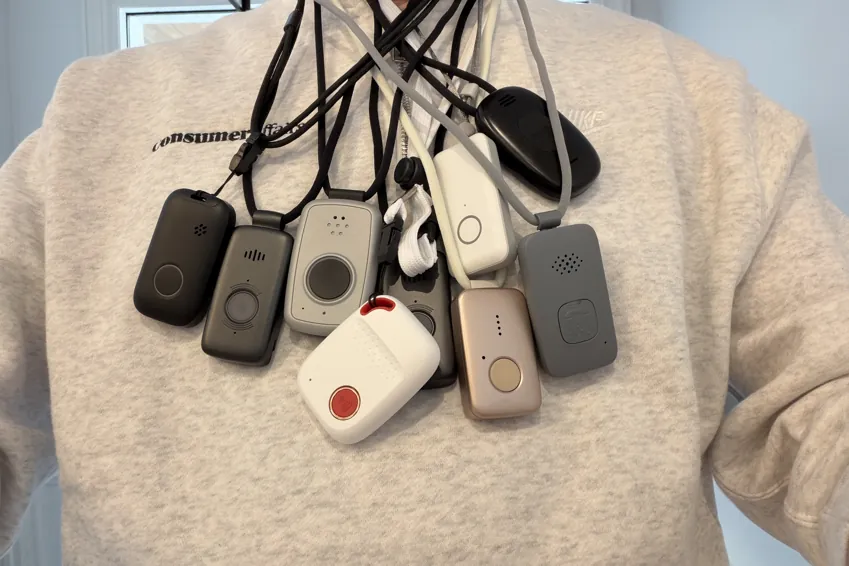
To make all the comparisons apples to apples, every purchase was the same product type. That included:
Then I wore each of the devices over the better part of three months. All in all, I tested:
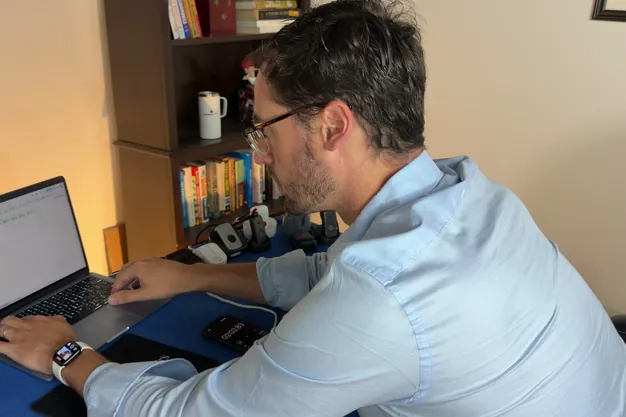
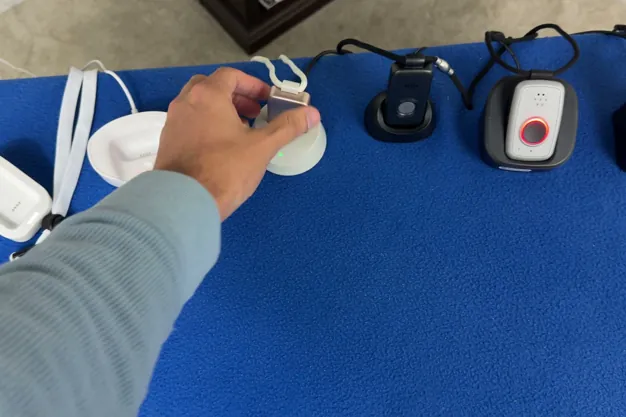
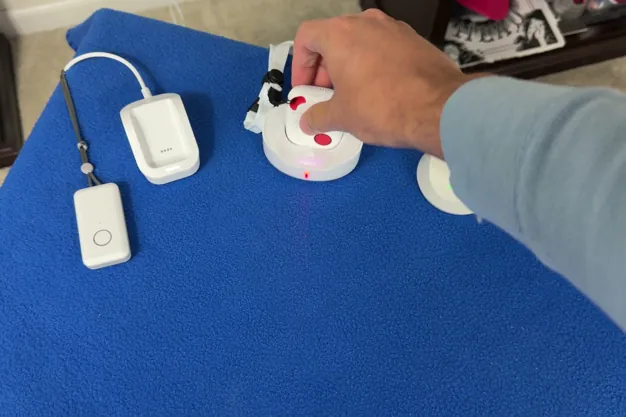
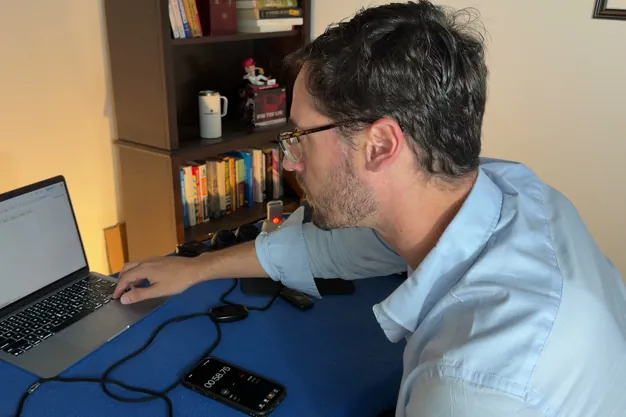
Most of what matters about a medical alert system isn’t the physical product itself. It’s what happens in the 30 seconds after you press the SOS button. But to get there, you have to wade through the paperwork and understand what it’s like to wear the device every day.
Here’s a bit of what I learned.
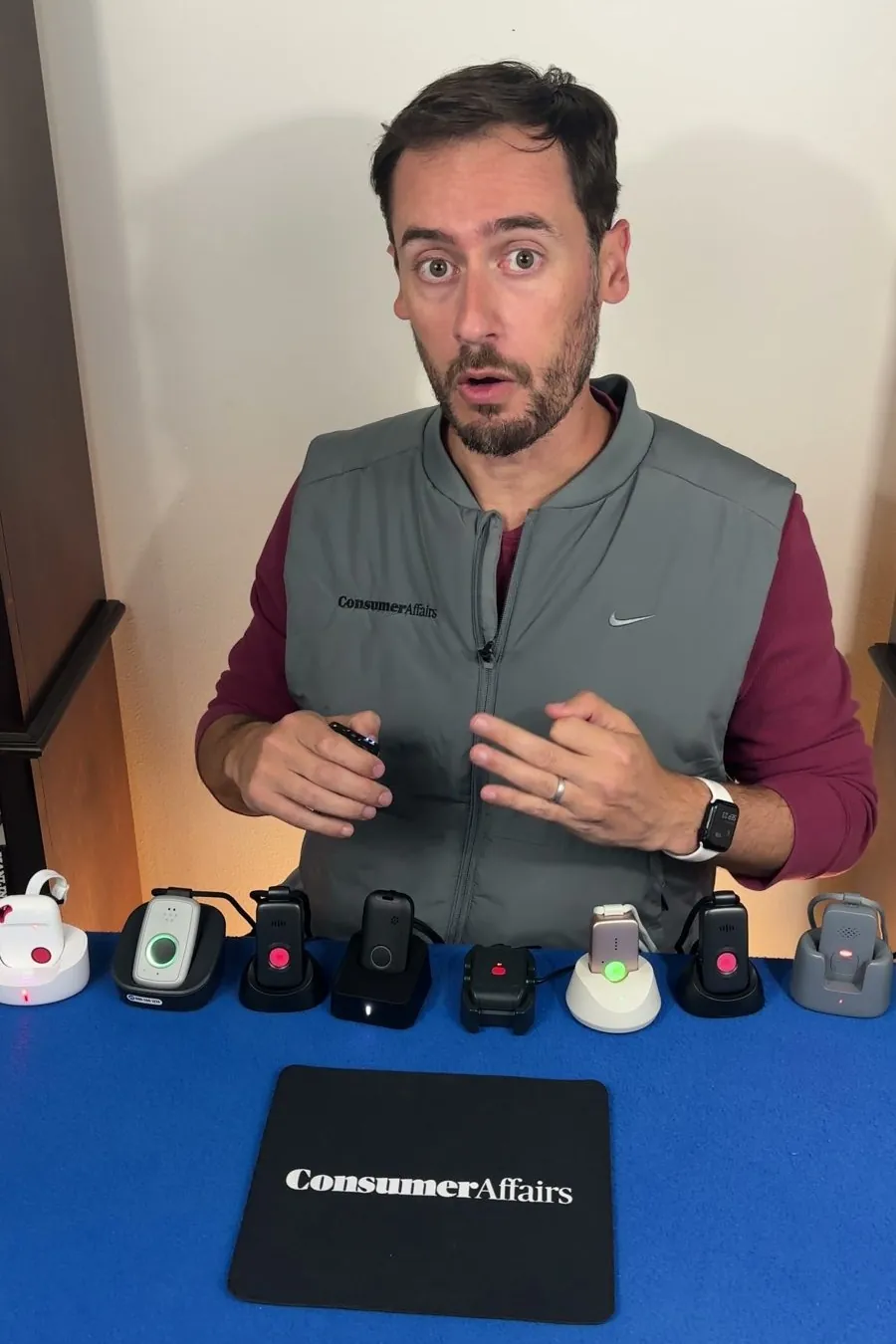
Most reps will tell you “no contract” on the phone. But what that really means is “no multi-year commitment.”
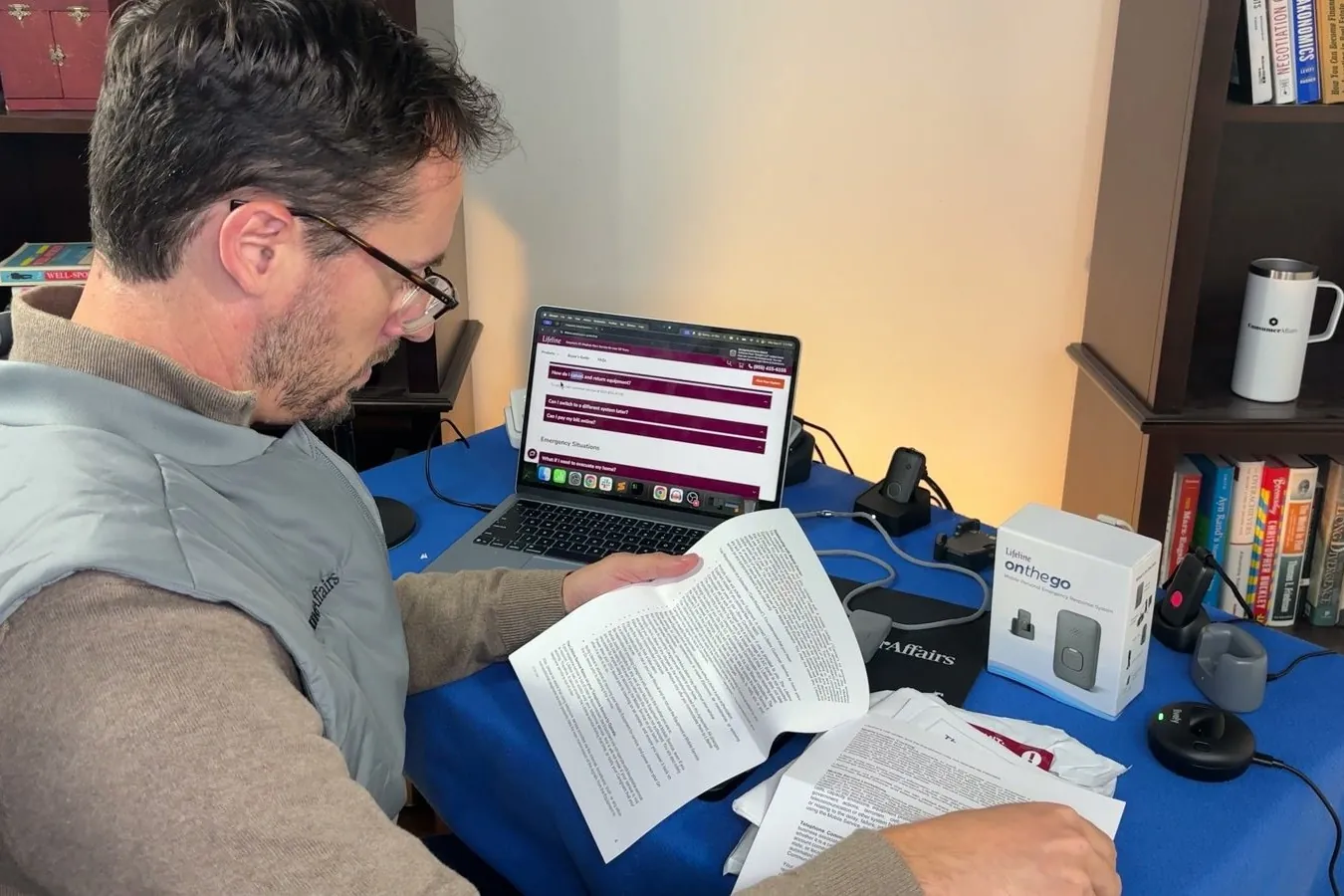
There is still a contract! It contains information like your refund window, your cancellation rules, the term of the agreement and how much the device costs. More importantly, it overrides anything a sales rep tells you on the call. So you need to understand it!
After you push the SOS button, several systems put an AI screener between you and the call center. It adds roughly 15 to 30 seconds to the connection.
I measured exactly how long 100 calls took to reach a real person, who used AI and what the expected time is. It’s so strange to think of someone in trouble trying to talk to an AI.
Therefore, I graded a device higher if it connects you directly to a person. The fastest human pickup I got was 20 seconds. The slowest was over four minutes.
Most sales reps are genuinely helpful, and it is nice to talk to a human when you’re solving a real problem for someone you love. Just remember that no matter what they say on the phone, read the contract.
Getting a full contract before paying is actually surprisingly hard. So we tried to aggregate them all into one place so you know what to expect.
“I’ve pushed the SOS button over 100 times, and someone always responded to me.”— Chris, from “What People Hate About Medical Alert Devices”
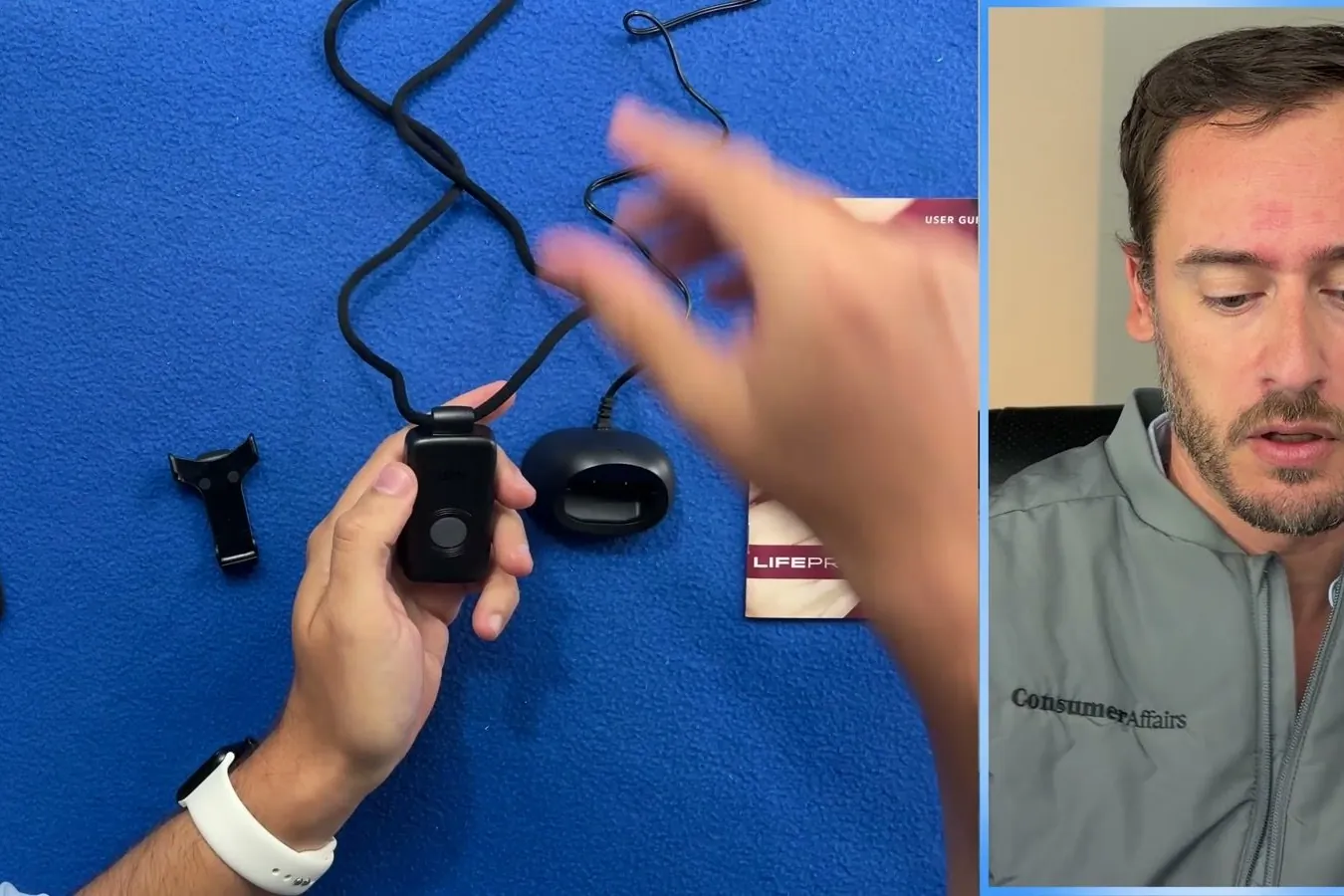
The reason you get a medical alert device isn’t so it saves your life. It’s so you can keep living. Or so you can be a son or daughter without feeling guilty about not being with your aging parents 100% of the time.
I started my journey into becoming That Med Alert Guy at ConsumerAffairs by talking to past customers. Before I ever unboxed anything, I sat down with people who had gone through everything I was about to do.
I came into the first call without totally understanding what to expect. The person on the other end said their dad had just died and their mom wasn’t doing great.
This is what every one of these purchases is like. They are serious situations that can alter the course of someone’s ability to continue living the way they want.
A retired veteran who wears a Medical Guardian pendant. He charges it on the dresser overnight, which means he’s unprotected on the exact trips most likely to end in a fall: the ones in the dark, to the bathroom. Nobody told him. It changed how I think about chargers, lights and where a device should live at night.
She picked ADT for her mother after her father passed. Her mom’s one hard rule was no long-term lock-in. “What if something changes? What if we need to cancel?” Canceling is actually one of the most cited complaints in the entire industry.
I graded every medical alert system on a report card system with the following components:
These are the overall grades and how long each one took to connect me to a human being.
| Device | Brand | Overall | Avg. seconds to a human |
|---|---|---|---|
| Lively Mobile2 | Lively (bought at Best Buy) | A+ | 26 |
| MobileHelp Elite | MobileHelp | A | 90 |
| SOS All-in-One 2 | Bay Alarm Medical | A | 74 |
| VIP X2 | LifeFone | A− | 60 |
| Medical Alert On the Go | ADT | A− | 58 |
| MG Mini | Medical Guardian | B+ | 94 |
| Pearl | LifeStation | B+ | 71 |
| Life Beacon | Alert1 | B | 86 |
| On the Go Micron | Lifeline | B | 113 |
| Bell X2 | LifeProtect 24/7 | F | 63 |
| SOS | SecuLife | F | Never |
Most of what you’ll read about medical alert systems cites the same handful of sources. If you read enough ConsumerAffairs reviews or go down some very long Reddit rabbit holes, you’ll find information that should be more accessible to everyone.
That’s That Guy’s goal. I put the hours of research in so you don’t have to.
But you can’t fake being that guy.
You can’t fake almost calling emergency services in the airport X-ray line.
You can’t fake having your son run away from you when the device accidentally goes off in Target.
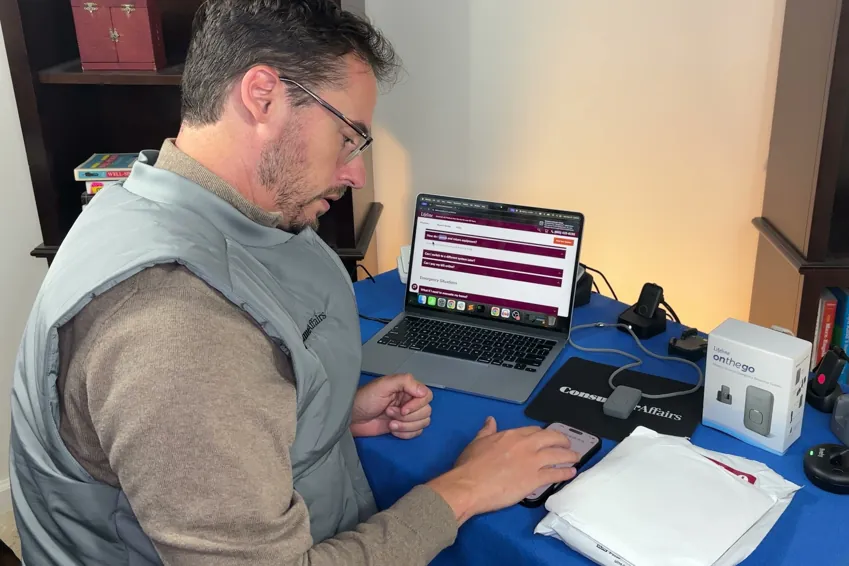
You can’t fake reading the contract out loud to a rep who really wished I’d stop.
This is the promise behind every page, photo and video in my series:

ConsumerAffairs exists to give you an advantage when you need it most, by matching you to brands you can trust.
I’m the one who bought the medical alert systems, wore them, called them, read the paperwork and fell down in the parking lot. If my face is on something, I stand behind it.
Medical alerts are the first category in our That Guy series. It won’t be the last.